


1. Introduction
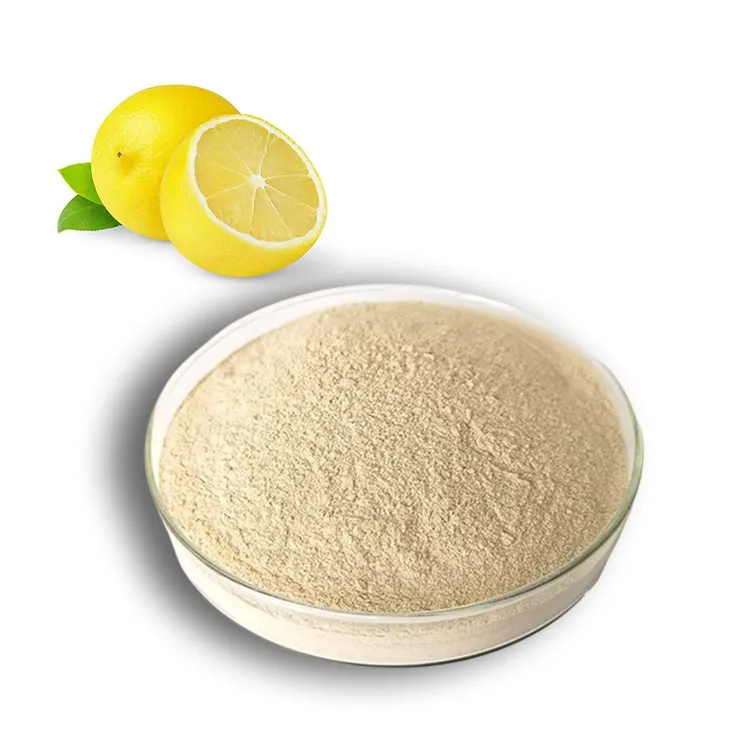
Lemon Extract is a valuable substance with a wide range of applications in food, cosmetics, and medicine. It contains various beneficial components such as essential oils, flavonoids, and citric acid. Understanding the extraction and distillation methods is crucial for obtaining high - quality Lemon Extract. This article will explore different extraction techniques and the distillation process in detail.
2. Extraction Methods
2.1 Solvent Extraction
Principle: Solvent extraction is based on the principle that different substances have different solubilities in solvents. In the case of Lemon Extract, a suitable solvent is used to dissolve the desired components from the lemon material, such as the peel or juice.
Procedure:
- First, the lemon material is prepared. This may involve washing, peeling (if only the peel is used), and grinding or chopping to increase the surface area.
- Then, a solvent is selected. Commonly used solvents include ethanol, hexane, or ethyl acetate. The choice of solvent depends on factors such as the solubility of the target components and the safety and cost of the solvent.
- The lemon material is immersed in the solvent for a certain period. During this time, the desired components dissolve into the solvent through diffusion.
- Finally, the solvent - containing extract is separated from the solid residue. This can be done through filtration or centrifugation.
Advantages:
- It can effectively extract a wide range of components, including both polar and non - polar substances. For example, flavonoids, which are polar, and essential oils, which are non - polar, can be extracted simultaneously.
- The extraction efficiency can be relatively high if the proper solvent and extraction conditions are chosen.
Disadvantages:
- The use of solvents may pose safety risks, especially if the solvents are flammable or toxic. For example, hexane is flammable and requires careful handling.
- There may be solvent residues in the final extract, which need to be removed carefully to meet safety and quality standards. This requires additional purification steps.
2.2 Cold - Press Extraction
Principle: Cold - press extraction takes advantage of mechanical pressure to squeeze out the liquid components from the lemon material. It is a physical method that does not involve the use of solvents.
Procedure:
- The lemons are washed thoroughly to remove dirt and impurities.
- The whole lemons or the peeled lemons are then placed in a cold - press machine. The machine applies pressure gradually, squeezing out the juice or the extract containing essential oils and other components.
- The extracted liquid is collected, and any remaining solid residue is removed through filtration.
Advantages:
- It is a natural and solvent - free method, which is considered more "pure" and environmentally friendly. There is no risk of solvent residues in the final product.
- The flavor and aroma of the Lemon Extract obtained by cold - press extraction are often more authentic and intense, as no chemical solvents are used to alter or dilute them.
Disadvantages:
- The extraction efficiency may be lower compared to solvent extraction, especially for some less - accessible components. For example, certain flavonoids that are tightly bound in the lemon tissue may not be fully extracted.
- The equipment for cold - press extraction can be relatively expensive, and the process may require more energy in some cases.
3. Distillation Methods
Principle: Distillation is based on the difference in boiling points of different components in the Lemon Extract. Components with lower boiling points will vaporize first and can be separated from those with higher boiling points.
Key Steps:
- Preparation of the Feed: The Lemon Extract obtained from the extraction process is used as the feed for distillation. It may need to be pre - treated, such as filtering to remove any remaining solid particles.
- Heating: The feed is heated in a distillation apparatus. As the temperature rises, the components with lower boiling points start to vaporize.
- Vapor Condensation: The vaporized components are then passed through a condenser, where they are cooled and condensed back into liquid form.
- Collection: The condensed liquid, which is the distilled Lemon Extract, is collected separately from the non - vaporized components in the original feed.
During distillation, it is important to control the temperature accurately to ensure the separation of different components. For example, if the goal is to obtain lemon essential oil, the temperature should be set to vaporize the essential oil components while leaving behind other components such as citric acid and water.
4. Conclusion
In conclusion, both extraction and distillation are important processes in the production of Lemon Extract. Solvent extraction and cold - press extraction each have their own advantages and disadvantages, and the choice depends on various factors such as the desired components, cost, and safety requirements. Distillation provides a way to further purify and separate the components of the Lemon Extract. Understanding these methods is essential for those involved in the production, research, and application of Lemon Extract in different industries.
FAQ:
What are the main extraction methods of Lemon Extract?
The main extraction methods of Lemon Extract include solvent extraction and cold - press extraction. Solvent extraction involves using a suitable solvent to dissolve the desired components from lemon materials. Cold - press extraction, on the other hand, physically presses the lemons to obtain the extract without using heat or solvents in the initial stage.
What are the advantages of solvent extraction for Lemon Extract?
One advantage of solvent extraction is its high efficiency in extracting a wide range of components. It can target both polar and non - polar compounds effectively. Also, it can be adjusted by changing solvents and extraction conditions to obtain different types of extracts with specific compositions.
What are the disadvantages of cold - press extraction?
Cold - press extraction may have lower yields compared to some other methods. It also might not be able to extract some minor but important components as thoroughly as solvent extraction. Additionally, the quality of the extract may be more affected by the quality of the raw lemons used.
What are the principles of distillation in Lemon Extract production?
The principle of distillation in Lemon Extract production is based on the differences in the boiling points of the components in the Lemon Extract. By heating the extract, the components with lower boiling points vaporize first. These vapors are then condensed back to liquid form, separating them from the components with higher boiling points.
What are the key steps in the distillation process of Lemon Extract?
The key steps in the distillation process of Lemon Extract include heating the extract in a distillation apparatus, collecting the vapors as they rise, and then condensing these vapors. Careful control of temperature is crucial to ensure the proper separation of components. Also, proper cleaning and maintenance of the distillation equipment are necessary to avoid contamination.
Related literature
- Advanced Extraction Techniques for Citrus Extracts"
- "Optimizing Distillation Processes in Fruit - Based Extract Production"
- "A Comprehensive Review of Lemon Extract Manufacturing"


-

Resveratrol Extract
2025-01-07
-

Mangosteen extract powder
2025-01-07
-

L-Cysteine
2025-01-07
-

Eucommia Ulmoides Extract
2025-01-07
-

Okra Extract
2025-01-07
-

Tormentil Extract
2025-01-07
-
Lemon Extract
2025-01-07
-

Gynostemma pentaphyllum extract
2025-01-07
-

Licorice Root Extract Powder
2025-01-07
-

Rutin
2025-01-07