


1. Introduction
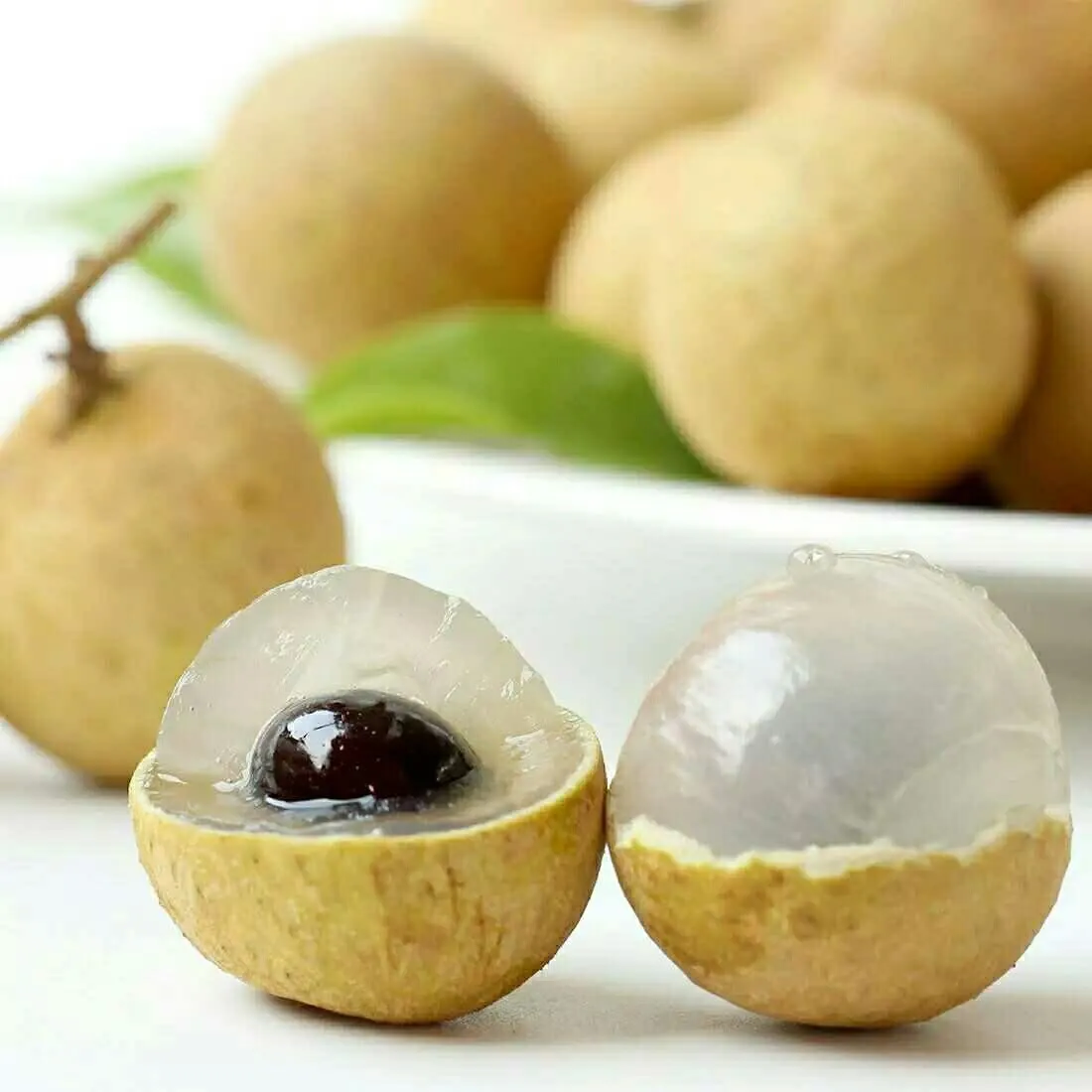
Longan (Dimocarpus longan Lour.), a well - known tropical and subtropical fruit, has been widely used in traditional Chinese medicine and food industry. Polysaccharides in Longan Extract are considered to possess various biological activities, such as antioxidant, immunomodulatory, and anti - tumor effects. Therefore, the study on longan polysaccharides has attracted increasing attention. This article aims to comprehensively review the extraction process, separation and identification methods of polysaccharides in Longan Extracts.
2. Extraction Process of Longan Polysaccharides
2.1 Solvent Selection
The choice of solvent is crucial for the extraction of longan polysaccharides. Water is the most commonly used solvent due to its safety, low cost, and environmental friendliness. However, different solvents may affect the extraction yield and the chemical structure of polysaccharides.
Some researchers have also explored the use of other solvents or solvent combinations. For example, dilute alkaline solutions can be used to break the cell wall more effectively and improve the extraction yield. But it should be noted that alkaline conditions may also cause partial degradation of polysaccharides. Ethanol - water mixtures have also been investigated, which may have different extraction effects depending on the ratio of ethanol to water.
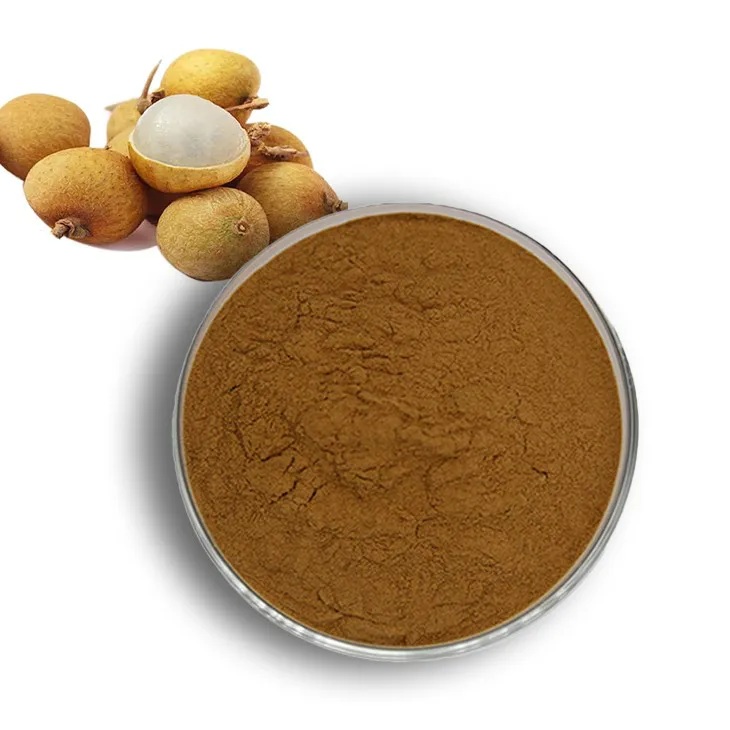
2.2 Extraction Conditions
2.2.1 Temperature: Temperature has a significant impact on the extraction process. Generally, increasing the temperature can accelerate the diffusion rate of polysaccharides from the longan tissue into the solvent, thereby increasing the extraction yield. However, too high a temperature may lead to the degradation of polysaccharides. For example, in some studies, the extraction yield increased when the temperature was raised from room temperature to around 80 - 90°C, but further increasing the temperature above 90°C resulted in a decrease in the yield due to the degradation of polysaccharides.
2.2.2 Extraction Time: The extraction time also affects the extraction efficiency. Longer extraction times usually lead to higher extraction yields, but after a certain time, the increase in yield becomes less significant. Moreover, excessive extraction time may also cause problems such as polysaccharide degradation. For instance, in an experiment, the extraction yield increased gradually within the first 3 - 4 hours, and then remained relatively stable or even decreased slightly after 4 hours.
2.2.3 Solid - Liquid Ratio: The ratio of longan raw material to solvent (solid - liquid ratio) is another important factor. A higher solid - liquid ratio may increase the concentration of polysaccharides in the extract, but it may also lead to incomplete extraction due to the insufficient solvent. On the contrary, a lower solid - liquid ratio may result in a waste of solvent. Commonly used solid - liquid ratios range from 1:10 to 1:30 (g/mL).
3. Separation of Longan Polysaccharides
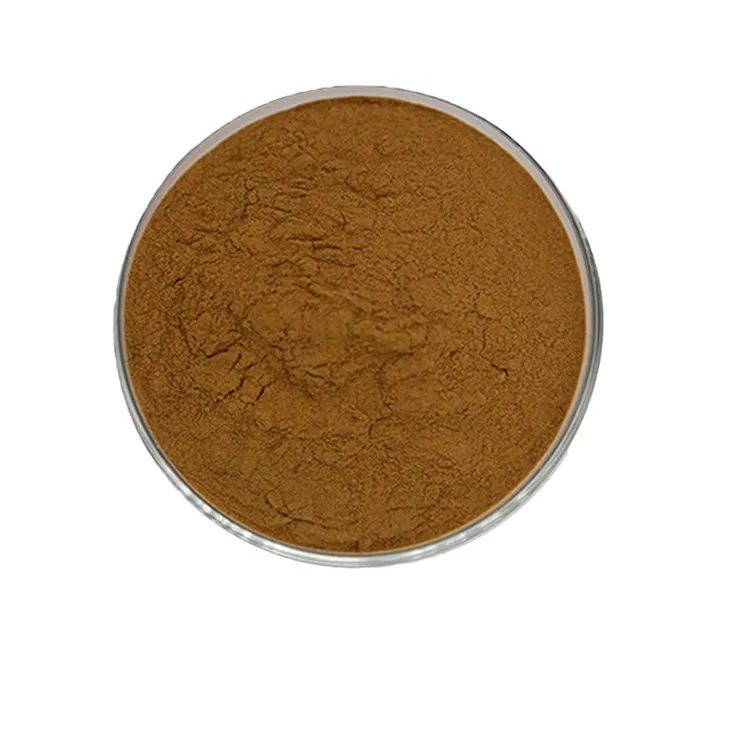
3.1 Centrifugation
Centrifugation is a common method used for the initial separation of longan polysaccharides. After the extraction process, the extract contains not only polysaccharides but also other impurities such as cell debris, proteins, and small molecules. Centrifugation can separate the larger particles such as cell debris from the polysaccharide - containing supernatant by applying a certain centrifugal force.
The choice of centrifugal speed and time is important. Higher centrifugal speeds and longer times can achieve better separation effects, but they may also cause some polysaccharides to be deposited together with the impurities. For example, a centrifugal speed of 3000 - 5000 rpm for 10 - 20 minutes is often used in the separation of longan polysaccharides. After centrifugation, the supernatant can be further processed for purification.

3.2 Filtration
Filtration is another important separation technique. It can further remove smaller impurities from the centrifuged supernatant. There are different types of filters that can be used, such as filter papers and membrane filters.
Filter papers with different pore sizes can be selected according to the size of the impurities to be removed. However, filter papers may not be able to completely remove very small impurities. Membrane filters, on the other hand, can provide more precise filtration. For example, ultra - filtration membranes with a certain molecular weight cut - off can be used to separate polysaccharides from small molecules. By choosing the appropriate membrane, polysaccharides with different molecular weights can be separated and purified.
4. Identification of Longan Polysaccharides
4.1 Spectroscopic Methods
4.1.1 Infrared Spectroscopy (IR): Infrared spectroscopy is a powerful tool for analyzing the chemical structure of polysaccharides. In the IR spectrum of longan polysaccharides, characteristic absorption peaks can be observed. For example, the absorption peaks in the region of 3200 - 3600 cm - 1 are mainly due to the stretching vibration of - OH groups, which are abundant in polysaccharides. The peaks in the 1600 - 1700 cm - 1 region may be related to the C = O stretching vibration of carboxylic acid or amide groups. By analyzing these characteristic peaks, information about the functional groups present in longan polysaccharides can be obtained.
4.1.2 Nuclear Magnetic Resonance (NMR) Spectroscopy: NMR spectroscopy can provide more detailed information about the chemical structure of polysaccharides. Both 1H - NMR and 13C - NMR spectra can be used. In the 1H - NMR spectrum of longan polysaccharides, the chemical shifts of different protons can be used to determine the types of monosaccharides and their linkages. For example, the protons on the anomeric carbon of different monosaccharides have different chemical shifts. The 13C - NMR spectrum can further provide information about the carbon skeleton of polysaccharides, helping to identify the structure of the repeating units.
4.2 Chromatographic Methods
4.2.1 High - Performance Liquid Chromatography (HPLC): HPLC is widely used for the separation and quantification of monosaccharides in longan polysaccharides. After hydrolysis of polysaccharides into monosaccharides, HPLC can separate and detect different monosaccharides based on their different retention times. For example, common monosaccharides such as glucose, fructose, and galactose can be separated and quantified accurately by HPLC. By analyzing the composition of monosaccharides, information about the structure of longan polysaccharides can be inferred.
4.2.2 Gel Permeation Chromatography (GPC): GPC is mainly used for the determination of the molecular weight distribution of longan polysaccharides. Polysaccharides with different molecular weights will elute at different times in the GPC column. By comparing the elution times with the standard molecular weight samples, the molecular weight distribution of longan polysaccharides can be determined. This information is important for understanding the physical and chemical properties of polysaccharides.
5. Conclusion
In conclusion, the extraction process, separation and identification of polysaccharides in Longan Extracts are important research areas. The selection of appropriate solvents and extraction conditions can improve the extraction yield of polysaccharides. Centrifugation and filtration are effective separation techniques for purifying polysaccharides. Spectroscopic and chromatographic methods play a crucial role in the identification of longan polysaccharides, providing valuable information about their chemical structures and properties. Further research on longan polysaccharides is expected to promote their application in the fields of medicine, food and health products.
FAQ:
1. What are the common solvents used in the extraction of polysaccharides from Longan Extracts?
Common solvents may include water, which is often preferred due to its safety and ability to dissolve polysaccharides effectively. Ethanol may also be used in some extraction processes, especially in multi - step extraction procedures where different solubility characteristics of the components are exploited. Additionally, some mild acid or alkaline solutions might be considered in certain cases to help break down cell walls and release polysaccharides more efficiently, but this needs to be carefully controlled to avoid degradation of the polysaccharides.
2. How do extraction conditions affect the yield of longan polysaccharides?
Extraction conditions play a crucial role. Temperature is an important factor. Higher temperatures can generally increase the solubility of polysaccharides, but if it is too high, it may lead to the degradation of polysaccharides, thus reducing the yield. The extraction time also matters. Longer extraction times may initially increase the yield as more polysaccharides are released, but after a certain point, side reactions or degradation may occur, causing the yield to level off or even decrease. The ratio of solvent to Longan Extract material also affects the yield. An appropriate ratio ensures sufficient solvent to dissolve the polysaccharides, and an insufficient amount of solvent may result in incomplete extraction and a lower yield.
3. What is the principle behind centrifugation in the separation of longan polysaccharides?
Centrifugation is based on the difference in density between the polysaccharides and other substances in the Longan Extract. When the extract is centrifuged, substances with higher density will sediment at the bottom of the centrifuge tube more quickly, while the polysaccharides, which may have a different density compared to other impurities, can be separated from the denser particles such as cell debris. This helps to purify the polysaccharides by removing these unwanted components.
4. How does filtration contribute to the purification of longan polysaccharides?
Filtration serves to remove larger particles and insoluble substances from the longan polysaccharide extract. There are different types of filtration, such as membrane filtration. For example, microporous membranes can trap particles larger than the pore size while allowing the polysaccharides, which are generally smaller in size, to pass through. This effectively separates out impurities like undissolved cell fragments, proteins, or other large molecules, resulting in a purer polysaccharide solution.
5. Which spectroscopic methods are commonly used for the identification of longan polysaccharides?
One commonly used spectroscopic method is infrared spectroscopy (IR). IR can provide information about the functional groups present in the polysaccharides. For example, it can detect the presence of hydroxyl groups, which are characteristic of polysaccharides. Another method is nuclear magnetic resonance spectroscopy (NMR). NMR can give detailed information about the chemical structure of the polysaccharides, such as the types of sugar units and their linkages.
Related literature
- Isolation, Purification and Structural Characterization of Polysaccharides from Longan (Dimocarpus longan Lour.)"
- "Study on the Extraction, Separation and Bioactivity of Polysaccharides from Longan"


-

Acerola Juice Powder
2024-12-06
-

Licorice Root Extract Powder
2024-12-06
-

Carrageenan Extract Powder
2024-12-06
-

Lemon Extract
2024-12-06
-

Green Tea Extract
2024-12-06
-

Cordyceps Extract
2024-12-06
-

Peppermint Oil
2024-12-06
-

Black Rice Extract
2024-12-06
-

Cocoa Extract
2024-12-06
-

Alfalfa Meal
2024-12-06