


1. Introduction
In the realm of herbal medicine, there is a vast array of ingredients, each with its own set of properties and potential health benefits. Ginkgo Biloba Extract has emerged as a well - known and widely studied herbal component. However, when compared to other herbal ingredients, it becomes a complex task to determine which one might be more dominant in different applications. This article aims to explore the unique features of Ginkgo Biloba Extract and contrast it with other herbal components in terms of their properties, effectiveness in various health aspects, and market prevalence.
2. Ginkgo Biloba Extract: Properties and health benefits
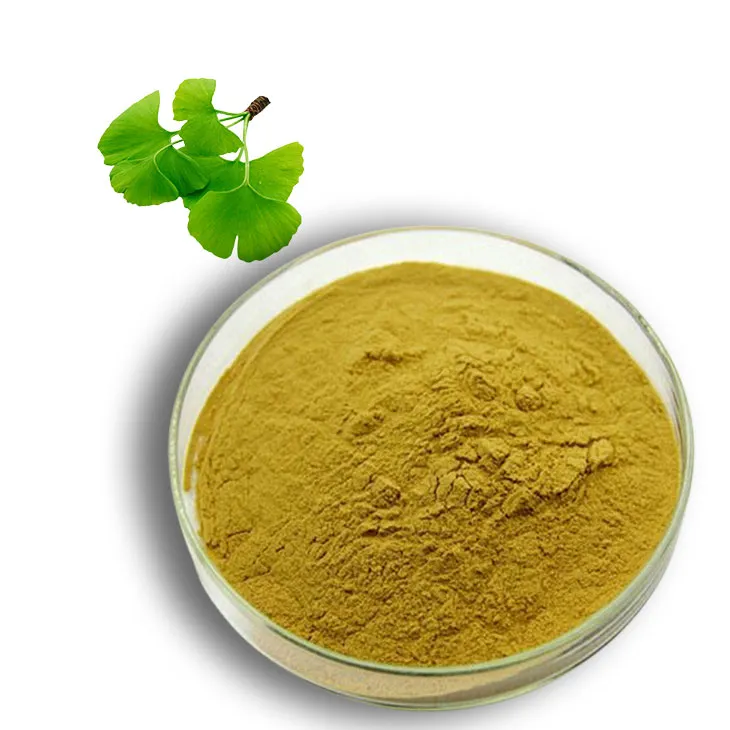
Ginkgo biloba is one of the oldest living tree species, and its extract has been used in traditional medicine for centuries. The extract is rich in flavonoids and terpenoids, which are believed to be responsible for its many potential health - promoting effects.
2.1 Cognitive function
One of the most well - known benefits of Ginkgo Biloba Extract is its potential impact on cognitive function. Studies have suggested that it may improve memory, attention, and concentration. It is thought to enhance blood flow to the brain, which can help in the delivery of oxygen and nutrients to brain cells. For example, in some small - scale clinical trials, elderly participants who took Ginkgo Biloba Extract showed slight improvements in memory tasks compared to those who took a placebo.
2.2 Antioxidant properties
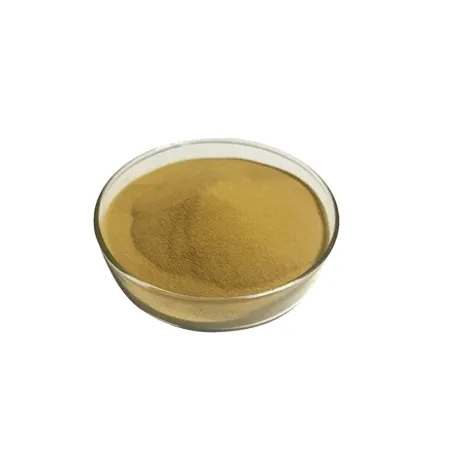
The flavonoids and terpenoids in Ginkgo Biloba Extract possess strong antioxidant properties. Antioxidants play a crucial role in protecting the body's cells from damage caused by free radicals. Free radicals are unstable molecules that can cause oxidative stress, which is linked to various diseases such as cancer, heart disease, and neurodegenerative disorders. By neutralizing free radicals, Ginkgo Biloba Extract may help reduce the risk of these diseases.
2.3 Vascular health
Ginkgo Biloba Extract has also been shown to have a positive effect on vascular health. It can help dilate blood vessels, reducing blood pressure and improving circulation. This is particularly beneficial for individuals with circulatory problems, such as those with peripheral artery disease. Additionally, it may help prevent the formation of blood clots, which can lead to strokes and heart attacks.
3. Other herbal ingredients: A brief overview
There are numerous other herbal ingredients that are popular in the field of herbal medicine, each with its own unique properties.

3.1 Turmeric (Curcuma longa)
Turmeric contains a compound called Curcumin, which has powerful anti - inflammatory and antioxidant properties. It has been used in traditional Ayurvedic medicine for treating a variety of ailments, including arthritis, digestive disorders, and skin diseases. Curcumin has also shown potential in cancer prevention and treatment, as it can inhibit the growth of cancer cells and reduce inflammation in the body.

3.2 Ginseng (Panax ginseng)
Ginseng is a well - known herbal ingredient in traditional Chinese medicine. It is believed to have adaptogenic properties, which means it can help the body adapt to stress. Ginseng can boost energy levels, improve cognitive function, and enhance the immune system. There are different types of ginseng, such as Asian ginseng and American ginseng, each with slightly different properties.
3.3 St. John's Wort (Hypericum perforatum)
St. John's Wort has been used for centuries to treat mild to moderate depression. It is thought to work by increasing the levels of certain neurotransmitters in the brain, such as serotonin, dopamine, and norepinephrine. However, it should be used with caution as it can interact with other medications, including antidepressants and birth control pills.
4. Comparison in effectiveness for different health aspects
When comparing Ginkgo Biloba Extract with other herbal ingredients in terms of effectiveness for different health aspects, several factors need to be considered.
4.1 Cognitive health
In the area of cognitive health, both Ginkgo Biloba Extract and ginseng have shown potential in improving cognitive function. However, their mechanisms of action may be different. Ginkgo Biloba Extract mainly focuses on enhancing blood flow to the brain, while ginseng may have a more direct impact on neurotransmitter function. St. John's Wort, on the other hand, is mainly used for mood - related cognitive issues, such as depression, rather than general cognitive enhancement. Turmeric, while not typically associated with cognitive function directly, its anti - inflammatory and antioxidant properties may have an indirect impact on brain health by reducing oxidative stress and inflammation in the body.
4.2 Inflammatory conditions
For inflammatory conditions, turmeric with its Curcumin content is a very strong contender. It has been extensively studied for its anti - inflammatory effects and has shown effectiveness in treating conditions such as arthritis. Ginkgo Biloba Extract also has some anti - inflammatory properties due to its antioxidant components, but it may not be as potent as turmeric in this regard. Ginseng has some anti - inflammatory effects as well, but they are more related to its adaptogenic properties and the overall regulation of the body's stress response. St. John's Wort is not primarily used for inflammatory conditions.
4.3 Cardiovascular health
In terms of cardiovascular health, Ginkgo Biloba Extract has a clear role in improving vascular function and preventing blood clots. Ginseng may also have some benefits for the heart, such as reducing blood pressure and improving lipid profiles. Turmeric can also contribute to cardiovascular health through its anti - inflammatory and antioxidant effects, which can help reduce the risk of atherosclerosis. St. John's Wort has no direct impact on cardiovascular health.
5. Market prevalence and consumer acceptance
The market prevalence and consumer acceptance of these herbal ingredients vary significantly.
5.1 Ginkgo Biloba Extract
Ginkgo Biloba Extract is widely available in the market in various forms, such as capsules, tablets, and liquid extracts. It has gained popularity among consumers, especially those interested in natural remedies for cognitive and vascular health. However, its market share may be affected by some controversies regarding its effectiveness in large - scale clinical trials.
5.2 Turmeric
Turmeric has seen a significant increase in popularity in recent years, especially in the form of dietary supplements and as an ingredient in functional foods. The "superfood" status of turmeric, along with its numerous health benefits, has made it a sought - after ingredient in the health - conscious market.
5.3 Ginseng
Ginseng has a long - standing reputation in traditional medicine, and it is widely recognized in both Asian and Western markets. It is available in different forms, including dried roots, extracts, and as an ingredient in herbal teas and supplements. Its adaptogenic properties make it appealing to consumers looking for ways to boost energy and deal with stress.
5.4 St. John's Wort
St. John's Wort is well - known for its use in treating depression, but its market prevalence has been somewhat limited due to concerns about its interactions with other medications. It is mainly available in the form of capsules or tablets for those who choose to use it as an alternative treatment for mild to moderate depression.
6. Conclusion
In conclusion, it is difficult to determine which herbal ingredient is dominant when comparing Ginkgo Biloba Extract with other herbal components. Each ingredient has its own unique properties, effectiveness in different health aspects, and market prevalence. Ginkgo Biloba Extract has its strengths in cognitive and vascular health, turmeric is a powerful anti - inflammatory agent, ginseng offers adaptogenic benefits, and St. John's Wort can be used for mild to moderate depression. The choice of which herbal ingredient to use depends on individual health needs, preferences, and the advice of healthcare professionals. Future research may further clarify the relative advantages and potential interactions of these herbal ingredients, enabling more informed decisions in the field of herbal medicine.
FAQ:
What are the main health benefits of Ginkgo Biloba Extract?
Ginkgo Biloba Extract is known for several potential health benefits. It may help improve blood circulation, which can be beneficial for cognitive function as it ensures better blood supply to the brain. It also has antioxidant properties that can protect cells from damage caused by free radicals. Some studies suggest it might be helpful in treating symptoms related to age - related macular degeneration and tinnitus as well.
What are some other common herbal ingredients?
There are numerous other common herbal ingredients. For example, echinacea is often used to boost the immune system. St. John's Wort is known for its potential in treating mild to moderate depression. Turmeric contains Curcumin, which has anti - inflammatory properties. Ginger is used for its anti - nausea and anti - inflammatory effects, and ginseng is popular for enhancing energy and reducing stress.
How do we measure the effectiveness of Ginkgo Biloba Extract compared to other herbal ingredients?
Measuring the effectiveness of Ginkgo Biloba Extract against other herbal ingredients can be complex. It often involves scientific research studies, such as randomized controlled trials. Researchers look at specific health outcomes for each ingredient. For example, in terms of anti - inflammatory effects, they would compare the level of inflammation reduction in the body when using Ginkgo Biloba Extract versus an ingredient like turmeric. They also consider factors like the dosage, the duration of use, and the individual variability of the subjects in the study.
Which herbal ingredient is more dominant in the market?
The dominance of a herbal ingredient in the market can be influenced by various factors. Ginkgo Biloba Extract has been quite popular, especially in supplements related to brain health. However, turmeric has also gained significant market share due to its wide range of health benefits and its use in cooking. Echinacea is also well - known in the market for immune - boosting products. In general, the market dominance can change over time based on new research findings, marketing strategies, and consumer trends.
Are there any side effects associated with Ginkgo Biloba Extract and other herbal ingredients?
Yes, both Ginkgo Biloba Extract and other herbal ingredients can have side effects. Ginkgo Biloba Extract may cause side effects such as headache, dizziness, and gastrointestinal issues in some people. High doses or long - term use may also increase the risk of bleeding. Echinacea can cause allergic reactions in some individuals. St. John's Wort can interact with certain medications, such as antidepressants and birth control pills. Turmeric in large amounts may cause digestive problems. It's important to consult a healthcare provider before using any herbal ingredient, especially if you are taking other medications or have underlying health conditions.
Related literature
- The Health Benefits of Ginkgo biloba: A Review of the Current Evidence"
- "Comparative Analysis of Herbal Ingredients in the Context of Modern Medicine"
- "Market Trends and Consumer Preferences for Herbal Supplements"


-

Oyster Mushroom Extract Powder
2024-12-21
-

Melatonin
2024-12-21
-

Sophora Flavescens Root Extract
2024-12-21
-

Cordyceps Extract
2024-12-21
-

Artichoke Leaf Extract
2024-12-21
-

Genistein
2024-12-21
-

Yam Extract
2024-12-21
-

L-Tyrosine
2024-12-21
-

Sophora Japonica Flower Extract
2024-12-21
-

Coconut Water Powder
2024-12-21