


Introduction
Ginkgo Biloba Extract has gained world - wide acclaim for its numerous medicinal and health - promoting qualities. Trinidad and Tobago, with its rich and diverse ecological setting, has the potential to play a unique role in relation to this extract. This article will explore various aspects of Ginkgo Biloba Extract in the context of Trinidad and Tobago, including its potential cultivation, integration into local traditional medicine, commercial opportunities, and regulatory considerations.
Feasibility of Ginkgo Plantations
Climate Analysis
Trinidad and Tobago has a tropical climate. Ginkgo biloba is native to China and is known to thrive in temperate regions. However, with proper management and selection of suitable micro - climates, it may be possible to cultivate ginkgo in Trinidad and Tobago. The warm temperatures in Trinidad and Tobago could potentially accelerate the growth cycle of the ginkgo tree, but it may also pose challenges such as increased susceptibility to pests and diseases. For example, high humidity levels might lead to fungal infections. Climate - controlled environments or careful site selection could be explored to mitigate these risks.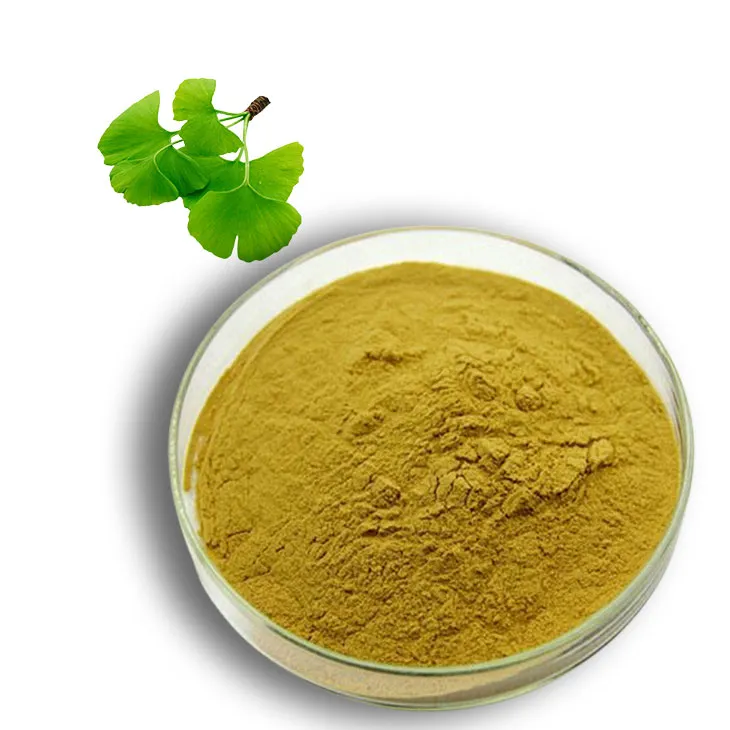
Soil Conditions
The soil in Trinidad and Tobago varies across different regions. Ginkgo biloba generally prefers well - drained, fertile soil. Some areas in Trinidad and Tobago may have soil types that can be amended to meet the requirements of ginkgo cultivation. Soil testing would be essential to determine the nutrient levels and pH. If the soil is too acidic or alkaline, appropriate amendments such as lime or sulfur could be added. Additionally, organic matter could be incorporated to improve soil structure and fertility.Integration into Local Traditional Medicine
Compatibility with Local Herbs
In Trinidad and Tobago, traditional medicine has a long - standing history with the use of local herbs. The introduction of Ginkgo Biloba Extract into local traditional medicine practices requires a thorough investigation of its compatibility with existing herbs. For instance, some local herbs may have synergistic effects when combined with ginkgo, while others may interact negatively. It is necessary to conduct in - vitro and in - vivo studies to understand these interactions. This could involve testing different combinations of ginkgo extract and local herbs on cell lines or in animal models.
Adoption in Local Remedies
Once the compatibility is established, the next step is to explore how ginkgo extract can be incorporated into local remedies. This could involve formulating new herbal mixtures or adding ginkgo extract to existing preparations. Local healers and traditional medicine practitioners would need to be educated about the properties and proper use of ginkgo extract. Community - based research and participation could be a valuable approach to ensure the successful adoption of ginkgo in local traditional medicine.Commercial Opportunities

Import and Processing
Trinidad and Tobago could consider importing Ginkgo Biloba Extract for further processing. This could include activities such as purification, encapsulation, or formulation into different dosage forms. The country has the potential to develop a niche market in the Caribbean region for processed ginkgo products. Importing the extract could also reduce the risks associated with establishing ginkgo plantations, especially considering the challenges related to climate and soil mentioned earlier.Distribution in the Caribbean
With its strategic location in the Caribbean, Trinidad and Tobago could serve as a distribution hub for Ginkgo biloba products. The extract could be distributed to other Caribbean islands, taking advantage of existing trade networks. This would require compliance with regional trade regulations and quality standards. Marketing strategies could focus on the health benefits of ginkgo, targeting both the general population and the growing health - conscious consumer segment in the Caribbean.Regulatory Aspects
Quality Control
Ensuring the quality of Ginkgo Biloba Extract is crucial. In Trinidad and Tobago, regulatory authorities need to establish strict quality control measures. This includes testing for the presence of contaminants, such as heavy metals and pesticides. The extract should also be standardized for its active ingredients, such as flavonoids and terpenoids. Regular inspections of manufacturing facilities, whether domestic or imported, should be carried out to ensure compliance with quality standards.Safe Use
While Ginkgo Biloba Extract has many potential health benefits, it also has some associated risks. Regulatory bodies in Trinidad and Tobago should monitor and regulate its use to ensure safe consumption. This may involve setting appropriate dosage guidelines, warning labels for potential side effects, and restrictions on its use in certain populations, such as pregnant women or those with bleeding disorders. Public education campaigns could also be launched to raise awareness about the proper use of ginkgo products.Conclusion
Ginkgo Biloba Extract presents both opportunities and challenges in Trinidad and Tobago. The feasibility of cultivation, integration into local traditional medicine, commercial prospects, and regulatory compliance all need to be carefully considered. By taking a holistic approach, Trinidad and Tobago can potentially harness the benefits of this extract while ensuring the safety and well - being of its population. Continued research and collaboration between different stakeholders, including government agencies, traditional medicine practitioners, and the scientific community, will be key to the successful development of Ginkgo biloba - related initiatives in Trinidad and Tobago.
FAQ:
Q1: What are the potential benefits of Ginkgo Biloba Extract in Trinidad and Tobago?
The extract has potential in treating cardiovascular diseases in Trinidad and Tobago, such as improving blood vessel elasticity and reducing platelet aggregation. It could also be integrated into local traditional medicine practices.
Q2: Is it feasible to introduce Ginkgo biloba plantations in Trinidad and Tobago?
To determine this, the climate and soil conditions in Trinidad and Tobago need to be analyzed.
Q3: How can Ginkgo Biloba Extract be integrated into local traditional medicine in Trinidad and Tobago?
It requires in - depth study of its compatibility with existing local herbs and remedies.
Q4: What are the commercial opportunities for Ginkgo Biloba Extract in Trinidad and Tobago?
Trinidad and Tobago could consider importing the extract for further processing and distribution in the Caribbean region.
Q5: What regulatory aspects need to be considered for Ginkgo Biloba Extract in Trinidad and Tobago?
Ensuring its safe use and proper quality control are important regulatory aspects to consider.
Related literature
- Ginkgo biloba: A Review of its Medicinal Properties"
- "The Potential of Ginkgo biloba in Tropical Climates: A Case Study"
- "Traditional Medicine and the Introduction of New Herbal Extracts: Lessons from Trinidad and Tobago"


-

Mulberry leaf Extract
2024-12-06
-

Citrus Aurantium Extract
2024-12-06
-

Lemon Extract
2024-12-06
-

Thunder God Vine Extract
2024-12-06
-

Tongkat Ali Extract
2024-12-06
-

Red Vine Extract
2024-12-06
-

Nutmeg Extract
2024-12-06
-

Coconut Water Powder
2024-12-06
-

Apple Vinegar Powder
2024-12-06
-

Konjac Powder
2024-12-06