


1. Introduction
Ginseng, a well - known plant in the world of traditional medicine, has been highly regarded for its potential health - enhancing properties. Ginseng root and its extract are two forms that are commonly used, but they have different characteristics. Understanding these differences is crucial for consumers who want to make the best choice based on their specific needs. This article will explore the various aspects of ginseng root and Ginseng Root Extract, including their composition, benefits, and applications in different fields such as health and beauty.
2. Ginseng Root: The Natural Source
2.1 Composition
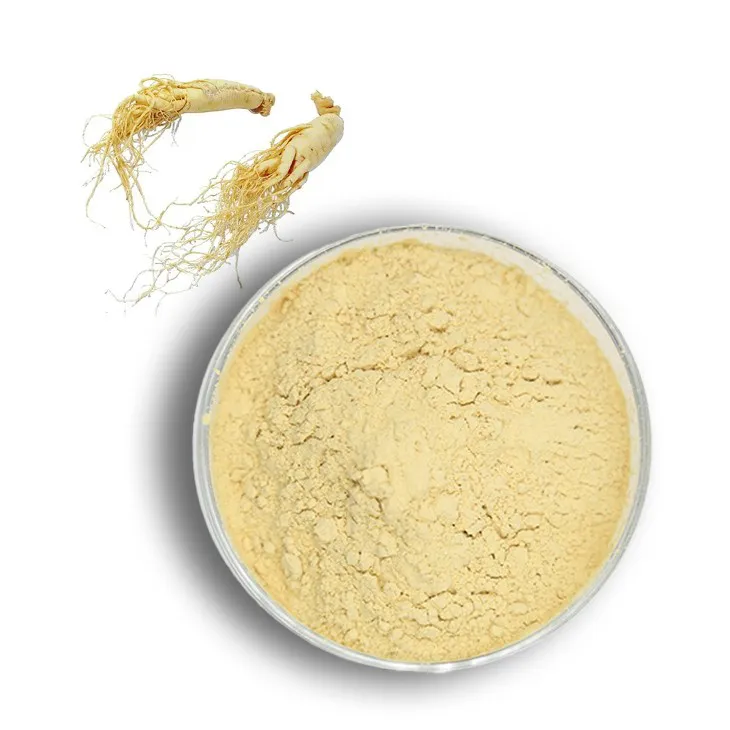
Ginseng root, in its natural form, is a complex repository of numerous compounds. It contains ginsenosides, which are the primary active components. These ginsenosides are responsible for many of the physiological effects associated with ginseng. Additionally, the root also contains polysaccharides, flavonoids, and volatile oils. The combination of these elements gives ginseng root its unique properties.
2.2 Traditional Use
For centuries, ginseng root has been used in traditional medicine systems, especially in Asian cultures. It was often used to boost energy levels and improve the body's resistance to stress. In traditional Chinese medicine, it was considered a valuable herb for promoting overall well - being. It was prescribed for people with weak constitutions, those recovering from illness, or those experiencing fatigue. Ginseng root was typically consumed in the form of decoctions, where the root was simmered in water to extract its beneficial components.

2.3 Modern Health Benefits
- Immune System Support: Ginseng root may help enhance the immune system. The polysaccharides present in the root are thought to stimulate the immune cells, thus helping the body fight off infections more effectively.
- Improved Cognitive Function: Some studies suggest that ginseng root can have a positive impact on cognitive abilities. It may improve memory, concentration, and mental clarity. This could be attributed to the ginsenosides, which are believed to influence neurotransmitter function in the brain.
- Stress Reduction: Ginseng root has adaptogenic properties, meaning it can help the body adapt to stress. It may regulate the body's stress hormones, such as cortisol, and reduce the negative impacts of chronic stress on the body.
3. Ginseng Root Extract: The Concentrated Form

3.1 Production Process
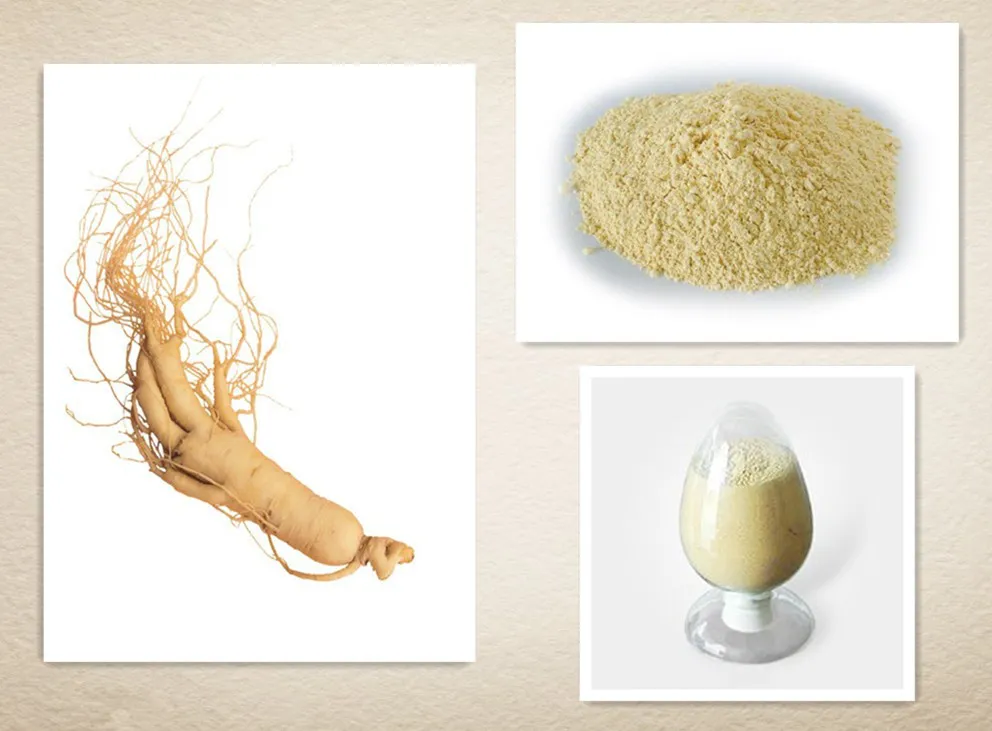
Ginseng Root Extract is produced through a process of extraction, which aims to isolate and concentrate the active components from the ginseng root. There are various extraction methods, including solvent extraction and supercritical fluid extraction. Solvent extraction uses solvents such as ethanol or water to dissolve the active compounds from the root. Supercritical fluid extraction, on the other hand, uses supercritical carbon dioxide, which is a more environmentally friendly and efficient method. The resulting extract is a concentrated form of ginseng, containing a higher proportion of the active components compared to the raw root.

3.2 Composition and Potency
Since it is a concentrated form, Ginseng Root Extract typically has a higher concentration of ginsenosides. This increased concentration may lead to more potent effects. However, the extraction process may also result in the loss or alteration of some of the other components present in the raw root, such as the polysaccharides. The composition of the extract can vary depending on the extraction method used and the quality of the raw ginseng root.
3.3 Targeted Benefits
- Specific Health Conditions: Ginseng Root Extract may be more suitable for targeting specific health conditions. For example, in cases of erectile dysfunction, certain Ginseng Root Extracts have been studied for their potential to improve sexual function. The high concentration of ginsenosides in the extract may play a role in enhancing blood flow and improving sexual performance.
- Performance Enhancement: In the field of sports and fitness, Ginseng Root Extract is sometimes used to enhance athletic performance. It may increase endurance, reduce muscle fatigue, and improve recovery time. Athletes may prefer the extract form as it can provide a more concentrated dose of the beneficial components.
4. Applications in Health
4.1 General Health Maintenance
- For general health maintenance, both ginseng root and its extract can be beneficial. Ginseng root can be consumed as a tea or added to soups, providing a more natural and gentle approach to incorporating ginseng into the diet. It can help maintain a healthy immune system, improve energy levels, and promote overall well - being over time.
- Ginseng Root Extract, on the other hand, can be taken in supplement form for a more targeted boost. For those who are looking for a quick improvement in energy or a specific health benefit, the extract may be a better option. However, it is important to follow the recommended dosage to avoid potential side effects.
4.2 Chronic Disease Prevention
- Some research suggests that ginseng root may have a role in chronic disease prevention. For example, it may help reduce the risk of cardiovascular diseases by improving blood lipid profiles and reducing blood pressure. The polysaccharides in ginseng root may also have anti - inflammatory properties, which could be beneficial in preventing chronic inflammatory diseases such as arthritis.
- Ginseng Root Extract, with its higher concentration of active components, may potentially have a stronger impact on chronic disease prevention. However, more research is needed to fully understand its effectiveness in this regard.
5. Applications in Beauty
5.1 Skin Health
- Ginseng root has been used in traditional beauty remedies for its potential to improve skin health. It may help improve skin complexion, reduce wrinkles, and increase skin elasticity. The antioxidants present in ginseng root, such as flavonoids, can help protect the skin from oxidative stress, which is one of the main causes of skin aging.
- Ginseng Root Extract, with its concentrated active components, can be used in high - end skin care products. It can be formulated into creams, serums, and masks to provide more intensive skin - rejuvenating effects. The high concentration of ginsenosides in the extract may stimulate skin cell regeneration, resulting in a more youthful and radiant complexion.
5.2 Hair Health
- In traditional medicine, ginseng root has also been used for hair health. It may help strengthen hair follicles, prevent hair loss, and promote hair growth. The nutrients in ginseng root can nourish the scalp and improve the overall health of the hair.
- Ginseng Root Extract can be incorporated into hair care products such as shampoos and conditioners. The concentrated active components can penetrate deep into the hair follicles, providing more effective treatment for hair problems. For example, it may stimulate dormant hair follicles to start growing hair again, resulting in thicker and healthier hair.
6. Considerations for Choosing
6.1 Quality and Source
When choosing between ginseng root and its extract, the quality and source of the product are of utmost importance.
- For ginseng root, it is essential to ensure that it is sourced from a reputable supplier. Look for ginseng roots that are of high quality, free from contaminants, and properly dried and stored. Different types of ginseng, such as Panax ginseng and American ginseng, may also have different properties, so it is important to choose the type that suits your needs.
- For Ginseng Root Extract, check the extraction method used. High - quality extracts are usually produced using advanced extraction techniques that preserve the integrity of the active components. Also, look for products that are tested for purity and potency, and choose extracts that are standardized to a certain percentage of ginsenosides for consistent results.
6.2 Dosage and Side Effects
- Both ginseng root and its extract should be used in appropriate dosages. Taking too much ginseng can lead to side effects such as insomnia, nervousness, and increased blood pressure. For ginseng root, the dosage can vary depending on how it is prepared and consumed. For example, if consumed as a tea, a small amount of root (about 1 - 2 grams) per cup may be sufficient.
- For Ginseng Root Extract, the recommended dosage is usually specified on the product label. It is important to follow these guidelines to avoid over - consumption. People with certain medical conditions, such as high blood pressure or diabetes, should consult their healthcare provider before using ginseng products, as ginseng may interact with medications.
6.3 Cost - effectiveness
- Cost is also a factor to consider. Ginseng root may be relatively more affordable if purchased in its natural form, especially if you are using it for general health maintenance. However, if you are looking for a more concentrated and targeted benefit, Ginseng Root Extract may be a better investment despite its higher cost. Consider your budget and the long - term benefits when making a decision.
7. Conclusion
In conclusion, both ginseng root and Ginseng Root Extract offer a range of potential health and beauty benefits. Ginseng root, in its natural form, provides a more holistic approach with a complex array of compounds, while Ginseng Root Extract offers a more concentrated form with potentially more targeted benefits. When choosing between the two, it is important to consider factors such as quality, dosage, side effects, and cost - effectiveness. By making an informed choice based on your specific needs, you can effectively incorporate ginseng into your health and beauty routine.
FAQ:
What are the main compounds in ginseng root?
Ginseng root contains a variety of compounds, such as ginsenosides, polysaccharides, peptides, and amino acids. Ginsenosides are often considered one of the most important components, which are believed to contribute to many of its potential health - promoting effects.
How does Ginseng Root Extract differ from ginseng root in terms of potency?
Ginseng Root Extract is a concentrated form. This means that it generally has a higher concentration of the active compounds compared to the raw ginseng root. So, it may have a more potent effect when it comes to delivering specific benefits, but it also depends on how it is processed and what part of the root is used for extraction.
Can ginseng root be used for beauty purposes?
Yes, ginseng root can be used for beauty purposes. It may help improve skin health by potentially increasing blood circulation in the skin, which can give the skin a healthier glow. It also has antioxidant properties that can protect the skin from free - radical damage, potentially reducing signs of aging.
What are the potential health benefits of Ginseng Root Extract?
Ginseng Root Extract may offer several potential health benefits. It could enhance cognitive function, boost the immune system, increase energy levels, and may have anti - inflammatory properties. However, more research is still needed to fully understand all of its effects and how it can be best utilized for different health conditions.
How should one choose between ginseng root and Ginseng Root Extract?
The choice between ginseng root and Ginseng Root Extract depends on your specific needs. If you prefer a more natural and whole - food approach, ginseng root might be a better choice. But if you are looking for more concentrated and potentially more targeted benefits, such as for a specific health concern, Ginseng Root Extract could be more suitable. Also, consider factors like ease of use, as the extract may be easier to incorporate into certain products or regimens.
Related literature
- The Pharmacological Properties of Ginseng Root"
- "Ginseng Root Extract: Production and Health Applications"
- "Comparative Analysis of Ginseng Root and Its Extract in Traditional Medicine"


-

Hesperidin
2024-12-13
-

Buckthorn bark extract
2024-12-13
-

Grape Leaf Extract
2024-12-13
-

Red Vine Extract
2024-12-13
-

Selenium yeast
2024-12-13
-

Rutin
2024-12-13
-

Hericium erinaceus extract powder
2024-12-13
-

Cranberry Extract
2024-12-13
-

Maitake Mushroom Extract
2024-12-13
-

Citrus Aurantii Extract
2024-12-13