


Introduction
In the world of herbal remedies and natural products, both Ginseng Root Extract and a plethora of other herbal ingredients play significant roles. Ginseng has long been revered in traditional medicine systems, particularly in Asian cultures. However, there are numerous other herbal ingredients with their own unique properties. This article aims to explore which might prevail when comparing Ginseng Root Extract to other herbal ingredients, considering factors such as chemical composition, biological activities, and market prevalence.
Chemical Composition
Ginseng Root Extract
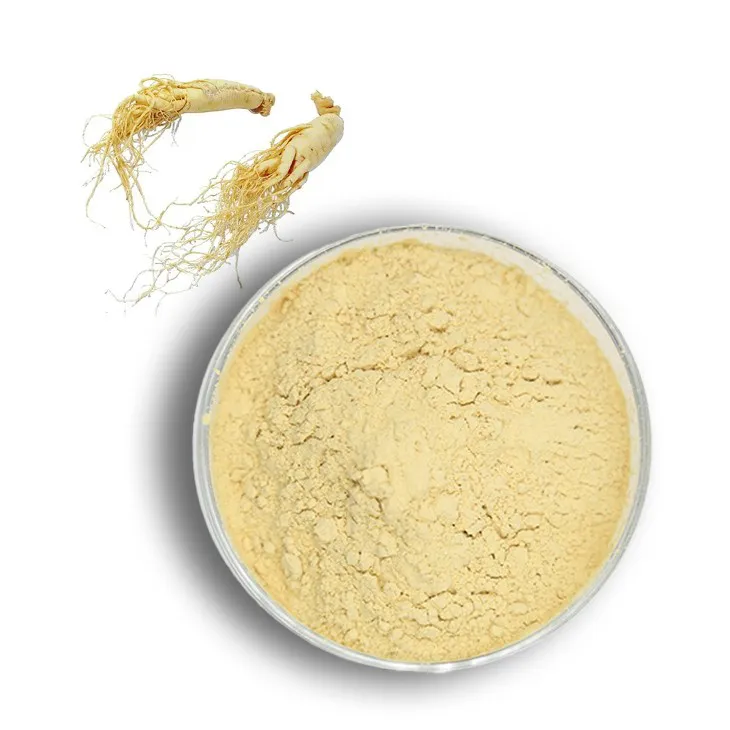
Ginseng Root Extract is rich in a variety of chemical compounds. One of the most notable groups is the ginsenosides. These are steroid - like saponins that are believed to be responsible for many of ginseng's pharmacological effects. Ginsenosides can be divided into different types, such as Ra, Rb1, Rb2, Rc, Rd, Re, Rf, Rg1, and Rg2. Each type may have slightly different functions, for example, some ginsenosides are thought to have adaptogenic properties, helping the body to adapt to stress.
In addition to ginsenosides, Ginseng Root Extract also contains polysaccharides. These complex carbohydrates are associated with immune - modulating effects. They can enhance the activity of immune cells, such as macrophages and lymphocytes, thus potentially strengthening the body's defense mechanisms against diseases.
Other Herbal Ingredients
Consider, for example, turmeric. The active compound in turmeric is Curcumin. Curcumin is a polyphenol with powerful antioxidant and anti - inflammatory properties. It has a unique chemical structure that allows it to scavenge free radicals in the body, which are unstable molecules that can cause damage to cells and contribute to various diseases such as cancer and heart disease.
Another example is milk thistle. Milk thistle contains silymarin, which is a complex of flavonolignans. Silymarin is mainly known for its hepatoprotective effects. It can protect the liver from damage caused by toxins, such as alcohol and certain drugs. It also has antioxidant properties and may help in regenerating liver cells.
When comparing the chemical composition, it is difficult to simply say that one is more "dominant" than the other. Ginseng Root Extract has its own set of compounds with diverse effects, but so do other herbal ingredients. Each compound serves different purposes in the body, and their effectiveness may depend on the specific health condition or need.
Biological Activities

Ginseng Root Extract
Ginseng Root Extract has been shown to have multiple biological activities. One of its well - known effects is its adaptogenic activity. This means that it can help the body to better cope with physical and mental stress. For example, in a study on athletes, ginseng supplementation was found to improve endurance and reduce fatigue during exercise.
It also has potential cognitive - enhancing effects. Some research suggests that ginseng may improve memory, concentration, and learning ability. This could be due to its influence on neurotransmitter levels in the brain, such as acetylcholine.
In terms of its effect on the cardiovascular system, ginseng may have a positive impact. It has been shown to potentially lower blood pressure, improve blood circulation, and reduce the risk of heart disease. However, more research is still needed to fully understand these mechanisms.

Other Herbal Ingredients
Turmeric's Curcumin, as mentioned before, has strong anti - inflammatory activities. Chronic inflammation is associated with many diseases, including autoimmune disorders and certain cancers. By reducing inflammation, Curcumin may help in preventing or treating these conditions.
Milk thistle's silymarin is highly effective in protecting the liver. It can prevent liver fibrosis, which is the formation of scar tissue in the liver, and may also reverse some of the early stages of liver damage. In patients with liver diseases such as hepatitis or cirrhosis, silymarin - containing supplements may be beneficial.
Ashwagandha, another popular herbal ingredient, has adaptogenic and stress - relieving properties similar to ginseng. It also has potential anti - anxiety and antidepressant effects. In a study on individuals with anxiety disorders, ashwagandha supplementation was shown to significantly reduce symptoms.
When considering biological activities, again, it is not straightforward to determine which ingredient prevails. Each herbal ingredient has its own areas of strength in terms of biological actions, and their relative importance may vary depending on the individual's health concerns. For example, for someone with liver problems, milk thistle may be more crucial, while for those looking to improve stress tolerance, both ginseng and ashwagandha could be considered.
Market Prevalence

Ginseng Root Extract
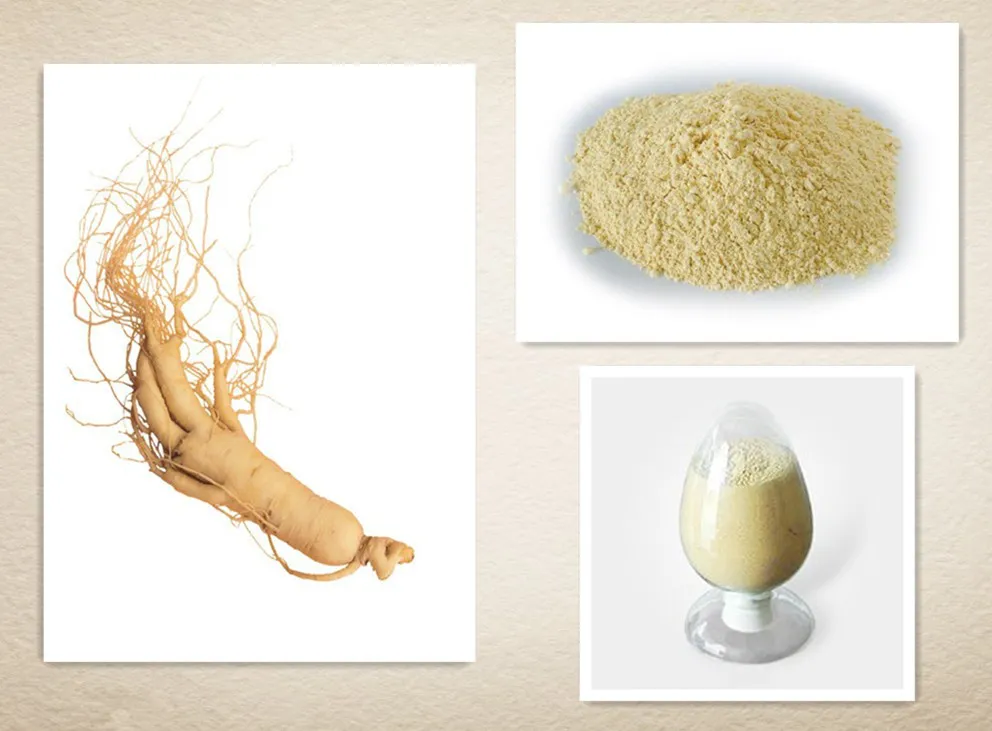
Ginseng Root Extract has a significant presence in the global market. It is widely used in various forms, such as capsules, tablets, and tinctures. In the health and wellness industry, ginseng - based products are often marketed as energy boosters, stress relievers, and cognitive enhancers.
In Asian markets, especially in countries like South Korea and China, ginseng has a long - standing cultural and economic importance. It is used not only in traditional medicine but also in modern health products. The global demand for ginseng products has been steadily increasing, driven in part by the growing interest in natural remedies and the recognition of ginseng's potential health benefits.
Other Herbal Ingredients
Turmeric is also very popular in the market. Curcumin - based supplements are widely available, and turmeric has also found its way into the food industry. It is used as a spice in cooking, and turmeric - flavored products, such as turmeric lattes, have become trendy in recent years.
Milk thistle is well - known in the liver health market. There are many liver - support supplements that contain silymarin. It is often recommended by healthcare providers for patients with liver - related issues.
Ashwagandha is emerging as a popular herbal ingredient in the Western market. It is being promoted as a natural alternative to manage stress and anxiety. The market for ashwagandha - based products is growing rapidly, as more people are seeking natural solutions for mental health issues.
In terms of market prevalence, Ginseng Root Extract has a well - established market, but other herbal ingredients are also making their mark. The popularity of different herbal ingredients can vary depending on cultural factors, marketing efforts, and emerging health trends.
Traditional Knowledge vs. Scientific Research
Traditional Knowledge
Traditional knowledge has long been the basis for the use of Ginseng Root Extract and other herbal ingredients. In traditional Chinese medicine, ginseng has been used for thousands of years to tonify Qi (vital energy), improve digestion, and enhance overall vitality. This knowledge has been passed down through generations.
Similarly, turmeric has been used in Ayurvedic medicine in India for its anti - inflammatory and digestive properties. Milk thistle has a history of use in European herbal medicine for liver disorders. These traditional uses are often based on empirical observations over long periods of time.
Scientific Research
Scientific research on herbal ingredients is constantly evolving. While traditional knowledge provides a starting point, modern research uses advanced techniques to study the chemical composition, biological activities, and safety of these ingredients. For example, research on ginseng has gone from simply observing its effects in traditional medicine to conducting detailed studies on ginsenosides and their mechanisms of action.
However, there are still challenges in scientific research on herbal ingredients. The complex chemical composition of herbal extracts makes it difficult to isolate and study individual compounds. Also, the variability in the quality of herbal products in the market can affect research results.
In the comparison between Ginseng Root Extract and other herbal ingredients, both traditional knowledge and scientific research play important roles. Traditional knowledge gives an indication of potential uses, while scientific research helps to validate and further understand these uses.
Conclusion
In conclusion, when comparing Ginseng Root Extract to other herbal ingredients, there is no clear - cut answer as to which one prevails. Each herbal ingredient has its own unique chemical composition, biological activities, and market presence. Ginseng Root Extract has a rich history of use, diverse chemical components, and a wide range of potential health benefits. However, other herbal ingredients such as turmeric, milk thistle, and ashwagandha also have their own strengths in different areas.
The choice between Ginseng Root Extract and other herbal ingredients depends on various factors, including individual health needs, cultural background, and market availability. For those interested in herbal products for health, beauty, or other purposes, it is important to consider all these aspects and make an informed decision based on reliable information.
FAQ:
What are the main chemical components of Ginseng Root Extract?
Ginseng Root Extract contains various chemical components, such as ginsenosides. Ginsenosides are a group of triterpene saponins that are considered to be the main active ingredients in ginseng. They have been associated with multiple biological activities, including antioxidant, anti - inflammatory, and immunomodulatory effects.
What are the typical biological activities of other herbal ingredients?
There are numerous herbal ingredients with diverse biological activities. For example, chamomile contains flavonoids and terpenoids which have anti - inflammatory and calming effects. Turmeric contains Curcuminoids which are known for their antioxidant and anti - inflammatory properties. Each herbal ingredient has its own unique set of bioactive compounds that contribute to different functions such as promoting digestion, improving skin health, or enhancing the immune system.
How is the market prevalence of Ginseng Root Extract compared to other herbal ingredients?
The market prevalence of Ginseng Root Extract and other herbal ingredients can vary depending on several factors. Ginseng has a long - standing reputation in traditional medicine systems like Traditional Chinese Medicine and Korean medicine, which has contributed to its relatively high market prevalence in regions where these traditions are respected. However, in recent years, other herbal ingredients like ashwagandha have also gained significant popularity due to increased research on their health benefits. In the global market, trends in consumer awareness, availability of scientific evidence, and marketing efforts all play a role in determining the relative prevalence of different herbal ingredients.
Can Ginseng Root Extract be combined with other herbal ingredients?
Yes, Ginseng Root Extract can be combined with other herbal ingredients. In fact, many herbal formulations combine multiple ingredients to achieve synergistic effects. For example, in some traditional medicine formulas, ginseng may be combined with licorice root to enhance its adaptogenic properties. However, when combining herbal ingredients, it is important to consider potential interactions, both positive and negative. Some combinations may enhance the desired biological activities, while others may lead to unwanted side effects or reduced efficacy.
How is the safety profile of Ginseng Root Extract compared to other herbal ingredients?
The safety profile of Ginseng Root Extract and other herbal ingredients varies. Ginseng Root Extract is generally considered safe when used appropriately, but it may cause side effects such as insomnia, nervousness, or gastrointestinal discomfort in some individuals, especially at high doses. Different herbal ingredients have their own safety considerations. For example, some herbs may interact with medications or be contraindicated in certain medical conditions. It is crucial to research and understand the safety aspects of each herbal ingredient before use, and when in doubt, consult a healthcare professional.
Related literature
- Ginseng: A Review of Its Efficacy and Safety"
- "Comparative Analysis of Herbal Ingredients: Biological Activities and Applications"
- "The Market of Herbal Extracts: Ginseng and Beyond"


-

Vitamin B6
2025-01-08
-

Camu Camu Extract
2025-01-08
-

Mulberry Extract
2025-01-08
-

Coenzyme Q10
2025-01-08
-

L-carnitine
2025-01-08
-

Buckthorn bark extract
2025-01-08
-

Hedyotis Diffusa Extract
2025-01-08
-

Passionflower Extract
2025-01-08
-

Cassia Seed Extract
2025-01-08
-

Lily extract
2025-01-08