


1. Introduction
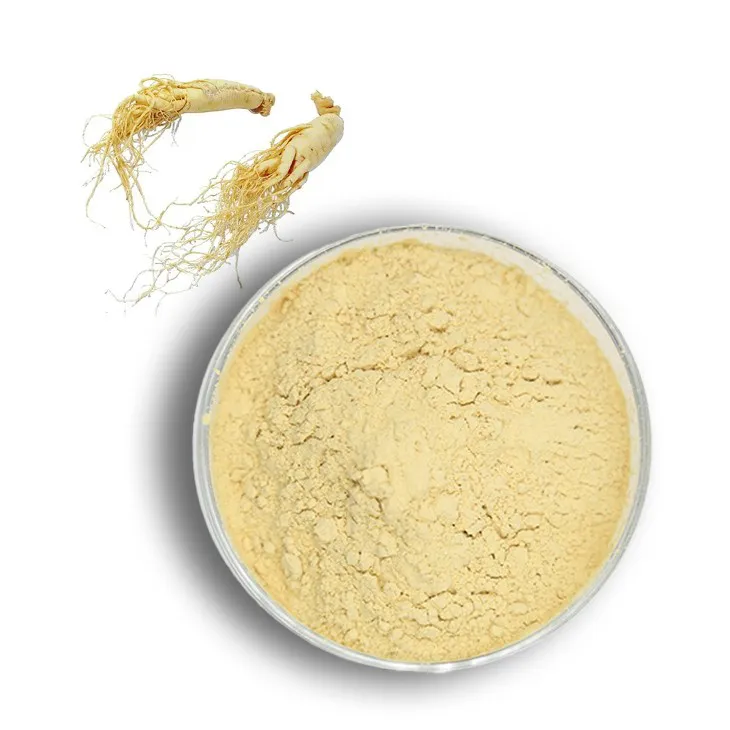
Ginseng has been a highly valued plant in traditional medicine systems for centuries, especially in Asian countries like China, Korea, and Japan. Ginseng Root Extract is now gaining significant attention worldwide due to its potential health benefits. This extract is being incorporated into a wide range of products in the modern healthcare and wellness markets. Understanding the manufacturing process of Ginseng Root Extract and predicting its future demand growth are crucial for various stakeholders, including manufacturers, healthcare providers, and investors.
2. Manufacturing Process of Ginseng Root Extract
2.1 Raw Material Selection
The first step in manufacturing Ginseng Root Extract is the careful selection of raw materials. High - quality ginseng roots are essential for producing a good - quality extract. Ginseng plants are typically grown in specific regions with suitable soil, climate, and altitude conditions. The age of the root also matters; older roots are often considered more potent. For example, in traditional Chinese medicine, ginseng roots that are at least 4 - 6 years old are preferred. Growers need to ensure proper cultivation practices to obtain healthy roots. This includes appropriate watering, fertilization, and pest control.
2.2 Cleaning and Preparation
Once the ginseng roots are harvested, they need to be thoroughly cleaned. Any dirt, debris, or damaged parts of the root are removed. After cleaning, the roots are usually dried to a certain moisture level. This drying process can be done either naturally in the sun or using artificial drying methods in a controlled environment. Drying helps in preserving the roots and also makes the extraction process more efficient. The dried roots are then cut or ground into smaller pieces to increase the surface area for extraction.

2.3 Extraction Methods
There are several methods for extracting the active compounds from ginseng roots:
- Solvent Extraction: This is one of the most common methods. Organic solvents such as ethanol or methanol are used to dissolve the active compounds from the ginseng root powder. The solvent is then separated from the residue, and the resulting solution contains the Ginseng Root Extract. The choice of solvent can affect the composition and quality of the extract. For example, ethanol - based extracts are often preferred for their safety and compatibility with subsequent processing steps.
- Water Extraction: Water can also be used as a solvent for extraction. This method is more suitable for obtaining water - soluble compounds from ginseng roots. However, water extraction may also extract some unwanted substances along with the active compounds. The water extract is usually concentrated through evaporation to obtain a more potent extract.
- Supercritical Fluid Extraction: This is a relatively advanced extraction method. Supercritical carbon dioxide is used as the extraction medium. It has the advantages of being non - toxic, non - flammable, and having a relatively low critical temperature and pressure. Supercritical fluid extraction can selectively extract specific compounds from ginseng roots with high purity.

2.4 Purification and Concentration
After extraction, the Ginseng Root Extract may contain impurities and need to be purified. Purification methods can include filtration, centrifugation, and chromatography techniques. Filtration can remove large particles and debris, while centrifugation can separate substances based on their density differences. Chromatography, such as high - performance liquid chromatography (HPLC), can be used to separate and purify specific active compounds in the extract. Once purified, the extract is often concentrated to increase its potency. Concentration can be achieved through evaporation under reduced pressure or other techniques.

2.5 Quality Control
Quality control is a crucial step in the manufacturing process of Ginseng Root Extract. Various parameters are tested to ensure the quality and safety of the extract. These parameters include the content of active compounds such as ginsenosides (the main bioactive components in ginseng), heavy metal content, microbial contamination, and pesticide residues. Analytical techniques like HPLC and gas chromatography - mass spectrometry (GC - MS) are used to accurately measure these parameters. Only extracts that meet the specified quality standards are allowed for further processing or packaging.
2.6 Packaging and Storage
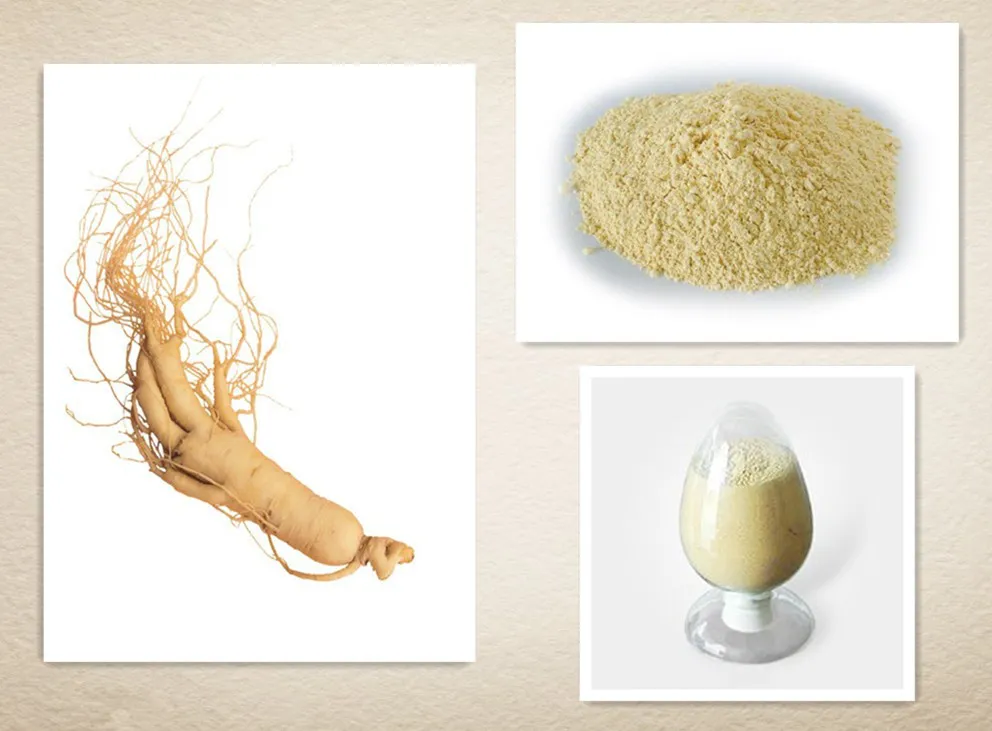
Once the Ginseng Root Extract has passed quality control, it is packaged in appropriate containers. The packaging should protect the extract from light, moisture, and oxygen to maintain its stability. Common packaging materials include amber - colored glass bottles or laminated aluminum pouches. The packaged extract should be stored in a cool, dry place to prevent degradation. Proper storage conditions can ensure the shelf - life of the extract, which is important for its commercial viability.
3. Applications of Ginseng Root Extract
3.1 Traditional Medicine
In traditional medicine, Ginseng Root Extract has been used for a variety of purposes. It is believed to have adaptogenic properties, which means it can help the body adapt to stress. It has been used to improve energy levels, enhance mental clarity, and boost the immune system. For example, in traditional Chinese medicine, ginseng is often prescribed for patients with weak qi (vital energy) or those recovering from illness. In Korean traditional medicine, ginseng is a key ingredient in many herbal formulations for treating various ailments.
3.2 Modern Healthcare
Ginseng Root Extract is also finding applications in modern healthcare:
- Pharmaceutical Products: Some pharmaceutical companies are researching and developing drugs based on Ginseng Root Extract. Ginsenosides have shown potential in treating certain diseases such as diabetes, cardiovascular diseases, and cancer. For example, some studies suggest that certain ginsenosides can help regulate blood sugar levels in diabetic patients.
- Nutraceuticals: Ginseng Root Extract is widely used in nutraceutical products. These are products that are positioned between food and pharmaceuticals, providing health benefits. Ginseng - based nutraceuticals are available in various forms such as capsules, tablets, and powders. They are often marketed as supplements for improving energy, reducing fatigue, and enhancing cognitive function.
3.3 Wellness Market
The wellness market has also embraced Ginseng Root Extract. It is used in products such as energy drinks, teas, and skincare products. In energy drinks, Ginseng Root Extract is added to provide an extra boost of energy. In teas, it offers a natural and healthy alternative to caffeinated beverages. In skincare, Ginseng Root Extract is believed to have antioxidant and anti - aging properties. It can help improve skin elasticity, reduce wrinkles, and protect the skin from environmental damage.
4. Factors Influencing Future Demand Growth
4.1 Increasing Awareness of Health and Wellness
The global trend towards a greater awareness of health and wellness is a significant factor driving the demand for Ginseng Root Extract. Consumers are becoming more conscious about their health and are actively seeking natural products to improve their well - being. Ginseng Root Extract, with its reputation for having multiple health benefits, is an attractive option. This trend is further supported by the growing popularity of alternative and complementary medicine.
4.2 Aging Population
As the global population ages, there is an increased demand for products that can help with age - related health issues. Ginseng Root Extract's potential in improving energy levels, cognitive function, and overall health makes it a promising product for the aging population. For example, as people get older, they may experience a decline in cognitive abilities, and Ginseng Root Extract may offer some protection or improvement in this area.
4.3 Research and Development
Continuous research and development in the field of Ginseng Root Extract are uncovering new potential applications and health benefits. As more scientific evidence is gathered about the effectiveness of Ginseng Root Extract in treating various diseases and improving health, it will likely lead to an increase in demand. For instance, ongoing research on the anti - cancer properties of ginsenosides may open up new markets for Ginseng Root Extract - based products in the oncology sector.
4.4 Expansion of the Wellness and Healthcare Industries
The wellness and healthcare industries are expanding globally. This expansion provides more opportunities for the integration of Ginseng Root Extract into various products. With the growth of the nutraceutical, pharmaceutical, and cosmetic industries, there will be a greater demand for high - quality Ginseng Root Extract. For example, the increasing number of nutraceutical product launches in emerging markets is expected to drive the demand for Ginseng Root Extract.
5. Challenges and Opportunities
5.1 Challenges
There are several challenges in the production and marketing of Ginseng Root Extract:
- Quality Control and Standardization: Ensuring consistent quality and standardization across different batches of Ginseng Root Extract can be difficult. Variations in raw materials, extraction methods, and processing conditions can lead to differences in the composition and quality of the extract. This can pose challenges in meeting regulatory requirements and consumer expectations.
- Regulatory Hurdles: The regulatory environment for Ginseng Root Extract can be complex. Different countries may have different regulations regarding its use in food, pharmaceuticals, and cosmetics. For example, some countries may require more extensive safety testing before allowing Ginseng Root Extract - based products to be marketed.
- Competition from Synthetic Alternatives: There is competition from synthetic alternatives in some applications. For example, in the energy - boosting market, synthetic stimulants may be cheaper and more readily available than Ginseng Root Extract. Manufacturers need to find ways to differentiate their products based on the unique properties of Ginseng Root Extract.
5.2 Opportunities
Despite the challenges, there are also significant opportunities:
- Market Diversification:Ginseng Root Extract are wide - ranging, from traditional medicine to modern healthcare and the wellness market. Manufacturers can explore new markets and product categories to diversify their revenue streams. For example, developing ginseng - based skincare products for the growing beauty market.
- Value - Added Products: By further processing and formulating Ginseng Root Extract into value - added products, such as high - potency nutraceuticals or cosmeceuticals, manufacturers can command higher prices and increase their profit margins.
- International Expansion: With the increasing global interest in Ginseng Root Extract, there are opportunities for international expansion. Manufacturers can target emerging markets where the demand for natural health products is on the rise.
6. Conclusion
The manufacturing process of Ginseng Root Extract involves multiple steps from raw material selection to packaging and storage. The extract has diverse applications in traditional medicine, modern healthcare, and the wellness market. The future demand for Ginseng Root Extract is likely to grow due to factors such as increasing health awareness, an aging population, research and development, and industry expansion. However, there are also challenges in terms of quality control, regulation, and competition. By addressing these challenges and seizing the opportunities, manufacturers can contribute to the growth of the Ginseng Root Extract industry and meet the growing demand for this valuable natural product.
FAQ:
What are the main steps in the manufacturing process of Ginseng Root Extract?
The manufacturing process of Ginseng Root Extract typically involves several steps. First, the ginseng roots are carefully harvested and cleaned to remove dirt and impurities. Then, they may be dried to a certain moisture level. Next, extraction methods such as solvent extraction or supercritical fluid extraction can be used. Solvent extraction often uses ethanol or water - based solvents to draw out the active compounds from the ginseng roots. In supercritical fluid extraction, carbon dioxide under supercritical conditions is used. After extraction, the resulting extract may be further purified, concentrated, and then dried to obtain the final Ginseng Root Extract product.
What are the key active compounds in Ginseng Root Extract?
Ginseng Root Extract contains several key active compounds. Ginsenosides are among the most important ones. These are a group of steroid - like compounds that are believed to be responsible for many of ginseng's health - promoting effects. Other compounds include polysaccharides, which may play a role in immune modulation, and flavonoids that contribute to antioxidant properties.
How is Ginseng Root Extract used in traditional medicine?
In traditional medicine, Ginseng Root Extract has been used for centuries. It is often used to boost energy and vitality. For example, in traditional Chinese medicine, it is considered a tonic for the Qi (vital energy). It has also been used to improve cognitive function, enhance the immune system, and help with various conditions related to fatigue, weakness, and stress. It can be consumed as a decoction (a boiled extract), in powdered form, or in herbal formulations.
What are the applications of Ginseng Root Extract in modern healthcare?
In modern healthcare, Ginseng Root Extract has a range of applications. It is being studied for its potential in managing chronic diseases such as diabetes, as it may help regulate blood sugar levels. It also shows promise in cardiovascular health, potentially reducing blood pressure and improving lipid profiles. Additionally, its antioxidant and anti - inflammatory properties may be beneficial in the prevention and treatment of neurodegenerative diseases like Alzheimer's and Parkinson's. Some ginseng - based products are also used as dietary supplements to support overall health and well - being.
What factors are driving the future demand growth of Ginseng Root Extract?
Several factors are driving the future demand growth of Ginseng Root Extract. The increasing interest in natural and herbal remedies is a significant factor. As more people are turning away from synthetic drugs and towards natural alternatives, Ginseng Root Extract, with its long history of use in traditional medicine, is becoming more popular. The expanding wellness market, which focuses on preventive healthcare and overall well - being, also plays a role. Additionally, ongoing research into its potential health benefits is uncovering new applications, which is further fueling the demand.
Related literature
- Ginseng: A Review of its Efficacy and Uses in Traditional and Modern Medicine"
- "Manufacturing Techniques and Quality Control of Ginseng Root Extracts"
- "The Future of Ginseng in the Global Health and Wellness Market"


-

Saw Palmetto Extract
2024-12-06
-

Lemon Extract
2024-12-06
-

Vitamin C
2024-12-06
-

Propolis Extract Powder
2024-12-06
-

L-carnitine
2024-12-06
-

L-Cysteine
2024-12-06
-

Epimedium extract powder
2024-12-06
-

Lotus leaf extract
2024-12-06
-

Black Garlic Extract
2024-12-06
-

Red Date Extract
2024-12-06