


Introduction
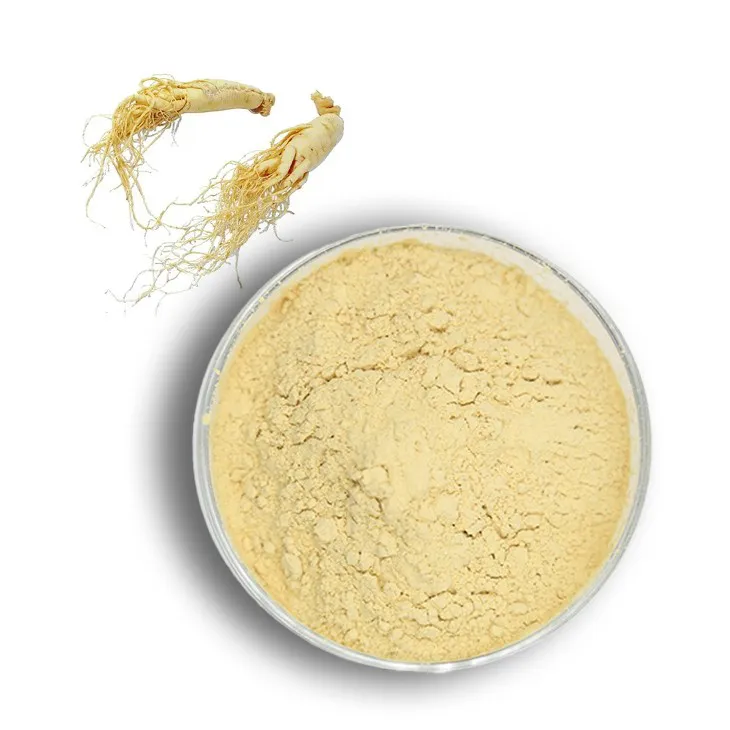
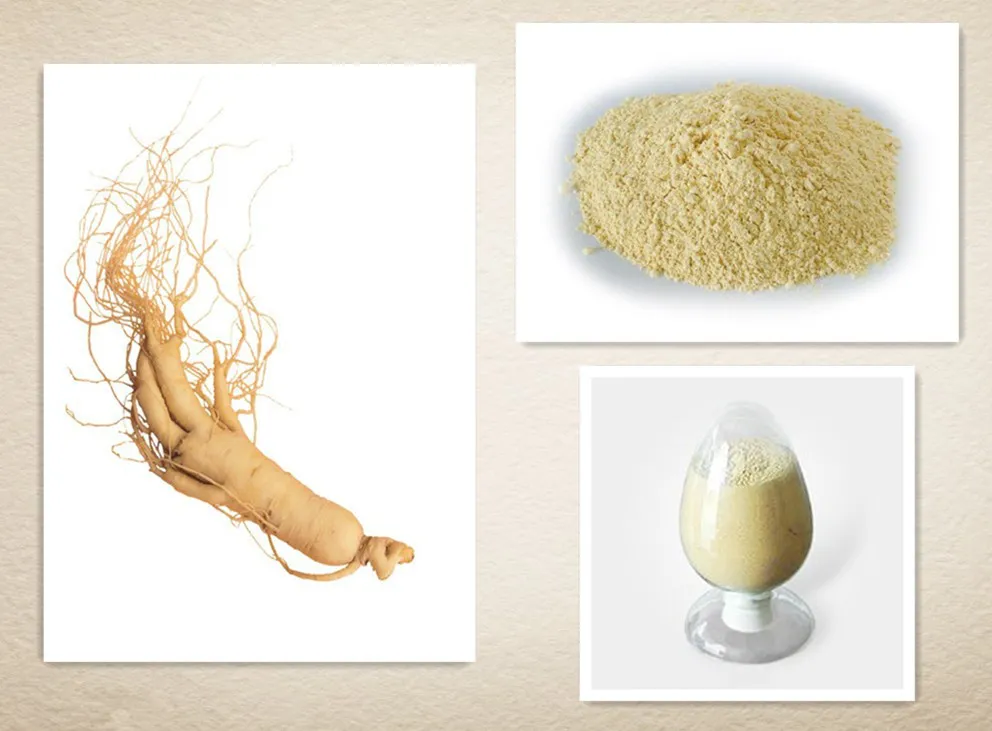
Ginseng Root Extract is a highly valuable natural product that has witnessed a continuously expanding global market in recent years. This growth can be attributed to its numerous health - beneficial properties and its increasing acceptance in both traditional and modern medicinal and wellness applications. Suppliers and exporters are the crucial cogs in the wheel that make this product accessible on a global scale.
Role of Suppliers
Quality Sourcing
Suppliers form the bedrock of the Ginseng Root Extract supply chain. Their primary task is to identify and obtain high - quality ginseng roots. This is not a straightforward process as it involves a comprehensive assessment of multiple factors. Root age is a significant consideration. Older ginseng roots are often considered more potent and valuable due to the higher concentration of active ingredients they may contain. For instance, in the case of Panax ginseng, roots that are six years old or more are highly prized.The origin of the ginseng roots also plays a vital role. Different regions may produce ginseng with distinct characteristics. For example, Korean ginseng is renowned for its unique flavor and high - quality properties. Additionally, the soil, climate, and altitude of the origin can influence the quality of the roots.
Another crucial aspect is the absence of contaminants. Ginseng roots should be free from pesticides, heavy metals, and other harmful substances. Suppliers need to implement strict quality control measures to ensure that the sourced roots meet the highest standards. This may involve conducting regular tests in accredited laboratories.
Research and Development
Suppliers also play an important role in research and development (R & D). They are constantly exploring new extraction methods to preserve the integrity of the active ingredients in ginseng. Traditional extraction methods may not always be the most efficient or may sometimes lead to the degradation of certain beneficial compounds.For example, modern extraction techniques such as supercritical fluid extraction (SFE) are being investigated. SFE uses carbon dioxide under specific pressure and temperature conditions to extract the active ingredients. This method has the potential to produce a purer and more potent Ginseng Root Extract compared to traditional solvent - based extraction methods.
Moreover, suppliers are also researching ways to enhance the bioavailability of the Ginseng Root Extract. Bioavailability refers to the proportion of a drug or other substance that enters the circulation when introduced into the body and so is available for its intended biological effect. By improving bioavailability, the effectiveness of Ginseng Root Extract in various applications can be significantly increased.
Role of Exporters

Market Expansion
Exporters of Ginseng Root Extract are key players in broadening the market reach of this product. They need to have a deep understanding of the cultural differences and market trends in different countries.In Asian countries, Ginseng Root Extract has a long - standing history in traditional medicine. For example, in China, ginseng has been used in traditional Chinese medicine for thousands of years. It is often used in the form of decoctions, tinctures, or as an ingredient in herbal formulas. In South Korea, ginseng is a significant part of the traditional medicine system, and products like ginseng tea and ginseng supplements are very popular.
In Western countries, on the other hand, Ginseng Root Extract is increasingly being incorporated into modern health and wellness products. It can be found in dietary supplements, energy drinks, and even in some skincare products. Exporters need to be able to adapt their marketing strategies according to these different market demands.

Compliance with Regulations
Exporters must also ensure compliance with environmental regulations during packaging and transportation. With the growing emphasis on sustainability in international trade, this has become an essential aspect of the business.During packaging, exporters should use eco - friendly materials. For example, they can opt for biodegradable plastics or recycled paper - based packaging. This not only reduces the environmental impact but also meets the expectations of environmentally - conscious consumers.
In terms of transportation, exporters need to ensure that the Ginseng Root Extract is transported under appropriate conditions. This includes maintaining the correct temperature and humidity levels to prevent spoilage. Additionally, they need to comply with international regulations regarding the transportation of natural products, such as those related to customs clearance and phytosanitary requirements.
Challenges Faced by Suppliers and Exporters

Quality Control Challenges
For suppliers, maintaining consistent quality can be a significant challenge. As the demand for Ginseng Root Extract grows, there may be a temptation to cut corners in the sourcing process. However, this can lead to a decline in the overall quality of the product. Suppliers need to invest in quality control infrastructure and personnel training to ensure that high - quality standards are met at all times.Exporters also face quality - related challenges. Different countries may have different quality standards and regulations. For example, the European Union has strict regulations regarding the purity and safety of food supplements, which includes Ginseng Root Extract. Exporters need to be well - versed in these regulations and ensure that their products meet the required standards.
Market Competition
The global market for Ginseng Root Extract is highly competitive. There are numerous suppliers and exporters vying for a share of the market. In Asia, countries like South Korea and China are major producers and exporters of Ginseng Root Extract, and they face competition from each other as well as from other emerging players.In the Western market, competition is not only from traditional ginseng - producing countries but also from local companies that may be producing ginseng - based products using imported raw materials. To stay competitive, suppliers and exporters need to differentiate their products through factors such as quality, price, and marketing strategies.
Supply Chain Disruptions
The Ginseng Root Extract supply chain is vulnerable to various disruptions. Natural disasters, such as floods or droughts, can affect the cultivation of ginseng roots. For example, if there is a drought in a major ginseng - producing region, it can lead to a decrease in the yield of ginseng roots, thereby affecting the supply of raw materials for suppliers.Political instability in ginseng - producing countries can also disrupt the supply chain. Changes in government policies, trade tariffs, or export restrictions can have a significant impact on the business of suppliers and exporters. To mitigate these risks, companies may need to diversify their sources of raw materials and establish contingency plans.
Opportunities for Suppliers and Exporters
Growing Health and Wellness Market
The global health and wellness market is on a rapid growth trajectory, and Ginseng Root Extract is well - positioned to benefit from this trend. Consumers are becoming more health - conscious and are increasingly seeking natural products to improve their well - being. Ginseng Root Extract, with its reputation for enhancing energy, improving cognitive function, and boosting the immune system, has a great potential in this market.Suppliers and exporters can capitalize on this opportunity by developing innovative products that target specific health concerns. For example, they can create ginseng - based products for stress management, anti - aging, or sports performance enhancement.
Advancements in Technology
Technological advancements offer numerous opportunities for suppliers and exporters of Ginseng Root Extract. As mentioned earlier, new extraction techniques such as SFE can improve the quality and potency of the extract. Additionally, advancements in analytical techniques can enable more accurate quality control and identification of the active ingredients in Ginseng Root Extract.The use of digital marketing technologies also provides an opportunity for exporters to reach a wider global audience. Through social media platforms, online marketplaces, and e - commerce websites, exporters can promote their Ginseng Root Extract products more effectively and directly connect with consumers around the world.
Conclusion
Suppliers and exporters of Ginseng Root Extract are integral to the global success of this valuable natural product. They face a range of challenges, from quality control to market competition and supply chain disruptions. However, they also have significant opportunities, particularly in the growing health and wellness market and with the help of technological advancements. By focusing on quality, understanding market trends, and complying with regulations, they can contribute to the long - term viability and growth of the Ginseng Root Extract business.
FAQ:
What are the key factors in quality assessment of ginseng roots for suppliers?
For suppliers, quality assessment of ginseng roots is a multi - faceted process. Key factors include root age, as older roots may have different properties compared to younger ones. The origin of the roots matters as different regions may produce ginseng with varying qualities. Also, the presence of contaminants such as pesticides, heavy metals or other impurities needs to be checked carefully.
Why do suppliers of Ginseng Root Extract invest in research and development?
Suppliers invest in research and development mainly to explore new extraction methods. These new methods can help preserve the integrity of the active ingredients in ginseng. By doing so, they can ensure that the Ginseng Root Extract retains its beneficial properties, which is crucial for meeting the market demand for high - quality products.
How do exporters of Ginseng Root Extract adapt to different market trends?
Exporters need to be well - informed about different market trends. In Asian countries where traditional medicine is popular, they can focus on promoting Ginseng Root Extract in traditional medicine forms. In Western countries where modern health and wellness products are in demand, they can target this market by incorporating Ginseng Root Extract into relevant products like dietary supplements or functional foods.
What environmental regulations should exporters of Ginseng Root Extract comply with during packaging and transportation?
Exporters should comply with various environmental regulations. For example, they need to use packaging materials that are recyclable or biodegradable. During transportation, they should ensure that the products are stored and transported in conditions that minimize environmental impact, such as proper temperature control to reduce energy consumption and prevent spoilage, and also avoid using harmful chemicals for preservation.
How can exporters contribute to the long - term viability of the Ginseng Root Extract business?
Exporters can contribute to the long - term viability by ensuring compliance with environmental regulations during packaging and transportation. This helps in maintaining a positive image in the international market. Also, by being aware of and adapting to different market trends in various countries, they can expand the market reach and increase the demand for Ginseng Root Extract, which is essential for the long - term success of the business.
Related literature
- Ginseng Root Extract: Properties and Applications"
- "The Global Market of Ginseng Root Extract: Trends and Challenges"
- "Quality Control in Ginseng Root Extract Production and Export"


-

Eucommia Ulmoides Extract
2024-12-07
-

Boswellia Serrata Extract
2024-12-07
-

Pine bark Extract Powder
2024-12-07
-

Feverfew Extract
2024-12-07
-

Hericium erinaceus extract powder
2024-12-07
-

Cactus Extract
2024-12-07
-

Purple Sweet Potato Extract
2024-12-07
-

Citrus Aurantii Extract
2024-12-07
-

Bilberry Extract
2024-12-07
-

Antler Extract
2024-12-07