


1. Introduction to White mustard seed extract
White mustard seed extract has been gaining popularity in the world of natural skincare. It is derived from the seeds of the white mustard plant, Sinapis alba. This extract is rich in various bioactive compounds that offer numerous benefits for the skin.
1.1 Botanical Characteristics
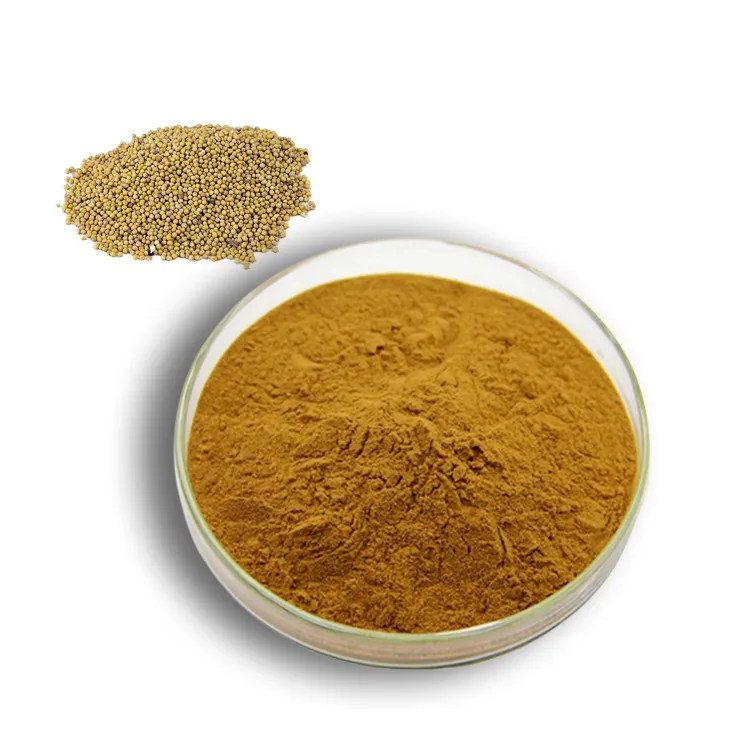
The white mustard plant is an annual herb that is native to the Mediterranean region but is now widely cultivated in many parts of the world. The seeds are small, spherical, and typically have a light yellow or whitish color. They contain a variety of chemical constituents that are of interest in skincare.
1.2 Historical Use in Skincare
White mustard has a long history of use in traditional medicine for various purposes, including skin ailments. In some cultures, poultices made from white mustard seeds were applied topically to treat skin inflammations, rashes, and minor wounds. This traditional knowledge has paved the way for its modern - day use in skincare products.
2. Extraction Methods of White mustard seed extract
There are several methods for extracting White mustard seed extract, each with its own advantages and considerations.
2.1 Solvent Extraction
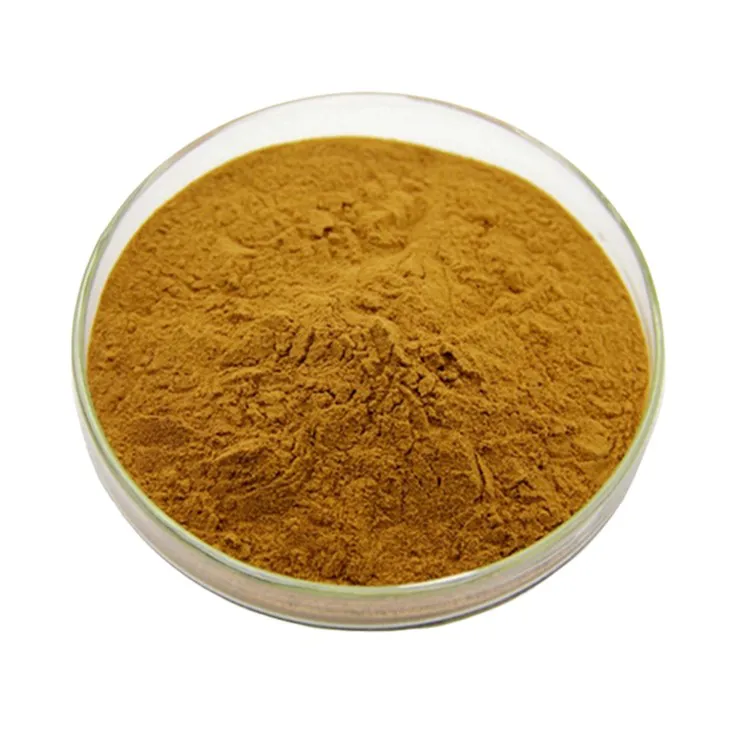
- Selection of Solvent: Commonly used solvents include ethanol, methanol, or ethyl acetate. Ethanol is a popular choice as it is relatively safe for use in skincare products. It can effectively dissolve the bioactive compounds present in the white mustard seeds.
- Extraction Process: The white mustard seeds are first ground into a fine powder. This powder is then mixed with the selected solvent in a suitable ratio. For example, a ratio of 1:5 (seed powder to solvent) may be used. The mixture is then stirred continuously for a specific period, usually several hours to a few days, depending on the extraction efficiency desired.
- Filtration and Concentration: After the extraction period, the mixture is filtered to separate the liquid extract from the solid residue. The filtrate is then concentrated under reduced pressure to obtain a more concentrated White mustard seed extract. This concentrated extract can be further purified if required.
2.2 Cold - Press Extraction
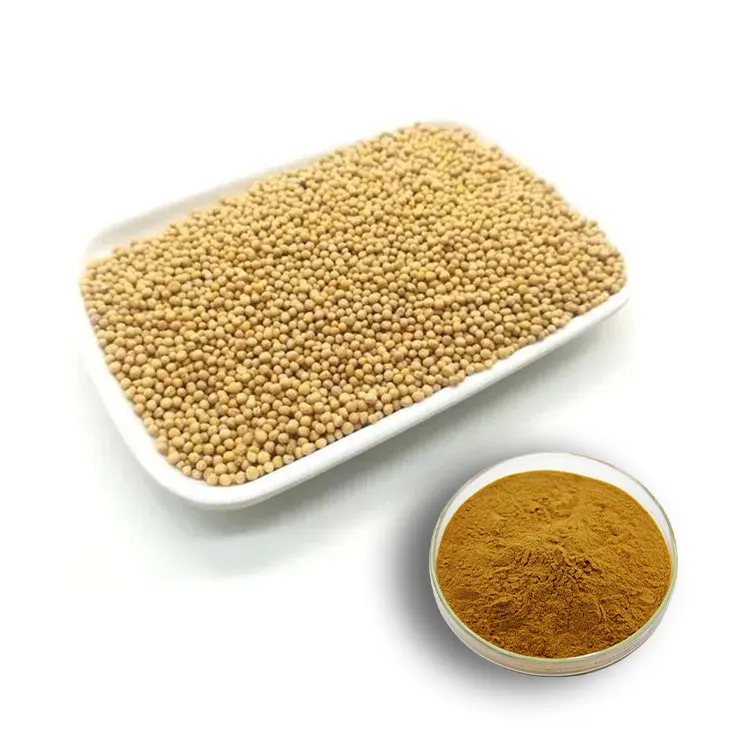
- Seed Preparation: The white mustard seeds are first cleaned to remove any impurities such as dirt or debris. They are then slightly crushed, but not ground into a fine powder as in solvent extraction. This is to allow the release of the oils and bioactive compounds without excessive damage to the seed structure.
- Pressing Process: The crushed seeds are placed in a cold - press machine. The machine applies mechanical pressure to the seeds, gradually squeezing out the extract. The pressure is carefully controlled to ensure that the extraction is efficient while maintaining the integrity of the bioactive compounds. Cold - press extraction is advantageous as it does not involve the use of solvents, making the resulting extract more "natural" and potentially less irritating to the skin.
- Separation and Storage: The extracted liquid is separated from the solid seed residue. It is then stored in a suitable container, preferably in a cool, dark place to preserve its properties.
3. Skin Benefits of White mustard seed extract
White mustard seed extract offers a range of skin - enhancing properties.

3.1 Anti - Inflammatory Effects
One of the most significant benefits of White mustard seed extract is its anti - inflammatory action. It contains compounds such as glucosinolates and isothiocyanates, which have been shown to inhibit the production of inflammatory mediators in the skin. This can be particularly beneficial for individuals with skin conditions such as acne, eczema, or psoriasis, where inflammation plays a major role in the development and progression of the disease.
3.2 Antioxidant Properties
The extract is also rich in antioxidants. These antioxidants help to neutralize free radicals, which are unstable molecules that can damage skin cells. By scavenging free radicals, White mustard seed extract can help to prevent premature aging of the skin, reduce the appearance of wrinkles, and improve overall skin texture. Some of the key antioxidants present in the extract include Vitamin C, vitamin E, and various phenolic compounds.
3.3 Skin Barrier Enhancement
White mustard seed extract can contribute to strengthening the skin's natural barrier function. It helps to improve the lipid content of the stratum corneum, the outermost layer of the skin. This results in better moisture retention, protecting the skin from environmental stressors such as dry air, pollution, and UV radiation. A healthy skin barrier also reduces the risk of skin infections and allergic reactions.
4. Formulation Steps for Natural Skin Care Products with White mustard seed extract
When formulating natural skincare products with White mustard seed extract, the following steps should be considered.
4.1 Determining the Product Type
- Cream or Lotion: If the goal is to create a moisturizing product, a cream or lotion formulation may be appropriate. Creams are typically thicker and more suitable for dry skin, while lotions are lighter and better for normal to combination skin. In this case, the White mustard seed extract can be incorporated into the oil - in - water or water - in - oil emulsion base, depending on the desired texture and skin type.
- Serum: For a more concentrated product that targets specific skin concerns such as anti - aging or hyperpigmentation, a serum formulation can be considered. Serums are usually water - based and contain a high concentration of active ingredients. The White mustard seed extract can be dissolved in the aqueous phase of the serum formulation.
- Mask: A face mask with White mustard seed extract can be formulated for a more intensive treatment. Masks can be in the form of a clay - based mask, a sheet mask, or a gel mask. The extract can be added to the mask base along with other complementary ingredients such as hydrating agents or exfoliants.
4.2 Selecting Complementary Ingredients
- Moisturizing Agents: To enhance the moisturizing effect of the product, ingredients such as hyaluronic acid, glycerin, or natural oils like jojoba oil or argan oil can be added. These ingredients work in synergy with the White mustard seed extract to improve skin hydration and prevent moisture loss.
- Antioxidant - Rich Ingredients: Since White mustard seed extract already has antioxidant properties, adding other antioxidant - rich ingredients can provide additional protection against free radicals. Examples include Green Tea Extract, resveratrol, or Vitamin C derivatives. These ingredients can further enhance the anti - aging and skin - protecting effects of the product.
- Soothing Agents: Given the potential of White mustard seed extract to cause mild irritation in some individuals, especially those with sensitive skin, it is advisable to include soothing agents such as aloe vera gel, chamomile extract, or Calendula Extract. These ingredients can help to calm the skin and reduce any potential redness or irritation.
4.3 Incorporating White mustard seed extract
- Calculating the Concentration: The concentration of White mustard seed extract in the final product should be carefully determined. For most skincare products, a concentration range of 1% - 5% is typically used. However, for more specialized products or for those with more resilient skin, a higher concentration may be considered. It is important to conduct patch tests to ensure that the chosen concentration does not cause any adverse reactions.
- Mixing Technique: When adding the White mustard seed extract to the product formulation, it should be mixed thoroughly to ensure a uniform distribution. In emulsion - based products, such as creams and lotions, the extract can be added to either the oil phase or the water phase, depending on its solubility characteristics. In water - based products like serums, it can be directly dissolved in the aqueous phase. For masks, the extract can be added to the pre - prepared mask base and stirred well.
4.4 pH Adjustment
The pH of the skincare product is an important factor that can affect its stability and skin compatibility. Most skin has a slightly acidic pH, ranging from about 4.5 - 6.5. Therefore, it is necessary to adjust the pH of the product containing White mustard seed extract to within this range. This can be achieved using pH adjusters such as citric acid (to lower the pH) or sodium hydroxide (to raise the pH). However, great care must be taken when using these chemicals, as incorrect use can lead to skin irritation or product instability.
4.5 Preservation
Natural skincare products are also susceptible to microbial growth, so proper preservation is essential. There are several natural preservatives available, such as Rosemary extract, grapefruit seed extract, or potassium sorbate (although potassium sorbate is a synthetic preservative, it is widely accepted in natural products in small amounts). The choice of preservative should be based on its compatibility with the other ingredients in the product and its effectiveness in preventing microbial contamination.
5. Precautions and Considerations
While White mustard seed extract offers many benefits for the skin, there are some precautions to keep in mind.
5.1 Skin Sensitivity
As mentioned earlier, some individuals may have sensitive skin that could be irritated by White mustard seed extract. It is crucial to perform patch tests before using any product containing this extract. A patch test can be done by applying a small amount of the product to a small area of skin, usually on the inner forearm, and observing for any signs of redness, itching, or swelling over a 24 - to 48 - hour period.
5.2 Allergic Reactions
Although rare, allergic reactions to White mustard seed extract can occur. People with known allergies to mustard or related plants should avoid using products containing this extract. If an allergic reaction is suspected, such as hives, difficulty breathing, or swelling of the face or throat, immediate medical attention should be sought.
5.3 Product Stability
When formulating products with White mustard seed extract, it is important to ensure product stability. The extract may interact with other ingredients, leading to changes in the product's appearance, texture, or performance over time. Factors such as pH, temperature, and light exposure can also affect product stability. Therefore, proper storage conditions and product testing over time are necessary to ensure that the product remains effective and safe for use.
6. Conclusion
White mustard seed extract is a valuable ingredient in the realm of natural skincare. With its anti - inflammatory, antioxidant, and skin - barrier - enhancing properties, it can be incorporated into a variety of skincare product formulations. However, careful consideration of extraction methods, formulation steps, and precautions is necessary to create effective and safe natural skincare products. By following the guidelines outlined in this guide, skincare enthusiasts and formulators can harness the benefits of White mustard seed extract to develop high - quality, natural skincare products that promote healthy and beautiful skin.
FAQ:
What are the main extraction methods of White mustard seed extract?
There are several common extraction methods for White mustard seed extract. One is solvent extraction, where suitable solvents are used to dissolve and extract the active components from the white mustard seeds. Another method could be cold - pressing, which is a more natural way to obtain the extract while preserving some of its beneficial properties. However, the specific extraction method may also depend on factors such as the scale of production and the desired purity of the extract.
How does White mustard seed extract show anti - inflammation properties on the skin?
White mustard seed extract contains certain bioactive compounds. These compounds can interact with the skin's cells and the body's immune response mechanisms. For example, they may inhibit the production of inflammatory mediators in the skin, such as cytokines. By reducing the activity of these pro - inflammatory substances, it helps to calm the skin, reduce redness, and relieve symptoms associated with skin inflammation.
What are the key formulation steps when using White mustard seed extract in natural skincare products?
First, it is crucial to ensure the quality and purity of the White mustard seed extract. Then, depending on the type of skincare product (e.g., cream, lotion, or serum), the appropriate base ingredients need to be selected. For a cream, for instance, oils and emulsifiers are essential. The White mustard seed extract should be added in the correct proportion, usually after dissolving or dispersing it evenly in a suitable solvent or carrier. After adding all the ingredients, thorough mixing and homogenization are required to ensure a stable and effective formulation.
Are there any precautions when formulating natural skincare products with White mustard seed extract?
Yes, there are. Since some people may be allergic to mustard or its components, it is necessary to conduct proper allergy testing. Also, when handling the extract, ensure that it is stored and processed under appropriate conditions to maintain its stability and effectiveness. Additionally, when formulating with other ingredients, compatibility should be carefully considered to avoid any negative interactions that could affect the final product's quality and safety.
Can White mustard seed extract be used in all skin types?
While White mustard seed extract has many potential benefits, it may not be suitable for all skin types. For example, people with very sensitive skin may experience irritation, especially if the concentration of the extract in the product is too high. However, for normal, oily, or combination skin types, it can often be well - tolerated and may provide benefits such as anti - inflammation and skin conditioning, but it is always advisable to do a patch test first.
Related literature
- The Role of Plant Extracts in Skincare: A Comprehensive Review"
- "Natural Anti - Inflammatory Agents in Skincare: Focus on Mustard Seed Extract"
- "Formulation of Effective Natural Skincare Products: Incorporating Bioactive Extracts"


-

Boswellia Serrata Extract
2024-12-10
-

Lavender Extract
2024-12-10
-

Mango flavored powder
2024-12-10
-

Troxerutin
2024-12-10
-

Vitamin K2
2024-12-10
-

Red Vine Extract
2024-12-10
-

Pueraria Lobata Extract
2024-12-10
-

Rosemary extract
2024-12-10
-

Lotus leaf extract
2024-12-10
-

Avocado Extract Powder
2024-12-10