


1. Introduction
Mulberry leaf Extract has been gaining increasing attention in recent years due to its various potential benefits. It contains a variety of bioactive compounds such as flavonoids, alkaloids, and polysaccharides. However, when considering its use, one crucial aspect is the choice of concentration. The right concentration can ensure optimal effectiveness in different applications, whether it is for health promotion or in industrial applications.
2. Factors to Consider in Health - Related Applications
2.1 Intended Physiological Impact
If the goal is to regulate blood sugar levels, for example, different concentrations of Mulberry leaf Extract may have varying effects. Lower concentrations might be suitable for mild blood sugar regulation, while higher concentrations could be more appropriate for those with more significant blood sugar imbalances. Research has shown that certain bioactive components in Mulberry leaf Extract, like 1 - deoxynojirimycin (DNJ), play a key role in this regard. The concentration of DNJ in the extract can influence how effectively it inhibits the activity of alpha - glucosidase, an enzyme involved in carbohydrate digestion. Thus, if a stronger inhibitory effect on alpha - glucosidase is desired to better control post - prandial blood sugar spikes, a higher concentration of Mulberry leaf Extract rich in DNJ may be preferred.

2.2 Dosage Form
Different dosage forms also affect the choice of concentration. For instance, in the case of tablets or capsules, a relatively higher concentration can be used as the dosage can be accurately controlled. However, for liquid formulations such as tinctures or syrups, the concentration may need to be adjusted to ensure palatability and ease of use. If the concentration is too high in a liquid form, it may cause an unpleasant taste or even potential irritation in the mouth or throat. For example, a tincture with a very high concentration of mulberry leaf extract might be too bitter to be easily consumed, while a lower concentration can be more acceptable.
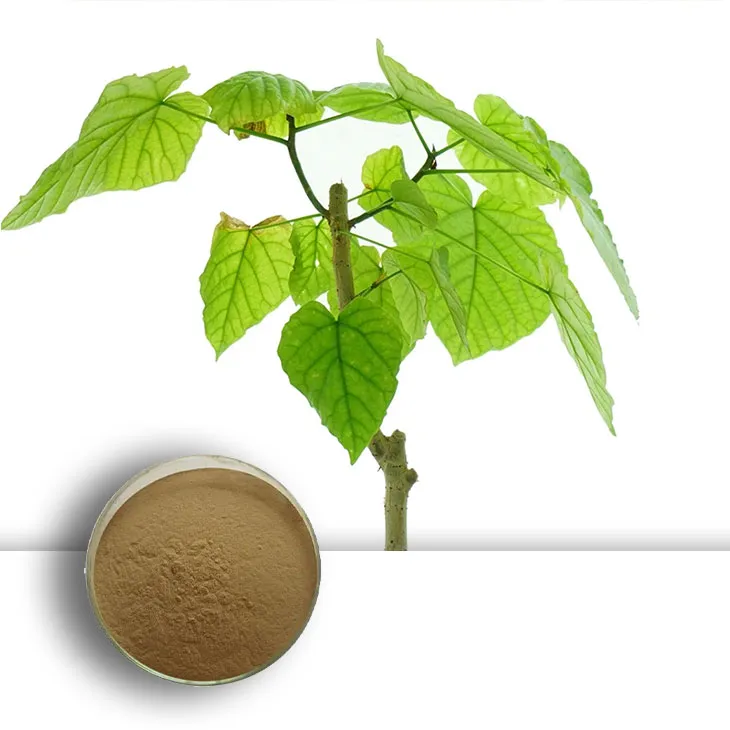
2.3 User's Physiological Condition
The user's physiological condition is another important factor. Elderly individuals or those with compromised liver or kidney function may require a lower concentration of Mulberry leaf Extract. Their bodies may not be able to metabolize or excrete the active components as efficiently as healthy individuals. On the other hand, healthy adults with no underlying health issues may be able to tolerate a higher concentration. For example, pregnant or breastfeeding women also need special consideration. Due to the potential impact on the fetus or the baby, a lower concentration that has been proven to be safe should be used. In addition, people with allergies or sensitivities may need to start with a very low concentration to test for any adverse reactions.
3. Factors to Consider in Industrial Applications
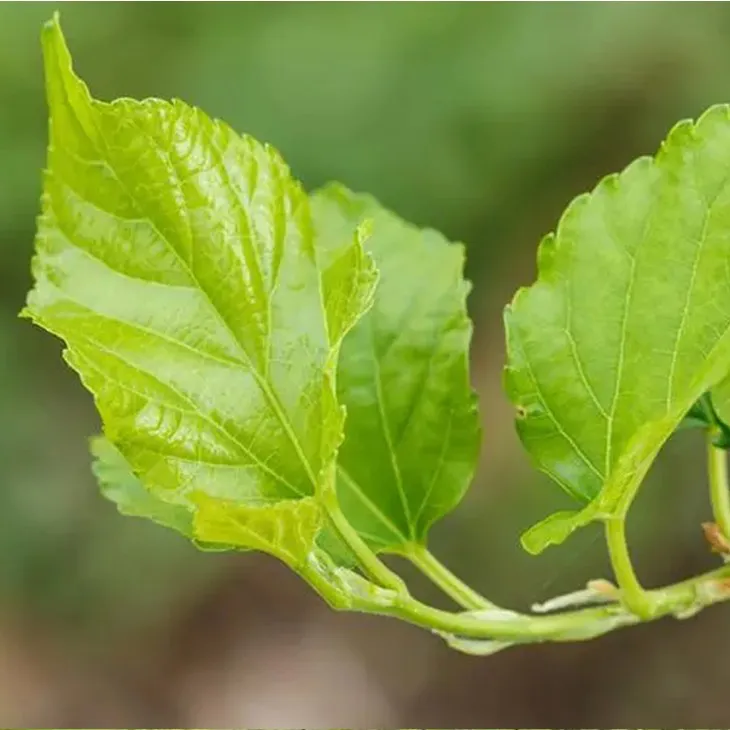
3.1 Cost - Effectiveness
In the manufacturing of dietary supplements or herbal products, cost - effectiveness is a major consideration. Higher concentrations of Mulberry leaf Extract may be more expensive to produce. Manufacturers need to balance the desired effectiveness of the product with the cost of raw materials. For example, if a product claims to have a certain level of blood - sugar - regulating effect, the manufacturer may test different concentrations of Mulberry leaf Extract to find the lowest concentration that can still achieve the claimed effect. This way, they can reduce the cost of production without sacrificing the quality of the product. Additionally, large - scale production may require a more cost - effective concentration choice to ensure profitability.
3.2 Product Stability
Product stability is also crucial in industrial applications. Different concentrations of Mulberry leaf Extract may have different stabilities. Higher concentrations may be more prone to chemical degradation or interactions with other ingredients in the product. For example, in a multi - ingredient dietary supplement, a very high concentration of Mulberry leaf Extract may react with other vitamins or minerals, reducing the shelf - life of the product. On the other hand, a lower concentration may be more stable but may require a larger volume to achieve the desired effect. Manufacturers need to conduct stability tests to determine the optimal concentration that can maintain the product's quality over its intended shelf - life.
4. Research and Testing
To make an informed decision about the concentration of Mulberry leaf Extract, thorough research and testing are essential. In - vitro studies can provide initial insights into the activity of different concentrations of the extract on specific biological targets, such as enzymes or cells. For example, researchers can test the effect of various concentrations of Mulberry leaf Extract on insulin - secreting cells in a laboratory setting to understand its potential impact on blood sugar regulation. In - vivo studies, on the other hand, are more comprehensive and can show how different concentrations affect the whole organism. These studies may involve animal models or human clinical trials. Animal studies can help determine safe dosage ranges and potential toxicity levels, while human clinical trials can directly evaluate the effectiveness and safety of different concentrations in humans.
When conducting research and testing, it is important to follow standard scientific protocols. This includes proper sample preparation, accurate measurement of the extract concentration, and appropriate statistical analysis of the results. For example, in a human clinical trial, participants should be randomly assigned to different groups receiving different concentrations of Mulberry leaf Extract. The trial should be double - blind to minimize bias, and the data collected should be analyzed using appropriate statistical methods to determine if there are significant differences in the outcomes between the groups.
5. Regulatory Considerations
Regulatory requirements also play a role in determining the concentration of Mulberry leaf Extract in products. Different countries and regions have different regulations regarding herbal products and dietary supplements. Some regulatory bodies may set maximum allowable concentrations of certain active ingredients in these products. For example, in the European Union, there are strict regulations on the content of bioactive compounds in herbal products to ensure safety and quality. Manufacturers need to be aware of these regulations and ensure that their products comply. In the United States, the Food and Drug Administration (FDA) has certain guidelines for dietary supplements, although the regulations are less prescriptive compared to some other countries. However, manufacturers still need to ensure that their claims about the product and the concentration of Mulberry leaf Extract are accurate and not misleading.
6. Conclusion
Choosing the right concentration of Mulberry leaf Extract is a complex process that involves considering multiple factors. In health - related applications, factors such as the intended physiological impact, dosage form, and user's physiological condition are crucial. In industrial applications, cost - effectiveness and product stability need to be taken into account. Thorough research and testing, as well as compliance with regulatory requirements, are also essential. By carefully considering all these factors, it is possible to select the optimal concentration of Mulberry leaf Extract for different applications, whether it is for promoting health or for manufacturing high - quality products.
FAQ:
Q1: What are the main factors to consider when choosing the concentration of Mulberry leaf Extract for health - related applications?
When choosing the concentration of Mulberry leaf Extract for health - related applications, several factors need to be considered. Firstly, the intended physiological impact is crucial. For example, if the goal is to regulate blood sugar levels, a specific concentration might be more effective. Secondly, the dosage form matters. Whether it is in the form of a tablet, capsule, or liquid, different forms may require different concentrations for optimal absorption. Finally, the user's physiological condition also plays a role. A person with a particular health condition or a different level of tolerance may need a different concentration compared to others.
Q2: How does the cost - effectiveness factor into the choice of Mulberry leaf Extract concentration in industrial applications?
In industrial applications, cost - effectiveness is an important consideration when choosing the concentration of Mulberry leaf Extract. Higher concentrations may be more expensive to produce, but they might also require less volume to achieve the desired effect in the final product. Manufacturers need to balance the cost of obtaining a higher - concentration extract against the potential savings in terms of reduced volume usage. Also, they need to consider the market price that consumers are willing to pay for the product with a certain concentration of Mulberry leaf Extract.
Q3: What role does product stability play in determining the concentration of Mulberry leaf Extract in industrial uses?
Product stability is a significant factor in industrial uses when determining the concentration of Mulberry leaf Extract. Different concentrations may have different levels of stability. A higher concentration might be more likely to degrade or interact with other components in the product over time. Manufacturers need to find the optimal concentration that ensures the product remains stable throughout its shelf life. This might involve conducting stability tests at various concentrations to see which one maintains the desired properties of the product, such as color, texture, and effectiveness.
Q4: Are there any standard guidelines for choosing the concentration of Mulberry leaf Extract in dietary supplements?
Currently, there are no globally unified strict standard guidelines specifically for choosing the concentration of Mulberry leaf Extract in dietary supplements. However, regulatory bodies in different regions may have some general requirements regarding the safety and effectiveness of dietary supplements. Manufacturers often rely on scientific research, in - house testing, and industry best practices. They may also consider the typical dosages used in related studies and the potential health benefits associated with different concentrations to make an appropriate choice.
Q5: How can one ensure the chosen concentration of Mulberry leaf Extract is safe for personal use?
To ensure the chosen concentration of Mulberry leaf Extract is safe for personal use, it is advisable to consult a healthcare professional. They can take into account an individual's overall health, current medications, and any pre - existing conditions. Additionally, looking at reliable scientific research and reviews can provide some guidance. Some studies may report on the safety profiles of different concentrations in various populations. Starting with a lower concentration and gradually increasing if necessary, while closely monitoring for any adverse reactions, can also be a prudent approach.
Related literature
- The Potential Health Benefits of Mulberry leaf Extract: A Review"
- "Mulberry leaf Extract in Dietary Supplements: Manufacturing and Quality Control"
- "Factors Affecting the Stability of Mulberry leaf Extract - Based Products"


-

Troxerutin
2024-12-21
-

Longan Extract
2024-12-21
-

White Willow Bark Extract
2024-12-21
-

L-carnitine
2024-12-21
-

Yam Extract
2024-12-21
-

Europen Bilberry Extract
2024-12-21
-

Apricot Powder
2024-12-21
-

Dandelion Leaf Extract
2024-12-21
-

Dragon Fruit Powder
2024-12-21
-

Aguaje Extract
2024-12-21