


1. Introduction
Phellodendron Extract, particularly from Phellodendron amurense, has been recognized for its various beneficial properties in traditional medicine. However, ensuring the quality of this extract is crucial for its effective and safe use. This article will explore different aspects that need to be considered to obtain high - quality Phellodendron amurense extract.
2. The Importance of Plant Origin
Source Region: The origin of the Phellodendron amurense plant plays a significant role in the quality of the extract. Plants sourced from regions with suitable environmental conditions are more likely to have a higher content of active compounds. For example, regions with appropriate soil types, climate, and altitude can influence the growth and chemical composition of the plant.
Wild - Grown vs. Cultivated: There are differences between wild - grown and cultivated Phellodendron amurense. Wild - grown plants may have adapted to more natural and diverse environmental factors over time. However, they also face the risk of over - harvesting and potential contamination from pollutants in their natural habitats. On the other hand, cultivated plants can be managed more carefully in terms of fertilization, pest control, and harvesting time. But improper cultivation practices, such as excessive use of pesticides or fertilizers, can also affect the quality of the plant and ultimately the extract.
Sustainable Sourcing: Ensuring that the plant is sourced sustainably is not only important for the environment but also for the long - term availability and quality of the extract. Sustainable sourcing practices involve proper harvesting techniques that do not damage the plant population or its ecosystem.
3. The Extraction Process
3.1. Selection of Solvents
The choice of solvent is a critical factor in the extraction process. Different solvents can extract different types of compounds from the Phellodendron amurense plant. For example, ethanol is a commonly used solvent as it can effectively extract alkaloids and flavonoids, which are some of the important bioactive components in Phellodendron amurense.
Water can also be used as a solvent in some extraction methods. However, water - based extractions may require more complex purification steps compared to ethanol - based extractions. In addition, some non - polar solvents may be used in certain cases to extract specific lipid - soluble compounds, but their use needs to be carefully controlled due to potential toxicity concerns.

3.2. Extraction Methods
Conventional Extraction: Conventional extraction methods such as maceration and percolation have been used for a long time. In maceration, the plant material is soaked in a solvent for a certain period, usually several days to weeks. This allows the solvent to penetrate the plant cells and dissolve the desired compounds. Percolation, on the other hand, involves passing the solvent through a column filled with the plant material, which can be a more efficient way of extraction compared to maceration.
Modern Extraction Technologies: Modern techniques like supercritical fluid extraction (SFE) and ultrasonic - assisted extraction (UAE) are also being increasingly used. SFE, which often uses carbon dioxide as the supercritical fluid, has the advantage of being a "green" extraction method as carbon dioxide is non - toxic and can be easily removed from the extract. It also offers better selectivity in extracting specific compounds. UAE uses ultrasonic waves to disrupt the plant cells, increasing the efficiency of the extraction process.
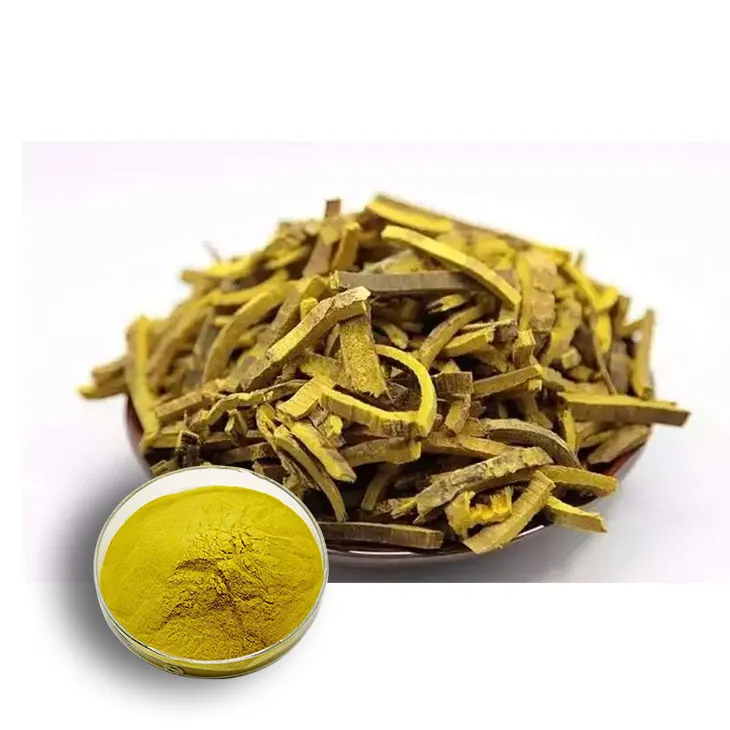
3.3. Purification and Concentration
After the initial extraction, the resulting extract usually needs to be purified and concentrated. Purification steps can involve filtration to remove solid impurities, followed by chromatography techniques such as column chromatography or high - performance liquid chromatography (HPLC) to separate and purify the desired compounds.
Concentration of the extract is important to increase the content of the active compounds. This can be achieved through methods such as evaporation under reduced pressure, which allows the solvent to be removed while minimizing the degradation of the active compounds.
4. Quality Evaluation
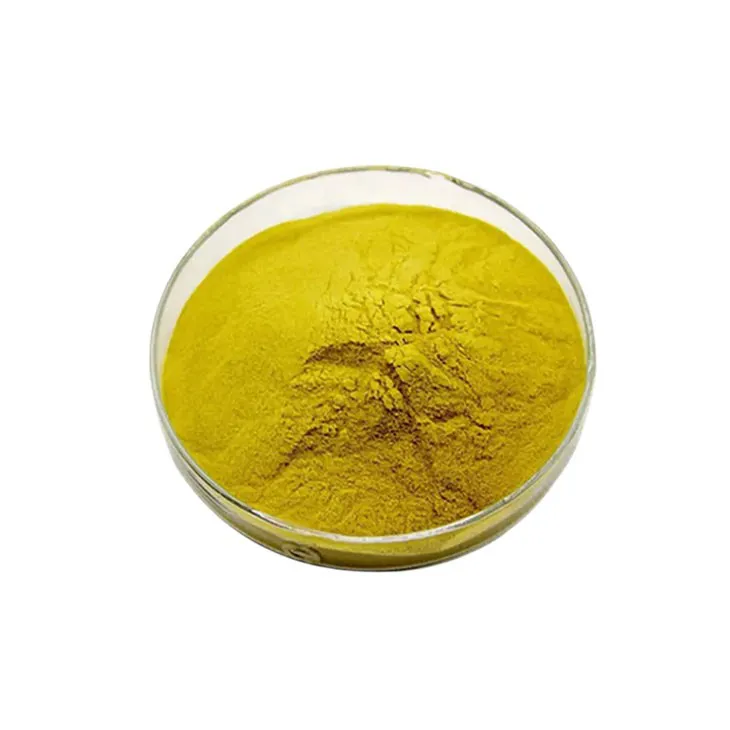
4.1. Chemical Composition Analysis
Identification of Active Compounds: One of the key aspects of quality evaluation is the identification and quantification of active compounds in the Phellodendron amurense extract. Alkaloids such as berberine are important bioactive components. Analytical techniques such as HPLC and gas chromatography - mass spectrometry (GC - MS) can be used to accurately identify and measure the content of these compounds.
Purity Assessment: Determining the purity of the extract is also essential. Impurities can include residual solvents, other plant - derived substances that are not part of the desired extract, and contaminants from the extraction process or the plant's environment. Spectroscopic techniques such as infrared spectroscopy (IR) can be used to detect the presence of certain functional groups and help in assessing the purity of the extract.

4.2. Biological Activity Testing
In vitro and in vivo assays can be conducted to evaluate the biological activity of the Phellodendron amurense extract. For example, antioxidant activity can be measured using assays such as the DPPH (2,2 - diphenyl - 1 - picrylhydrazyl) radical scavenging assay. Anti - inflammatory activity can be tested in cell culture models or in animal models of inflammation.
These biological activity tests help to ensure that the extract not only contains the appropriate chemical compounds but also exhibits the expected pharmacological effects.
4.3. Microbiological Quality
The microbiological quality of the extract is of utmost importance. Tests for the presence of bacteria, fungi, and yeasts should be carried out. High - quality extracts should meet certain microbiological standards, such as having a low microbial count. Contamination with microorganisms can not only affect the quality of the extract but also pose a risk to the health of consumers if the extract is used in medicinal or dietary supplement applications.
5. Supplier Selection
Reputation and Experience: When choosing a supplier for Phellodendron amurense extract, it is important to consider their reputation and experience in the industry. A supplier with a long - standing history of providing high - quality botanical extracts is more likely to have reliable quality control measures in place.
Quality Certifications: Look for suppliers who have relevant quality certifications. For example, Good Manufacturing Practice (GMP) certification indicates that the supplier follows strict manufacturing and quality control procedures. ISO certifications also demonstrate the supplier's commitment to quality management.
Transparency in the Supply Chain: A transparent supply chain is crucial. The supplier should be able to provide information about the origin of the plant material, the extraction process, and quality control measures. This allows you to trace the source of the extract and ensure its quality.
6. Conclusion
Obtaining high - quality Phellodendron amurense extract requires careful consideration of multiple factors. From the origin of the plant to the extraction process, quality evaluation, and supplier selection, each step plays an important role. By paying attention to these aspects, consumers and manufacturers can ensure that they are using or providing extracts that are of high quality, effective, and safe.
FAQ:
Question 1: What should be considered regarding the origin of the Phellodendron amurense plant for high - quality extract?
The origin of the Phellodendron amurense plant is crucial for obtaining high - quality extract. Plants grown in their native habitats, such as certain regions in Asia, often have better quality. These areas may provide the ideal soil, climate, and environmental conditions for the plant to thrive. For example, regions with proper sunlight, temperature, and soil nutrient levels can result in plants with higher levels of active compounds. Also, plants from unpolluted areas are less likely to contain contaminants, which is essential for the purity of the extract.
Question 2: How does the extraction process affect the quality of Phellodendron amurense extract?
The extraction process has a significant impact on the quality of the extract. Different extraction methods can yield different levels of active ingredients. For instance, solvent extraction is commonly used. The choice of solvent, such as ethanol or water, can influence which compounds are extracted. Appropriate extraction time and temperature are also important factors. If the temperature is too high or the extraction time is too long, it may lead to the degradation of some active compounds. Additionally, modern extraction techniques like supercritical fluid extraction can often produce a more pure and high - quality extract compared to traditional methods.
Question 3: What are the key quality evaluation criteria for Phellodendron amurense extract?
The key quality evaluation criteria include the content of active ingredients, purity, and absence of contaminants. The main active ingredients in Phellodendron amurense extract, such as berberine, should be present in sufficient quantities. Purity can be determined by analyzing the extract for the presence of other unwanted substances. Contaminants like heavy metals, pesticides, or microbial contaminants must be absent. Analytical methods such as high - performance liquid chromatography (HPLC) are often used to accurately measure the content of active ingredients and detect impurities.
Question 4: Are there any certifications or standards that indicate high - quality Phellodendron amurense extract?
Yes, there are certain certifications and standards. For example, Good Manufacturing Practice (GMP) certification indicates that the production process of the extract follows strict quality control and hygiene standards. Organic certifications can also be a sign of high - quality extract, as it ensures that the plants are grown without the use of synthetic pesticides and fertilizers. Additionally, some industry - specific standards may exist for the content of active ingredients and purity levels of Phellodendron amurense extract.
Question 5: How can one ensure the authenticity of high - quality Phellodendron amurense extract?
To ensure the authenticity of high - quality Phellodendron amurense extract, it is important to source from reliable suppliers. Reputable suppliers often provide detailed information about the origin of the plants, the extraction process, and quality control measures. Laboratory analysis can also be conducted to verify the authenticity. Comparing the chemical profile of the extract with known standards of Phellodendron amurense extract can help in determining its authenticity. Additionally, customer reviews and the reputation of the brand in the market can be indicators of the authenticity of the product.
Related literature
- Studies on the Active Compounds in Phellodendron amurense Extract"
- "Quality Control of Botanical Extracts: The Case of Phellodendron amurense"
- "Optimization of Extraction Processes for High - Quality Phellodendron amurense Extract"


-

Grapefruit Seed Extract Powder
2024-12-06
-

Quercetin
2024-12-06
-

White Willow Bark Extract
2024-12-06
-

Phyllanthus Emblica Extract
2024-12-06
-

Bamboo Leaf extract
2024-12-06
-

Hericium erinaceus extract powder
2024-12-06
-

Gynostemma pentaphyllum extract
2024-12-06
-

Giant Knotweed Extract
2024-12-06
-

Cranberry Extract
2024-12-06
-

Red Date Extract
2024-12-06