


1. Introduction
Rose Hip Extract is becoming increasingly popular in the health and beauty industries due to its high antioxidant content. Establishing your own Rose Hip Extract product line can be a lucrative business venture. However, it requires careful planning and attention to detail at every stage, from sourcing the raw materials to marketing the final products. This article will guide you through the process step by step.
2. Sourcing High - Quality Rosehips
2.1. Understanding Different Rosehip Varieties
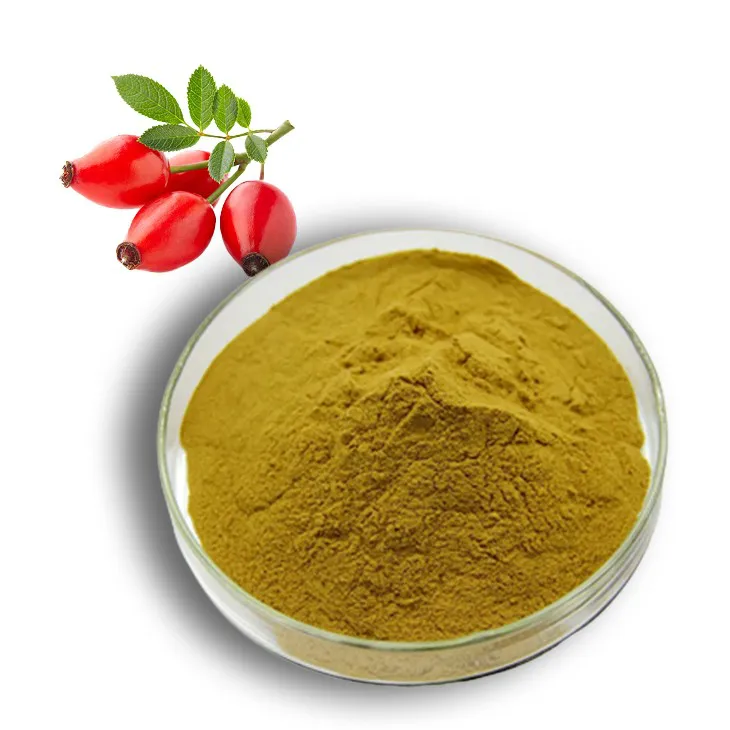
There are several species of roses that produce rosehips, but not all are equally suitable for extraction. Rosa canina is one of the most commonly used species as it is rich in vitamins, minerals, and antioxidants. Other varieties like Rosa rugosa also have potential, but their properties may vary. It is essential to research and understand the characteristics of different rosehip varieties to ensure you select the best for your product line.
2.2. Organic vs. Conventional Rosehips
Organic rosehips are often preferred in the high - end and natural product markets. They are grown without the use of synthetic pesticides, fertilizers, or genetically modified organisms (GMOs). However, they may be more expensive to source. Conventional rosehips can be a more cost - effective option, but you need to ensure that they meet safety and quality standards. Consider your target market and product positioning when deciding between organic and conventional rosehips.

2.3. Sourcing from Reliable Suppliers
Once you have decided on the type of rosehips you want, it is crucial to find reliable suppliers. Look for suppliers with a good reputation in the industry. You can check online reviews, ask for references from other businesses, or visit trade shows to meet potential suppliers in person. Ensure that the suppliers can provide consistent quality and quantity of rosehips throughout the year, especially if you plan for large - scale production.
- Verify that the supplier has proper certifications, such as organic certifications if applicable.
- Ask about their quality control processes to ensure that the rosehips are free from contaminants and of high quality.
- Consider the location of the supplier. Sourcing from local suppliers can reduce transportation costs and carbon footprint, but international suppliers may offer a wider range of varieties or more competitive prices.
3. Extracting Rose Hip Extract
3.1. Different Extraction Methods
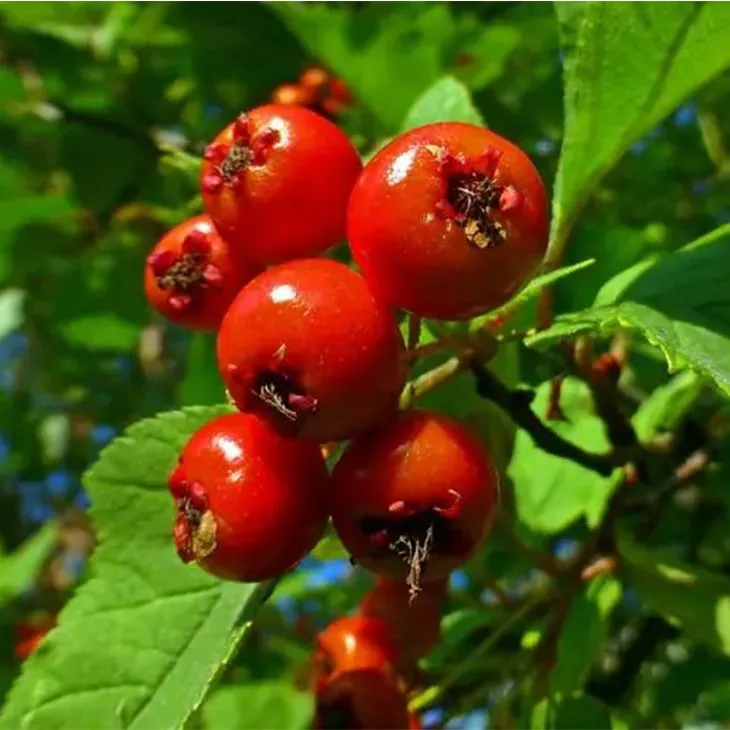
There are several methods for extracting Rose Hip Extract, including solvent extraction, supercritical fluid extraction, and cold - press extraction.
- Solvent extraction: This is a common method that uses solvents such as ethanol or hexane to dissolve the active compounds in the rosehips. However, it is important to ensure that all solvent residues are removed from the final extract to meet safety standards.
- Supercritical fluid extraction: This method uses supercritical carbon dioxide as the solvent. It is considered a more "green" extraction method as it leaves no solvent residues. It can also produce a high - quality extract with a wide range of active compounds.
- Cold - press extraction: This method involves mechanically pressing the rosehips to extract the oil. It is a relatively simple and natural method, but it may not be as efficient in extracting all the active compounds as the other methods.
3.2. Equipment and Facilities
The extraction process requires appropriate equipment and facilities. If you are starting small, you may be able to use some basic laboratory - grade equipment. However, for larger - scale production, you will need industrial - grade extraction equipment.
- For solvent extraction, you will need extraction vessels, condensers, and separators.
- Supercritical fluid extraction requires specialized high - pressure equipment.
- Cold - press extraction can be done with a simple mechanical press, but you may need additional equipment for filtration and purification.
Ensure that your extraction facilities meet all safety and regulatory requirements. This includes proper ventilation, fire prevention measures, and waste disposal systems.
3.3. Quality Control in the Extraction Process
Quality control is essential during the extraction process to ensure that the final Rose Hip Extract meets the desired specifications. This includes:
- Monitoring the extraction parameters such as temperature, pressure, and extraction time to optimize the yield and quality of the extract.
- Testing the extract for its active compound content, such as Vitamin C, carotenoids, and polyphenols. This can be done using analytical techniques such as high - performance liquid chromatography (HPLC) or spectrophotometry.
- Checking for contaminants such as heavy metals, pesticides, and microbial contaminants. The extract should meet all relevant safety and quality standards.
4. Formulating Effective Rose Hip Extract Products
4.1. Understanding the Properties of Rose Hip Extract
Rose Hip Extract is rich in antioxidants, vitamins (especially Vitamin C), and essential fatty acids. These properties make it suitable for a variety of applications in the health and beauty industries.
- In skincare products, it can help to reduce wrinkles, improve skin elasticity, and promote skin regeneration due to its antioxidant and Vitamin Content.
- In dietary supplements, it can boost the immune system, support joint health, and provide anti - inflammatory benefits.
4.2. Product Categories
There are several product categories where Rose Hip Extract can be used:
- Skincare products: This includes creams, lotions, serums, and masks. When formulating skincare products, consider the compatibility of Rose Hip Extract with other ingredients such as emollients, humectants, and preservatives.
- Dietary supplements: Rose Hip Extract can be formulated as capsules, tablets, or liquid supplements. Ensure that the dosage form is appropriate for the intended use and that the product complies with dietary supplement regulations.
- Haircare products: It can be added to shampoos, conditioners, and hair masks to improve hair health, add shine, and reduce hair breakage.
4.3. Formulation Considerations
When formulating Rose Hip Extract products, several factors need to be considered:
- Stability: Ensure that the Rose Hip Extract remains stable in the final product formulation. This may require the use of stabilizers or antioxidants to prevent degradation of the active compounds.
- Compatibility: Check the compatibility of Rose Hip Extract with other ingredients in the formulation. Some ingredients may interact with the extract and affect its performance or stability.
- Dosage: Determine the appropriate dosage of Rose Hip Extract in each product. This depends on the intended use of the product and the recommended daily intake of the active compounds.
5. Packaging and Labeling
5.1. Packaging Options
Choosing the right packaging for your Rose Hip Extract products is crucial for product protection and shelf - life.
- For skincare products, air - tight containers such as jars or tubes are often used. These prevent air and moisture from entering the product, which can cause spoilage or degradation of the active ingredients.
- Dietary supplements are usually packaged in capsules or tablets, which are then placed in blister packs or bottles. Ensure that the packaging is child - resistant if required by regulations.
- Haircare products can be packaged in bottles or tubes, similar to skincare products.
5.2. Labeling Requirements
Accurate and compliant labeling is essential for any product. Your Rose Hip Extract product labels should include:
- The product name, clearly indicating that it contains Rose Hip Extract.
- The ingredients list, in descending order of predominance. All ingredients should be listed using their INCI (International Nomenclature of Cosmetic Ingredients) names for skincare products or their common names for dietary supplements.
- The net quantity of the product.
- Directions for use, including any precautions or warnings.
- Manufacturer or distributor information.
For dietary supplements, additional labeling requirements may include the recommended daily dosage, nutrient content claims, and any health claims that are supported by scientific evidence.
6. Marketing Your Rose Hip Extract Product Line
6.1. Identifying Your Target Market
Before you start marketing your Rose Hip Extract product line, you need to identify your target market. Consider factors such as:
- Age: Younger consumers may be more interested in skincare products, while older consumers may be more focused on dietary supplements for joint health or immune support.
- Gender: Skincare products may be targeted towards both genders, but some products may be more appealing to women. Dietary supplements may also have different target audiences based on gender - specific health concerns.
- Lifestyle: Consumers with an active lifestyle may be interested in products that support joint health or provide antioxidant benefits for post - exercise recovery.
6.2. Branding and Positioning
Develop a strong brand identity for your Rose Hip Extract product line. This includes:
- Choosing a brand name that is memorable, easy to pronounce, and relevant to the product. For example, a name that emphasizes the natural and antioxidant - rich properties of Rose Hip Extract.
- Creating a brand logo and packaging design that stands out on the shelf. Use colors, fonts, and imagery that communicate the quality and benefits of your products.
- Positioning your products in the market. Decide whether you want to target the high - end, luxury market or the more affordable, mass - market segment. Highlight the unique selling points of your products, such as the use of high - quality, organic rosehips or a proprietary extraction method.
6.3. Marketing Channels
There are several marketing channels you can use to promote your Rose Hip Extract product line:
- Online marketing: This includes creating a website for your product line, using social media platforms to engage with customers, and running online advertising campaigns. Social media platforms such as Instagram and Facebook are particularly effective for promoting skincare and health - related products.
- Retail partnerships: Partner with retailers such as health stores, beauty salons, and pharmacies to sell your products. This can give you access to a wider customer base and increase the visibility of your product line.
- Direct - to - consumer sales: You can also sell your products directly to consumers through your own e - commerce website or at local farmers' markets or trade shows.
7. Regulatory Considerations
7.1. Cosmetic Regulations
If your Rose Hip Extract products are classified as cosmetics (such as skincare and haircare products), they must comply with cosmetic regulations. This includes:
- Product safety requirements, ensuring that the products are free from harmful substances and are safe for use on the skin or hair.
- Good Manufacturing Practice (GMP) regulations, which cover aspects such as manufacturing facilities, quality control, and documentation.
- Labeling requirements, as discussed earlier.
7.2. Dietary Supplement Regulations
For Rose Hip Extract dietary supplements, different regulations apply:
- They must meet safety and quality standards for dietary supplements, including limits on contaminants and accurate labeling of nutrient content.
- Claims made about the health benefits of the supplement must be supported by scientific evidence. In some countries, there are specific regulations regarding the types of health claims that can be made.
7.3. International Regulations
If you plan to export your Rose Hip Extract products, you need to be aware of international regulations. Different countries may have different requirements for product safety, labeling, and import/export procedures. Research and comply with the regulations of your target export markets to avoid any legal issues.
8. Conclusion
Establishing your own Rose Hip Extract product line can be a rewarding and profitable business. However, it requires a comprehensive understanding of every aspect of the process, from sourcing high - quality rosehips to marketing your products. By following the steps outlined in this article, you can create a successful Rose Hip Extract product line that meets the needs of your target market and complies with all relevant regulations.
FAQ:
Question 1: What are the key factors in sourcing high - quality rosehips?
When sourcing high - quality rosehips, several factors are crucial. Firstly, the origin of the rosehips matters. Rosehips from regions with suitable climate and soil conditions tend to be of better quality. For example, those grown in certain Mediterranean countries may have distinct qualities due to the warm and sunny climate. Secondly, the cultivation method is important. Organic cultivation usually ensures that the rosehips are free from pesticides and other harmful chemicals. Also, the time of harvest affects the quality. Rosehips should be harvested at the right maturity stage to ensure optimal nutrient content.
Question 2: How do you formulate effective rosehip extract?
To formulate effective rosehip extract, it is necessary to start with proper extraction methods. Solvent extraction is a common approach, where solvents like ethanol or supercritical CO₂ can be used. The extraction process should be carefully controlled to preserve the active compounds in the rosehip, such as vitamins, antioxidants, and essential fatty acids. After extraction, purification steps may be required to remove impurities. Additionally, formulating the extract may involve combining it with other ingredients that can enhance its stability and effectiveness, for example, adding natural preservatives or complementary botanical extracts.
Question 3: What are the challenges in marketing rosehip extract products?
Marketing rosehip extract products comes with several challenges. One of the main challenges is competition. There are already many existing products in the market, so differentiating your product line is crucial. Another challenge is consumer education. Many consumers may not be fully aware of the benefits of rosehip extract. Therefore, it is necessary to invest in marketing efforts to educate consumers about the antioxidant - rich properties and various health benefits of rosehip extract. Regulatory compliance is also a challenge, as different regions may have different regulations regarding the marketing and labeling of such products.
Question 4: How can you ensure the safety of rosehip extract products?
To ensure the safety of rosehip extract products, multiple steps are involved. Firstly, during the sourcing process, ensure that the rosehips are free from contaminants such as heavy metals and pesticides. This can be achieved through proper testing and sourcing from reliable suppliers. In the manufacturing process, strict quality control should be implemented. This includes following good manufacturing practices (GMP) to ensure that the extraction, formulation, and packaging processes are carried out in a clean and hygienic environment. Additionally, proper labeling is essential to inform consumers about any potential allergens or side effects.
Question 5: What are the potential profit margins in a rosehip extract product line?
The potential profit margins in a rosehip extract product line can vary significantly. It depends on factors such as the cost of raw materials, manufacturing costs, marketing expenses, and the pricing strategy. If the product line is able to source high - quality rosehips at a reasonable cost, and the manufacturing process is efficient, there is a good chance to achieve a healthy profit margin. However, marketing expenses can also be substantial, especially if a lot of effort is required to build brand awareness and educate consumers. Pricing the products competitively yet profitably is a key factor in determining the profit margin.
Related literature
- The Benefits and Production of Rosehip Extract"
- "Rosehip Extract: From Source to Shelf - A Comprehensive Guide"
- "Marketing Strategies for Botanical Extract Products: Focus on Rosehip Extract"


-

Lycopene
2024-12-21
-

Black Pepper Extract
2024-12-21
-

Sea buckthorn Juice Powder
2024-12-21
-

Melatonin
2024-12-21
-

Citrus Aurantium Extract
2024-12-21
-

Vitamin B9
2024-12-21
-

Red Date Extract
2024-12-21
-

Vitamin B9 powder
2024-12-21
-

Green coffee bean Extract
2024-12-21
-

Chasteberry Extract
2024-12-21