


1. Introduction to Ponderosa Pine Extract
Ponderosa pine (Pinus ponderosa) is a species of pine tree native to western North America. The extract from Ponderosa pine has attracted significant attention due to its potential applications in various fields. It contains a variety of bioactive compounds that can be utilized for medicinal, cosmetic, and industrial purposes. However, to fully harness these benefits, it is crucial to obtain pure isolates from the extract.
2. Initial Preparation of Ponderosa Pine Materials
2.1 Collection of Ponderosa Pine
The first step in the process is the proper collection of Ponderosa pine materials. This involves selecting healthy trees at the appropriate time of the year. Timing is crucial as it can affect the concentration of the desired compounds in the tree. For example, in the spring, the tree may have different levels of metabolites compared to the fall.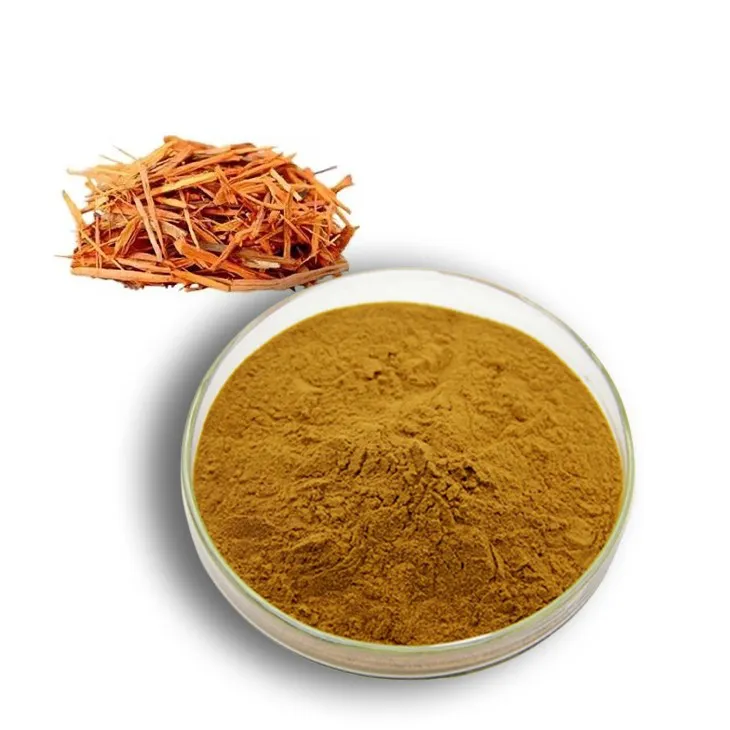
2.2 Pretreatment of the Collected Materials
Once collected, the Ponderosa pine materials need to be pretreated. This includes cleaning to remove dirt, debris, and any unwanted foreign substances. After cleaning, the materials are usually dried. Drying can be done through natural means such as air - drying or by using artificial drying methods like a dehydrator. The purpose of drying is to reduce the moisture content, which helps in the subsequent extraction process.3. Advanced Extraction Techniques
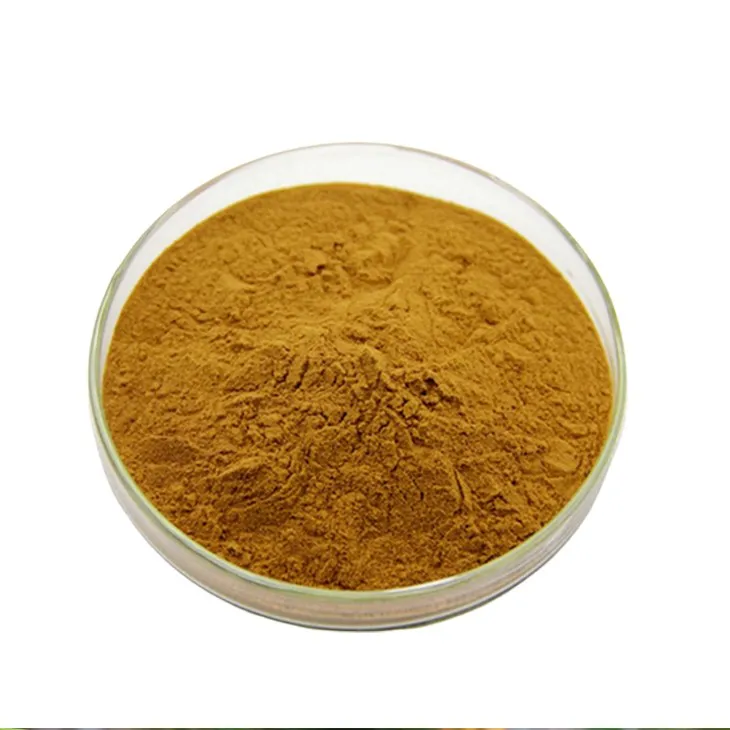
3.1 Solvent Extraction
One of the most common extraction techniques is solvent extraction. Solvents such as ethanol, methanol, or hexane can be used. Ethanol is often preferred due to its relatively low toxicity and its ability to dissolve a wide range of compounds. The dried Ponderosa pine materials are soaked in the solvent for a specific period. The choice of solvent, temperature, and extraction time all play important roles in determining the efficiency of the extraction. For example, increasing the temperature can sometimes enhance the extraction rate, but it also needs to be carefully controlled to avoid degradation of the compounds.
3.2 Supercritical Fluid Extraction
Supercritical fluid extraction (SFE) is another advanced technique. Carbon dioxide (CO₂) is often used as the supercritical fluid. SFE has several advantages over traditional solvent extraction. It is more environmentally friendly as CO₂ is non - toxic and can be easily removed from the extract. Additionally, it can provide a more selective extraction, allowing for the isolation of specific compounds. The process involves subjecting CO₂ to high pressure and temperature conditions to reach its supercritical state, and then passing it through the Ponderosa pine materials to extract the desired compounds.4. Separation and Purification Methods
4.1 Filtration
After the extraction process, the resulting extract contains a mixture of compounds along with the solvent. Filtration is a simple yet effective method to remove solid particles from the extract. Filter papers or membrane filters can be used depending on the size of the particles to be removed. This step helps in obtaining a cleaner extract for further purification.4.2 Chromatography
Chromatography is a powerful technique for separating and purifying the compounds in the Ponderosa pine extract. There are different types of chromatography that can be used, such as column chromatography, thin - layer chromatography (TLC), and high - performance liquid chromatography (HPLC). In column chromatography, a column is filled with a stationary phase, and the extract is passed through it. Different compounds in the extract will interact differently with the stationary phase and the mobile phase (usually a solvent), resulting in their separation. TLC is a more rapid and simple method, often used for preliminary analysis. HPLC, on the other hand, is a highly sensitive and precise method, suitable for the separation and quantification of specific compounds in the extract.4.3 Crystallization
Crystallization is another method for obtaining pure isolates. By carefully controlling the temperature, concentration, and solvent conditions, certain compounds in the extract can be made to crystallize. The crystals can then be separated from the remaining liquid, providing a relatively pure form of the compound. This method is particularly useful for compounds that have a relatively high solubility in a particular solvent at a certain temperature but become less soluble when the conditions are changed.5. Importance of Pure Isolates in Different Fields
5.1 Medicinal Applications
In the field of medicine, pure isolates from Ponderosa pine extract can have significant potential. For example, some compounds may possess anti - inflammatory properties. These can be used in the development of drugs for treating inflammatory diseases such as arthritis. Other compounds may have antioxidant properties, which can be beneficial in preventing oxidative stress - related diseases like cancer and heart disease. The purity of the isolates is crucial in ensuring the safety and efficacy of these potential medicinal products.5.2 Cosmetic Applications
Cosmetic companies are also interested in pure isolates from Ponderosa pine extract. Compounds with antioxidant and anti - inflammatory properties can be used in skincare products. For instance, they can be added to creams and lotions to help protect the skin from environmental damage and reduce skin inflammation. Additionally, some compounds may have moisturizing properties, which can improve the texture and appearance of the skin.5.3 Industrial Applications
In the industrial sector, pure isolates can be used in the production of various products. For example, some compounds may have antimicrobial properties, which can be utilized in the development of preservatives for food and other products. Others may be used in the manufacturing of fragrances or as additives in the production of plastics to improve their properties.6. Challenges and Solutions in the Overall Processing and Extraction
6.1 Complexity of the Extract
One of the main challenges in processing Ponderosa pine extract is the complexity of the extract itself. It contains a large number of different compounds, which can make separation and purification difficult. To address this, a combination of different extraction and purification techniques may be required. For example, using solvent extraction followed by chromatography can help in separating the complex mixture of compounds.6.2 Environmental Concerns
The use of solvents in extraction processes can raise environmental concerns. Some solvents, such as hexane, are volatile organic compounds (VOCs) that can contribute to air pollution. To mitigate this, more environmentally friendly solvents like ethanol can be used, or alternative extraction methods such as supercritical fluid extraction can be adopted.6.3 Cost - effectiveness
The cost of the extraction and purification processes can be a significant factor. Some advanced techniques, such as high - performance liquid chromatography, are relatively expensive. To improve cost - effectiveness, optimization of the extraction and purification processes is necessary. This can include finding the optimal conditions for each step, such as the right solvent concentration, temperature, and extraction time, to reduce the overall cost while still obtaining high - quality pure isolates.7. Conclusion
The production of pure isolates from Ponderosa pine extract is a complex but rewarding process. By understanding the initial preparation of materials, advanced extraction techniques, separation and purification methods, as well as the importance of these isolates in different fields, and addressing the challenges in the overall process, it is possible to obtain high - quality pure isolates. These isolates have the potential to make significant contributions in the fields of medicine, cosmetics, and industry, opening up new opportunities for research and development.
FAQ:
Question 1: What are the initial steps in preparing Ponderosa pine materials for extraction?
The initial preparation of Ponderosa pine materials for extraction may involve steps such as collecting suitable parts of the pine (e.g., needles, bark, or wood), cleaning them to remove dirt and debris, and perhaps drying them to a certain moisture level. This helps to ensure that the materials are in an optimal state for the subsequent extraction process.
Question 2: What are the advanced extraction techniques used for Ponderosa pine extract?
Advanced extraction techniques for Ponderosa pine extract may include methods like supercritical fluid extraction. This method uses a supercritical fluid (such as carbon dioxide) which has properties between those of a liquid and a gas, allowing for efficient extraction of the desired compounds. Another technique could be microwave - assisted extraction, which uses microwave energy to speed up the extraction process by enhancing the mass transfer of compounds from the pine material into the solvent.
Question 3: How are pure isolates separated and purified from the Ponderosa pine extract?
Separation and purification of pure isolates from the Ponderosa pine extract can be achieved through various methods. Chromatography techniques, such as high - performance liquid chromatography (HPLC) or gas chromatography (GC), can be used to separate different compounds based on their chemical properties. Crystallization is also a method where the compounds are made to form crystals under specific conditions, which can help in purifying the isolates.
Question 4: What is the importance of pure isolates from Ponderosa pine in different fields?
In the pharmaceutical field, pure isolates from Ponderosa pine may have potential medicinal properties, such as anti - inflammatory or antioxidant effects. In the cosmetic industry, they could be used for their skin - nourishing and anti - aging properties. In the food industry, certain isolates might be used as natural flavorings or preservatives. Additionally, in the field of forestry research, these isolates can help in understanding the chemical composition and ecological functions of Ponderosa pine.
Question 5: What are the challenges in the processing and extraction of Ponderosa pine extract?
Some challenges in the processing and extraction of Ponderosa pine extract include the complexity of the pine's chemical composition, which may make it difficult to selectively extract the desired compounds. There can also be issues related to the cost and efficiency of extraction techniques, especially for large - scale production. Environmental factors, such as the availability of the pine materials and the impact of extraction processes on the environment, also pose challenges.
Question 6: What are the solutions to the challenges in the processing and extraction of Ponderosa pine extract?
To address the complexity of the chemical composition, advanced analytical techniques can be used to better understand the composition and develop more targeted extraction methods. To improve cost - efficiency, research can be done to optimize extraction techniques and find alternative solvents or energy sources. For environmental concerns, sustainable harvesting practices of Ponderosa pine can be implemented, and extraction processes can be made more environmentally friendly, for example, by reducing waste and emissions.
Related literature
- Advanced Extraction Techniques for Pine - Based Compounds"
- "Purification of Natural Extracts: The Case of Ponderosa Pine"
- "The Significance of Ponderosa Pine Isolates in Modern Industries"


-

N-Acetyl-L-cysteine(NAC)
2024-12-07
-

Cactus Extract
2024-12-07
-

Nettle Root Extract
2024-12-07
-

Grape Seed Extract Powder
2024-12-07
-

Mulberry leaf Extract
2024-12-07
-

Apple Vinegar Powder
2024-12-07
-

Rose Hip Extract
2024-12-07
-

Eyebright Extract
2024-12-07
-

Polygonum Cuspidatum Extract
2024-12-07
-

Pine bark Extract Powder
2024-12-07