


1. Introduction
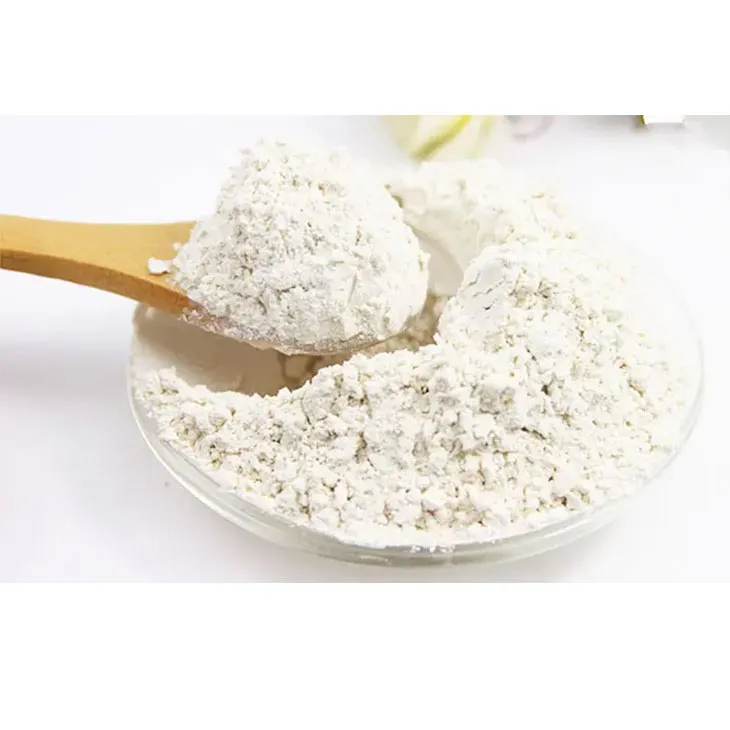
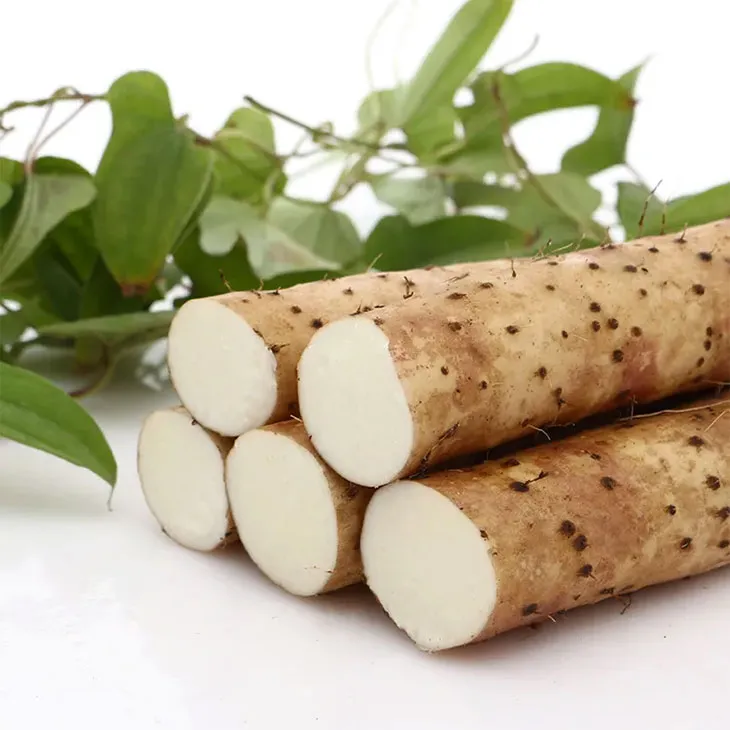
Yams are tuberous root vegetables that have been used for centuries in traditional medicine and cooking in many parts of the world. Yam Extracts are rich in various bioactive compounds, such as diosgenin, which has significant pharmaceutical and nutritional value. Pure isolates from Yam Extracts are highly sought - after in the fields of medicine, cosmetics, and food industries. This article will explore the processing and extraction technologies involved in obtaining pure isolates from yams.
2. Traditional Extraction Techniques
2.1 Maceration
Maceration is one of the simplest and most traditional methods of extracting compounds from yams. In this process:
- The yam is first washed and peeled to remove any dirt and outer layers.
- It is then cut into small pieces and soaked in a solvent, such as ethanol or methanol, for a certain period of time, usually several days to weeks.
- During this time, the solvent penetrates the yam tissue and dissolves the desired compounds.
- After soaking, the mixture is filtered to separate the liquid extract from the solid yam residue.
However, this method has some limitations. It is a relatively slow process, and the extraction efficiency may not be very high. Also, there is a risk of microbial growth during the long soaking period.

2.2 Decoction
Decoction is another traditional technique commonly used for Yam Extraction:
- The yam pieces are placed in a pot with water and boiled for a certain period.
- The heat helps to break down the yam tissue and release the active compounds into the water.
- After boiling, the liquid is strained to obtain the extract.
While decoction is a quick method, it may cause the degradation of some heat - sensitive compounds in the yam. Also, the resulting extract may contain a large amount of impurities.
3. Modern Extraction Technologies

3.1 Soxhlet Extraction
Soxhlet extraction is a widely used modern extraction method for Yam Extracts:
- The yam sample is placed in a Soxhlet thimble, which is then inserted into a Soxhlet apparatus.
- A solvent, usually a non - polar or moderately polar solvent like hexane or ethyl acetate, is continuously circulated through the sample in the thimble.
- The solvent evaporates in the distillation flask, rises through the condenser, and then drips back onto the sample, repeating the extraction process continuously.
- This method is highly efficient as it allows for multiple extractions with a relatively small amount of solvent. It can extract a wide range of compounds from the yam, including lipids, steroids, and some phenolic compounds.
Nevertheless, Soxhlet extraction also has some drawbacks. It is a time - consuming process, and the use of organic solvents may pose environmental and safety concerns.
3.2 Supercritical Fluid Extraction (SFE)
Supercritical fluid extraction is a more advanced and environmentally friendly technique:
- In SFE, a supercritical fluid, most commonly carbon dioxide (CO₂), is used as the extraction solvent.
- Carbon dioxide is in a supercritical state when it is above its critical temperature (31.1 °C) and critical pressure (73.8 bar). In this state, it has properties similar to both a gas and a liquid, which makes it an excellent solvent for extracting compounds from yams.
- The advantages of SFE are numerous. It is a relatively fast process, and it can be highly selective, allowing for the extraction of specific compounds while leaving behind unwanted impurities. Also, since carbon dioxide is a non - toxic, non - flammable gas, it is much safer and more environmentally friendly compared to traditional organic solvents.
3.3 Ultrasonic - Assisted Extraction (UAE)
Ultrasonic - assisted extraction is another modern technique that has gained popularity in recent years:
- In UAE, ultrasonic waves are applied to the yam - solvent mixture.
- The ultrasonic waves create cavitation bubbles in the solvent, which implode and generate high - intensity shock waves and micro - jets. These mechanical forces help to break down the yam cell walls and enhance the mass transfer of the compounds from the yam into the solvent.
- UAE can significantly reduce the extraction time compared to traditional methods. It also has the potential to increase the extraction yield and improve the quality of the extract.
4. Factors Affecting the Quality of Isolates
4.1 Yam Variety
Different yam varieties contain different levels of bioactive compounds. For example:
- Some varieties may have a higher content of diosgenin, while others may be rich in other types of polysaccharides or flavonoids.
- The choice of yam variety is crucial in determining the quality and quantity of the isolates obtained. Varieties with higher levels of the desired compounds will generally yield better - quality isolates.
4.2 Extraction Conditions
Several extraction conditions play a vital role in the quality of isolates:
- Solvent Type: Different solvents have different solubilities for various compounds. For instance, non - polar solvents are better for extracting lipids, while polar solvents are more suitable for polar compounds like polysaccharides.
- Temperature: High temperatures may cause the degradation of heat - sensitive compounds, while low temperatures may result in lower extraction efficiencies. The optimal temperature needs to be determined based on the nature of the compounds to be extracted.
- Extraction Time: Longer extraction times may increase the yield, but they may also lead to the extraction of more impurities. Finding the right balance is essential for obtaining high - quality isolates.
4.3 Post - Extraction Processing
After the extraction, further processing steps are required to obtain pure isolates:
- Filtration and Centrifugation: These steps are used to remove solid particles and impurities from the extract. Filtration can be done using filter papers or membranes, while centrifugation can separate heavier particles from the liquid extract.
- Evaporation and Drying: To obtain the pure isolate, the solvent needs to be removed. Evaporation can be carried out under reduced pressure or at normal temperature, depending on the nature of the solvent. Drying can be achieved using techniques such as freeze - drying or spray - drying to obtain a dry powder form of the isolate.
5. Future Prospects of Yam - Derived Pure Isolates in the Global Market
5.1 Pharmaceutical Applications
The pure isolates from yams, especially diosgenin, have great potential in the pharmaceutical industry:
- Diosgenin can be used as a starting material for the synthesis of steroid hormones, such as progesterone and cortisone. With the increasing demand for these hormones in the treatment of various hormonal disorders and inflammatory diseases, the market for yam - derived isolates in the pharmaceutical sector is expected to grow.
- Research is also ongoing to explore the potential of other bioactive compounds in yams for the development of new drugs, especially in the areas of anti - cancer, anti - diabetic, and cardiovascular disease prevention.
5.2 Cosmetic Applications
Yam - derived isolates are also finding their way into the cosmetic industry:
- Polysaccharides from yams can be used as moisturizers and thickeners in cosmetic products. They can help to improve the skin's hydration and texture.
- Some bioactive compounds in yams have antioxidant properties, which can be beneficial for protecting the skin from oxidative stress and premature aging. As consumers become more conscious about skin health and anti - aging products, the demand for yam - based cosmetic ingredients is likely to increase.
5.3 Food Industry Applications
In the food industry, yam - derived isolates can be used in several ways:
- As a source of dietary fiber, yam polysaccharides can be added to various food products to improve their nutritional value. They can also enhance the texture and stability of food products, such as in bakery products and dairy products.
- Some bioactive compounds in yams may have functional properties, such as antioxidant and antimicrobial activities. Incorporating these compounds into food products can help to extend their shelf - life and improve their safety.
Overall, the future of yam - derived pure isolates in the global market looks promising, with increasing applications in various industries. However, further research is needed to optimize the extraction technologies and improve the quality and safety of these isolates.
FAQ:
What are the traditional extraction techniques for Yam Extracts?
Traditional extraction techniques for Yam Extracts often include methods like maceration and decoction. Maceration involves soaking the yam material in a solvent (such as ethanol or water) for an extended period, allowing the active compounds to dissolve into the solvent. Decoction is a process where the yam is boiled in water for a certain time, and then the liquid is collected. These traditional methods are relatively simple but may have limitations in terms of extraction efficiency and selectivity.
What modern extraction techniques can be used for Yam Extract processing?
Modern extraction techniques for Yam Extracts include supercritical fluid extraction (SFE), microwave - assisted extraction (MAE), and ultrasonic - assisted extraction (UAE). SFE uses supercritical fluids, typically carbon dioxide, as the solvent. It offers high selectivity and can extract compounds at relatively low temperatures, preserving their integrity. MAE uses microwave energy to heat the solvent and yam material, enhancing the extraction rate. UAE utilizes ultrasonic waves to create cavitation in the solvent, which helps in the release of active compounds from the yam more efficiently.
What factors can affect the quality of yam - derived pure isolates?
Several factors can influence the quality of yam - derived pure isolates. The type and quality of the yam raw material play a crucial role. Yams from different regions or varieties may have different chemical compositions. The extraction method and its parameters, such as temperature, pressure, and extraction time, also impact the quality. Additionally, post - extraction processing steps like purification and drying methods can affect the purity and stability of the isolates. Contamination during the extraction process, either from the environment or the extraction equipment, can also lower the quality of the isolates.
What are the potential applications of yam - derived pure isolates in the global market?
Yam - derived pure isolates have various potential applications in the global market. In the pharmaceutical industry, they may be used for the development of new drugs or as ingredients in traditional medicine due to their potential bioactive properties. In the cosmetic industry, they can be incorporated into skincare products for their antioxidant and moisturizing effects. In the food industry, yam isolates could be used as natural additives for their nutritional value and functional properties, such as thickening agents or stabilizers.
How can the purity of yam - derived pure isolates be determined?
The purity of yam - derived pure isolates can be determined through various analytical methods. Chromatographic techniques such as high - performance liquid chromatography (HPLC) and gas chromatography (GC) are commonly used. These methods can separate and quantify the different components in the isolate. Spectroscopic methods like infrared spectroscopy (IR) and nuclear magnetic resonance (NMR) can also provide information about the chemical structure and purity of the isolates. Additionally, other techniques such as mass spectrometry (MS) can be used for the identification and quantification of specific compounds in the yam - derived pure isolates.
Related literature
- Advanced Extraction Technologies for Bioactive Compounds from Yams"
- "Quality Control in Yam Extract Processing: A Comprehensive Review"
- "The Global Market Potential of Yam - Derived Pure Isolates: Current and Future Trends"


-

Sophora Flavescens Root Extract
2024-12-07
-

Dandelion Leaf Extract
2024-12-07
-

Rose Hip Extract
2024-12-07
-

Fig Extract
2024-12-07
-

Acai Berry Extract
2024-12-07
-

Licorice Root Extract Powder
2024-12-07
-

Honeysuckle Pollen
2024-12-07
-

Vitamin B9 powder
2024-12-07
-

Lily extract
2024-12-07
-

Nutmeg Extract
2024-12-07