


1. Introduction
Rosehip has emerged as a highly valuable natural resource in recent years. It is packed with nutrients such as vitamins (especially Vitamin C), essential fatty acids, and a variety of bioactive compounds. These properties have made rosehip extracts desirable in the food, cosmetic, and pharmaceutical industries. However, to obtain pure and high - quality rosehip extract, it is crucial to understand and implement appropriate processing and extraction techniques.
2. Raw Material Selection
The first step in producing pure rosehip extract is the careful selection of raw materials.
2.1. Species and Varieties
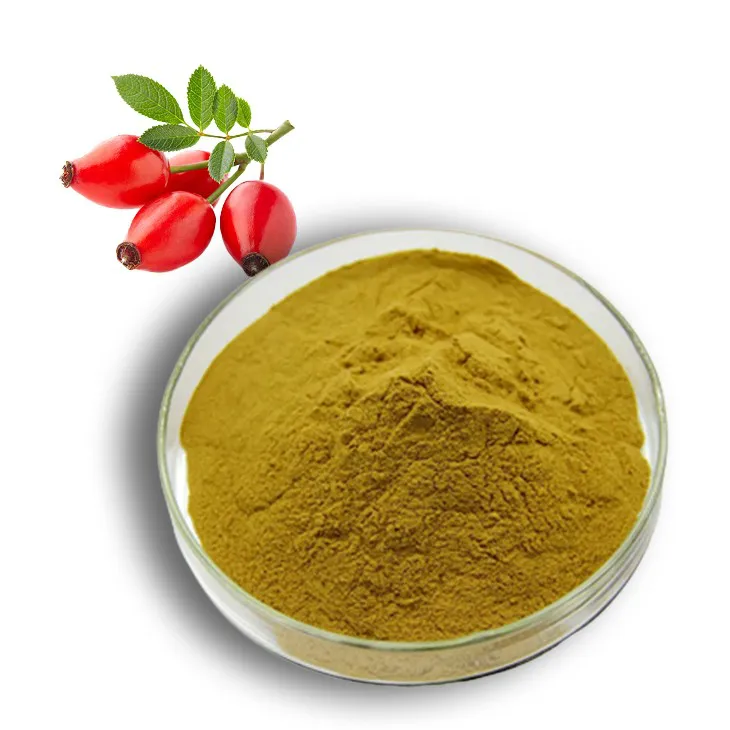
There are different species of rose plants that produce rosehips. For example, Rosa canina is one of the most commonly used species for extract production. However, other species may also be suitable depending on the desired properties of the extract. Different varieties within a species can also vary in terms of their chemical composition. Therefore, it is important to identify the species and variety that will yield the best results for the intended application.
2.2. Maturity and Quality
The maturity of the rosehip plays a significant role in the quality of the extract. Ideally, rosehips should be harvested at the optimal stage of maturity. Immature rosehips may not have fully developed their nutrient content, while over - mature ones may have started to deteriorate or lose some of their valuable compounds. Visual inspection can be used to assess the quality of the rosehips. They should be firm, well - colored, and free from signs of disease or damage.

2.3. Source and Cultivation
The source of the rosehips, whether they are wild - harvested or cultivated, can also impact the extract quality. Wild - harvested rosehips may be subject to more variability in terms of their environment and potential contamination. On the other hand, cultivated rosehips can be grown under controlled conditions, which can ensure more consistent quality. However, proper cultivation practices such as appropriate fertilization, irrigation, and pest control are essential to produce high - quality rosehips for extraction.
3. Pretreatment of Rosehips
Before extraction, rosehips need to undergo pretreatment to prepare them for the extraction process.
3.1. Cleaning
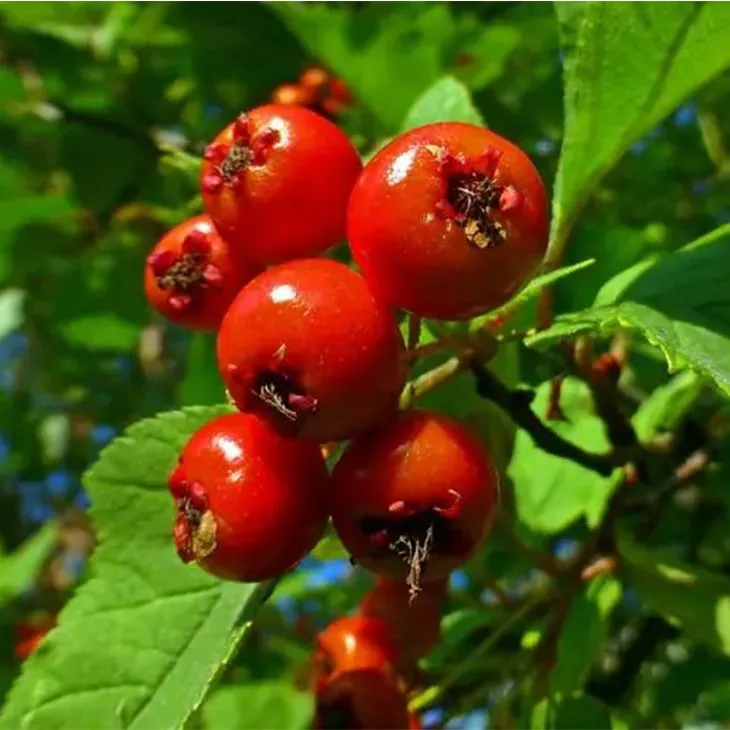
Rosehips should be thoroughly cleaned to remove any dirt, debris, or foreign matter. This can be achieved by washing them in clean water. It is important to ensure that all surface contaminants are removed as they can affect the purity of the extract. After washing, the rosehips may need to be dried to remove excess water, which can be done at a low temperature to avoid damage to the rosehips.
3.2. Sorting
Sorting is necessary to separate damaged or diseased rosehips from the healthy ones. This can be done manually or using mechanical sorting devices. By removing the sub - standard rosehips, the overall quality of the extract can be improved as damaged rosehips may contain degraded compounds or be more prone to microbial contamination.
3.3. Removal of Seeds and Stems
The seeds and stems of rosehips are generally not desired in the extract as they may contain different chemical compositions compared to the fruit pulp. The seeds can be removed by mechanical means such as crushing the rosehips and then separating the seeds through sieving or other separation techniques. Stems should also be removed as completely as possible to ensure a pure extract.
4. Extraction Techniques
There are several extraction techniques available for obtaining rosehip extract, each with its own advantages and limitations.
4.1. Solvent Extraction
- Solvent Selection: The choice of solvent is crucial in solvent extraction. Commonly used solvents include ethanol, methanol, and water. Ethanol is a popular choice as it can effectively extract a wide range of bioactive compounds from rosehips while being relatively safe and easy to handle. Methanol can also be used, but it is more toxic and requires more careful handling. Water extraction is a more natural and environmentally friendly option, but it may not be as effective in extracting some of the lipophilic compounds.
- Extraction Process: In solvent extraction, the pretreated rosehips are typically ground or pulverized to increase the surface area for better extraction. The ground rosehips are then mixed with the selected solvent in a suitable container. The mixture is stirred or agitated for a certain period, usually several hours to days, depending on the extraction conditions. The temperature can also be controlled during extraction. Higher temperatures may increase the extraction efficiency but may also lead to the degradation of some heat - sensitive compounds.
- Separation: After extraction, the solvent - containing extract needs to be separated from the solid residue. This can be done by filtration or centrifugation. Filtration using filter paper or a filter membrane can effectively remove the solid particles, while centrifugation can be used to separate the extract more quickly and efficiently.
4.2. Supercritical Fluid Extraction
- Principle: Supercritical fluid extraction (SFE) utilizes a supercritical fluid, most commonly carbon dioxide (CO₂), as the extraction solvent. A supercritical fluid has properties between those of a liquid and a gas. CO₂ is often chosen because it is non - toxic, non - flammable, and has a relatively low critical temperature and pressure. At supercritical conditions, CO₂ can penetrate the matrix of the rosehips and selectively extract the desired compounds.
- Extraction Setup: The SFE system consists of a high - pressure pump, an extraction vessel, and a separation unit. The pretreated rosehips are placed in the extraction vessel. The supercritical CO₂ is pumped into the vessel at the appropriate pressure and temperature conditions. The extraction process occurs as the supercritical CO₂ interacts with the rosehips and extracts the compounds.
- Separation and Collection: After extraction, the pressure is reduced, which causes the supercritical CO₂ to return to its gaseous state. The extracted compounds are then collected, while the CO₂ can be recycled for further use. This makes SFE an environmentally friendly extraction method.
4.3. Pressurized Liquid Extraction
- Concept: Pressurized liquid extraction (PLE), also known as accelerated solvent extraction, uses liquid solvents at elevated pressures and temperatures. This method can increase the extraction efficiency by improving the solubility of the compounds in the solvent and reducing the extraction time.
- Procedure: The rosehips are placed in an extraction cell, and a suitable solvent is added. The cell is then sealed and heated to the desired temperature and pressurized. The extraction occurs for a set period, usually much shorter than traditional solvent extraction methods. After extraction, the extract is collected by depressurizing the cell and separating the liquid extract from the solid residue.
5. Post - extraction Processing
After the extraction of rosehip extract, further processing may be required to obtain a pure isolate.
5.1. Concentration
The extracted rosehip solution may be too dilute for some applications. Concentration can be achieved through methods such as evaporation. By evaporating the solvent under controlled conditions, the concentration of the bioactive compounds in the extract can be increased. However, care must be taken not to over - heat the extract during evaporation as this may lead to the degradation of some compounds.
5.2. Purification
To obtain a pure isolate, purification steps are often necessary. This can involve techniques such as chromatography. For example, column chromatography can be used to separate different compounds in the rosehip extract based on their chemical properties. By passing the extract through a column filled with a suitable stationary phase, different compounds can be selectively retained or eluted, resulting in a more purified extract.
5.3. Drying
After concentration and purification, the rosehip extract may need to be dried to obtain a solid form. Drying can be done using methods such as freeze - drying or spray - drying. Freeze - drying is a gentle drying method that can preserve the structure and activity of the bioactive compounds. Spray - drying is a more rapid method and is suitable for large - scale production. However, the drying conditions need to be carefully optimized to ensure the quality of the final product.
6. Quality Control and Analysis
Quality control is essential throughout the production process of rosehip extract to ensure the purity and quality of the final product.
6.1. Chemical Analysis
Chemical analysis techniques such as high - performance liquid chromatography (HPLC) and gas chromatography - mass spectrometry (GC - MS) can be used to analyze the composition of the rosehip extract. HPLC is useful for analyzing polar compounds, while GC - MS is more suitable for volatile and non - polar compounds. These techniques can identify and quantify the various bioactive compounds in the extract, ensuring that the desired compounds are present in the appropriate amounts.
6.2. Microbiological Testing
Microbiological testing is necessary to ensure that the rosehip extract is free from harmful microorganisms such as bacteria, yeasts, and molds. Tests such as total plate count, coliform count, and yeast and mold count can be carried out. If any microbial contamination is detected, appropriate measures such as sterilization or further purification need to be taken.
6.2. Physical Properties Testing
Testing of physical properties such as solubility, density, and viscosity can also provide information about the quality of the rosehip extract. These properties can affect the usability of the extract in different applications. For example, in the cosmetic industry, the viscosity of the extract may be an important factor in formulating products.
7. Conclusion
Producing pure rosehip extract requires careful attention to every step of the process, from raw material selection to post - extraction processing. By understanding and implementing the appropriate techniques for raw material selection, pretreatment, extraction, post - extraction processing, and quality control, it is possible to obtain high - quality rosehip extract with a high degree of purity. This can meet the demands of various industries, including food, cosmetics, and pharmaceuticals, and take full advantage of the valuable properties of rosehips.
FAQ:
What are the key factors in raw material selection for rosehip extract production?
When selecting raw materials for rosehip extract production, several key factors need to be considered. Firstly, the species of rosehip is important as different species may vary in nutrient content and bioactive compound profiles. For example, Rosa canina is a commonly used species known for its high levels of Vitamin C and other beneficial substances. Secondly, the maturity of the rosehips at the time of harvest plays a role. Fully ripe rosehips generally have a higher concentration of nutrients. Additionally, the quality of the growing environment, including soil quality, climate, and absence of contaminants, is crucial. Rosehips grown in clean, unpolluted areas are more likely to yield high - quality extracts.
What pre - treatment methods are commonly used for rosehip before extraction?
Before extraction, common pre - treatment methods for rosehip include cleaning, drying, and grinding. Cleaning is essential to remove any dirt, debris, or foreign matter from the rosehips. Drying can be done through natural drying in a well - ventilated area or using artificial drying methods at controlled temperatures. This helps to reduce moisture content, which is important for subsequent extraction processes and to prevent spoilage. Grinding the dried rosehips into a powder or fine particles increases the surface area available for extraction, enabling more efficient extraction of the desired compounds.
What are the advanced extraction processes for rosehip extract?
Advanced extraction processes for rosehip extract include supercritical fluid extraction (SFE) and microwave - assisted extraction (MAE). Supercritical fluid extraction uses a supercritical fluid, often carbon dioxide, as the solvent. It has the advantages of being highly selective, leaving no solvent residues, and being able to operate at relatively low temperatures, which helps preserve the bioactivity of the compounds. Microwave - assisted extraction, on the other hand, uses microwave energy to heat the rosehip material and solvent mixture. This accelerates the extraction process by enhancing mass transfer and can lead to higher extraction yields in a shorter time compared to traditional extraction methods.
How can one ensure the purity of the rosehip extract during the production process?
To ensure the purity of the rosehip extract during production, several measures can be taken. Firstly, strict quality control of the raw materials, as mentioned earlier, is crucial. Using high - quality, uncontaminated rosehips reduces the risk of impurities in the final extract. During the extraction process, proper selection of solvents and extraction conditions is important. Using pure solvents and optimizing parameters such as temperature, pressure, and extraction time can help to selectively extract the desired compounds and minimize the extraction of unwanted substances. Additionally, post - extraction purification steps such as filtration and chromatography can be employed to further remove any remaining impurities.
What are the challenges in the processing and extraction of rosehip extract?
There are several challenges in the processing and extraction of rosehip extract. One challenge is the variability in the composition of rosehips due to factors such as species, growing conditions, and harvest time. This can make it difficult to standardize the extraction process and the quality of the final extract. Another challenge is the presence of complex matrices in rosehips, which may contain a variety of compounds that can interfere with the extraction of the target compounds. Additionally, cost - effectiveness is an issue, especially when using advanced extraction techniques that may require expensive equipment and specialized solvents. Finally, ensuring the bioactivity of the extracted compounds during the extraction and processing steps can be challenging, as some processes may cause degradation or inactivation of these compounds.
Related literature
- Optimization of Rose Hip Extract Production: A Comprehensive Review"
- "Rose Hip Extract: From Raw Material to Pure Isolate - Processing Innovations"
- "Advanced Extraction Techniques for High - Quality Rose Hip Extract"


-

Vitamin D3
2024-12-07
-

Hawthorn powder
2024-12-07
-

Ginger Extract
2024-12-07
-

Wheat Germ Extract
2024-12-07
-

Curcuma Longa Extract/Turmeric extract
2024-12-07
-

Green Tea Extract
2024-12-07
-

Red Date Extract
2024-12-07
-

Orange Flavor Powder
2024-12-07
-

Ivy Extract
2024-12-07
-

L-Arginine
2024-12-07