


1. Introduction
Jujube, also known as Chinese date, has been widely used in traditional medicine and the food industry due to its rich nutritional value and various health - promoting properties. Jujube Extracts are of particular interest as they contain a variety of bioactive compounds such as polysaccharides, flavonoids, and triterpenic acids. Obtaining pure isolates from Jujube Extracts is crucial for both research purposes and the development of high - quality jujube - based products. This article will explore the processing and extraction technologies involved in achieving pure isolates from Jujube Extracts.
2. Raw Material Selection
The quality of the raw jujubes is the first and foremost factor in obtaining pure isolates.
2.1 Variety
Different jujube varieties vary in their chemical composition. For example, some varieties may have a higher content of polysaccharides, while others may be rich in flavonoids. Selecting the appropriate variety based on the desired isolate is essential.
2.2 Maturity
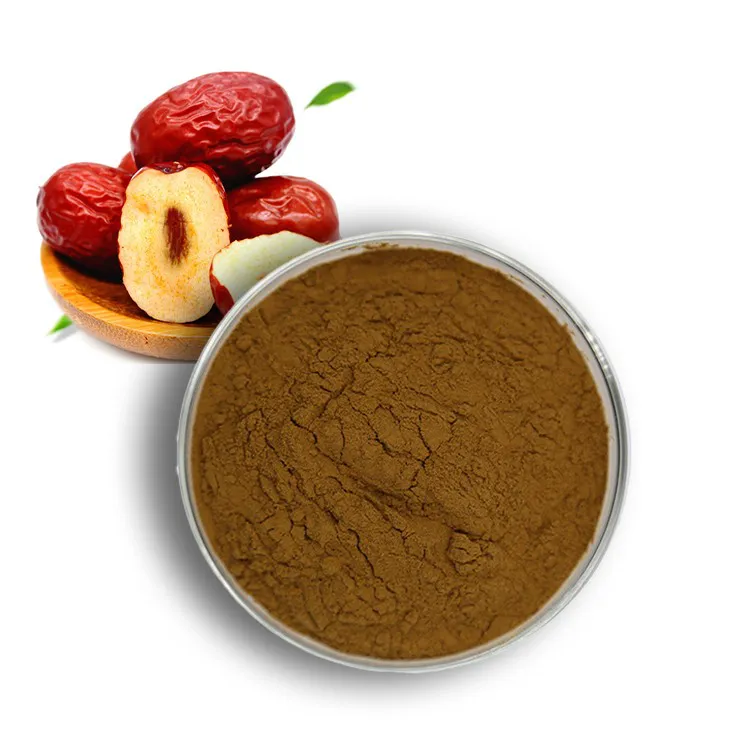
The maturity of jujubes also affects the extraction process. Immature jujubes may have different chemical profiles compared to fully ripe ones. Generally, fully ripe jujubes are preferred as they tend to have a more stable and complete set of bioactive compounds.

2.3 Quality and Purity
Jujubes should be free from contaminants such as pesticides, heavy metals, and other impurities. High - quality, pure jujubes ensure that the resulting extracts and isolates are also of high quality.
3. Pretreatment of Jujubes
Pretreatment is necessary to make the extraction process more efficient and to ensure the quality of the final isolates.

3.1 Cleaning
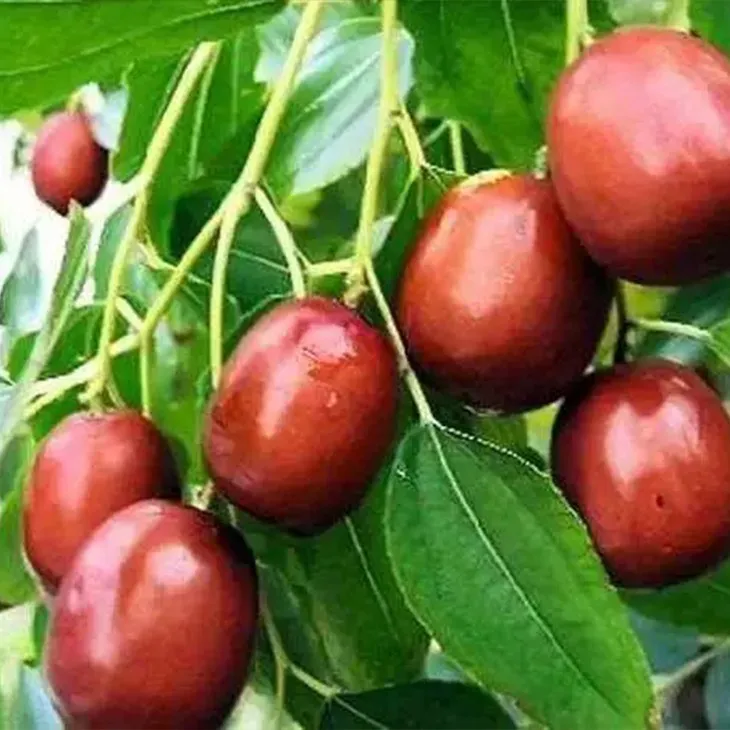
Jujubes need to be thoroughly cleaned to remove dirt, debris, and any surface contaminants. This can be done by washing the jujubes in clean water multiple times until the water runs clear.
3.2 Drying
After cleaning, drying the jujubes is an important step. Drying can be carried out in different ways, such as natural drying in the sun or using drying equipment like dehydrators. Proper drying helps to preserve the jujubes and prepares them for further processing. It also reduces the moisture content, which can affect the extraction efficiency.
3.3 Grinding
Once dried, the jujubes are ground into a fine powder. This increases the surface area available for extraction, allowing for better contact between the jujube material and the extraction solvent. The powder should be of a consistent size to ensure uniform extraction.
4. Extraction Methods
There are several extraction methods available for obtaining Jujube Extracts, each with its own advantages and limitations.
4.1 Solvent Extraction
- Solvent selection: Different solvents can be used for Jujube Extraction, such as water, ethanol, methanol, and their mixtures. Water is a commonly used solvent as it is safe, inexpensive, and can extract a wide range of water - soluble compounds like polysaccharides. Ethanol is also popular, especially for extracting flavonoids and other lipophilic compounds. The choice of solvent depends on the target compounds in the Jujube Extract.
- Extraction process: The ground jujube powder is mixed with the selected solvent in a suitable ratio. This mixture is then stirred or shaken for a certain period of time, usually several hours to days, at a specific temperature. For example, when extracting polysaccharides with water, the mixture may be stirred at room temperature for 2 - 3 days. After extraction, the mixture is filtered to separate the extract from the solid residue.
4.2 Supercritical Fluid Extraction (SFE)
- Principle: Supercritical fluid extraction uses a supercritical fluid, such as supercritical carbon dioxide (CO₂), as the extraction solvent. Supercritical fluids have properties between those of a liquid and a gas, which gives them unique extraction capabilities. CO₂ is non - toxic, non - flammable, and can be easily removed from the extract, leaving behind a pure product.
- Process: The jujube powder is placed in an extraction vessel, and supercritical CO₂ is pumped into the vessel at a specific pressure and temperature. The supercritical CO₂ penetrates the jujube material and extracts the desired compounds. The extract - laden CO₂ is then passed through a separator, where the pressure is reduced, causing the CO₂ to return to a gaseous state and leaving the extract behind.
4.3 Microwave - Assisted Extraction (MAE)
- Mechanism: Microwave - assisted extraction uses microwave energy to heat the jujube - solvent mixture. Microwaves can penetrate the sample and cause rapid heating, which can enhance the extraction efficiency by increasing the mass transfer rate of the compounds from the jujube material to the solvent.
- Procedure: The jujube powder and solvent are placed in a microwave - compatible container. The mixture is then irradiated with microwaves at a specific power level and for a set time. After extraction, the mixture is filtered as in other extraction methods.
5. Purification of Jujube Extracts
After extraction, the Jujube Extracts usually contain a mixture of compounds and need to be purified to obtain pure isolates.
5.1 Filtration and Centrifugation
- Filtration: Filtration is the first step in purifying the extract. It helps to remove large particles, such as undissolved jujube debris and insoluble impurities. Simple filtration using filter paper or more advanced membrane filtration can be used depending on the scale of the operation and the desired purity level.
- Centrifugation: Centrifugation can be used to further separate fine particles from the extract. By spinning the extract at a high speed, heavier particles are forced to the bottom of the centrifuge tube, leaving a clearer supernatant. This supernatant can then be further processed for purification.
5.2 Chromatographic Separation
- Column Chromatography: Column chromatography is a widely used method for purifying Jujube Extracts. A column is filled with a stationary phase, such as silica gel or an ion - exchange resin. The Jujube Extract is then loaded onto the column, and different compounds in the extract are separated as they pass through the column at different rates depending on their interaction with the stationary phase. For example, flavonoids may interact differently with the silica gel compared to polysaccharides, allowing for their separation.
- High - Performance Liquid Chromatography (HPLC): HPLC is a more advanced chromatographic technique. It offers higher resolution and can separate complex mixtures of compounds in the Jujube Extract more precisely. The extract is pumped through a column filled with a fine - particle stationary phase at a high pressure, and the separated compounds are detected and quantified using a detector.
6. Concentration and Drying of the Isolates
Once the pure isolates are obtained, they need to be concentrated and dried for further use or storage.
6.1 Concentration
Concentration can be achieved through methods such as evaporation under reduced pressure or using a rotary evaporator. By reducing the volume of the solvent in the isolate solution, the concentration of the target compounds is increased.
6.2 Drying
- Freeze - Drying: Freeze - drying, also known as lyophilization, is a preferred method for drying jujube isolates. In this process, the isolate solution is first frozen, and then the water is removed by sublimation under vacuum. Freeze - drying helps to preserve the structure and activity of the bioactive compounds in the isolates.
- Spray - Drying: Spray - drying is another option. The isolate solution is sprayed into a hot drying chamber, where the solvent evaporates quickly, leaving behind dry powder. However, spray - drying may cause some loss of bioactivity due to the high - temperature exposure.
7. Quality Control and Analysis
Quality control is essential to ensure that the obtained pure isolates meet the required standards.
7.1 Chemical Analysis
- Identification of Compounds: Various analytical techniques such as spectroscopy (e.g., UV - Vis spectroscopy, infrared spectroscopy) and mass spectrometry can be used to identify the compounds in the jujube isolates. These techniques can provide information about the chemical structure and composition of the isolates.
- Quantification of Bioactive Compounds: Methods like HPLC can also be used to quantify the amount of bioactive compounds such as flavonoids and polysaccharides in the isolates. This helps to ensure that the isolates have the desired potency.
7.2 Purity Assessment
- Chromatographic Purity: Chromatographic techniques can be used to assess the purity of the isolates. A pure isolate should show a single peak in chromatographic analysis, indicating that it is free from other contaminating compounds.
- Physical and Chemical Properties: Measuring physical and chemical properties such as melting point, solubility, and pH can also provide information about the purity of the isolates.
8. Conclusion
Producing pure isolates from Jujube Extracts involves a series of carefully controlled steps, from raw material selection to final quality control. Each step, including raw material pretreatment, extraction, purification, concentration, and drying, plays a crucial role in obtaining high - purity isolates. By understanding and optimizing these processing and extraction technologies, it is possible to develop high - quality jujube - based products with enhanced health - promoting properties and to further explore the potential of jujube in various fields such as medicine and food science.
FAQ:
What are the initial steps in processing Jujube Extracts for pure isolates?
The initial steps usually involve sourcing high - quality jujubes. Then, they need to be thoroughly cleaned to remove any dirt, debris or impurities on the surface. After that, the jujubes are often dried to a certain extent, which helps in the subsequent extraction process.
Which extraction methods are commonly used for Jujube Extracts?
Common extraction methods include solvent extraction. For example, using ethanol or water as solvents. Another method is supercritical fluid extraction, which can be more efficient in extracting certain components. Maceration is also sometimes used, where the jujubes are soaked in a solvent for a period of time to allow the extraction of the desired compounds.
How can the purity of Jujube Extract isolates be measured?
The purity can be measured through various analytical techniques. High - performance liquid chromatography (HPLC) is often used. It can separate and quantify the different components in the extract, allowing for the determination of the purity of the isolates. Spectrophotometry can also be employed in some cases, by measuring the absorbance of specific wavelengths related to the target compounds.
What factors can affect the production of high - purity Jujube Extract isolates?
Several factors can have an impact. The quality of the raw jujubes is crucial. If they are contaminated or of low quality, it will be difficult to obtain high - purity isolates. The extraction conditions, such as temperature, pressure (in the case of some extraction methods), and the ratio of solvent to jujube material, also play important roles. Additionally, the purification steps following the initial extraction, like filtration and chromatography conditions, can significantly affect the final purity.
Are there any special precautions during the processing and extraction of Jujube Extracts?
Yes, there are. When using solvents, proper safety measures should be taken to avoid any potential hazards. The extraction equipment should be well - maintained to ensure accurate and consistent results. Also, during the purification steps, cross - contamination should be prevented, for example, by using clean and sterilized filtration membranes or columns.
Related literature
- Advanced Extraction Technologies for Natural Product Isolates"
- "Jujube: Chemistry, Processing and Health Benefits"
- "Optimization of Extraction Conditions for High - Quality Natural Extracts"


-

Peppermint Extract Powder
2024-12-06
-

Sea buckthorn oil
2024-12-06
-

Grape Leaf Extract
2024-12-06
-

Antler Extract
2024-12-06
-

Vitamin B6
2024-12-06
-

Beta Carotene
2024-12-06
-

Rhodiola Rosea Root extract
2024-12-06
-

Chia Seed Powder
2024-12-06
-

L-carnitine
2024-12-06
-

Citrus Aurantium Extract
2024-12-06