


1. Introduction
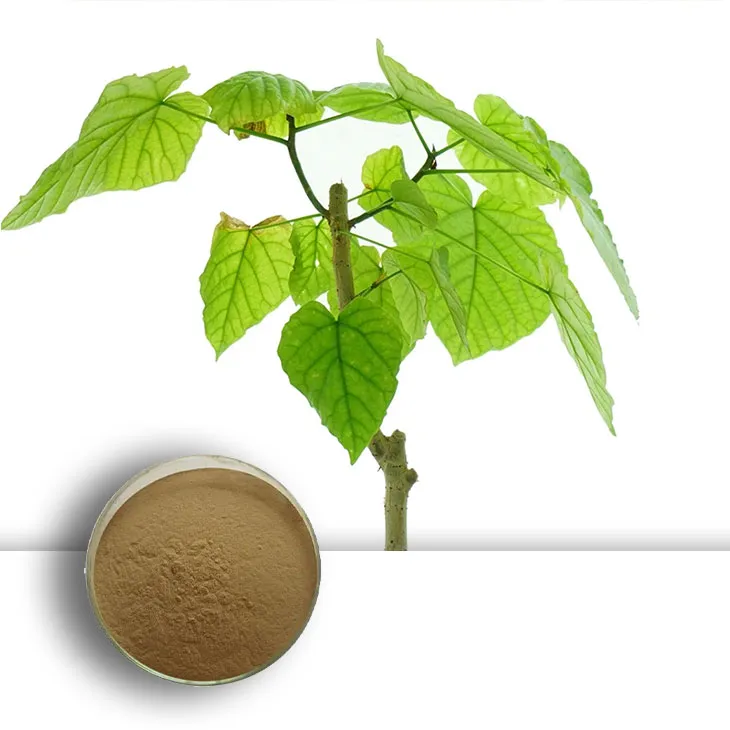
Mulberry leaves have been recognized for their various beneficial properties in traditional medicine and are also of great interest in modern research. Extracting pure isolates from mulberry leaves is crucial for obtaining high - quality, bioactive compounds. This article will explore the extraction technologies, factors influencing the process, quality control measures, and potential applications of these pure isolates.
2. Traditional Extraction Methods
2.1. Maceration
Maceration is one of the simplest and most traditional methods. It involves soaking the mulberry leaves in a solvent, such as ethanol or water, for an extended period. The process allows the solvent to penetrate the leaf tissue and dissolve the desired compounds. For example, if water is used as the solvent, the mulberry leaves are placed in a container with water and left for several days. However, this method has some limitations. It is a time - consuming process, and the extraction efficiency may not be very high. Also, there is a risk of contamination during the long soaking period.

2.2. Decoction
Decoction is a method commonly used in traditional medicine. In this process, the mulberry leaves are boiled in water for a certain period. The heat helps to break down the cell walls of the leaves and release the active compounds into the water. For instance, a specific amount of mulberry leaves is added to boiling water and simmered for about 30 minutes to an hour. One drawback of decoction is that some heat - sensitive compounds may be degraded during the boiling process, which can affect the quality of the extract.
3. Modern Extraction Technologies
3.1. Soxhlet Extraction
Soxhlet extraction is a more efficient method compared to traditional ones. It uses a Soxhlet apparatus, which continuously recycles the solvent. The mulberry leaves are placed in a thimble, and the solvent is heated and vaporized. The vapor rises, condenses, and then drips back onto the leaves, repeating the extraction process multiple times. This method is suitable for extracting compounds with low solubility in the solvent. However, it also has some disadvantages. It requires a relatively large amount of solvent, and the extraction time can be quite long, especially for complex samples.
3.2. Supercritical Fluid Extraction (SFE)
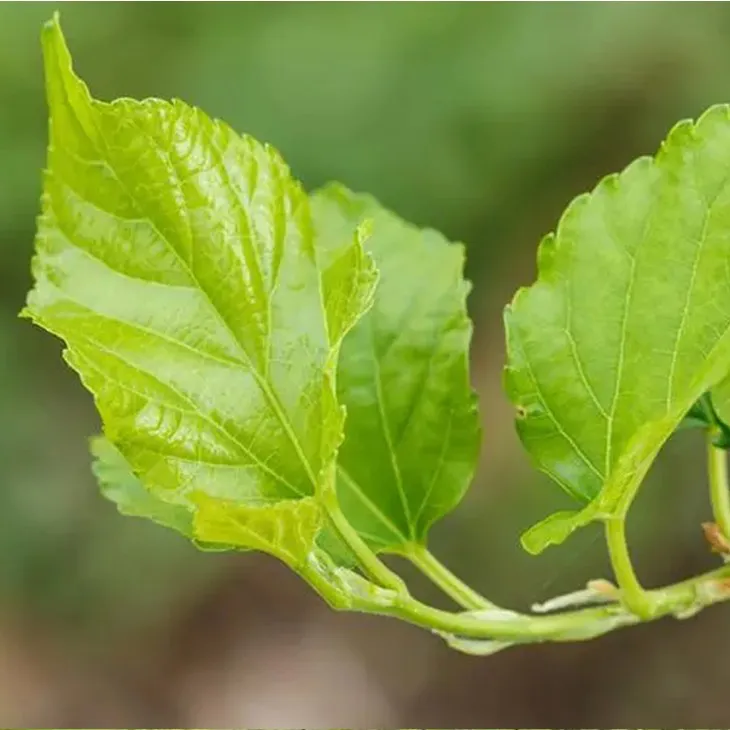
Supercritical fluid extraction (SFE) has emerged as a promising modern technique. Supercritical fluids, such as carbon dioxide (CO₂), are used as solvents. The supercritical CO₂ has properties between a gas and a liquid, which allows for better penetration and extraction of the compounds from the mulberry leaves. It offers several advantages. Firstly, it is a relatively clean method as CO₂ is non - toxic and can be easily removed from the extract. Secondly, it can operate at relatively low temperatures, which helps to preserve the integrity of heat - sensitive compounds. For example, in the extraction of bioactive flavonoids from mulberry leaves, SFE can selectively extract the desired compounds with high purity. However, the equipment for SFE is relatively expensive, which may limit its widespread application in some small - scale operations.
3.3. Ultrasonic - Assisted Extraction (UAE)
Ultrasonic - assisted extraction (UAE) utilizes ultrasonic waves to enhance the extraction process. The ultrasonic waves create cavitation bubbles in the solvent, which collapse and generate intense local temperatures and pressures. These extreme conditions help to break down the cell walls of the mulberry leaves more effectively, thus increasing the release of the target compounds. UAE has the advantages of being fast and efficient. It can significantly reduce the extraction time compared to traditional methods. For example, when extracting phenolic compounds from mulberry leaves, UAE can complete the extraction in a much shorter time while maintaining a relatively high yield. Moreover, it can be combined with other extraction methods to further improve the extraction efficiency.
4. Factors Influencing the Extraction Process
4.1. Solvent Selection
The choice of solvent is crucial in the extraction of mulberry leaf isolates. Different solvents have different polarities and solubilities for various compounds. For example, ethanol is a commonly used solvent as it can dissolve a wide range of polar and non - polar compounds present in mulberry leaves. Water, on the other hand, is suitable for extracting water - soluble compounds such as polysaccharides. The polarity of the target compound should be considered when selecting the solvent. If the wrong solvent is chosen, the extraction efficiency may be low, and the purity of the isolate may be affected.
4.2. Particle Size of Mulberry Leaves
The particle size of mulberry leaves plays an important role in the extraction process. Smaller particle sizes generally result in a larger surface area, which allows for better contact between the leaves and the solvent. For example, if the mulberry leaves are ground into a fine powder, the solvent can more easily penetrate the leaf particles and extract the compounds. However, if the particles are too small, there may be problems such as clogging during the extraction process. Therefore, an appropriate particle size needs to be determined based on the specific extraction method and equipment.
4.3. Extraction Time and Temperature
The extraction time and temperature are important factors that need to be optimized. Longer extraction times may increase the yield of the extract, but it may also lead to the degradation of some compounds, especially at higher temperatures. For example, in Soxhlet extraction, if the extraction time is too long, some heat - sensitive compounds may be damaged. On the other hand, if the temperature is too low, the extraction efficiency may be insufficient. Therefore, a balance needs to be found between extraction time and temperature to ensure the quality and yield of the pure isolate.
5. Quality Control of Mulberry leaf Extracts
5.1. Purity Analysis
Purity analysis is essential for ensuring the quality of the mulberry leaf isolates. Various analytical techniques can be used, such as high - performance liquid chromatography (HPLC) and gas chromatography - mass spectrometry (GC - MS). HPLC is widely used for analyzing polar compounds in the extract. It can separate and quantify different components in the extract based on their different retention times in the chromatographic column. GC - MS, on the other hand, is more suitable for analyzing volatile and semi - volatile compounds. By comparing the chromatograms and mass spectra of the sample with those of standard compounds, the purity of the isolate can be determined.
5.2. Identification of Bioactive Compounds
Identifying the bioactive compounds in the Mulberry leaf Extract is crucial for understanding its potential applications. Spectroscopic techniques such as ultraviolet - visible spectroscopy (UV - Vis), infrared spectroscopy (IR), and nuclear magnetic resonance spectroscopy (NMR) can be used. UV - Vis spectroscopy can be used to detect the presence of chromophores in the compounds, which can provide information about the conjugation system in the molecules. IR spectroscopy can identify the functional groups present in the compounds, while NMR spectroscopy can provide detailed information about the molecular structure of the bioactive compounds.
5.3. Contamination Detection
Contamination detection is necessary to ensure the safety and quality of the Mulberry leaf Extracts. Heavy metals, pesticides, and microbial contaminants are some of the potential contaminants that need to be monitored. Atomic absorption spectroscopy (AAS) can be used to detect heavy metals such as lead, cadmium, and mercury. Enzyme - linked immunosorbent assay (ELISA) can be used to detect pesticides residues. Microbiological tests such as total plate count and identification of pathogenic microorganisms can be used to detect microbial contamination.
6. Potential Applications of Pure Mulberry Leaf Isolates
6.1. In the Pharmaceutical Industry
Pure mulberry leaf isolates have great potential in the pharmaceutical industry. Some bioactive compounds present in mulberry leaves, such as flavonoids and alkaloids, have been shown to have antioxidant, anti - inflammatory, and anti - diabetic properties. For example, the flavonoids in mulberry leaves can scavenge free radicals and protect cells from oxidative damage. These properties make them potential candidates for the development of new drugs for the treatment of various diseases.
6.2. In the Cosmetic Industry
In the cosmetic industry, mulberry leaf isolates can be used for their antioxidant and skin - whitening properties. The antioxidants in the isolates can help to prevent skin aging by reducing the damage caused by free radicals. The skin - whitening effect is mainly due to the inhibition of melanin synthesis by some compounds in the Mulberry leaf Extract. Therefore, they can be incorporated into various cosmetic products such as creams, lotions, and serums.
6.3. In the Food Industry
Mulberry leaf isolates can also be used in the food industry. They can be added as natural additives to foods to enhance their nutritional value. For example, the polysaccharides in mulberry leaves can be used as dietary fiber additives. Also, the antioxidant properties of the isolates can help to extend the shelf life of foods by preventing lipid oxidation.
7. Conclusion
In conclusion, the production of pure isolates from Mulberry leaf Extracts involves a variety of extraction technologies, from traditional methods to modern advanced techniques. The extraction process is influenced by factors such as solvent selection, particle size, extraction time, and temperature. Quality control measures including purity analysis, identification of bioactive compounds, and contamination detection are essential for ensuring the quality of the isolates. Pure mulberry leaf isolates have potential applications in the pharmaceutical, cosmetic, and food industries. Further research is still needed to optimize the extraction process and explore more potential applications of these valuable isolates.
FAQ:
Q1: What are the traditional methods for extracting pure isolates from Mulberry leaf Extracts?
Traditional methods for extracting pure isolates from Mulberry leaf Extracts may include solvent extraction. For example, using ethanol or water as solvents. In solvent extraction, the mulberry leaves are soaked in the solvent, and then through processes like filtration and evaporation, the desired components can be obtained. Another traditional method could be maceration, where the mulberry leaves are left in the solvent for an extended period to allow the active substances to be dissolved out.
Q2: What are the modern extraction technologies for Mulberry leaf Extracts?
Modern extraction technologies for Mulberry leaf Extracts include supercritical fluid extraction. Supercritical carbon dioxide is often used as the supercritical fluid. It has the advantages of high efficiency, low toxicity, and can better preserve the bioactivity of the extracts. Another modern method is ultrasonic - assisted extraction. Ultrasonic waves can disrupt the cell walls of mulberry leaves, facilitating the release of the active ingredients, thus increasing the extraction yield and efficiency.
Q3: What factors can influence the extraction process of Mulberry leaf Extracts?
Several factors can influence the extraction process of Mulberry leaf Extracts. The type of solvent used is crucial. Different solvents have different solubility for various components in mulberry leaves. Temperature also plays a role. Higher temperatures generally increase the solubility and diffusion rate, but may also cause degradation of some heat - sensitive components. The particle size of mulberry leaves matters as well. Smaller particle sizes can provide a larger surface area for extraction, enhancing the extraction efficiency. Additionally, the extraction time affects the yield and quality of the extracts.
Q4: How is quality control carried out in the production of pure mulberry leaf isolates?
Quality control in the production of pure mulberry leaf isolates involves multiple aspects. Firstly, the raw materials, that is, the mulberry leaves, should be of high quality, free from contaminants such as pesticides and heavy metals. During the extraction process, parameters like temperature, pressure (in the case of supercritical fluid extraction), and extraction time need to be strictly controlled to ensure reproducibility and product quality. Analytical techniques such as high - performance liquid chromatography (HPLC) and gas chromatography - mass spectrometry (GC - MS) can be used to identify and quantify the active components in the isolates, ensuring that they meet the required standards.
Q5: What are the potential applications of pure mulberry leaf isolates?
Pure mulberry leaf isolates have several potential applications. In the pharmaceutical field, they may be used for developing drugs for treating diabetes, as mulberry leaves are known to have hypoglycemic effects. In the cosmetic industry, they can be added to skincare products due to their antioxidant properties, which can help in anti - aging and skin protection. They also have potential applications in the food industry as natural additives, for example, as flavor enhancers or preservatives.
Related literature
- Advanced Extraction Techniques for Bioactive Compounds from Mulberry Leaves"
- "Quality Assurance in Mulberry leaf Extract Production"
- "Applications of Mulberry Leaf Isolates in the Pharmaceutical and Cosmetic Industries"


-

Yohimbine Bark Extract
2024-12-07
-

Kidney Bean Extract
2024-12-07
-

Plantain extract
2024-12-07
-

Longan Extract
2024-12-07
-

Coconut Water Powder
2024-12-07
-

S-Adenosyl L-methionine(SAMe)
2024-12-07
-

Horse Chestnut Extract
2024-12-07
-

Almond Extract Powder
2024-12-07
-

Cat Claw Extract
2024-12-07
-

Chaste Berry Extract
2024-12-07