


1. Introduction
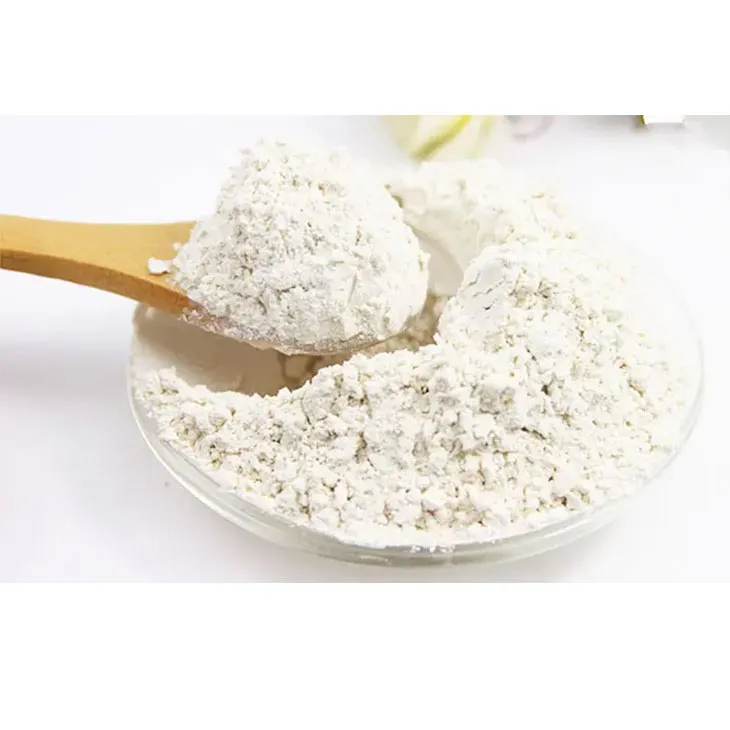
Yam Extract has gained significant popularity in various industries, including pharmaceuticals, cosmetics, and food supplements. India, with its rich biodiversity and a long - standing tradition in herbal medicine, is a prime source for high - quality Yam Extract. Purchasing Yam Extract in large quantities from India requires careful planning and consideration of multiple factors. This article aims to provide comprehensive guidance on this process.
2. Market Research for the Best Deals
2.1 Understanding the Yam Extract Market in India
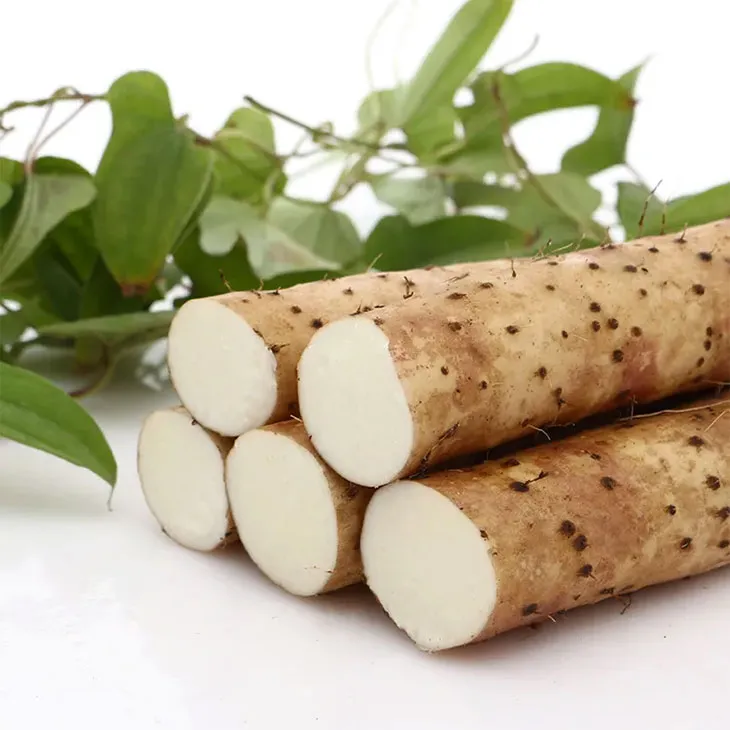
Yam Varieties and Their Extracts: India is home to several yam varieties, such as Dioscorea bulbifera and Dioscorea opposita. Each variety may have different chemical compositions and potential applications. For example, Dioscorea bulbifera extract may be more suitable for certain pharmaceutical applications due to its unique bioactive compounds. It is essential to know which variety of Yam Extract is most relevant to your business needs.
Market Trends: Keep an eye on the market trends of Yam Extract in India. This includes factors like the increasing or decreasing demand for different types of Yam Extract, emerging applications in new industries, and any regulatory changes that might affect the market. For instance, if there is a growing trend in the use of Yam Extract in the cosmetic industry for anti - aging products, it could influence the availability and price of the extract.

2.2 Identifying Reputable Suppliers
Online Research: Start with online research. Look for Indian suppliers on business - to - business (B2B) platforms such as Alibaba, IndiaMART, or TradeIndia. These platforms often have a large number of suppliers listed, along with customer reviews and ratings. However, be cautious as not all information may be accurate.
Industry Directories: Refer to industry - specific directories related to herbal extracts or natural products. These directories may provide more in - depth information about suppliers, including their production capabilities, quality control measures, and certifications. For example, if a supplier has certifications like Good Manufacturing Practice (GMP) or ISO 9001, it indicates a certain level of quality assurance.
References and Recommendations: Seek references from other businesses in your industry that have previously sourced Yam Extract from India. They can provide valuable insights into the reliability, quality, and pricing of different suppliers. Additionally, industry associations or trade shows can also be a good source of recommendations.

2.3 Comparing Prices and Quality
Price Analysis: Once you have identified a list of potential suppliers, compare their prices. However, don't base your decision solely on price. Consider the quantity discounts, minimum order quantities (MOQs), and any additional costs such as shipping, customs duties, and taxes. For example, a supplier may offer a lower price per unit but has a very high MOQ, which may not be suitable for your business.
Quality Assessment: Quality is crucial when purchasing Yam Extract. Request samples from the suppliers and have them tested in a reputable laboratory. Look for factors such as the purity of the extract, the presence of contaminants, and the consistency of the chemical composition. A high - quality Yam Extract should meet the relevant international or national quality standards.
3. Logistical Considerations for Importing from India
3.1 Shipping Options
Sea Freight: Sea freight is often a cost - effective option for large - quantity shipments of Yam Extract. It can handle large volumes, but it has a relatively long transit time. When choosing sea freight, consider factors such as the port of origin in India (e.g., Mumbai, Chennai, or Kolkata) and the port of destination in your country. You also need to factor in the time required for loading, unloading, and customs clearance at both ends.
Air Freight: Air freight is much faster but more expensive. It is suitable for urgent shipments or when you need to maintain the freshness or potency of the Yam Extract. However, due to the higher cost, it may not be practical for large - quantity purchases unless the value - added by the speed is significant for your business.
3.2 Customs and Regulatory Requirements
Import Permits: Check the import permit requirements in your country for Yam Extract. Some countries may have specific regulations regarding the import of herbal extracts, especially if they are intended for use in the pharmaceutical or food industries. Ensure that you have all the necessary permits before initiating the import process.
Customs Duties and Taxes: Understand the customs duties and taxes applicable to Yam Extract imports. These can vary depending on the country of origin (India in this case), the type of Yam Extract (e.g., whether it is a pure extract or a formulated product), and the end - use of the product. Calculate these costs accurately to avoid any unexpected financial burdens.
Documentation: Prepare all the required documentation for customs clearance. This typically includes commercial invoices, packing lists, bills of lading (for sea freight), airway bills (for air freight), certificates of origin, and quality certificates. Incomplete or incorrect documentation can lead to delays and additional costs at the customs.
3.3 Packaging and Labeling
Packaging Requirements: The Yam Extract should be packaged in a way that protects it from damage during transportation and storage. For large - quantity shipments, it may be packaged in drums, barrels, or bulk containers. Ensure that the packaging is made of suitable materials and is sealed properly to prevent leakage or contamination.
Labeling Regulations: Comply with the labeling regulations in your country. The label should include information such as the product name, the name and address of the manufacturer or supplier, the ingredients, the net weight, and any relevant warnings or instructions. Incorrect or missing labeling can lead to regulatory issues.
4. Building Long - Term Partnerships with Indian Suppliers
4.1 Communication and Cultural Understanding
Effective Communication: Establish clear and effective communication channels with your Indian suppliers. This includes regular emails, phone calls, or video conferences. Ensure that both parties understand each other's requirements, expectations, and any potential issues. Good communication can help prevent misunderstandings and resolve problems quickly.
Cultural Awareness: India has a unique and diverse culture. Understanding the cultural norms and values of your suppliers can enhance the business relationship. For example, in Indian business culture, building personal relationships and showing respect for hierarchy are often important.
4.2 Contract Negotiation and Agreement
Key Terms in the Contract: When negotiating a contract with your Indian supplier, pay attention to key terms such as the price, quantity, delivery schedule, quality standards, and payment terms. Clearly define these terms in the contract to avoid any disputes in the future. For example, specify the acceptable tolerance levels for quality parameters.
Dispute Resolution Mechanisms: Include a dispute resolution mechanism in the contract. This could be arbitration or mediation. Having a clear process for resolving disputes can save time and costs in case of any disagreements between the two parties.
4.3 Supplier Development and Collaboration
Supplier Development: Consider working with your supplier to help them improve their production processes or quality control measures. This can lead to a more reliable supply of high - quality Yam Extract in the long run. For example, you could provide technical expertise or training on international quality standards.
Collaboration on Research and Development: Collaborate with your Indian supplier on research and development projects related to Yam Extract. This could involve exploring new extraction methods, finding new applications for the extract, or improving the sustainability of yam cultivation. Such collaboration can bring mutual benefits and strengthen the partnership.
5. Conclusion
Purchasing Yam Extract in large quantities from India involves a series of complex steps. By conducting thorough market research, considering logistical aspects, and building long - term partnerships with suppliers, businesses can ensure a smooth and successful procurement process. It is essential to balance price, quality, and reliability to meet the specific needs of your business while also complying with all relevant regulations.
FAQ:
Question 1: What are the key factors to consider in market research for Yam Extract in India?
When conducting market research for Yam Extract in India, several key factors should be considered. Firstly, quality standards vary among different suppliers. It is crucial to understand the specific quality parameters such as the purity of the extract, the presence of any contaminants, and its potency. Secondly, price competitiveness is important. Comparing prices from multiple suppliers across different regions in India can help in getting the best deal. Additionally, market trends play a role. Keeping an eye on the demand - supply situation, emerging new extraction techniques that might affect quality or cost, and any regulatory changes related to Yam Extract production and sales in India.
Question 2: How can one ensure the quality of Yam Extract when purchasing in large quantities from India?
To ensure the quality of Yam Extract when making large - quantity purchases from India, start by asking suppliers for detailed product specifications and certificates of analysis. These should include information about the extraction process, the source of the yams, and any quality control measures in place at the production facility. Request samples before making a large order to conduct in - house or third - party quality testing. Also, check if the supplier is compliant with relevant Indian and international quality standards such as Good Manufacturing Practice (GMP) if applicable. Building a long - term relationship with a reliable supplier can also provide some assurance of consistent quality over time.
Question 3: What logistical challenges are involved in importing Yam Extract from India?
There are several logistical challenges in importing Yam Extract from India. One major issue is transportation. Yam Extract needs to be stored and transported under proper conditions to maintain its quality. This may require temperature - controlled storage and shipping, which can add to the cost. Customs clearance can also be a complex process. There are various regulations regarding the import of botanical extracts, including documentation requirements, phytosanitary certificates, and compliance with import duties and taxes. Additionally, finding reliable freight forwarders and shipping agents who are experienced in handling such products can be difficult, and any delays in the supply chain can impact the freshness and usability of the Yam Extract.
Question 4: How can one find reliable Indian suppliers for Yam Extract?
To find reliable Indian suppliers for Yam Extract, start with online business directories that list Indian manufacturers and exporters of botanical extracts. Trade shows and exhibitions related to herbal products in India can also be a great place to meet potential suppliers in person and assess their products. Ask for referrals from other companies in the industry who have experience importing from India. Once you identify potential suppliers, conduct background checks. Look at their business history, customer reviews if available, and their compliance with industry regulations. Visiting the supplier's facilities in India, if possible, can give you a better understanding of their production processes and quality control measures.
Question 5: What are the benefits of building long - term partnerships with Indian Yam Extract suppliers?
Building long - term partnerships with Indian Yam Extract suppliers has several benefits. Firstly, it can lead to more favorable pricing terms. As the relationship develops, suppliers may be more willing to offer discounts or stable pricing over time. Secondly, it ensures a consistent supply of Yam Extract. Long - term partners are more likely to prioritize your orders and can better plan their production to meet your needs. There is also an advantage in terms of quality control. Over time, both parties can work together to improve the quality of the extract through shared knowledge and continuous improvement initiatives. Additionally, long - term partnerships can lead to better communication and the ability to quickly resolve any issues that may arise during the procurement process.
Related literature
- “Yam Extract: Production and Market Trends in India”
- “Best Practices for Importing Botanical Extracts from India”
- “Quality Assurance in Yam Extract Procurement from India”


-
Yam Extract
2025-01-09
-

Oyster Mushroom Extract Powder
2025-01-09
-

Vitamin B6
2025-01-09
-

Dan Shen Root Extract/Salvia Root Extract
2025-01-09
-

Golden Seal Extract
2025-01-09
-

Apple Vinegar Powder
2025-01-09
-

Elderberry Extract
2025-01-09
-

Ivy Extract
2025-01-09
-

Propolis Extract Powder
2025-01-09
-

Echinacea Extract
2025-01-09