


1. Introduction
Natural Artichoke Leaf Extract has been garnering increasing attention in recent years due to its numerous potential applications in fields such as medicine, cosmetics, and food. It is rich in bioactive compounds, including phenolic acids, flavonoids, and cynarin. However, stability defects have emerged as a significant obstacle to its wider utilization. This article aims to explore effective strategies to rapidly address these stability issues.
2. Understanding the Stability Defects of Natural Artichoke Leaf Extract
2.1 Chemical Instability
The bioactive components in Artichoke Leaf Extract are chemically sensitive. For example, phenolic acids and flavonoids can be easily oxidized when exposed to air, light, or high temperatures. This oxidation process can lead to a decrease in their bioactivity and even the formation of harmful by - products. Additionally, the presence of enzymes in the extract may also cause chemical changes. For instance, hydrolytic enzymes can break down complex compounds, altering the composition and stability of the extract.
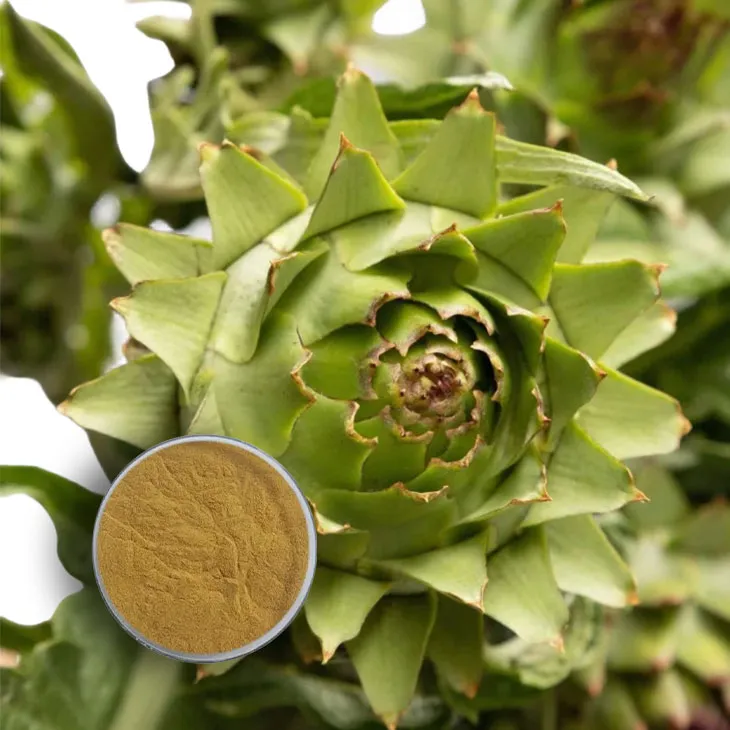
2.2 Physical Instability
Physical stability is also a concern. Natural Artichoke Leaf Extract may experience problems such as sedimentation, phase separation, or viscosity changes. These physical changes can affect the appearance, homogeneity, and usability of the extract. For example, in a cosmetic formulation, sedimentation can lead to an uneven distribution of the active ingredients, reducing the effectiveness of the product. In food products, phase separation can make the product unappealing to consumers.
3. Strategies for Solving Stability Defects
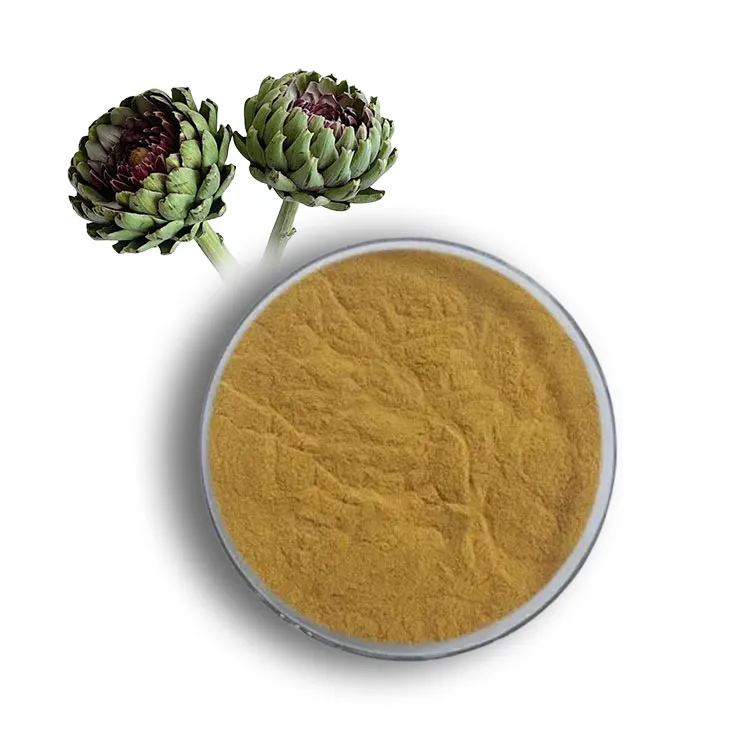
3.1 Optimization of Extraction and Purification Processes
- Proper Selection of Extraction Solvents: The choice of extraction solvent can have a significant impact on the stability of the extract. For example, solvents with lower polarity may be more suitable for extracting certain components while minimizing the extraction of enzymes that can cause instability. Ethanol - water mixtures are often preferred as they can effectively extract bioactive compounds while reducing the risk of enzyme - mediated degradation.
- Purification Techniques: Employing advanced purification techniques can help remove impurities that may contribute to instability. For example, chromatography methods such as high - performance liquid chromatography (HPLC) can be used to separate and purify the extract, eliminating unwanted compounds such as proteins and polysaccharides that may interact with the bioactive components and cause stability problems.
3.2 Protection Against Environmental Factors
- Light Protection: Packaging the Artichoke Leaf Extract in light - blocking containers, such as amber - colored bottles or opaque packaging materials, can prevent light - induced oxidation of the bioactive compounds. Additionally, adding light - stabilizers, such as certain antioxidants, can further enhance the protection against light.
- Temperature Control: Maintaining a stable temperature during storage and processing is crucial. The extract should be stored at low temperatures, preferably in a cool and dry place. For industrial - scale production, refrigerated storage and controlled - temperature processing can help preserve the stability of the extract. For example, in the food industry, cold - chain logistics can be used to ensure the quality of artichoke - based products during transportation and storage.
- Oxygen Exclusion: Oxygen is a major factor contributing to the oxidation of the extract. Using oxygen - impermeable packaging materials, such as laminated films with a high oxygen barrier, can reduce the exposure of the extract to oxygen. Additionally, adding oxygen scavengers, such as iron - based compounds, to the packaging can further decrease the oxygen concentration and protect the extract from oxidation.
3.3 Use of Stabilizing Agents
- Antioxidants: Adding antioxidants is one of the most common ways to improve the stability of Artichoke Leaf Extract. Natural antioxidants such as Vitamin C, vitamin E, and Rosemary extract can be used. These antioxidants can scavenge free radicals and prevent the oxidation of phenolic acids and flavonoids. For example, in a dietary supplement formulation, adding Vitamin C can significantly enhance the shelf - life of Artichoke Leaf Extract - based products.
- Emulsifiers and Stabilizers: In formulations where the extract is combined with other substances, such as in cosmetics or food emulsions, emulsifiers and stabilizers can be used. For example, polysorbates can be used as emulsifiers to prevent phase separation, while xanthan gum can be used as a stabilizer to maintain the viscosity and homogeneity of the product.
4. Formulation and Delivery Systems
4.1 Microencapsulation
Microencapsulation is a promising technique for improving the stability of Artichoke Leaf Extract. This process involves encapsulating the extract within a protective shell, which can be made of various materials such as polymers or lipids.
- Protection from Environmental Factors: The encapsulation shell can protect the extract from light, oxygen, and temperature fluctuations. For example, in a microencapsulated form, the Artichoke Leaf Extract can be better protected during storage and transportation, even under less - than - ideal conditions.
- Controlled Release: Microencapsulation also allows for controlled release of the extract. This can be beneficial in applications such as drug delivery, where the release of the bioactive components can be timed to achieve the best therapeutic effect. In the food industry, controlled - release microencapsulated Artichoke Leaf Extract can be used to enhance the flavor and functionality of food products over time.
4.2 Nano - Formulations
Nano - formulations are another area of interest for improving the stability of Artichoke Leaf Extract.
- Enhanced Solubility: Nano - sized particles of the extract can have increased solubility, which can improve its bioavailability and stability. For example, nano - emulsions of Artichoke Leaf Extract can be more easily dispersed in aqueous solutions, reducing the risk of sedimentation and improving the overall stability of the formulation.
- Better Interaction with Other Components: Nano - formulations can also lead to better interactions with other components in a formulation. In a cosmetic formulation, for example, nano - particles of Artichoke Leaf Extract can interact more effectively with skin - penetrating agents, enhancing the delivery of the bioactive components to the target site while maintaining stability.
5. Quality Control and Monitoring
5.1 Analytical Methods
- Spectroscopic Methods: Spectroscopic techniques such as ultraviolet - visible (UV - Vis) spectroscopy can be used to monitor the stability of Artichoke Leaf Extract. Changes in the absorption spectra can indicate the oxidation or degradation of the bioactive components. For example, a shift in the UV - Vis absorption peak of phenolic acids can suggest their chemical alteration.
- Chromatographic Methods: HPLC and gas chromatography (GC) can be used to analyze the composition of the extract over time. These methods can detect changes in the concentration of individual components, helping to identify any instability issues early on. For example, if the concentration of a key flavonoid in the extract decreases over time, it may indicate a stability problem.
5.2 Shelf - Life Testing
Conducting shelf - life testing is essential to ensure the stability of Artichoke Leaf Extract - based products.
- Accelerated Shelf - Life Testing: This involves subjecting the product to elevated temperatures, humidity, and light conditions to simulate long - term storage in a shorter period. By analyzing the product after accelerated shelf - life testing, manufacturers can predict the actual shelf - life of the product under normal storage conditions and make any necessary adjustments to improve stability.
- Real - Time Shelf - Life Testing: Real - time shelf - life testing is carried out under normal storage conditions. This provides a more accurate assessment of the product's stability but takes a longer time. Manufacturers can use both accelerated and real - time shelf - life testing methods to comprehensively evaluate the stability of their products.
6. Conclusion
The stability defects of natural Artichoke Leaf Extract can be effectively addressed through a combination of strategies. Optimization of extraction and purification processes, protection against environmental factors, use of stabilizing agents, formulation in advanced delivery systems, and strict quality control and monitoring are all crucial aspects. By implementing these measures, the potential of natural Artichoke Leaf Extract can be fully realized in various fields, from medicine to cosmetics and food, providing consumers with high - quality products containing this valuable natural extract.
FAQ:
Question 1: What are the main factors causing the stability defects of natural Artichoke Leaf Extract?
The main factors may include environmental conditions such as temperature, light, and humidity. Oxidation reactions can also play a role. Additionally, interactions with other substances in the surrounding environment or during storage and processing can lead to instability.
Question 2: How can packaging help in solving the stability problem of natural Artichoke Leaf Extract?
Appropriate packaging can be crucial. Using light - blocking, oxygen - impermeable, and moisture - resistant packaging materials can protect the extract from external factors. For example, amber - colored glass bottles or vacuum - sealed foil pouches can help maintain its stability.
Question 3: Are there any additives that can improve the stability of natural Artichoke Leaf Extract?
Yes, certain antioxidants can be added. Antioxidants like Vitamin C or natural phenolic compounds can prevent or slow down the oxidation process, thereby enhancing the stability of the extract.
Question 4: What role does storage temperature play in the stability of natural Artichoke Leaf Extract?
Storage temperature has a significant impact. Lower temperatures generally slow down chemical reactions and microbial growth. Keeping the extract at a cool and constant temperature, such as in a refrigerator or a temperature - controlled storage facility, can help maintain its stability.
Question 5: How can processing techniques affect the stability of natural Artichoke Leaf Extract?
Proper processing techniques are essential. Gentle extraction methods that minimize exposure to harsh chemicals and high temperatures can help preserve the integrity of the extract. Also, purification and concentration processes need to be carefully controlled to avoid introducing instability factors.
Related literature
- Stability Studies of Natural Plant Extracts: The Case of Artichoke Leaf Extract"
- "Enhancing the Stability of Bioactive Compounds in Artichoke Leaf Extract: A Review"
- "Factors Affecting the Stability of Natural Extracts: Focus on Artichoke Leaf"


-

Red Clover Extract
2024-12-10
-

Diosmin
2024-12-10
-

Polygonum Cuspidatum Extract
2024-12-10
-

Propolis Extract Powder
2024-12-10
-

Acerola Juice Powder
2024-12-10
-

Berberis aristata Extract
2024-12-10
-

Eucommia Ulmoides Extract
2024-12-10
-

Taurine
2024-12-10
-

American Ginseng Root Extract
2024-12-10
-

White Peony Extract
2024-12-10