


1. Introduction
Natural Kidney Bean Extract has attracted significant attention in various fields, such as the food and pharmaceutical industries, due to its potential health - promoting properties. However, its stability defects pose a major challenge. These stability issues can lead to a decrease in its bioactivity, quality, and shelf - life. Understanding the root causes of these stability defects and implementing effective solutions are crucial for the wide - scale application of Kidney Bean Extract.
2. Causes of stability defects
2.1 Chemical structure - related instability
The chemical components in Kidney Bean Extract may have inherent instability. For example, some bioactive compounds may have reactive functional groups that are prone to chemical reactions. These reactions can be triggered by factors such as temperature, pH, and the presence of other chemicals. Oxidation reactions are common among these, which can lead to the degradation of the active compounds in the extract. The complex chemical structures of some components may also make them more susceptible to hydrolysis or other types of decomposition under certain conditions.
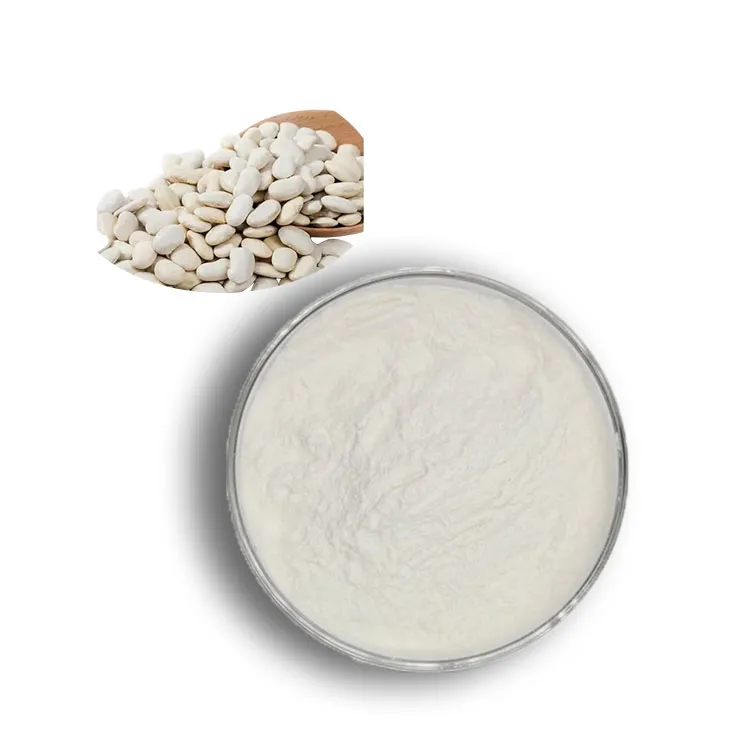
2.2 Susceptibility to external conditions
- Temperature: High temperatures can accelerate the degradation of Kidney Bean Extract. Heat can cause the denaturation of proteins or the breakdown of other thermally - labile components in the extract. For example, during processing or storage at elevated temperatures, the stability of the extract can be severely compromised.
- pH: The pH of the environment has a significant impact on the stability of the extract. Extreme pH values can cause ionization changes in the active compounds, leading to their precipitation or chemical transformation. For instance, if the pH is too acidic or too basic, certain bioactive molecules may lose their activity or become less soluble.
- Light: Exposure to light, especially ultraviolet (UV) light, can initiate photochemical reactions in the Kidney Bean Extract. These reactions can break chemical bonds and lead to the formation of degradation products, reducing the quality and stability of the extract.
- Oxygen: The presence of oxygen in the environment can promote oxidation reactions in the extract. Oxygen can react with unsaturated bonds in the bioactive compounds, resulting in the formation of peroxides and other oxidative by - products that can degrade the extract.
3. Solutions to enhance stability
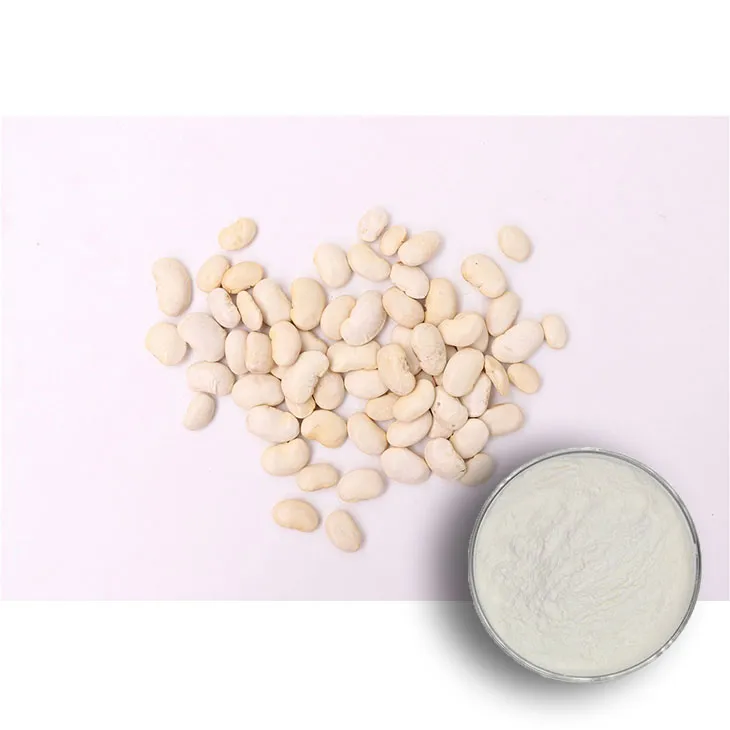
3.1 Use of stabilizers
- Antioxidants: Antioxidants can be added to prevent or slow down the oxidation of Kidney Bean Extract. Common antioxidants include Vitamin C, vitamin E, and phenolic compounds. These antioxidants work by donating electrons to free radicals, thereby stopping the oxidative chain reaction. For example, in a formulation containing Kidney Bean Extract, the addition of a small amount of Vitamin C can significantly improve the stability of the extract against oxidation.
- Chelating agents: Chelating agents can bind to metal ions in the environment, which can otherwise catalyze degradation reactions. EDTA (ethylenediaminetetraacetic acid) is a well - known chelating agent. By sequestering metal ions such as iron and copper, it can prevent these ions from participating in reactions that may lead to the decomposition of the extract.
- Polymers and surfactants: Some polymers and surfactants can be used to improve the physical stability of the extract. For example, polysaccharides like xanthan gum can increase the viscosity of the extract solution, which can prevent the sedimentation of particles. Surfactants can also help in emulsifying the extract, making it more stable in a heterogeneous system.
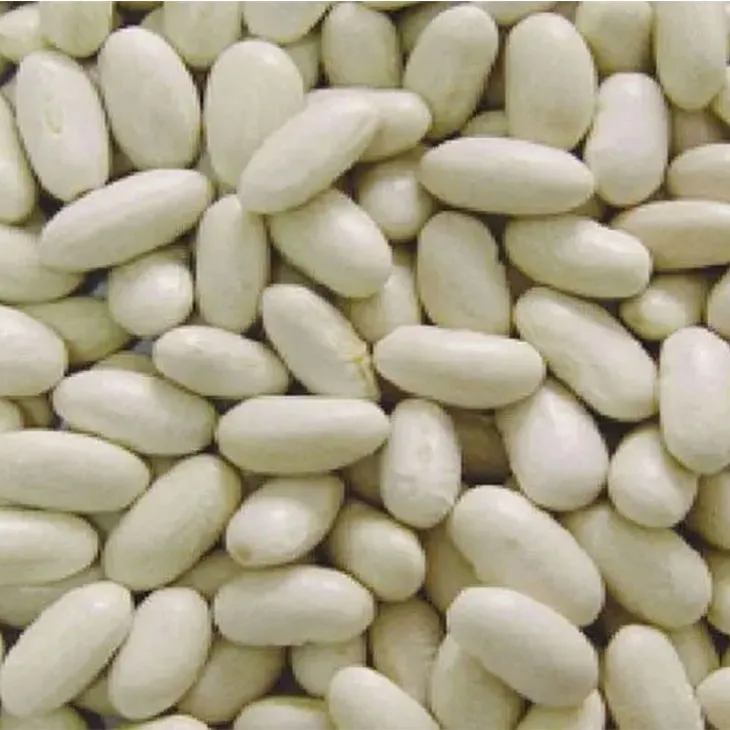
3.2 Optimized extraction processes
- Selection of appropriate solvents: The choice of solvent for extraction can have a profound impact on the stability of the resulting extract. Solvents should be selected based on their ability to extract the desired components while minimizing the extraction of impurities that may cause instability. For example, some polar solvents may be more suitable for extracting hydrophilic components while maintaining their stability compared to non - polar solvents.
- Extraction conditions:
- Temperature control: Keeping the extraction temperature at an optimal level is crucial. Too high a temperature during extraction can cause the degradation of components in the kidney bean. A lower temperature extraction process may be more beneficial for maintaining the stability of the extract. For example, using a cold - extraction method can often preserve the bioactive compounds better.
- pH adjustment: Adjusting the pH during extraction can also affect the stability of the extract. By maintaining the pH at a value that is favorable for the stability of the target components, better - quality extract can be obtained. For instance, if a particular bioactive compound is more stable at a slightly acidic pH, the extraction can be carried out at that pH.
- Extraction time: The extraction time should be optimized. Prolonged extraction may lead to over - extraction of unwanted components or the degradation of the desired ones. A proper extraction time should be determined through experimentation to ensure the highest quality and stability of the extract.
- Purification and concentration: After extraction, purification and concentration steps are often required. These steps should be carried out carefully to avoid introducing instability factors. For example, during purification, mild separation techniques should be used to prevent the loss or degradation of bioactive components. During concentration, appropriate methods such as vacuum concentration should be employed to minimize the exposure of the extract to high temperatures and oxygen.
4. Packaging and storage considerations
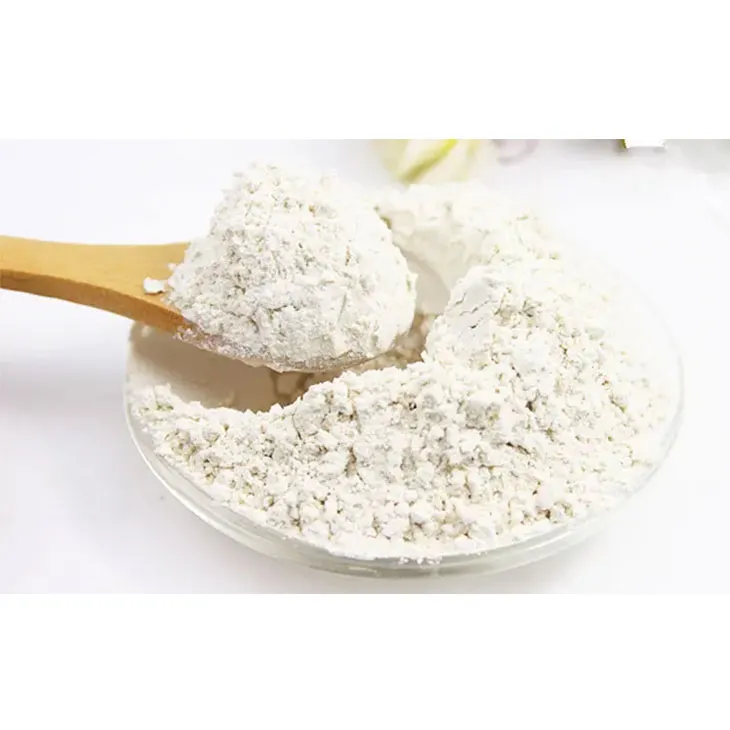
4.1 Packaging materials
- Oxygen - barrier materials: Packaging materials with good oxygen - barrier properties can prevent the ingress of oxygen into the product, reducing the risk of oxidation. For example, laminated films with a layer of aluminum foil can effectively block oxygen, protecting the Kidney Bean Extract from oxidative degradation.
- Light - blocking materials: Packaging materials that can block light, especially UV light, are also important. Amber - colored glass bottles or opaque plastic containers can be used to shield the extract from light - induced degradation.
- Moisture - resistant materials: Since moisture can also affect the stability of the extract, using moisture - resistant packaging materials is necessary. For example, desiccated packets can be included in the packaging to absorb any moisture that may be present.
4.2 Storage conditions
- Temperature control: The storage temperature should be maintained at an appropriate level. For Kidney Bean Extract, a cool and dry place is usually recommended. Refrigeration or freezing may be required for long - term storage to slow down the degradation processes.
- Humidity control: Keeping the humidity in the storage environment low can prevent moisture - related degradation of the extract. This can be achieved by using dehumidifiers or storing the product in a climate - controlled environment.
- Avoidance of contaminants: The storage area should be clean and free from contaminants such as chemicals and microorganisms. Contamination can lead to spoilage or degradation of the extract.
5. Monitoring and quality control
5.1 Analytical techniques
- Spectroscopic methods: Spectroscopic techniques such as UV - Vis spectroscopy, infrared spectroscopy, and nuclear magnetic resonance (NMR) spectroscopy can be used to monitor the chemical composition of the Kidney Bean Extract over time. These methods can detect changes in the absorption or emission spectra of the extract, which may indicate the occurrence of degradation reactions.
- Chromatographic methods: High - performance liquid chromatography (HPLC) and gas chromatography (GC) are powerful tools for analyzing the components of the extract. They can separate and quantify the different compounds in the extract, allowing for the detection of any changes in the concentration of bioactive components or the formation of degradation products.
5.2 Quality standards
Establishing quality standards for Kidney Bean Extract is essential for ensuring its stability and quality. These standards should include specifications for the chemical composition, bioactivity, and physical properties of the extract. For example, a minimum concentration of a particular bioactive compound should be defined, and the acceptable limits for impurities should be set. Regular quality control checks should be carried out according to these standards to ensure that the extract meets the required stability and quality criteria.
6. Conclusion
Solving the stability defects of natural Kidney Bean Extract requires a comprehensive approach. By understanding the causes of instability, implementing measures such as using stabilizers, optimizing extraction processes, choosing appropriate packaging materials, and maintaining proper storage conditions, as well as conducting regular monitoring and quality control, the stability of Kidney Bean Extract can be effectively enhanced. This will not only improve the quality and shelf - life of the extract but also promote its wider application in various industries.
FAQ:
What are the main factors causing the stability defects of natural Kidney Bean Extract?
The main factors include its own chemical structure - related instability. For example, certain functional groups in the extract may be prone to chemical reactions such as oxidation or hydrolysis. External conditions also play a major role. Exposure to factors like light, heat, oxygen, and changes in pH can lead to instability. Moisture can also cause degradation or spoilage of the extract.
How can stabilizers improve the stability of natural Kidney Bean Extract?
Stabilizers can work in multiple ways. Some stabilizers can form a protective layer around the active components of the Kidney Bean Extract, preventing their contact with external factors such as oxygen and moisture. Others can interact with the molecules of the extract at a chemical level, for example, by chelating metal ions that may catalyze degradation reactions. They can also adjust the pH around the extract to an optimal range where the stability is enhanced.
What are the key points in optimizing the extraction process to enhance the stability of the natural Kidney Bean Extract?
One key point is the choice of extraction solvents. Using solvents that are mild and less likely to cause chemical changes to the extract components can improve stability. Another point is the control of extraction temperature and time. Lower and more precisely controlled temperature and appropriate extraction time can prevent over - extraction or thermal degradation. Also, the purification steps during extraction should be carefully designed to remove impurities that may affect stability as early as possible.
Are there any specific types of stabilizers that are more effective for natural Kidney Bean Extract?
Antioxidants can be very effective as stabilizers for natural Kidney Bean Extract. They can prevent the oxidation of sensitive components in the extract. For example, Vitamin C and tocopherols can scavenge free radicals that may cause oxidative damage. Additionally, some polysaccharides and proteins can also act as stabilizers. They can form complexes with the active components of the extract, protecting them from degradation.
How can we monitor the stability of natural Kidney Bean Extract during storage?
We can use various analytical methods. One common method is spectroscopic analysis, such as UV - Vis spectroscopy, which can detect changes in the absorption spectra of the extract over time, indicating possible chemical changes. Chromatographic techniques like HPLC can be used to analyze the composition of the extract at different storage times, showing if there are losses or degradations of key components. Physical properties such as viscosity and solubility can also be monitored, as changes in these properties may suggest instability.
Related literature
- Stability Studies of Natural Plant Extracts: The Case of Kidney Bean Extract"
- "Enhancing the Stability of Bioactive Compounds from Kidney Bean: A Review"
- "The Role of Chemical Structure in the Stability of Natural Kidney Bean Extracts"


-

Milk Thistle Extract
2024-12-13
-

Senna Leaf Extract
2024-12-13
-

L-carnitine
2024-12-13
-

Shikone Extract
2024-12-13
-

Red Date Extract
2024-12-13
-

Giant Knotweed Extract
2024-12-13
-

Beta Carotene
2024-12-13
-

Cranberry Extract
2024-12-13
-

Selenium yeast
2024-12-13
-

Phyllanthus Emblica Extract
2024-12-13