


1. Introduction
Natural Mulberry leaf Extract has attracted significant attention in recent years due to its diverse biological activities and potential applications in fields such as medicine, cosmetics, and food. However, its instability has become a major obstacle hindering its wider utilization. Stability in this context refers to the ability of the extract to maintain its chemical composition and biological activity over time and under different environmental conditions. Understanding the factors contributing to instability and finding effective solutions are crucial for the full exploitation of Mulberry leaf Extract.
2. Factors causing instability
2.1 Environmental factors
- Temperature: Fluctuations in temperature can have a profound impact on the stability of Mulberry leaf Extract. High temperatures can accelerate chemical reactions within the extract, leading to the degradation of active components. For example, heat - sensitive compounds may break down, losing their biological functionality.
- Light: Exposure to light, especially ultraviolet (UV) light, can initiate photochemical reactions. These reactions can modify the chemical structure of the extract's components, causing a decrease in stability. Components such as flavonoids and phenolic acids in Mulberry leaf Extract are susceptible to photodegradation.
- Oxygen: The presence of oxygen in the environment can lead to oxidation reactions. Mulberry leaf Extract contains many compounds that are prone to oxidation, such as polyphenols. Oxidation can change the chemical properties of these compounds, reducing their effectiveness and stability.
- Humidity: High humidity levels can promote the growth of microorganisms and the hydrolysis of certain components in the extract. Moisture can also cause physical changes, such as clumping or caking, which may affect the homogeneity and stability of the extract.

2.2 Internal chemical composition
- Complexity of components: Mulberry leaf Extract is a complex mixture of various compounds, including flavonoids, alkaloids, polysaccharides, and phenolic acids. The interactions between these components can sometimes be unstable. For instance, certain compounds may react with each other under specific conditions, leading to the formation of new, less stable substances.
- Sensitivity of active ingredients: Some of the active ingredients in the extract, such as certain flavonoids, are highly sensitive to environmental changes. Their chemical structures can be easily altered, which in turn affects the overall stability of the extract.
3. Effective solutions
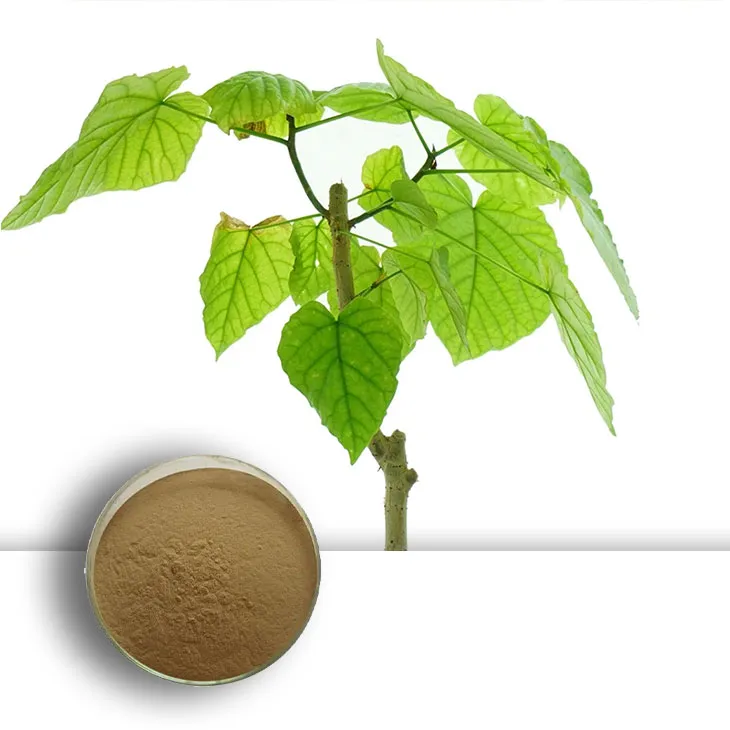
3.1 Advanced encapsulation techniques
- Microencapsulation: This technique involves enclosing the Mulberry leaf Extract within a microscopic shell. The shell can be made of various materials, such as polymers or lipids. For example, using gelatin as a coating material, the extract can be protected from environmental factors. The microcapsules can prevent oxygen and moisture from reaching the extract, thus enhancing its stability. Additionally, they can also control the release of the extract, which is beneficial for applications where a slow and sustained release is required, such as in drug delivery systems.
- Nanoparticle encapsulation: Nanoparticles offer a more refined approach to encapsulation. Due to their extremely small size, they have a large surface - to - volume ratio. This allows for better interaction with the extract and more efficient protection. Nanoparticles can be designed to have specific properties, such as enhanced solubility or targeted delivery. For instance, liposome - based nanoparticle encapsulation can protect the extract from degradation while also facilitating its absorption in the body in biomedical applications.
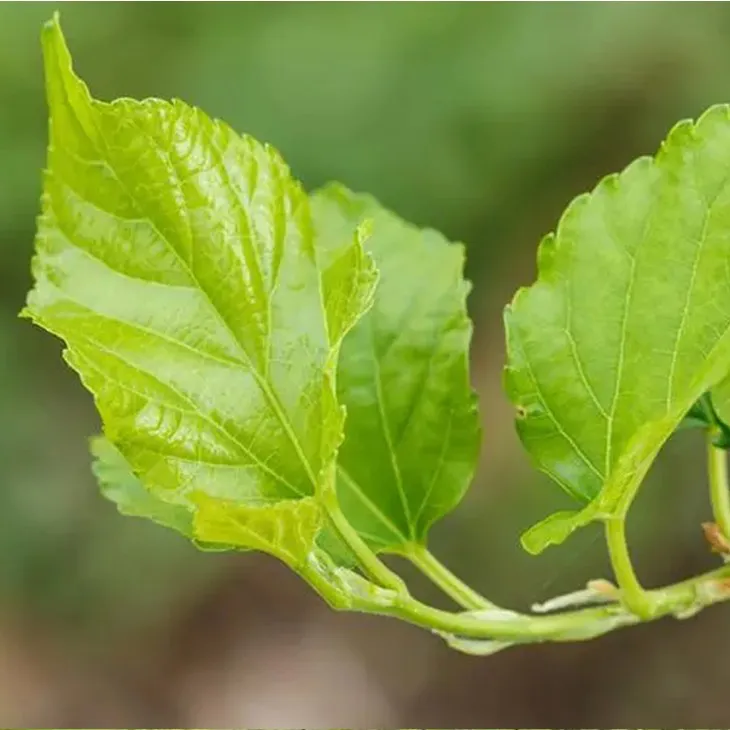
3.2 Proper storage conditions
- Temperature control: Storing Mulberry leaf Extract at a constant and appropriate temperature is essential. For most cases, a cool and dry place is recommended. In some industrial settings, refrigeration or even freezing may be necessary to maintain the stability of the extract, especially for extracts with highly sensitive components.
- Light protection: Using opaque containers can shield the extract from light exposure. This simple measure can significantly reduce the risk of photodegradation. For example, amber - colored glass bottles are commonly used in the storage of herbal extracts as they can block out most UV light.
- Oxygen and moisture exclusion: Packaging the extract in air - tight and moisture - proof containers can prevent oxygen and moisture from interacting with the extract. Desiccants can also be added to the packaging to further reduce moisture levels. For example, using vacuum - sealed bags with silica gel desiccants can effectively maintain the dryness and stability of the extract.
4. Conclusion
The stability defect of natural Mulberry leaf Extract is a complex issue that requires a comprehensive understanding of the factors involved and the implementation of appropriate solutions. By addressing environmental factors through proper storage conditions and utilizing advanced encapsulation techniques to manage the internal chemical composition, relevant industries can quickly overcome this problem. This will enable the full utilization of the benefits of Mulberry leaf Extract in various fields, promoting the development of products with enhanced quality and functionality.
FAQ:
Q1: What are the main environmental factors causing the instability of natural Mulberry leaf Extracts?
Environmental factors such as temperature, light, and humidity can cause instability in natural Mulberry leaf Extracts. High temperatures may accelerate chemical reactions within the extract, leading to degradation. Exposure to light, especially ultraviolet light, can also trigger photochemical reactions that break down the active components. Humidity can affect the water content in the extract, potentially causing hydrolysis or other chemical changes.
Q2: How do the internal chemical components of Mulberry leaf Extracts contribute to their instability?
The internal chemical components of Mulberry leaf Extracts, such as polyphenols, flavonoids, and alkaloids, may be reactive. For example, polyphenols are prone to oxidation due to their phenolic hydroxyl groups. Flavonoids can interact with other substances in the extract or in the environment, which may lead to changes in their chemical structure and properties. Alkaloids may also be affected by pH changes within the extract, resulting in instability.
Q3: What are advanced encapsulation techniques for improving the stability of Mulberry leaf Extracts?
Advanced encapsulation techniques include microencapsulation and nanoencapsulation. Microencapsulation can protect the extract by enclosing it within a small capsule. This can prevent direct contact with environmental factors. Nanoencapsulation, on a smaller scale, offers better protection and controlled release properties. These techniques can enhance the stability of the extract by shielding it from factors like light, heat, and oxygen.
Q4: What are the proper storage conditions for natural Mulberry leaf Extracts?
Proper storage conditions for natural Mulberry leaf Extracts include storing them in a cool, dry, and dark place. A low - temperature environment, such as in a refrigerator or a cool storage room, can slow down chemical reactions. Keeping the extract away from sunlight and sources of moisture can also prevent degradation. Additionally, using air - tight containers can limit the exposure to oxygen, which is beneficial for maintaining stability.
Q5: Can adding stabilizers improve the stability of natural Mulberry leaf Extracts?
Yes, adding stabilizers can improve the stability of natural Mulberry leaf Extracts. Stabilizers can interact with the active components in the extract to prevent or slow down chemical reactions. For example, antioxidants can be added to prevent the oxidation of polyphenols. However, the choice of stabilizers needs to be carefully considered to ensure they are compatible with the extract and do not introduce any unwanted side effects.
Related literature
- Stability and Bioactivity of Mulberry leaf Extracts: A Review"
- "Enhancing the Stability of Natural Plant Extracts: The Case of Mulberry Leaf"
- "Factors Affecting the Stability of Mulberry Leaf - Derived Compounds"


-

Astaxanthin
2024-12-11
-

Sea buckthorn oil
2024-12-11
-

Lily extract
2024-12-11
-

Ivy Extract
2024-12-11
-

Dandelion Root Extract
2024-12-11
-

Chaste Berry Extract
2024-12-11
-

American Ginseng Root Extract
2024-12-11
-

Diosmin
2024-12-11
-

Apricot Powder
2024-12-11
-

Vitamin C
2024-12-11