


1. Introduction
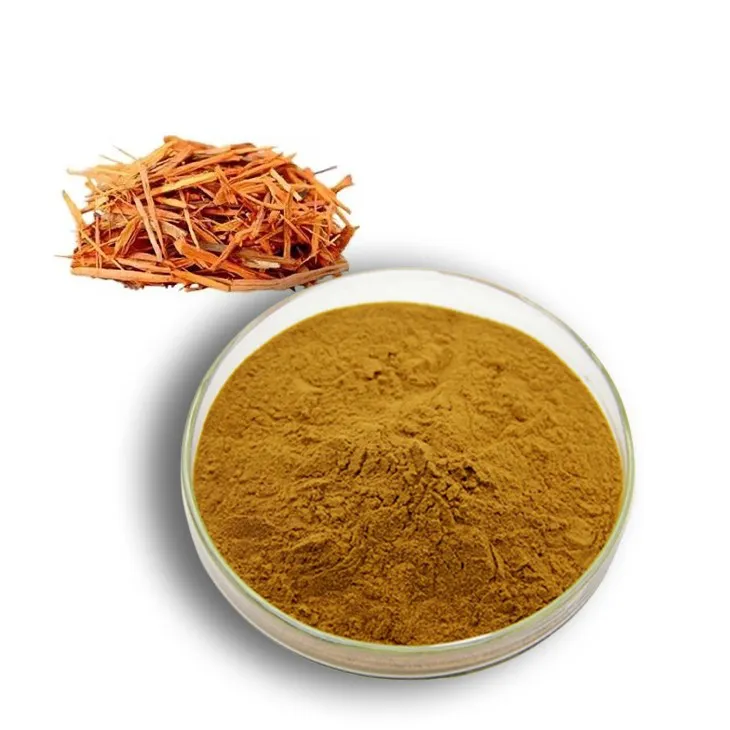
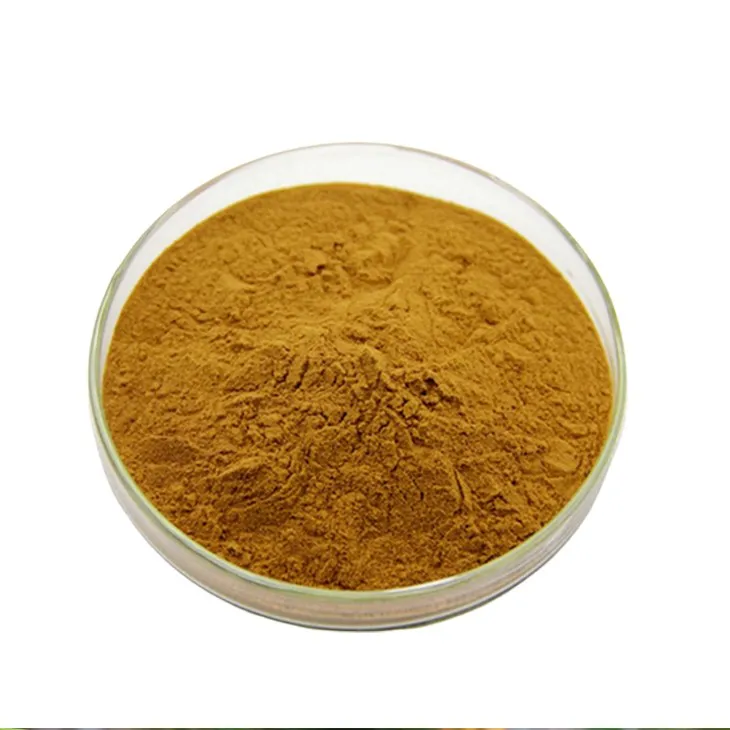
Natural Yellow Pine Extracts have been widely studied and utilized in various fields due to their potential beneficial properties. However, the stability of these extracts remains a significant challenge. Instability can lead to a decrease in the effectiveness of the extract and limit its applications. In this article, we will explore multiple aspects to quickly solve the stability defects of natural Yellow Pine Extracts.
2. Factors Affecting the Stability of Yellow Pine Extracts
2.1 Chemical Composition
The chemical composition of Yellow Pine Extracts is complex, containing a variety of compounds such as flavonoids, terpenoids, and phenolic acids. Some of these compounds may be unstable under certain conditions, which can affect the overall stability of the extract. For example, flavonoids may be sensitive to oxidation, and terpenoids may be affected by temperature and light.
2.2 Environmental Factors
- Temperature: High temperatures can accelerate the degradation of components in the yellow pine extract. For instance, when the extract is stored at a high temperature, chemical reactions may occur more rapidly, leading to a change in its properties.
- Humidity: Excessive humidity can cause hydrolysis or microbial growth in the extract. Moist environments may provide a suitable condition for microorganisms to thrive, which can decompose the extract.
- Light: Ultraviolet and visible light can also have an impact on the stability of the extract. Light - induced reactions may break down certain compounds in the extract, reducing its quality.
3. Strategies for Solving Stability Defects
3.1 Formulation Adjustment
- Addition of Stabilizers
- Antioxidants can be added to prevent the oxidation of sensitive components in the yellow pine extract. For example, Vitamin C or vitamin E can be used as antioxidants. They can react with free radicals and prevent the oxidation of flavonoids and other compounds.
- Another option is to add chelating agents. These agents can bind to metal ions that may catalyze degradation reactions in the extract. EDTA (ethylenediaminetetraacetic acid) is a commonly used chelating agent in this regard.
- Optimization of Solvent Systems
- The choice of solvent can significantly affect the stability of the extract. Some solvents may better dissolve and stabilize the active components of the Yellow Pine Extract. For example, ethanol - water mixtures may provide a more stable environment compared to pure water or other solvents.
- It is also important to consider the polarity of the solvent. A solvent with an appropriate polarity can help maintain the integrity of the extract components.

3.2 Temperature - Humidity Management
- Storage Conditions
- The Yellow Pine Extract should be stored at a low - temperature and low - humidity environment. Ideal storage temperatures may range from 2 - 8°C. This can slow down chemical reactions and prevent the growth of microorganisms.
- Controlled - humidity storage facilities can be used. For example, desiccants can be placed in the storage area to maintain a low - humidity environment.
- Packaging Design
- Use of air - tight and moisture - proof packaging materials. For example, amber - colored glass bottles or laminated aluminum foil pouches can protect the extract from light, air, and moisture.
- Packaging should be designed to minimize headspace, which can reduce the exposure of the extract to oxygen and moisture.
3.3 Purification Methods
- Filtration
- Filtration can remove impurities and particulate matter from the Yellow Pine Extract. This can improve the purity of the extract and potentially enhance its stability. For example, membrane filtration can be used to separate large - molecular - weight impurities.
- Chromatographic Purification
- Chromatographic techniques such as high - performance liquid chromatography (HPLC) can be employed to purify the extract. This method can separate different components of the extract based on their chemical properties, allowing for the isolation of more stable fractions.
4. Monitoring and Quality Control
- Regular Analysis of Stability
- Periodic analysis of the stability of the Yellow Pine Extract is crucial. This can be done through various methods such as spectroscopic analysis (e.g., UV - Vis spectroscopy) to monitor changes in the absorption spectra of the extract, which can indicate the degradation of components.
- Chromatographic analysis can also be used to track the changes in the composition of the extract over time.
- Quality Standards
- Establishment of strict quality standards for the Yellow Pine Extract. These standards should include parameters such as the purity of the extract, the stability under specific conditions, and the absence of harmful contaminants.
- Quality control during the production process should be carried out to ensure that the extract meets the established standards.
5. Conclusion
Solving the stability defects of natural Yellow Pine Extracts requires a multi - faceted approach. By considering factors such as formulation adjustment, temperature - humidity management, and purification methods, along with proper monitoring and quality control, it is possible to enhance the stability of the Yellow Pine Extract. This will not only improve its effectiveness but also expand its potential applications in various fields.
FAQ:
What are the main factors affecting the stability of natural Yellow Pine Extract?
The main factors include formulation components, environmental conditions like temperature and humidity, and the purity of the extract. In the formulation, certain ingredients may interact unfavorably with the active components of the Yellow Pine Extract, leading to instability. Temperature and humidity can accelerate chemical reactions such as oxidation or hydrolysis. A low - purity extract may contain impurities that can also contribute to instability.
How can formulation adjustment improve the stability of natural Yellow Pine Extract?
Formulation adjustment can involve adding stabilizers or changing the ratio of existing components. For example, antioxidants can be added to prevent oxidation of the extract. Adjusting the pH of the formulation to an optimal range can also enhance stability. Additionally, using appropriate solvents or carriers that are compatible with the extract can help maintain its integrity.
What role does temperature - humidity management play in solving the stability defects?
Temperature - humidity management is crucial. By controlling the temperature, we can slow down chemical reactions. For instance, storing the Yellow Pine Extract at a lower temperature can reduce the rate of degradation. Maintaining a proper humidity level also prevents moisture - related issues such as hydrolysis. Using climate - controlled storage facilities or packaging with humidity - regulating properties can be effective strategies.
How do purification methods contribute to the stability of the extract?
Purification methods remove impurities that might otherwise react with the active components of the Yellow Pine Extract. Through techniques like chromatography or filtration, unwanted substances can be separated. A purer extract is less likely to have components that cause instability, leading to a more stable product overall.
Are there any other methods apart from the ones mentioned to enhance the stability?
Yes, there are. Packaging can play a role. Using light - blocking and air - tight packaging can protect the extract from light - induced and oxygen - related degradation. Another method could be microencapsulation, which can isolate the extract from the external environment and protect it from adverse factors.
Related literature
- Stability Studies of Natural Plant Extracts: A Comprehensive Review"
- "Enhancing the Stability of Bioactive Extracts: Case of Yellow Pine"
- "The Impact of Environmental Factors on the Stability of Natural Extracts"


-

Beetroot Powder
2024-12-11
-

Curcumin
2024-12-11
-

L-Arginine
2024-12-11
-

Lavender Extract
2024-12-11
-

L-Cysteine
2024-12-11
-

Bayberry Extract
2024-12-11
-

Bamboo Leaf extract
2024-12-11
-

Propolis Extract Powder
2024-12-11
-

Apple Vinegar Powder
2024-12-11
-

Kupilu Extract
2024-12-11