


1. Introduction to Ginseng Root Extract in Skincare
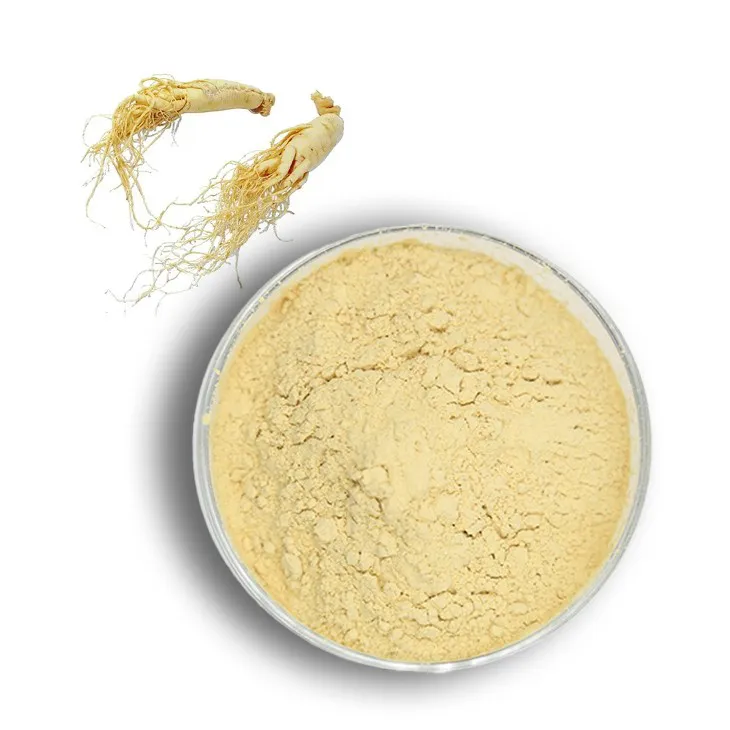
Ginseng has been a prized ingredient in traditional medicine for centuries, and its benefits have now made their way into the world of high - end skincare. Ginseng Root Extract is rich in a variety of bioactive compounds, including ginsenosides, which are known for their antioxidant, anti - inflammatory, and anti - aging properties.
Antioxidants play a crucial role in skincare as they help to neutralize free radicals. Free radicals are unstable molecules that can damage the skin cells, leading to premature aging, wrinkles, and dullness. By combating these free radicals, Ginseng Root Extract can help to keep the skin looking youthful and radiant.
The anti - inflammatory properties of Ginseng Root Extract also make it beneficial for those with sensitive or irritated skin. It can help to soothe the skin, reducing redness and inflammation, and promoting a more even - toned complexion.
2. Properties of Ginseng Root Extract for Skincare
2.1 Antioxidant Activity
The ginsenosides in Ginseng Root Extract are powerful antioxidants. They work by donating an electron to the free radicals, thereby stabilizing them and preventing them from causing damage to the skin. This antioxidant activity not only helps in preventing signs of aging but also in protecting the skin from environmental stressors such as pollution and UV radiation.
2.2 Anti - Inflammatory Effects
Ginseng Root Extract has been shown to inhibit the production of inflammatory mediators in the skin. This can be particularly useful for treating skin conditions such as acne, eczema, and psoriasis, where inflammation plays a significant role. By reducing inflammation, it can also improve the overall health and appearance of the skin.

2.3 Skin Rejuvenation
It is believed that Ginseng Root Extract can stimulate the production of collagen in the skin. Collagen is a key protein that provides structural support to the skin, keeping it firm and elastic. As we age, the production of collagen declines, leading to sagging skin and wrinkles. By promoting collagen production, Ginseng Root Extract can help to rejuvenate the skin, reducing the appearance of fine lines and wrinkles.
3. Extraction Methods of Ginseng Root Extract

3.1 Solvent Extraction
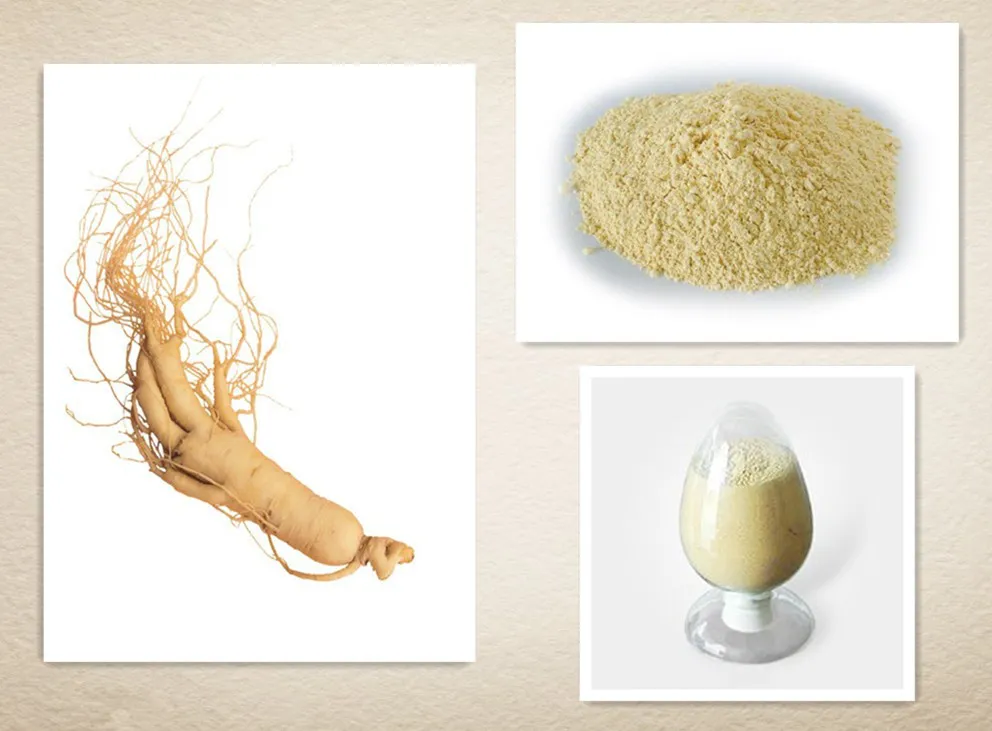
Solvent extraction is one of the most common methods for obtaining Ginseng Root Extract. In this method, a suitable solvent such as ethanol or water is used to extract the bioactive compounds from the ginseng roots. Ethanol is often preferred as it can dissolve a wide range of compounds, including the ginsenosides. The process involves grinding the ginseng roots into a fine powder and then soaking it in the solvent for a certain period of time. After that, the mixture is filtered to separate the extract from the solid residue.

3.2 Supercritical Fluid Extraction
Supercritical fluid extraction is a more advanced and environmentally friendly method. In this process, a supercritical fluid, usually carbon dioxide, is used as the solvent. Supercritical carbon dioxide has properties between those of a gas and a liquid, which makes it an excellent solvent for extracting bioactive compounds. It can penetrate deep into the ginseng roots and selectively extract the desired compounds. The advantage of this method is that it can produce a high - quality extract with a high concentration of bioactive compounds, and it does not leave any harmful residues.
4. Steps to Make High - end Skin Care Products with Ginseng Root Extract
4.1 Cleansing Products
- Prepare the ingredients: Gather Ginseng Root Extract, a mild surfactant (such as sodium lauryl glucose carboxylate), glycerin, water, and preservatives.
- Measure the ingredients: For a small - batch cleansing product, you can use about 2 - 5% Ginseng Root Extract, 10 - 15% surfactant, 5 - 10% glycerin, and the rest water. Adjust the amount of preservatives according to the product's expected shelf - life.
- Mix the ingredients: Slowly add the surfactant to the water while stirring gently to avoid foaming. Then, add the Ginseng Root Extract and glycerin. Stir until all the ingredients are well - blended.
- Adjust the pH: Use a pH - adjusting agent (such as citric acid or sodium hydroxide) to adjust the pH of the product to a suitable range, usually between 5.5 - 6.5 for skin - friendly cleansing products.
- Add preservatives: Add the preservatives and stir well to ensure the product has a long - enough shelf - life.
- Package the product: Transfer the finished cleansing product into a clean, airtight container.
4.2 Moisturizing Creams
- Ingredient selection: Choose Ginseng Root Extract, a base oil (such as jojoba oil or shea butter), emulsifiers (such as glyceryl stearate), humectants (such as hyaluronic acid), and preservatives.
- Proportions: For a moisturizing cream, you can use 3 - 8% Ginseng Root Extract, 15 - 25% base oil, 3 - 5% emulsifiers, 2 - 5% humectants, and the appropriate amount of preservatives. The rest is water.
- Emulsification process: Heat the base oil and emulsifiers in a double boiler until they are melted. In a separate container, dissolve the Ginseng Root Extract and humectants in water. Slowly pour the water - based mixture into the oil - based mixture while stirring continuously with a high - speed mixer. This will form an emulsion.
- Add preservatives: Once the emulsion is formed, add the preservatives and stir well.
- Packaging: Package the moisturizing cream in a suitable container, preferably one that can protect the product from light and air.
4.3 Anti - Aging Serums
- Components gathering: Collect Ginseng Root Extract, a high - performance active ingredient (such as peptides), a carrier (such as propylene glycol), and preservatives.
- Concentration determination: For an anti - aging serum, you can use 5 - 10% Ginseng Root Extract, 3 - 8% peptides, 10 - 15% propylene glycol, and the necessary preservatives. The remaining part is water.
- Mixing: First, dissolve the peptides in the propylene glycol. Then, add the Ginseng Root Extract and stir well. Add water gradually while stirring to ensure a homogeneous solution.
- Preservative addition: Incorporate the preservatives and mix thoroughly.
- Final packaging: Transfer the anti - aging serum to a dark - colored, airtight vial to protect the active ingredients from degradation.
5. Quality Control and Considerations
5.1 Ingredient Compatibility
When formulating skincare products with Ginseng Root Extract, it is essential to ensure that all the ingredients are compatible. Some ingredients may interact with the Ginseng Root Extract, affecting its stability or efficacy. For example, certain strong acids or bases may degrade the bioactive compounds in the extract. Therefore, it is necessary to conduct compatibility tests before finalizing the product formula.
5.2 Product Stability
Skincare products need to be stable over time to ensure their effectiveness and safety. Ginseng Root Extract - containing products should be tested for stability under different conditions, such as varying temperatures and humidity levels. This can help to determine the appropriate storage conditions and shelf - life of the product. If the product shows signs of instability, such as separation, discoloration, or changes in texture, adjustments to the formula may be required.
5.3 Safety and Allergy Testing
Before launching a Ginseng Root Extract - based skincare product, safety and allergy testing should be carried out. Although ginseng is generally considered safe, some individuals may be allergic to it. Testing can help to identify any potential allergens and ensure that the product is safe for a wide range of consumers. This may include patch testing on a small group of volunteers or in - vitro testing methods.
6. Conclusion
Ginseng Root Extract offers a wealth of benefits for high - end skincare products. By understanding its properties, extraction methods, and following the proper steps for formulation, it is possible to create luxurious skincare products that harness the power of ginseng for radiant and healthy skin. However, quality control and safety considerations are crucial to ensure the success and acceptability of these products in the market.
FAQ:
What are the main properties of Ginseng Root Extract beneficial for skin?
Ginseng Root Extract is rich in various beneficial compounds. It contains antioxidants such as ginsenosides, which can help combat free radicals that damage the skin cells. It has anti - inflammatory properties, which can soothe irritated skin. Also, it can improve blood circulation in the skin, promoting a healthy glow and potentially aiding in the delivery of nutrients to the skin cells.
What are the common extraction methods of Ginseng Root Extract?
One common method is solvent extraction. Ethanol or methanol is often used as a solvent to extract the active compounds from ginseng roots. Another method is supercritical fluid extraction, which uses supercritical carbon dioxide. This method is considered more environmentally friendly and can produce a purer extract with a better retention of the active components compared to traditional solvent extraction methods.
How can Ginseng Root Extract be incorporated into a high - end face cream?
First, the Ginseng Root Extract should be properly prepared and measured according to its concentration and the desired effect in the face cream. It can be added during the emulsion stage of the face cream formulation. Typically, the extract is mixed with other water - soluble or oil - soluble ingredients depending on its solubility characteristics. The pH and stability of the formulation need to be carefully monitored to ensure the effectiveness of the Ginseng Root Extract and the overall quality of the face cream.
Can Ginseng Root Extract be used for all skin types?
Generally, Ginseng Root Extract can be used for most skin types. For dry skin, it can help improve moisture retention due to its potential to enhance blood circulation and nutrient delivery. For oily skin, its anti - inflammatory properties can help reduce redness and inflammation associated with excess sebum production. However, those with very sensitive skin may need to do a patch test first, as in rare cases, some individuals may be allergic to certain components in the Ginseng Root Extract.
What are the safety precautions when using Ginseng Root Extract in skincare products?
When using Ginseng Root Extract in skincare products, it is important to ensure the source of the ginseng is reliable and free from contaminants. The concentration of the extract in the product should also be carefully controlled to avoid potential irritation. As mentioned before, for those with sensitive skin, a patch test is advisable. Additionally, proper storage of the skincare product containing Ginseng Root Extract is crucial to maintain its stability and effectiveness.
Related literature
- The Efficacy of Ginseng in Skincare: A Comprehensive Review"
- "Ginseng Root Extract: Properties and Applications in Cosmetics"
- "Advanced Techniques for Ginseng Root Extraction in Skincare Product Development"


-

Oyster Mushroom Extract Powder
2025-02-10
-

Nettle leaf extract
2025-02-10
-

Calendula Extract
2025-02-10
-

Fenugreek Extract Powder
2025-02-10
-

Clove Powder
2025-02-10
-

Citrus Aurantium Extract
2025-02-10
-

Red Vine Extract
2025-02-10
-

Green Tea Extract
2025-02-10
-

Apple Vinegar Powder
2025-02-10
-

Beta Carotene
2025-02-10