


1. Introduction
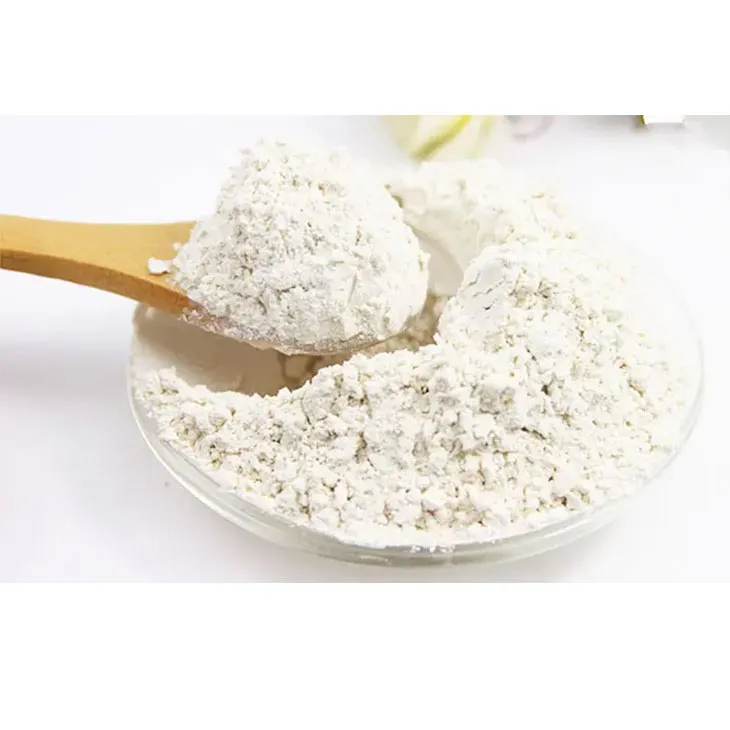
Yam Extract has been gaining increasing attention in various industries, including cosmetics, food supplements, and pharmaceuticals. This is due to its rich composition of bioactive compounds that offer a wide range of potential benefits. Understanding the ingredients, costs, and advantages associated with Yam Extract is crucial for both producers and consumers.
2. Ingredients of Yam Extract
2.1 Carbohydrates
Yams are a rich source of carbohydrates, which play a fundamental role in the extract. Complex carbohydrates such as starch are present in significant amounts. These carbohydrates can provide energy and also contribute to the texture and viscosity of products in which the Yam Extract is used. For example, in some food supplements, the carbohydrate content can act as a filler or binder, while in skincare products, it can influence the consistency of creams and lotions.

2.2 Proteins
Yam Extract contains proteins, although in relatively smaller quantities compared to carbohydrates. The proteins present in Yam Extract are composed of amino acids, some of which are essential amino acids that the human body cannot synthesize on its own. These proteins can have various functions. In dietary supplements, they can contribute to the overall protein intake, especially for vegetarians or those looking for alternative protein sources. In skincare, certain proteins may play a role in promoting skin repair and regeneration.

2.3 Vitamins
Yams are known to be a good source of vitamins. Vitamin C, for instance, is an important antioxidant found in Yam Extract. It helps protect cells from damage caused by free radicals. Vitamin B - complex vitamins, including thiamine, riboflavin, and niacin, are also present. These vitamins are involved in various metabolic processes in the body. In the context of food supplements, the Vitamin Content of Yam Extract can be a significant selling point, as it can help address vitamin deficiencies. In skincare, vitamins can contribute to a healthy complexion, for example, Vitamin C can brighten the skin.
2.4 Minerals
Yam Extract contains minerals such as potassium, magnesium, and manganese. Potassium is essential for maintaining proper heart function and regulating blood pressure. Magnesium is involved in many enzymatic reactions in the body, and manganese plays a role in bone formation and antioxidant defense. In dietary supplements, these minerals can help supplement the body's mineral requirements. In cosmetics, minerals can have beneficial effects on the skin, for example, magnesium can soothe irritated skin.
2.5 Bioactive Compounds
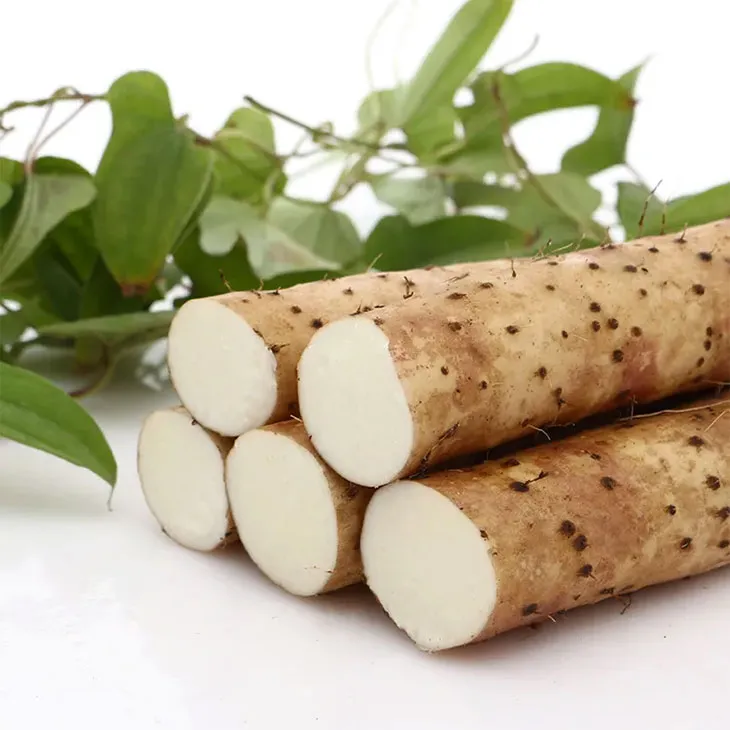
One of the most important aspects of Yam Extract is its bioactive compounds. Diosgenin is a well - known bioactive compound found in yams. It has hormonal - like properties and has been studied for its potential in treating various hormonal imbalances. Other bioactive compounds include phenolic compounds and flavonoids. Phenolic compounds have antioxidant and anti - inflammatory properties. Flavonoids can have anti - microbial, anti - cancer, and anti - aging effects. These bioactive compounds are highly valuable in both skincare and dietary supplement applications.
3. Costs Associated with Yam Extract
3.1 Cultivation Costs
- The cultivation of yams requires suitable land. Yams typically grow best in well - drained, fertile soil. Acquiring or renting such land can be a significant cost, especially in areas where arable land is limited or expensive.
- Seeds or seedlings are also a cost factor. High - quality yam seeds or seedlings need to be sourced, and their cost can vary depending on the variety and the supplier. Additionally, some yam varieties may require special treatment or storage conditions prior to planting, which can add to the cost.
- Fertilizers and pesticides are necessary to ensure a good yield. Organic fertilizers are often preferred in the cultivation of yams for use in food - related or natural - based products. However, organic fertilizers can be more expensive than synthetic ones. Pesticides are required to protect the yams from pests and diseases, but the cost of using safe and approved pesticides also adds to the overall cultivation cost.
- Labor costs are involved in the cultivation process. Tasks such as land preparation, planting, weeding, and harvesting all require human labor. In some regions, labor costs can be relatively high, especially if skilled labor is needed for certain cultivation techniques.
3.2 Extraction Costs
- The extraction process of Yam Extract requires specialized equipment. This equipment can be expensive to purchase, install, and maintain. For example, extraction machines that use techniques such as solvent extraction or supercritical fluid extraction need to be of high quality to ensure efficient and pure extraction.
- Solvents or extraction agents are another cost factor. Depending on the extraction method, different solvents may be used. High - quality solvents that are safe for use in food or skincare products can be costly. Additionally, the proper disposal of solvents also incurs costs to ensure environmental compliance.
- Energy consumption during the extraction process is significant. Whether it is heating, cooling, or running extraction equipment, energy costs can add up. The extraction process may require precise temperature and pressure control, which can lead to higher energy consumption and thus higher costs.
- Skilled personnel are needed to operate the extraction equipment and ensure the quality of the extract. The cost of hiring and training these personnel is part of the extraction cost. They need to have knowledge of the extraction process, safety procedures, and quality control measures.
3.3 Purification Costs
- After extraction, the Yam Extract often needs to be purified to remove impurities and unwanted substances. Purification techniques such as filtration, chromatography, or centrifugation require specialized equipment. These purification equipments are not only expensive to purchase but also need regular maintenance.
- Filter media or chromatography columns used in purification are consumable items and need to be replaced regularly. Their cost can be substantial depending on the scale of production. For example, high - performance chromatography columns can be very expensive.
- Quality control during purification is crucial. This involves testing the purity of the extract at various stages, which requires laboratory equipment and trained personnel. The cost of quality control measures, including the purchase of testing reagents and the time spent on analysis, adds to the purification cost.
4. Advantages of Using Yam Extract
4.1 In Skincare Products
- Moisturizing Effect: Yam Extract has excellent moisturizing properties. The carbohydrates and some of the bioactive compounds in the extract can help to retain moisture in the skin. This is beneficial for all skin types, especially dry skin. By forming a protective layer on the skin, it prevents water loss, leaving the skin hydrated and supple.
- Anti - Aging Effects: The presence of antioxidants such as phenolic compounds and flavonoids in Yam Extract helps combat the signs of aging. These antioxidants neutralize free radicals, which are responsible for skin damage, wrinkles, and loss of elasticity. Additionally, some bioactive compounds may stimulate collagen production, which is essential for maintaining firm and youthful - looking skin.
- Skin Soothing: Minerals and certain proteins in Yam Extract can have a soothing effect on irritated or sensitive skin. They can reduce redness, inflammation, and itching, making it suitable for use in products for sensitive skin types.
4.2 In Dietary Supplements
- Immune System Support: The vitamins, minerals, and bioactive compounds in Yam Extract can contribute to a healthy immune system. For example, Vitamin C and zinc (found in some yam varieties) are known for their immune - boosting properties. The antioxidants can also protect immune cells from damage, allowing them to function more effectively.
- Hormonal Balance: Diosgenin and other bioactive compounds with hormonal - like properties can help in maintaining hormonal balance. This can be particularly beneficial for women during menopause or for those with hormonal disorders. By regulating hormonal levels, Yam Extract can potentially relieve symptoms such as hot flashes, mood swings, and fatigue.
- Nutritional Supplement: As a source of carbohydrates, proteins, vitamins, and minerals, Yam Extract can be a valuable addition to dietary supplements. It can help fill nutritional gaps, especially for those with restricted diets or specific nutritional needs.
5. Conclusion
Yam Extract is a complex and valuable ingredient with a rich composition of ingredients. While the costs associated with its cultivation, extraction, and purification are significant, the numerous advantages it offers in skincare products and dietary supplements make it a highly desirable ingredient. As research continues to uncover more about the potential benefits of Yam Extract, it is likely to see even wider applications in the future.
FAQ:
What are the main ingredients in Yam Extract?
Yam Extract contains bioactive compounds. These can include various substances that are beneficial for different applications, but specific details may vary depending on the type of yam and the extraction process.
How is the cost of Yam Extract determined?
The cost of Yam Extract is complex. It involves multiple factors such as the cost of yam cultivation, which includes expenses for land, seeds, and farming labor. The extraction process also incurs costs, including the use of equipment and solvents. Additionally, purification steps add to the overall cost to ensure the quality and purity of the extract.
What makes Yam Extract good for skincare?
Yam Extract is favored in skincare products because of its moisturizing and anti - aging effects. The bioactive compounds in the extract can help to hydrate the skin and reduce the appearance of wrinkles, promoting a more youthful complexion.
How does Yam Extract support the immune system in dietary supplements?
The bioactive compounds in Yam Extract have the potential to support the immune system. These compounds may interact with the body's immune cells or processes, enhancing the body's ability to defend against diseases and infections.
Are there any potential side effects of using Yam Extract?
While Yam Extract is generally considered safe for most applications, some individuals may be allergic to it. Additionally, if not properly processed or purified, there could be potential contaminants. However, when used in regulated products such as skincare and dietary supplements, the risks are usually minimized.
Related literature
- The Composition and Benefits of Yam Extract in Skincare"
- "Yam Extract: Cost - Benefit Analysis in the Dietary Supplement Industry"
- "Bioactive Compounds in Yam Extract and Their Immune - Boosting Properties"


-

Avocado Extract Powder
2025-01-04
-

Hesperidin
2025-01-04
-

Cassia Seed Extract
2025-01-04
-

Polygonum Cuspidatum Extract
2025-01-04
-

Shikone Extract
2025-01-04
-

Green coffee bean Extract
2025-01-04
-

Dragon Fruit Powder
2025-01-04
-

Quercetin
2025-01-04
-

Hedyotis Diffusa Extract
2025-01-04
-

Dan Shen Root Extract/Salvia Root Extract
2025-01-04