


1. Introduction
Kidney Bean Extract has been gaining significant attention in recent years due to its various potential applications in the health, food, and pharmaceutical industries. Understanding its manufacturing process and the factors driving future demand growth is crucial for both producers and consumers.
2. Manufacturing Process of Kidney Bean Extract
2.1 Raw Material Selection
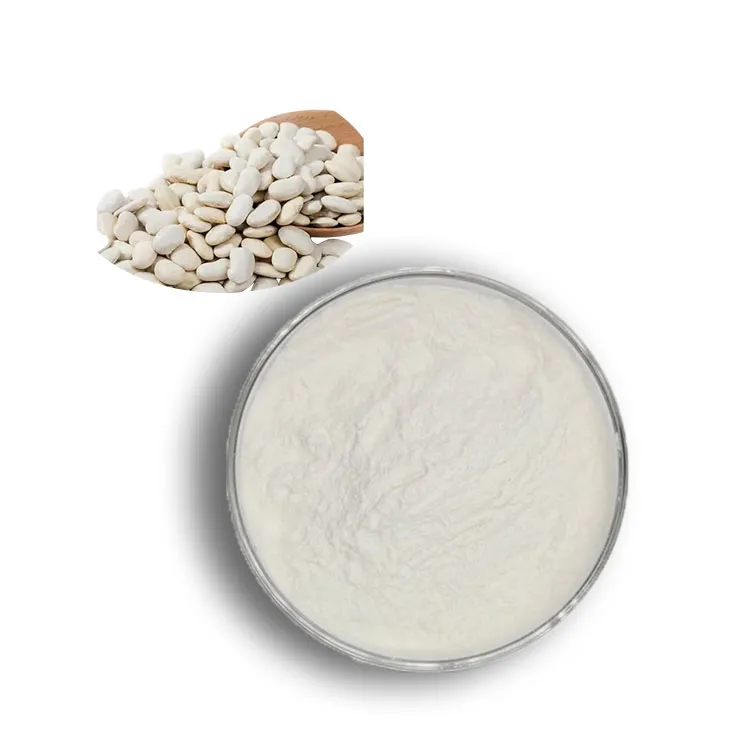
The first step in manufacturing Kidney Bean Extract is the careful selection of raw materials. High - quality kidney beans are essential. These beans should be free from contaminants such as pesticides, heavy metals, and fungal infections. Farmers often grow specific varieties of kidney beans that are known for their high content of the desired compounds for extraction. For example, some varieties may have a higher concentration of bioactive peptides or antioxidants. The beans are harvested at the optimal time to ensure maximum nutritional value. They are then sorted to remove any damaged or defective beans.
2.2 Cleaning and Preparation
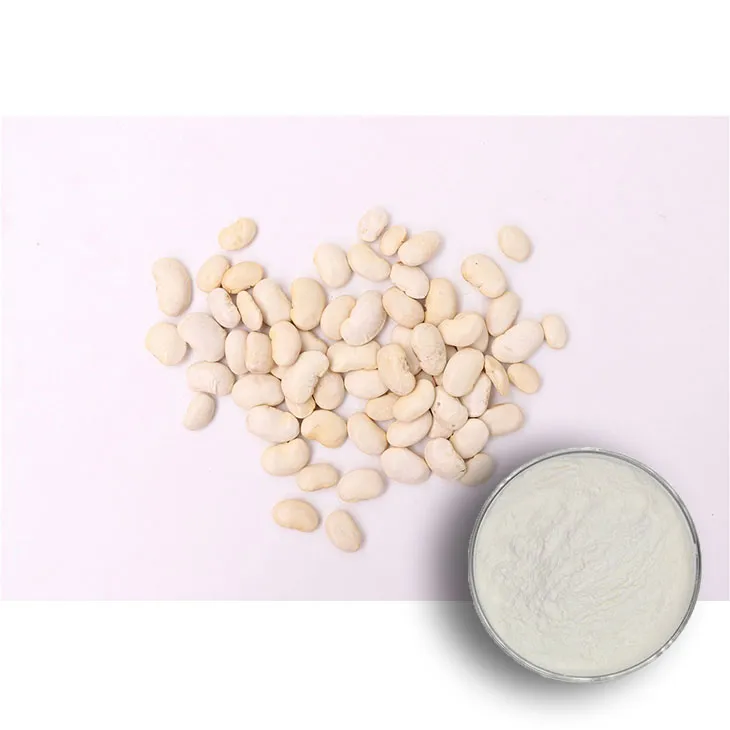
Once the beans are selected, they undergo a thorough cleaning process. This involves removing dirt, debris, and any remaining husks. The beans are washed multiple times using clean water. After cleaning, they may be soaked for a certain period. Soaking helps in softening the beans, which can make the subsequent extraction process more efficient. In some cases, the beans may be pre - treated with enzymes or other substances to break down cell walls and release the intracellular components more easily.
2.3 Extraction Methods
- Solvent Extraction: This is one of the most common methods. Organic solvents such as ethanol or hexane can be used. The cleaned and prepared kidney beans are mixed with the solvent in a suitable ratio. The mixture is then stirred or agitated for a specific period. The solvent helps to dissolve the desired compounds from the bean matrix. After extraction, the solvent - compound mixture is separated from the solid residue of the beans through filtration or centrifugation. The solvent is then evaporated, leaving behind the Kidney Bean Extract. However, solvent extraction has some drawbacks. Residual solvents may remain in the extract, which can be a concern for certain applications, especially in the food and pharmaceutical industries. Therefore, strict quality control measures are required to ensure that the solvent levels are within acceptable limits.
- Pressurized Liquid Extraction (PLE): PLE is a more advanced extraction method. It involves using high - pressure and high - temperature liquid solvents. The advantage of PLE is that it can achieve higher extraction yields in a shorter time compared to traditional solvent extraction. The high - pressure and - temperature conditions can break down the cell walls more effectively, allowing for better release of the target compounds. Additionally, PLE can reduce the use of solvents, making it more environmentally friendly. However, the equipment for PLE is more expensive, which may limit its widespread use in small - scale production facilities.
- Enzyme - Assisted Extraction: Enzymes can be used to assist in the extraction process. Specific enzymes are added to the kidney bean slurry. These enzymes break down the complex structures in the beans, such as polysaccharides and proteins, into smaller components. This makes it easier for the desired compounds to be released. For example, cellulase enzymes can break down the cellulosic cell walls of the beans. Enzyme - assisted extraction is often considered a more "natural" method as it does not involve the use of large amounts of organic solvents. However, it requires careful control of enzyme activity, temperature, and pH to ensure optimal extraction results.
2.4 Purification and Concentration
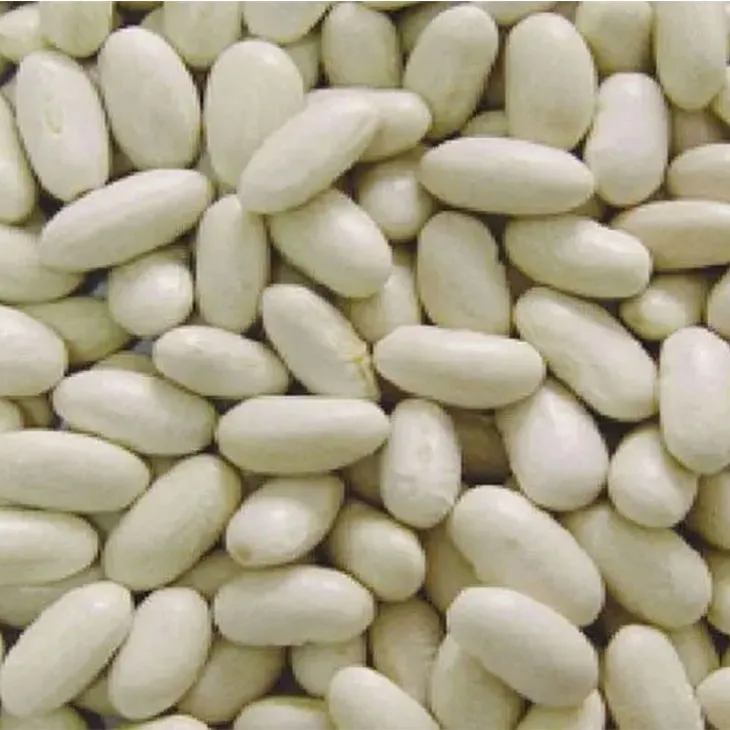
After extraction, the Kidney Bean Extract may contain impurities and other unwanted substances. Purification steps are necessary to obtain a high - quality extract. Filtration techniques such as membrane filtration or ultra - filtration can be used to remove larger particles and some impurities. Chromatography methods, such as ion - exchange chromatography or gel - filtration chromatography, may also be employed to separate and purify specific compounds in the extract. Once purified, the extract may be concentrated to increase the concentration of the active compounds. This can be done through evaporation under reduced pressure or other concentration techniques.
2.5 Packaging and Storage
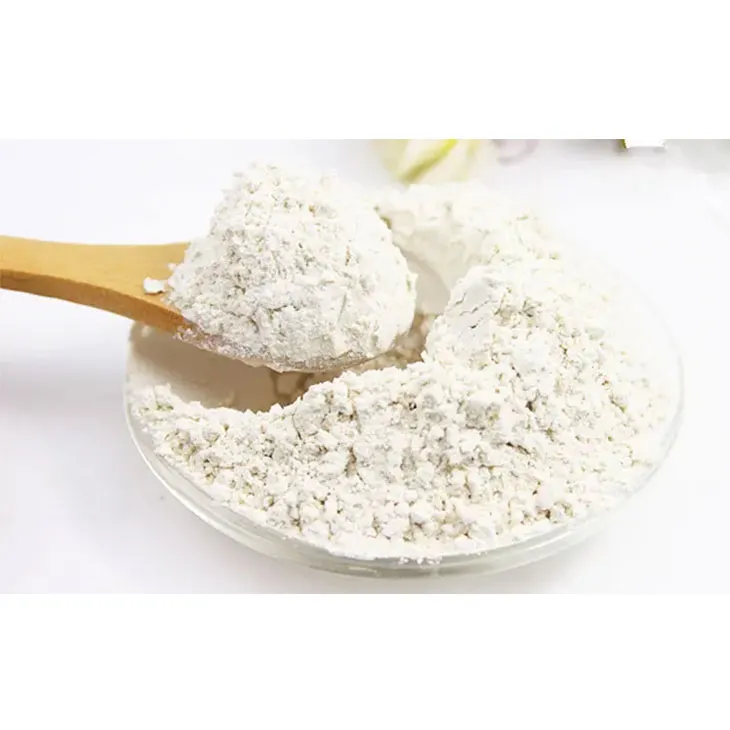
The final Kidney Bean Extract is then packaged in suitable containers. The packaging should be designed to protect the extract from light, air, and moisture, as these factors can degrade the quality of the extract over time. Amber - colored glass bottles or aluminum - laminated pouches are often used for packaging. The packaged extract should be stored in a cool, dry place. Proper storage conditions are crucial to maintain the stability and shelf - life of the extract.
3. Factors Contributing to Future Demand Growth
3.1 Market Trends
- Health - Conscious Consumers: There is a growing trend among consumers towards healthy and natural products. Kidney Bean Extract, with its potential health benefits, fits well into this trend. Consumers are increasingly looking for products that can help with weight management, blood sugar control, and cardiovascular health. Kidney Bean Extract contains bioactive peptides that have been shown to have anti - diabetic properties, and antioxidants that can help reduce oxidative stress in the body. As a result, it is being incorporated into various dietary supplements, functional foods, and beverages.
- Expanding Food and Beverage Industry: The food and beverage industry is constantly evolving and looking for new ingredients to add value to their products. Kidney Bean Extract can be used as a natural flavor enhancer, a source of dietary fiber, or a functional ingredient. For example, it can be added to baked goods to increase their nutritional value or to sports drinks to provide an energy boost. The growing demand for innovative and healthy food and beverage products is likely to drive the demand for Kidney Bean Extract in this sector.
- Pharmaceutical Applications: In the pharmaceutical industry, Kidney Bean Extract is being studied for its potential therapeutic effects. Research has shown that it may have anti - inflammatory, anti - cancer, and anti - microbial properties. As more research is conducted and evidence of its efficacy accumulates, the demand for Kidney Bean Extract in the pharmaceutical field is expected to increase. Pharmaceutical companies may use it as a raw material for developing new drugs or as an ingredient in traditional medicine formulations.
3.2 Health - Awareness
- Diabetes Management: With the increasing prevalence of diabetes worldwide, there is a greater need for natural products that can help manage blood sugar levels. Kidney Bean Extract has been shown to inhibit the activity of alpha - amylase and alpha - glucosidase enzymes, which are involved in carbohydrate digestion. This can lead to a slower release of glucose into the bloodstream, helping to control post - meal blood sugar spikes. As more people become aware of the importance of blood sugar control and the potential benefits of Kidney Bean Extract, the demand for it is likely to grow.
- Weight Loss and Obesity Prevention: Obesity is a major health concern in many countries. Kidney Bean Extract contains components that can help with weight loss. For example, it may increase satiety, reduce appetite, and inhibit the absorption of dietary fat. Health - conscious individuals who are trying to lose weight or prevent obesity are more likely to incorporate Kidney Bean Extract - containing products into their diet, thereby driving up the demand.
- Cardiovascular Health: The antioxidant and anti - inflammatory properties of Kidney Bean Extract can contribute to cardiovascular health. It may help reduce cholesterol levels, lower blood pressure, and prevent the formation of blood clots. As people become more aware of the importance of maintaining a healthy heart, they may turn to Kidney Bean Extract as a natural supplement to support their cardiovascular system.
3.3 Industrial Applications
- Cosmetics: Kidney Bean Extract can be used in the cosmetics industry. Its antioxidant properties make it suitable for use in anti - aging creams and lotions. It can also help protect the skin from environmental damage, such as UV radiation and pollution. The growing demand for natural and effective cosmetics is likely to increase the use of Kidney Bean Extract in this area.
- Animal Feed: In the animal feed industry, Kidney Bean Extract can be added to improve the nutritional value of feed. It can provide essential amino acids, vitamins, and minerals to animals. Additionally, its bioactive compounds may have positive effects on animal health, such as improving immune function and promoting growth. As the livestock and poultry industries continue to expand, the demand for Kidney Bean Extract in animal feed is expected to rise.
4. Conclusion
The manufacturing process of Kidney Bean Extract involves multiple steps from raw material selection to packaging and storage. Each step is crucial in ensuring the quality and efficacy of the final product. The future demand for Kidney Bean Extract is expected to grow due to various factors, including market trends, increasing health - awareness, and its diverse industrial applications. Producers need to keep up with these trends and ensure high - quality production to meet the growing demand. At the same time, further research is needed to fully explore the potential benefits of Kidney Bean Extract and to develop more efficient manufacturing processes.
FAQ:
What are the key steps in the manufacturing process of Kidney Bean Extract?
The manufacturing process of Kidney Bean Extract typically involves several key steps. First is the raw material selection, where high - quality kidney beans are chosen. Then, the beans are usually cleaned to remove impurities. After that, extraction methods such as solvent extraction or supercritical fluid extraction may be employed. Solvent extraction uses solvents like ethanol to draw out the active compounds from the kidney beans. Supercritical fluid extraction, often using carbon dioxide, can also be effective in obtaining a pure extract. The extracted solution is then further purified and concentrated to get the final Kidney Bean Extract product.
How does raw material selection impact the quality of Kidney Bean Extract?
Raw material selection is crucial for the quality of Kidney Bean Extract. High - quality kidney beans ensure a higher content of desired compounds in the extract. If the beans are of poor quality, they may have lower levels of active ingredients or may contain contaminants. For example, beans that are damaged or affected by pests may have a reduced nutritional value and could introduce unwanted substances into the extraction process. Selecting fresh, undamaged, and properly grown kidney beans helps to obtain a more potent and pure Kidney Bean Extract.
What are the main extraction methods used in Kidney Bean Extract manufacturing?
The main extraction methods in Kidney Bean Extract manufacturing are solvent extraction and supercritical fluid extraction. Solvent extraction is a traditional method. It involves using solvents such as ethanol or methanol. The solvent is mixed with the kidney bean material, and the active compounds dissolve into the solvent. After separation from the solid material, the solvent is evaporated to obtain the extract. Supercritical fluid extraction, on the other hand, uses supercritical carbon dioxide. In its supercritical state, carbon dioxide has properties that make it an excellent solvent for extracting compounds from the kidney beans. It can provide a more pure extract and is often considered a more environmentally friendly method compared to some solvent - based extractions.
What market trends are driving the future demand growth of Kidney Bean Extract?
Several market trends are driving the future demand growth of Kidney Bean Extract. One major trend is the increasing focus on natural and plant - based products in various industries such as food, cosmetics, and pharmaceuticals. Kidney Bean Extract, being a natural product, is in high demand for use in these sectors. Additionally, the growing awareness of health and wellness among consumers has led to a search for products with potential health benefits. Kidney Bean Extract has been associated with certain health - promoting properties, such as its role in managing blood sugar levels, which further drives its demand. Moreover, the expansion of the functional food and nutraceutical markets is also contributing to the increased need for Kidney Bean Extract.
How does health - awareness contribute to the future demand for Kidney Bean Extract?
Health - awareness plays a significant role in the future demand for Kidney Bean Extract. As consumers become more conscious about their health, they are actively seeking products that can offer health benefits. Kidney Bean Extract has been studied for its potential in various aspects of health, such as its possible impact on blood glucose regulation. People with diabetes or those at risk of developing diabetes may be interested in incorporating Kidney Bean Extract - containing products into their diet. Also, the general trend towards preventive healthcare means that consumers are more likely to choose products with natural ingredients like Kidney Bean Extract that may contribute to overall well - being.
Related literature
- The Production and Applications of Kidney Bean Extracts in the Food Industry"
- "Kidney Bean Extract: A Review of its Extraction Techniques and Potential Health Benefits"
- "Market Trends and Future Prospects of Kidney Bean Extract in the Nutraceutical Sector"


-

Purple Sweet Potato Extract
2024-12-07
-

Polygonum Cuspidatum Extract
2024-12-07
-

Giant Knotweed Extract
2024-12-07
-

Mulberry Extract
2024-12-07
-

Scutellaria Extract
2024-12-07
-

Withania Somnifera Extract
2024-12-07
-

Tamarind extract powder
2024-12-07
-

Rosemary extract
2024-12-07
-

Rose Hip Extract
2024-12-07
-

Reishi mushroom extract
2024-12-07