


1. Introduction
Kidney beans, scientifically known as Phaseolus vulgaris, are a common and important legume crop worldwide. Kidney Bean Extract has gained significant attention in recent years due to its various potential health benefits and applications in different industries. This article will explore the entire journey of Kidney Bean Extract, starting from its planting in the fields, through the processing stages, the technological advancements involved, and finally, its position in the market.
2. Planting of Kidney Beans
2.1. Climate and Soil Requirements
Kidney beans thrive in temperate and tropical climates. They prefer well - drained soils with a pH range of 6.0 - 7.0. Loamy soils are ideal as they provide good aeration and water - holding capacity. These beans are sensitive to frost, so the planting time should be carefully chosen to avoid exposure to cold temperatures during the growing season.
2.2. Seed Selection
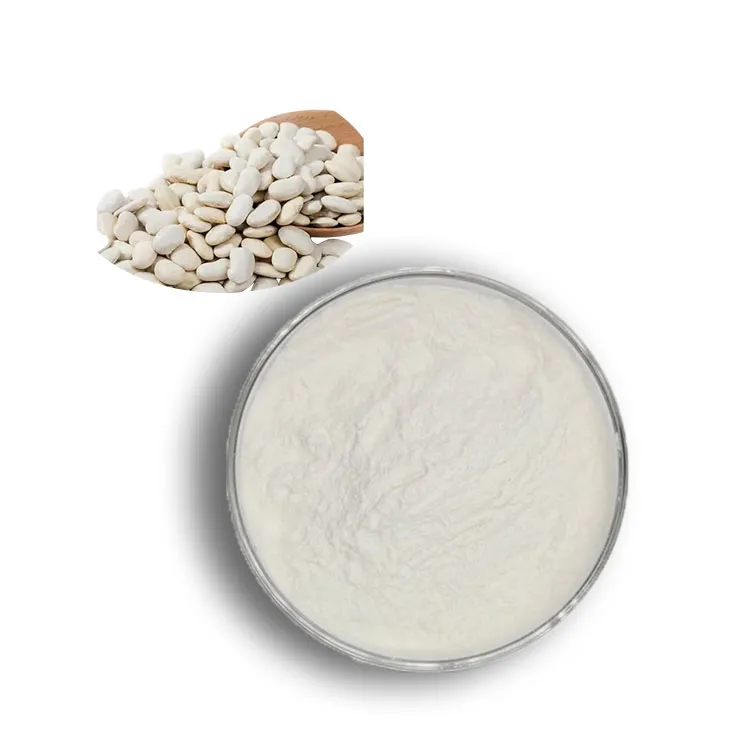
High - quality seeds are crucial for a successful kidney bean crop. Seeds should be free from diseases, pests, and physical damage. It is advisable to select seeds from reliable sources or from previous high - yielding crops. Some varieties of kidney beans may be more suitable for specific regions or end - uses, so farmers need to consider these factors when choosing seeds. For example, certain varieties may be more resistant to common diseases in a particular area.
2.3. Planting Process
- Before planting, the soil should be prepared by tilling and adding organic matter such as compost or manure. This helps improve soil fertility and structure.
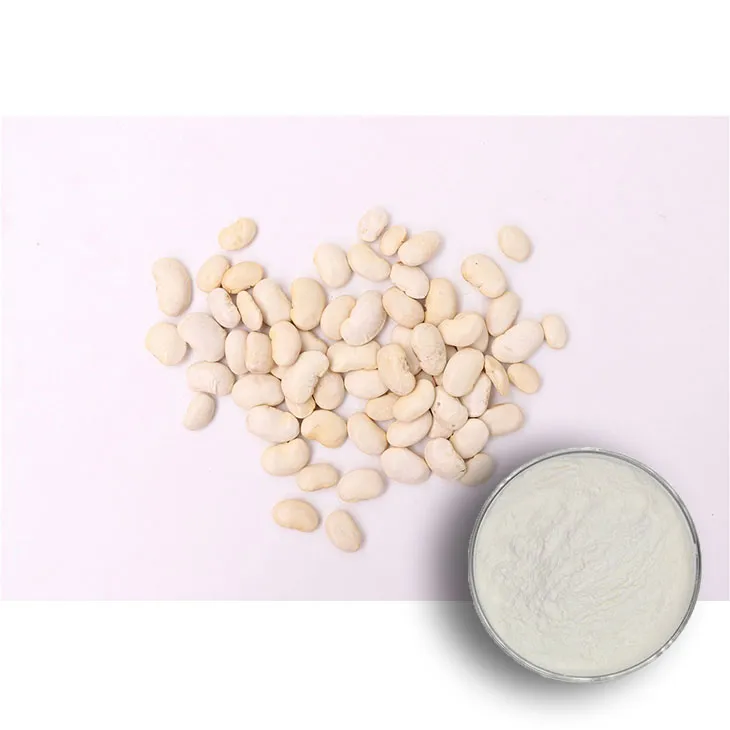
- Kidney beans are typically planted directly in the field. The recommended planting depth is about 2 - 3 inches (5 - 7.5 cm). The spacing between plants should be around 4 - 6 inches (10 - 15 cm) within rows, and rows should be spaced about 2 - 3 feet (0.6 - 0.9 m) apart, depending on the variety and the equipment used for cultivation.
- After planting, the soil should be watered gently to ensure good seed - soil contact. Adequate moisture is essential during the germination period, which usually takes about 7 - 10 days.
2.4. Crop Management
- Weeding is an important aspect of crop management. Weeds compete with kidney beans for nutrients, water, and sunlight. Manual weeding or the use of herbicides (following safety regulations) can be employed to keep the field weed - free.
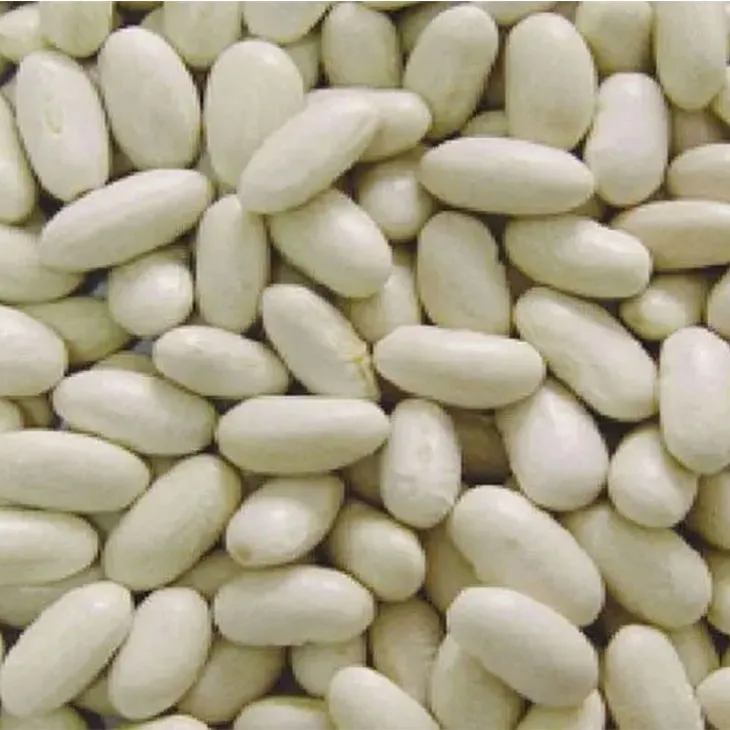
- Fertilization is necessary to provide the plants with essential nutrients. Nitrogen, phosphorus, and potassium are the main nutrients required. The application rates may vary depending on the soil fertility and the growth stage of the plants. For example, a small amount of nitrogen may be applied at the time of planting, and additional phosphorus and potassium may be added during the flowering and pod - filling stages.
- Irrigation should be managed carefully. Kidney beans need consistent moisture, especially during flowering and pod development. However, over - watering can lead to root rot and other diseases. Drip irrigation or sprinkler systems can be used depending on the availability of water resources and the field conditions.
- Pest and Disease Control: Common pests that affect kidney beans include aphids, bean beetles, and nematodes. Diseases such as anthracnose, rust, and bacterial blight can also cause significant damage. Integrated pest management (IPM) strategies are recommended, which may include the use of resistant varieties, biological control agents (such as predatory insects), and chemical pesticides as a last resort.
3. Processing of Kidney Bean Extract
3.1. Harvesting
Kidney beans are ready for harvest when the pods turn yellow and dry. The harvesting time is critical as it affects the quality of the beans and the subsequent extract. Manual harvesting is often used for small - scale production, while mechanical harvesters can be employed for larger fields. Care should be taken to avoid damaging the pods during harvesting.
3.2. Cleaning and Sorting
After harvesting, the kidney beans need to be cleaned to remove dirt, debris, and any damaged or diseased beans. This can be done using sieves, air blowers, and gravity separators. Sorting is also important to separate the beans based on size and quality. This ensures that only high - quality beans are used for extraction.
3.3. Extraction Methods
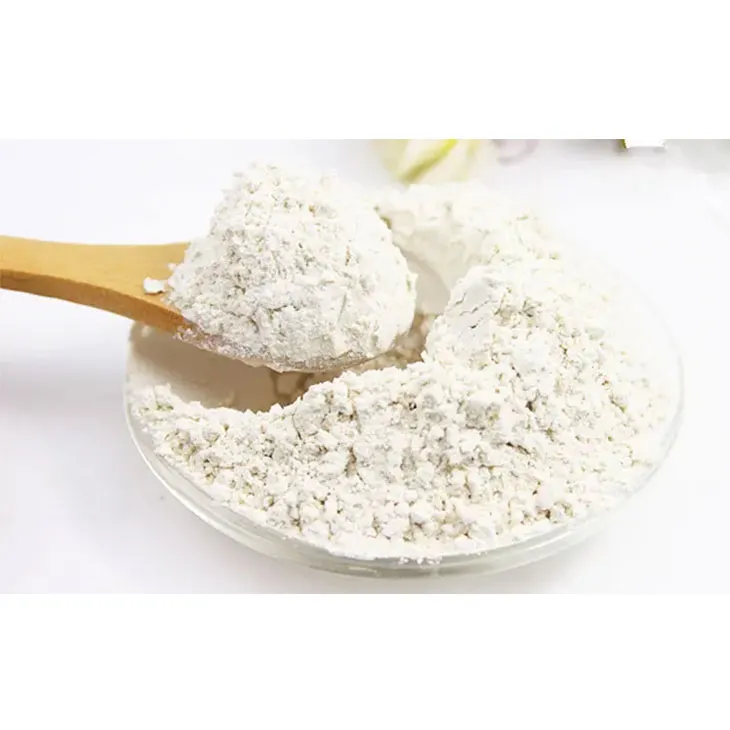
- Solvent Extraction: This is a common method. Organic solvents such as hexane or ethanol are used to extract the active compounds from the kidney beans. The beans are first ground into a fine powder, and then the solvent is added. The mixture is stirred and allowed to stand for a period of time. After that, the solvent is separated from the solid residue, and the extract is obtained. However, solvent extraction requires careful handling of solvents to ensure safety and environmental compliance.
- Supercritical Fluid Extraction (SFE): This is a more advanced and "greener" extraction method. Carbon dioxide in its supercritical state is used as the extraction fluid. SFE offers several advantages over solvent extraction, such as better selectivity, faster extraction times, and the absence of solvent residues in the final extract. It can also operate at relatively low temperatures, which helps preserve the heat - sensitive compounds in the Kidney Bean Extract.
- Enzymatic Extraction: Enzymes can be used to break down the cell walls of the kidney beans, facilitating the release of the desired compounds. This method is more specific and can potentially produce a higher - quality extract with fewer impurities. However, it requires careful control of enzyme activity and reaction conditions.
3.4. Purification and Concentration
Once the extract is obtained, it may need to be purified to remove any remaining impurities. Filtration, chromatography, and membrane separation techniques can be used for this purpose. After purification, the extract may be concentrated to increase the concentration of the active compounds. This can be done through evaporation or other concentration methods.
4. Technological Aspects
4.1. Advances in Farming Technology
Modern farming technology has significantly influenced the production of kidney beans. Precision agriculture techniques, such as the use of GPS - guided tractors, soil sensors, and drone - based crop monitoring, are becoming more common. These technologies help farmers optimize their inputs (such as fertilizers and pesticides), improve crop yields, and reduce environmental impacts. For example, soil sensors can provide real - time information about soil moisture and nutrient levels, allowing farmers to make more informed decisions about irrigation and fertilization.
4.2. Innovations in Processing Technology
- Automation in Processing: The processing of Kidney Bean Extract has seen increasing levels of automation. Automated equipment for cleaning, sorting, extraction, and purification can improve the efficiency and consistency of the process. For example, automated extraction systems can precisely control the extraction parameters, ensuring a high - quality product.
- Improved Extraction Equipment: Newer extraction equipment is designed to enhance the extraction efficiency and reduce energy consumption. For supercritical fluid extraction, advanced SFE units can operate at higher pressures and temperatures with better control, resulting in higher yields and better quality extracts.
- Quality Control Technologies: Advanced analytical techniques such as high - performance liquid chromatography (HPLC) and gas chromatography - mass spectrometry (GC - MS) are used to monitor the quality of the Kidney Bean Extract. These techniques can detect and quantify the active compounds, as well as identify any potential contaminants.
5. Market for Kidney Bean Extract
5.1. Health and Wellness Industry
Kidney Bean Extract has found a significant market in the health and wellness industry. It is believed to have potential benefits for weight management, as it may help in reducing the absorption of carbohydrates. Additionally, it contains antioxidants and other bioactive compounds that may contribute to overall health. Dietary supplements containing Kidney Bean Extract are becoming increasingly popular among consumers who are looking for natural ways to improve their health.
5.2. Food and Beverage Industry
- In the food industry, Kidney Bean Extract can be used as a natural flavor enhancer or as an ingredient in functional foods. For example, it can be added to bakery products, cereals, or energy bars to provide additional nutritional value.
- In the beverage industry, it can be incorporated into juices, smoothies, or herbal teas. The extract can add a unique flavor profile and potential health benefits to these products.
5.3. Cosmetic and Skincare Industry
The antioxidant properties of Kidney Bean Extract make it suitable for use in the cosmetic and skincare industry. It can be used in creams, lotions, and serums to protect the skin from oxidative damage and promote a healthy complexion. Some products claim that Kidney Bean Extract can help in reducing wrinkles and improving skin elasticity.
5.4. Market Trends and Challenges
- Increasing Demand for Natural Products: There is a growing trend among consumers towards natural and plant - based products. This is driving the demand for Kidney Bean Extract, as it is perceived as a natural and healthy ingredient. However, this also means that companies need to ensure the purity and authenticity of their products to meet consumer expectations.
- Regulatory Requirements: The Kidney Bean Extract market is subject to various regulatory requirements, especially in the food, dietary supplement, and cosmetic industries. Manufacturers need to comply with safety and quality standards, which can be complex and vary from country to country. This may pose challenges for small - scale producers who may not have the resources to meet all the regulatory requirements.
- Competition: The market for Kidney Bean Extract is becoming increasingly competitive, with more companies entering the market. To stay competitive, producers need to focus on product quality, innovation, and cost - effectiveness. For example, they may need to invest in research and development to find new applications for the extract or improve the extraction process to reduce costs.
6. Conclusion
The journey of Kidney Bean Extract from the field to the market is a complex and multi - faceted one. The successful production and marketing of Kidney Bean Extract depend on various factors, including proper planting techniques, efficient processing methods, technological advancements, and an understanding of the market trends and requirements. As the demand for natural and functional products continues to grow, Kidney Bean Extract has the potential to play an increasingly important role in different industries. However, producers need to overcome challenges such as regulatory compliance and competition to fully realize the potential of this valuable extract.
FAQ:
Q1: What are the key factors in the planting of kidney beans for extract production?
The key factors include suitable soil conditions, which are typically well - drained and fertile. Adequate sunlight is crucial, usually requiring at least 6 - 8 hours a day. Temperature also plays a role, with most kidney bean varieties preferring a relatively warm climate. Additionally, proper irrigation and pest control measures are necessary to ensure healthy growth of the kidney beans.
Q2: What are the common processing methods for Kidney Bean Extract?
Common processing methods involve harvesting the kidney beans at the right maturity stage. Then, they are usually cleaned to remove dirt and debris. After that, extraction techniques such as solvent extraction or mechanical pressing may be used. Solvent extraction often uses food - grade solvents to isolate the desired components from the beans. Mechanical pressing can be applied to squeeze out the extract directly.
Q3: How has technology influenced the production of Kidney Bean Extract?
Technology has had a significant impact. Advanced extraction technologies have improved the efficiency and purity of the extract. For example, modern chromatography techniques can be used to separate and purify specific compounds in the extract more precisely. In the planting process, technology - enabled monitoring systems can help farmers optimize irrigation, fertilization, and pest control, leading to better - quality kidney beans for extract production.
Q4: What is the current market demand for Kidney Bean Extract?
The market demand for Kidney Bean Extract is growing. It is increasingly used in the food and beverage industry as a natural flavor enhancer and coloring agent. In the pharmaceutical and nutraceutical sectors, it is being explored for its potential health benefits, such as antioxidant and anti - inflammatory properties. The demand is also driven by the trend towards natural and plant - based products.
Q5: What are the quality control measures in the production of Kidney Bean Extract?
Quality control measures start from the planting stage, ensuring that the beans are free from contaminants and pesticides within allowable limits. During processing, strict control of extraction parameters, such as temperature and solvent concentration, is maintained. The final extract is tested for purity, composition, and safety. Microbial testing is also carried out to ensure the absence of harmful microorganisms.
Related literature
- Kidney Bean Cultivation: Best Practices"
- "Processing Technologies for Plant Extracts: Focus on Kidney Beans"
- "The Market Trends of Kidney Bean Extract - Based Products"
- "Technological Innovations in Kidney Bean Extract Production"


-

Peppermint Extract Powder
2024-12-07
-

Aguaje Extract
2024-12-07
-

Oyster Mushroom Extract Powder
2024-12-07
-

Black Pepper Extract
2024-12-07
-

Fenugreek Extract Powder
2024-12-07
-

Hesperidin
2024-12-07
-

Rose Hip Extract
2024-12-07
-

Plantain extract
2024-12-07
-

Pomegranate Extract
2024-12-07
-

Camu Camu Extract
2024-12-07