


1. Introduction
Lemons and Lemon Extract are two related but distinct ingredients that find their uses in a wide variety of applications. Whether it's in the kitchen, in the beauty industry, or in the realm of health and wellness, understanding the differences between them is crucial for making the right choice based on one's specific requirements.
2. Lemons: The Natural Wonder
2.1 Nutritional Value
Lemons are a rich source of Vitamin C, which is essential for a healthy immune system. In addition to Vitamin C, they also contain other vitamins such as Vitamin B6, folate, and minerals like potassium and calcium. The citric acid present in lemons gives them their characteristic sour taste and also has certain health benefits, such as aiding in digestion by stimulating the production of digestive juices.
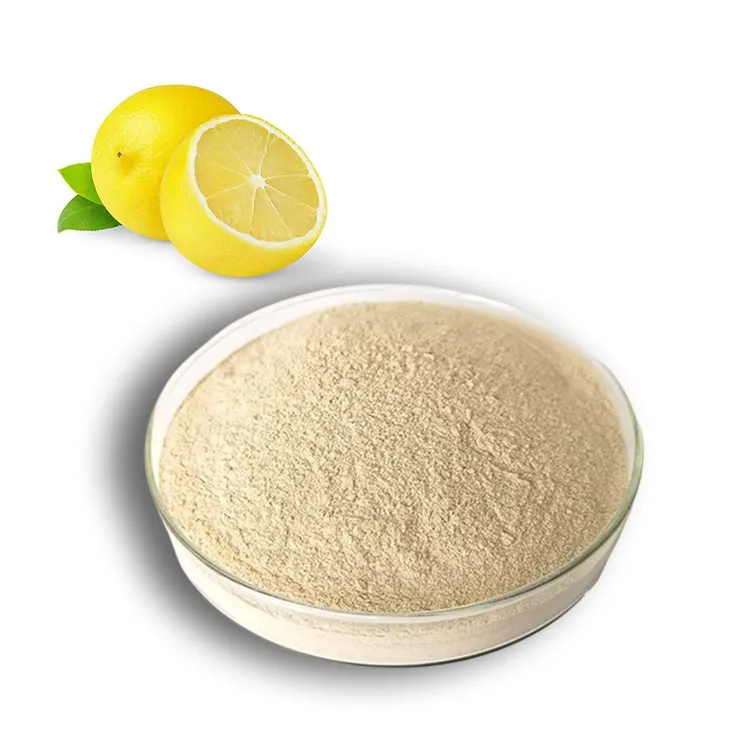
2.2 Culinary Uses
- In cooking, lemons are incredibly versatile. They can be used to marinate meats, adding a tangy flavor and helping to tenderize the meat. For example, a lemon - garlic marinade for chicken can transform a simple dish into a flavorful one.
- Lemon juice is a common ingredient in salad dressings, providing a refreshing and zesty alternative to heavier dressings. A basic vinaigrette made with lemon juice, olive oil, and a touch of mustard is both healthy and delicious.
- In baking, the zest of a lemon can add a bright, citrusy flavor to cakes, cookies, and muffins. Lemon bars, a popular dessert, rely on the combination of lemon juice and zest for their signature taste.
- Lemons are also a great addition to beverages. Lemonade, a classic summer drink, is made by combining lemon juice, water, and sugar. Hot lemon water is a popular home remedy for soothing a sore throat or aiding digestion.

2.3 Health and Wellness Benefits
- As mentioned before, the Vitamin C in lemons helps boost the immune system, protecting the body against infections. It also acts as an antioxidant, helping to prevent cell damage caused by free radicals.
- The citric acid in lemons can help prevent the formation of kidney stones by increasing the citrate levels in the urine.
- Some people believe that drinking lemon water in the morning can help with detoxification, although scientific evidence for this is limited. However, it can definitely contribute to overall hydration, which is important for good health.
3. Lemon Extract: The Concentrated Option

3.1 Production and Composition
Lemon Extract is made by extracting the essential oils and flavors from lemons. It is a more concentrated form of the lemon's essence. The extraction process typically involves using solvents or mechanical methods to isolate the desired components. It contains a high concentration of the volatile compounds that give lemons their characteristic aroma, such as limonene, which is also responsible for many of the lemon's potential health benefits.

3.2 Perfumery and Aromatherapy
- In the perfume industry, Lemon Extract is highly valued for its fresh, clean, and uplifting scent. It is often used as a top note in perfumes, providing an initial burst of citrusy freshness. Many high - end perfumes incorporate Lemon Extract to create a light and refreshing fragrance profile.
- In aromatherapy, the aroma of Lemon Extract is believed to have mood - enhancing properties. It can be used in diffusers or added to bath products to create a relaxing and invigorating atmosphere. The scent of lemon is thought to reduce stress and anxiety and improve mental clarity.
3.3 Health - Care and Cosmetic Applications
- In health - care products, Lemon Extract is used for its antibacterial and antifungal properties. It can be found in some mouthwashes and dental products, helping to fight against oral bacteria and freshen breath. In skin - care products, it may be used for its exfoliating and brightening effects. Lemon Extract can help to remove dead skin cells, leaving the skin looking smoother and more radiant.
- However, it's important to note that Lemon Extract can be irritating to the skin for some people, especially those with sensitive skin. When using products containing Lemon Extract on the skin, it's advisable to do a patch test first.
4. Choosing between Lemons and Lemon Extract
4.1 Culinary Considerations
- If you are looking for a natural and whole - food ingredient to add flavor to your dishes, lemons are the way to go. The juice and zest of a fresh lemon can provide a more complex and nuanced flavor compared to Lemon Extract. For example, in a seafood dish like ceviche, the freshness of lemon juice is essential for both flavor and the "cooking" process (as the acid in the lemon juice denatures the proteins in the fish).
- On the other hand, if you need a more concentrated lemon flavor and don't want to add the extra liquid or pulp that comes with using a whole lemon, Lemon Extract can be a good alternative. In some baked goods, a few drops of Lemon Extract can provide a strong lemon flavor without changing the texture of the dough.
4.2 Health - Related Considerations
- For overall health benefits, consuming whole lemons in the form of lemon water or adding them to your diet is a better choice. You get all the vitamins, minerals, and other beneficial compounds in their natural state. For example, if you are looking to boost your immune system, drinking a glass of warm lemon water with honey is a simple and effective home remedy.
- If you are interested in the potential antibacterial or skin - care benefits of lemon, Lemon Extract in the form of appropriate health - care or cosmetic products can be useful. But again, be cautious of potential skin irritation if using it on the skin.
4.3 Aromatic and Perfumery Considerations
- When it comes to creating a pleasant aroma in your home or for personal use, Lemon Extract in diffusers or scented candles can provide a long - lasting and consistent lemon scent. It is also a more convenient option compared to using fresh lemons, which would require frequent replacement.
- If you are making your own natural perfumes or beauty products at home and want to capture the essence of lemon, Lemon Extract can be a great ingredient. However, keep in mind the potency of the extract and adjust the amount accordingly.
5. Conclusion
Both lemons and Lemon Extract have their own unique qualities and uses. Depending on your specific needs in the kitchen, for health and wellness, or in the realm of aromatics and perfumery, you can make an informed choice between the two. Whether you prefer the natural wholesomeness of a fresh lemon or the concentrated power of Lemon Extract, both ingredients offer a touch of the bright and refreshing essence of the lemon.
FAQ:
What are the main differences between lemon and Lemon Extract?
Lemons are the whole fruit, containing natural juices, pulp, and peel. They are rich in vitamins, such as Vitamin C, and acids like citric acid. Lemons are used fresh in cooking, baking, and making beverages. Lemon Extract, on the other hand, is a more concentrated form. It is often produced through a process of extraction, concentrating the flavor and aroma. It is used in industries like perfumery and in some health - care products due to its intense flavor and potential therapeutic properties.
Can Lemon Extract be used as a substitute for fresh lemons in cooking?
It depends on the recipe. In some cases, Lemon Extract can be used as a substitute for fresh lemons, especially when a more concentrated lemon flavor is desired. However, fresh lemons add moisture and a certain freshness that Lemon Extract may not fully replicate. For example, in a lemonade recipe, fresh lemons are preferred as they provide the natural juice and pulp. But in a lemon - flavored cake, Lemon Extract can work well as a substitute for part of the fresh lemon juice.
Which one is more suitable for making natural skin - care products, lemon or Lemon Extract?
Both lemon and Lemon Extract can be used in skin - care products, but they have different considerations. Lemons contain natural substances that can be beneficial for the skin, like Vitamin C which has antioxidant properties. However, using fresh lemons directly on the skin may cause irritation for some people due to their acidity. Lemon Extract, which is more refined, may be a better option in some skin - care products as it can provide the beneficial properties in a more controlled and less irritating form.
How is Lemon Extract made?
Lemon Extract is typically made by using a solvent to extract the flavor - and aroma - containing compounds from lemons. The most common method involves using alcohol as a solvent. The lemons are processed, and the compounds are dissolved in the alcohol. Then, through a process of filtration and concentration, the Lemon Extract is obtained. This results in a highly concentrated product with a strong lemon flavor and aroma.
What are the health benefits of using lemon and Lemon Extract?
Lemons are rich in Vitamin C, which helps boost the immune system, and citric acid, which can aid in digestion. They also contain other nutrients and antioxidants. Lemon Extract, in addition to potentially having some of the same health benefits due to its lemon origin, may also have specific therapeutic effects. For example, in some health - care products, it may be used for its antibacterial or anti - inflammatory properties. However, it should be used with caution as over - consumption or improper use may have negative effects.
Related literature
- The Science of Lemon and Its Extracts in Nutrition"
- "Lemon Extract: Production, Properties and Applications in Perfumery"
- "Lemons in Culinary and Health - related Applications"


-

Mango flavored powder
2024-12-18
-

Tormentil Extract
2024-12-18
-

Polygonum Cuspidatum Extract
2024-12-18
-

Calendula Extract
2024-12-18
-

Soy Extract
2024-12-18
-

Red Yeast Rice
2024-12-18
-

Maca Extract
2024-12-18
-

Chaste Berry Extract
2024-12-18
-

Alisma Extract
2024-12-18
-

L-Theanine Powder
2024-12-18