


Introduction
In the realm of natural ingredients, both Lemon Extract and other herbal components are highly regarded for their various properties. They have been used for centuries in different cultures for a wide range of purposes, from treating ailments to enhancing beauty and flavoring food. This article aims to comprehensively compare these two types of ingredients in terms of their chemical compositions, potential health benefits, and applications in diverse fields such as medicine, cosmetics, and food.
Chemical Compositions
Lemon Extract
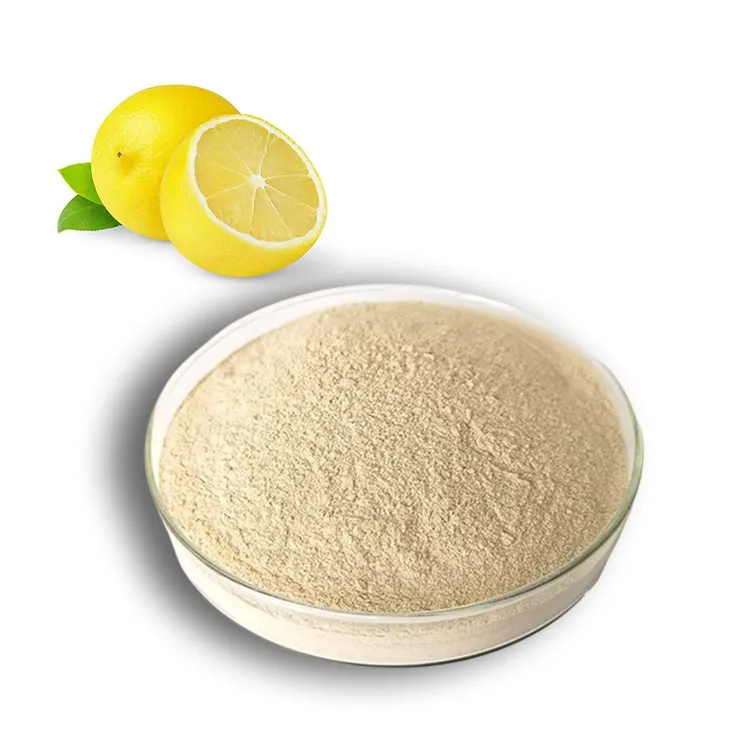
Lemon Extract is rich in a variety of chemical compounds. Citric acid is one of the most prominent components, which gives lemons their characteristic sour taste. It also contains flavonoids, such as Hesperidin and Diosmin. These flavonoids have antioxidant properties that help protect cells from damage caused by free radicals. Additionally, Lemon Extract contains limonene, a terpene that has a pleasant citrus aroma and may also possess certain health - promoting properties. For example, limonene has been studied for its potential anti - inflammatory and anticancer effects.
Other Herbal Ingredients
Herbal ingredients are incredibly diverse in their chemical make - up. For instance, ginger contains gingerols and shogaols, which are responsible for its characteristic pungent flavor and have been shown to have anti - inflammatory, antioxidant, and anti - nausea properties. Turmeric is well - known for its compound Curcumin, which is a powerful antioxidant and has anti - inflammatory, antimicrobial, and even potential anti - cancer activities. Another example is lavender, which contains linalool and linalyl acetate. These compounds give lavender its distinct floral scent and are also thought to have calming and relaxing effects on the body, potentially through interaction with the nervous system.
Potential Health Benefits

Lemon Extract
- Digestive Aid: The citric acid in Lemon Extract can stimulate the production of digestive juices, helping to improve digestion. It can also act as a mild laxative, promoting regular bowel movements.
- Immune Support: The Vitamin C content in lemons, which is also present in Lemon Extract, is well - known for its role in supporting the immune system. Vitamin C helps boost the production of white blood cells, which are crucial for fighting off infections.
- Skin Health: The antioxidants in Lemon Extract, such as flavonoids, can help protect the skin from damage caused by environmental factors like UV radiation. Additionally, Lemon Extract has astringent properties, which can help tighten pores and improve the overall appearance of the skin.

Other Herbal Ingredients
- Ginger: As mentioned earlier, ginger has anti - nausea properties, making it useful for treating motion sickness, morning sickness, and nausea associated with chemotherapy. Its anti - inflammatory properties may also be beneficial for individuals with conditions such as arthritis, as it can help reduce pain and inflammation in the joints.
- Turmeric: The Curcumin in turmeric has been extensively studied for its potential health benefits. It may help in the management of chronic diseases such as heart disease, diabetes, and certain types of cancer. For example, Curcumin may help improve blood lipid levels and has anti - diabetic effects by improving insulin sensitivity.
- Lavender: In addition to its calming effects on the nervous system, lavender may also have antimicrobial properties. It can be used topically to treat minor skin infections or added to bath water for a relaxing and potentially skin - soothing soak.
Applications in Medicine

Lemon Extract
- Lemon Extract has been used in traditional medicine as a natural remedy for coughs and colds. The Vitamin C and other antioxidants may help boost the immune system during illness.
- Some studies suggest that the compounds in Lemon Extract may have a role in preventing kidney stones. The citric acid can increase the solubility of certain substances in the urine, reducing the risk of stone formation.
Other Herbal Ingredients
- Ginger: In traditional Chinese medicine and Ayurveda, ginger has been used for centuries to treat various ailments. Modern research has also shown its potential in treating gastrointestinal disorders, such as indigestion, ulcers, and irritable bowel syndrome.
- Turmeric: Turmeric has a long history of use in Ayurvedic and traditional Chinese medicine for its anti - inflammatory and antimicrobial properties. Current research is exploring its potential use in the treatment of neurodegenerative diseases like Alzheimer's and Parkinson's, as well as in cancer prevention and treatment.
- Lavender: Lavender essential oil has been used in aromatherapy for its calming and relaxing effects. It may also be used topically to relieve pain and inflammation associated with minor injuries or skin conditions.
Applications in Cosmetics
Lemon Extract
- Lemon Extract is a popular ingredient in skin - care products. Its astringent properties make it suitable for use in toners, where it can help tighten pores and reduce oiliness on the skin.
- Due to its antioxidant content, it can also be used in anti - aging products to help protect the skin from premature aging caused by free radicals.
Other Herbal Ingredients
- Ginger: Ginger Extract can be used in hair - care products. It may help stimulate hair growth by improving blood circulation to the scalp. In skin - care, ginger's anti - inflammatory properties can be beneficial for treating acne and other inflammatory skin conditions.
- Turmeric: Turmeric is used in many natural skin - care products. Its antioxidant and anti - inflammatory properties make it effective for treating skin conditions such as eczema and psoriasis. It can also be used to brighten the skin tone due to its ability to reduce pigmentation.
- Lavender: Lavender essential oil is a common ingredient in perfumes and body lotions. It provides a pleasant floral scent and also has skin - soothing properties. It can be used to treat minor skin irritations and promote relaxation during a beauty treatment.
Applications in Food
Lemon Extract
- Lemon Extract is widely used in the food industry for its flavor. It is used in baking to add a citrusy flavor to cakes, cookies, and pastries. It can also be used in beverages, such as lemonade, to enhance the taste.
- In addition to flavor, Lemon Extract can also act as a natural preservative in some food products. The acidity of the citric acid can help inhibit the growth of certain bacteria and fungi.
Other Herbal Ingredients
- Ginger: Ginger is a common spice used in cooking. It is used in both sweet and savory dishes, such as gingerbread, curries, and stir - fries. Ginger adds a warm, spicy flavor to food and can also help with digestion when consumed as part of a meal.
- Turmeric: Turmeric is a staple in Indian cuisine. It gives a characteristic yellow color and a unique flavor to dishes like curries and dals. In addition to its flavor and color, turmeric's health - promoting properties make it a valuable ingredient in food.
- Lavender: While not as commonly used as ginger or turmeric in cooking, lavender can be used to add a unique floral flavor to certain dishes, such as desserts and teas. It is also used in the production of herbal liqueurs.
Which One Prevails?
The question of which prevails between Lemon Extract and other herbal ingredients is not straightforward and depends on several factors. In terms of flavor applications in food, Lemon Extract has a distinct advantage when a citrusy flavor is desired, while ginger, turmeric, and lavender each offer their own unique flavors that are more suitable for different types of cuisines and dishes. For health benefits, it varies depending on the specific health concern. For example, if the focus is on immune support, Lemon Extract with its high Vitamin C content may be a good choice, but for anti - inflammatory purposes, turmeric with its Curcumin may be more effective.
In cosmetics, Lemon Extract is excellent for astringent and antioxidant - related skin benefits, but ginger, turmeric, and lavender each have their own properties that are valuable for different skin and hair conditions. In medicine, again, it depends on the ailment. While Lemon Extract may be helpful for coughs and colds and kidney stone prevention, ginger, turmeric, and lavender have their own areas of potential medical applications.
In conclusion, both Lemon Extract and other herbal ingredients have their own unique qualities and applications. They are not mutually exclusive, and in many cases, a combination of these natural ingredients may offer the best results, depending on the desired outcome in various fields such as food, cosmetics, and medicine.
FAQ:
What are the main chemical components in Lemon Extract?
Lemon Extract contains various chemical components. It has citric acid which gives it the characteristic sour taste. Also, it contains flavonoids such as Hesperidin and eriocitrin. These flavonoids have antioxidant properties. Additionally, there are volatile oils which contribute to its aroma, including limonene.
What are the potential health benefits of other herbal ingredients compared to Lemon Extract?
Other herbal ingredients can have a wide range of health benefits. For example, some herbs like ginseng are known for their adaptogenic properties, helping the body adapt to stress. While Lemon Extract is rich in Vitamin C and antioxidants, some herbal ingredients may offer unique benefits such as anti - inflammatory effects (turmeric), or digestive support (peppermint). However, it depends on the specific herbal ingredient in question.
How are Lemon Extract and other herbal ingredients used in cosmetics?
Lemon Extract is often used in cosmetics for its skin - brightening and exfoliating properties. The citric acid in it can help to remove dead skin cells. Other herbal ingredients like aloe vera are used for their soothing and moisturizing effects. Chamomile is used for its anti - inflammatory and calming properties on the skin. Different herbal ingredients are chosen based on the specific skin needs such as hydration, anti - aging, or acne treatment.
Can Lemon Extract and other herbal ingredients be used together in food?
Yes, they can be used together in food. For example, in a salad dressing, Lemon Extract can provide a tangy flavor, and herbs like basil or thyme can add additional flavor complexity. In a herbal tea blend, Lemon Extract can be combined with other herbs like lavender or rosemary for a unique taste and potential health benefits. However, it is important to consider the flavors and how they interact with each other.
Which one is more suitable for medicinal use, Lemon Extract or other herbal ingredients?
It depends on the specific medical condition. Lemon Extract, with its high Vitamin C content, can be beneficial for boosting the immune system. However, other herbal ingredients may be more suitable for certain conditions. For example, echinacea is often used for colds and flu prevention, while valerian root is used for its sedative effects to help with sleep disorders. Each has its own potential in the field of medicine.
Related literature
- The Chemical Composition and Health Benefits of Lemon Extract"
- "Herbal Ingredients: A Comprehensive Guide to Their Properties and Applications"
- "Comparative Analysis of Natural Ingredients in Cosmetics: Lemon Extract vs. Herbal Components"


-

Fig Extract
2024-12-28
-

Agaricus Blazei Extract
2024-12-28
-

Dragon Fruit Powder
2024-12-28
-

Avocado Extract Powder
2024-12-28
-

Buckthorn bark extract
2024-12-28
-

Acai Berry Extract
2024-12-28
-

Phellodendron Extract
2024-12-28
-

Banana juice powder
2024-12-28
-

Oat Straw Extract Powder
2024-12-28
-

Clove Powder
2024-12-28