


1. Introduction to Lemon Extract
Lemon Extract has emerged as a highly valuable product in the contemporary market. Its popularity stems from its diverse applications across various industries. In the food industry, it serves as a potent flavor enhancer, adding a tangy and refreshing lemon flavor to a wide range of products. In aromatherapy, the extract's pleasant citrus scent has a calming and invigorating effect on the human mind and body.
2. Manufacturers of Lemon Extract
2.1 Sourcing of Lemons
The process of manufacturing Lemon Extract commences with the careful sourcing of lemons. Manufacturers understand that the quality of the lemons used directly impacts the quality of the final extract. They often look for lemons that are grown in optimal conditions, which include factors such as climate, soil quality, and agricultural practices. High - quality lemons are typically sourced from regions known for their lemon production, such as the Mediterranean area. These regions offer the right combination of sunlight, temperature, and soil composition, resulting in lemons with a rich flavor and high essential oil content.
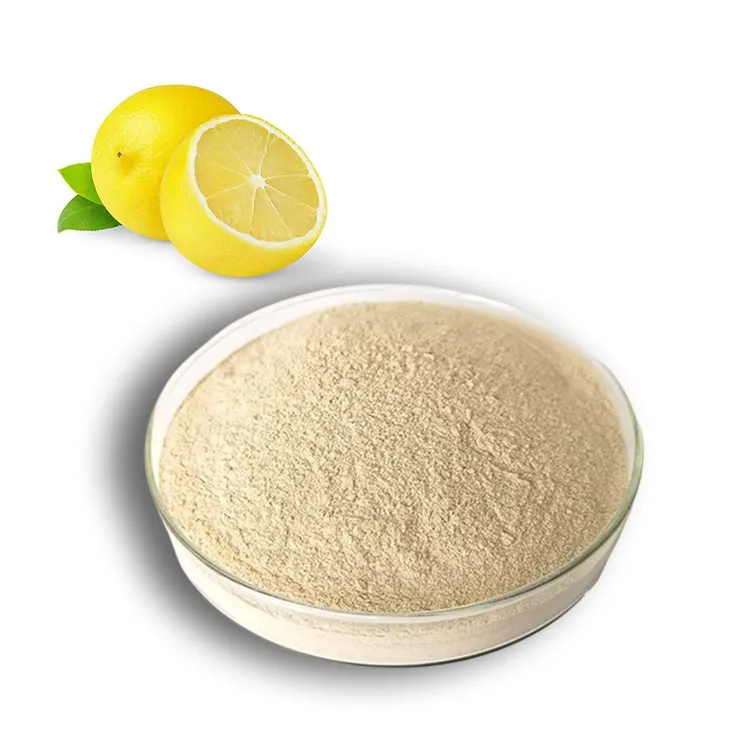
2.2 Extraction Methods
Once the lemons are sourced, manufacturers employ different extraction methods to obtain the Lemon Extract. One of the common methods is cold - pressing. This method involves mechanically pressing the lemons to extract the juice and essential oils without the use of heat. Cold - pressing helps to preserve the natural flavor and aroma compounds of the lemons, resulting in a high - quality extract. Another method is solvent extraction. In this process, a solvent is used to dissolve the desirable components from the lemons. However, manufacturers need to ensure that the solvent used is food - grade and that all traces of the solvent are removed from the final product to meet safety and quality standards.

2.3 Research and Development
Quality - minded manufacturers place a great emphasis on research and development (R&D). They invest in R&D to improve the extraction efficiency. This could involve developing new extraction techniques or optimizing existing ones. For example, they may explore ways to increase the yield of essential oils during the extraction process while minimizing the waste of raw materials. R&D also focuses on enhancing the quality of the final Lemon Extract product. This includes improving its flavor profile, stability, and shelf - life. Manufacturers may conduct sensory evaluations and chemical analyses to ensure that their product meets or exceeds the expectations of the market.

2.4 Sustainable Sourcing
In today's environmentally conscious world, sustainable sourcing of lemons has become a crucial aspect for Lemon Extract manufacturers. Sustainable sourcing not only helps to protect the environment but also ensures the long - term availability of raw materials. Manufacturers may work with local farmers who follow sustainable agricultural practices. These practices could include reducing the use of pesticides and fertilizers, conserving water, and protecting the biodiversity of the lemon - growing regions. Some manufacturers may also support fair - trade initiatives, which ensure that farmers receive a fair price for their produce.
3. Suppliers of Lemon Extract

3.1 Role as a Link
Suppliers play a vital role in the Lemon Extract supply chain as they act as the link between the manufacturers and the end - users. They have an extensive network that allows them to distribute Lemon Extract globally. This network includes relationships with manufacturers, distributors, wholesalers, and retailers. Suppliers need to have a deep understanding of the market demand in different regions to ensure that the right quantity of Lemon Extract is supplied at the right time.
3.2 Quality Assurance
Just like manufacturers, suppliers also need to ensure the quality of the Lemon Extract they handle. They should verify the quality certifications of the products they source from manufacturers. This includes certifications related to food safety, such as HACCP (Hazard Analysis and Critical Control Points) and ISO (International Organization for Standardization) standards. Suppliers also need to ensure proper storage and transportation conditions to maintain the quality of the Lemon Extract. For example, Lemon Extract should be stored in a cool, dry place away from direct sunlight to prevent spoilage.
3.3 Market Knowledge
Suppliers need to possess in - depth market knowledge. They should be aware of the latest trends in the food and aromatherapy industries, as these industries are the major consumers of Lemon Extract. For instance, if there is a growing trend towards natural and organic products in the food industry, suppliers should be able to source and supply Lemon Extract that meets the requirements of organic certification. They also need to monitor the competition in the market and adjust their pricing and marketing strategies accordingly.
4. Transparency in the Manufacturing and Supply Chain
4.1 Information about Lemon Origin
Transparency in the manufacturing and supply chain of Lemon Extract is of utmost importance. One aspect of this is providing accurate information about the origin of the lemons used. End - users, especially those in the food and aromatherapy industries, are increasingly interested in knowing where the lemons come from. This information can help them make informed decisions about the quality and authenticity of the product. Manufacturers and suppliers should be able to trace the origin of the lemons back to the specific farms or regions of production.
4.2 Extraction Process Disclosure
Another important aspect of transparency is the disclosure of the extraction process. Consumers and end - users may want to know how the Lemon Extract is made, whether it is through cold - pressing or solvent extraction. By providing this information, manufacturers and suppliers can build trust with their customers. For example, if a manufacturer uses a particular extraction method that is known for its high - quality output, such as cold - pressing, highlighting this fact can enhance the product's appeal in the market.
4.3 Quality Certifications
Quality certifications play a significant role in the Lemon Extract industry. Manufacturers and suppliers should be able to provide information about the quality certifications their products hold. These certifications not only assure the quality of the product but also demonstrate compliance with industry standards. For example, a product with an organic certification indicates that the lemons used were grown without the use of synthetic pesticides and fertilizers, which is highly desirable for many consumers in the food and aromatherapy industries.
5. Conclusion
In conclusion, Lemon Extract manufacturers and suppliers are integral to the availability and quality of Lemon Extract in the market. Manufacturers are responsible for producing high - quality extract through careful sourcing, efficient extraction methods, and continuous R&D. Suppliers, on the other hand, play a crucial role in ensuring the product reaches the end - users by maintaining a global network, assuring quality, and having in - depth market knowledge. Transparency throughout the manufacturing and supply chain is key to building trust with customers and maintaining a good reputation in the highly competitive market. As the demand for Lemon Extract continues to grow in various industries, the importance of these manufacturers and suppliers will only increase.
FAQ:
What are the main methods for manufacturers to produce Lemon Extract?
Manufacturers produce Lemon Extract mainly through methods such as cold - pressing or solvent extraction. They start with carefully sourced lemons and then use these processes to obtain the extract.
Why do quality - minded Lemon Extract manufacturers invest in R & D?
Quality - minded manufacturers invest in research and development to improve the extraction efficiency and the quality of the final product.
How do suppliers play a role in the Lemon Extract market?
Suppliers act as the link between the manufacturers and the end - users. They have an extensive network that enables them to deliver Lemon Extract globally.
What are the applications of Lemon Extract in different industries?
In the food industry, Lemon Extract can enhance the flavor profile of products. In the aromatherapy field, its pleasant scent can have a calming and invigorating effect.
Why is transparency important in the manufacturing and supply chain of Lemon Extract?
Transparency is important because it includes providing accurate information about the origin of the lemons, the extraction process, and the quality certifications. By doing so, they can build trust with their customers and maintain a good reputation in the competitive market.
Related literature
- Lemon Extract Production: Modern Techniques and Quality Assurance"
- "The Role of Suppliers in the Global Lemon Extract Market"
- "Lemon Extract: Applications and Market Trends"


-

Phyllanthus Emblica Extract
2024-12-06
-

White Peony Extract
2024-12-06
-

Rutin
2024-12-06
-

Pomegranate Extract
2024-12-06
-

Avocado Extract Powder
2024-12-06
-

Lycopene
2024-12-06
-

Carrageenan Extract Powder
2024-12-06
-

Bilberry Extract
2024-12-06
-

Cat Claw Extract
2024-12-06
-

Eucommia Ulmoides Extract
2024-12-06