


1. Lemon Planting
Lemon is a widely cultivated fruit tree around the world. Understanding the proper planting methods is crucial for successful lemon production.
1.1 Propagation Methods
There are several ways to propagate lemon trees. One common method is by seeds. However, it should be noted that lemon trees grown from seeds may not always inherit the desirable traits of the parent plant. Another popular method is through grafting. Grafting allows for the combination of the rootstock of a hardy and disease - resistant variety with the scion of a high - quality lemon variety. This method can ensure better fruit quality and earlier fruiting. Budding is also a form of asexual propagation used in lemon cultivation.
1.2 Optimal Growth Conditions
Lemons thrive in warm and sunny climates. They require a significant amount of sunlight, at least 6 - 8 hours per day. The ideal temperature range for lemon growth is between 15 - 30°C. When it comes to soil, well - drained, slightly acidic soil with a pH range of 5.5 - 6.5 is preferred. Adequate water supply is also essential, but over - watering should be avoided as it can lead to root rot.
2. Processing of Lemon Extract
The processing of Lemon Extract involves several important techniques.

2.1 Different Extraction Techniques
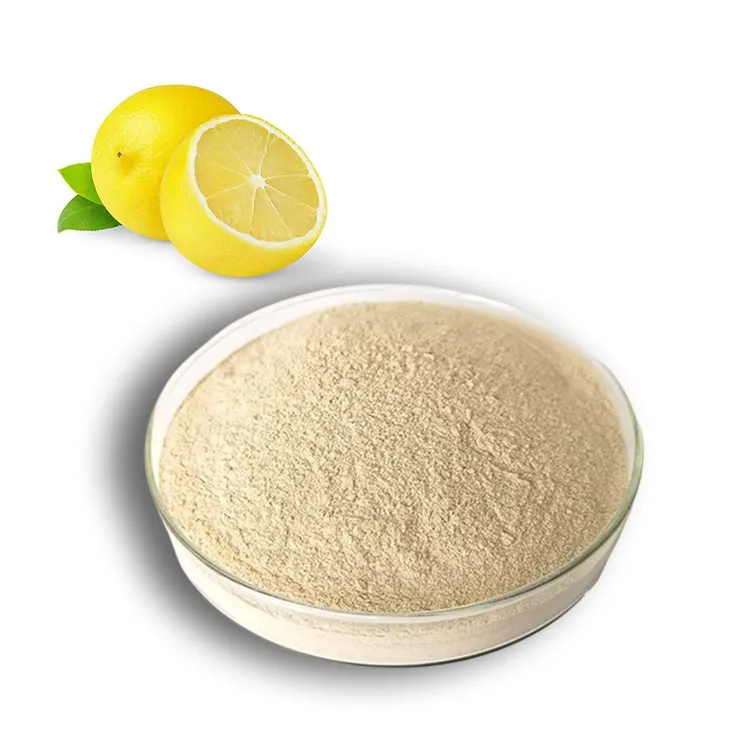
One of the most common extraction methods is cold - press extraction. In this process, fresh lemons are mechanically pressed to extract the juice. The juice contains a high concentration of natural compounds found in lemons, which are then used as the basis for Lemon Extract. Another technique is solvent extraction. Organic solvents are used to extract the essential oils and other active components from lemon peels. However, this method requires careful control to ensure the safety of the final product as solvent residues need to be removed completely. Steam distillation is also used to obtain lemon essential oils. The steam passes through the lemon peels, vaporizing the essential oils, which are then condensed and collected.
3. Technological Innovations in the Lemon Industry
The lemon industry has witnessed several technological innovations in recent years.

3.1 Advanced Irrigation Systems
Drip irrigation systems have been increasingly adopted in lemon orchards. These systems can precisely control the amount of water supplied to each tree, reducing water waste and ensuring that the trees receive the appropriate amount of moisture. This is especially important in areas with limited water resources.

3.2 Automated Harvesting Machines
With the development of technology, automated harvesting machines have been introduced in some large - scale lemon farms. These machines can identify ripe lemons based on color, size, and other characteristics and then pick them without causing significant damage to the trees or the fruit. This not only increases the efficiency of the harvesting process but also reduces labor costs.
3.3 Quality Control Technologies
Advanced quality control technologies, such as spectroscopic analysis, are being used to monitor the quality of lemons and lemon products. Spectroscopic analysis can quickly detect the presence of contaminants, measure the concentration of important nutrients and active ingredients, and ensure that the products meet the required quality standards.
4. The Market for Lemon Extract
The market for Lemon Extract is influenced by various factors, both domestically and internationally.
4.1 Domestic Market Situations
In domestic markets, Lemon Extract is widely used in the food and beverage industry. It is a popular ingredient in the production of lemon - flavored drinks, such as lemonade, as well as in baking, for adding a tangy flavor to cakes, cookies, and pastries. In addition, Lemon Extract is also used in the cosmetics and personal care industry. It is found in products such as skin creams, shampoos, and soaps due to its refreshing scent and potential beneficial properties for the skin and hair.
4.2 International Market Situations
On the international market, countries with a large lemon production, such as Italy, Spain, and the United States, are major exporters of lemon products. The demand for Lemon Extract is growing in emerging economies, especially in Asia. Asian countries are importing more Lemon Extract for use in their expanding food, beverage, and cosmetics industries.
4.3 Export Opportunities
There are significant export opportunities for Lemon Extract producers. With the increasing global demand for natural and healthy food and cosmetic ingredients, Lemon Extract, which is rich in vitamins, antioxidants, and other beneficial compounds, is highly sought after. However, producers need to comply with international quality and safety standards, such as those related to pesticide residues and food additives, to be able to enter the international market successfully.
4.4 The Impact of Changing Consumer Preferences
Changing consumer preferences also have a great impact on the Lemon Extract market. Consumers are increasingly interested in natural and organic products. As a result, there is a growing demand for Lemon Extract produced from organically grown lemons. Moreover, consumers are also more concerned about the environmental and social sustainability of the products they purchase. Lemon Extract producers who can demonstrate sustainable farming practices and ethical business operations are likely to gain a competitive advantage in the market.
FAQ:
Q1: What are the common propagation methods for lemon planting?
There are mainly two common propagation methods for lemon planting. One is seed propagation, which is relatively simple but may result in genetic variation. The other is vegetative propagation, such as grafting and cutting. Grafting can combine the desirable traits of different lemon varieties, and cutting can quickly produce new plants with the same characteristics as the parent plant.
Q2: What are the optimal growth conditions for lemon trees?
Lemon trees thrive in warm and sunny environments. They require well - drained soil with a pH range of 5.5 - 6.5. Adequate water supply is necessary, but over - watering should be avoided to prevent root rot. Additionally, they need proper fertilization with a balance of nutrients such as nitrogen, phosphorus, and potassium.
Q3: What are the different extraction techniques for Lemon Extract?
There are several extraction techniques for Lemon Extract. One common method is solvent extraction, where a suitable solvent is used to dissolve the active components in the lemon. Another is steam distillation, which is often used for extracting essential oils from lemon peels. Cold - press extraction is also used, especially for obtaining high - quality lemon juice extract without significant heat damage.
Q4: What are the technological innovations in the lemon industry?
Technological innovations in the lemon industry include advanced irrigation systems that can precisely control water supply based on the needs of lemon trees. There are also new extraction technologies that are more efficient and environmentally friendly. In addition, there are developments in post - harvest handling technologies, such as improved storage and packaging methods to extend the shelf life of lemons and lemon - based products.
Q5: What are the export opportunities for Lemon Extract in the international market?
The international market offers several export opportunities for Lemon Extract. Many countries have a growing demand for natural flavors and ingredients, and Lemon Extract is widely used in the food, beverage, and cosmetic industries. Countries with a large production of lemons can export Lemon Extract to regions where local production is insufficient. Also, emerging markets in Asia and Africa are showing an increasing appetite for high - quality lemon - based products.
Q6: How does changing consumer preferences impact the Lemon Extract market?
Changing consumer preferences have a significant impact on the Lemon Extract market. For example, as consumers are more health - conscious, there is a greater demand for natural and organic Lemon Extract. Also, the trend towards clean - label products means that Lemon Extract without artificial additives is more favored. Moreover, the popularity of certain flavors in the food and beverage industry, such as citrus - flavored drinks, can directly affect the market demand for Lemon Extract.
Related literature
- Lemon Cultivation: Best Practices"
- "Advanced Extraction Techniques for Citrus Extracts"
- "The Global Lemon Market: Trends and Opportunities"
- "Technological Advancements in the Lemon - Based Product Industry"


-

Tinospora cordifolia extract
2024-12-08
-

Alisma Extract
2024-12-08
-

L-Citrullin-DL-malate
2024-12-08
-

Chasteberry Extract
2024-12-08
-

Ginkgo Biloba Extract
2024-12-08
-

Baicalin
2024-12-08
-

Taurine
2024-12-08
-

Nettle leaf extract
2024-12-08
-

Rosemary extract
2024-12-08
-

Kupilu Extract
2024-12-08