


1. Introduction
Organic food manufacturing has been on a continuous rise as consumers become more health - conscious and environmentally aware. In this context, Lemon Extract has emerged as a remarkable ingredient. It offers a natural and effective way to influence the color, texture, and preservation of organic food products. This article aims to explore the multifaceted role of Lemon Extract in organic food manufacturing by delving into its chemical properties and diverse applications.
2. Chemical Properties of Lemon Extract
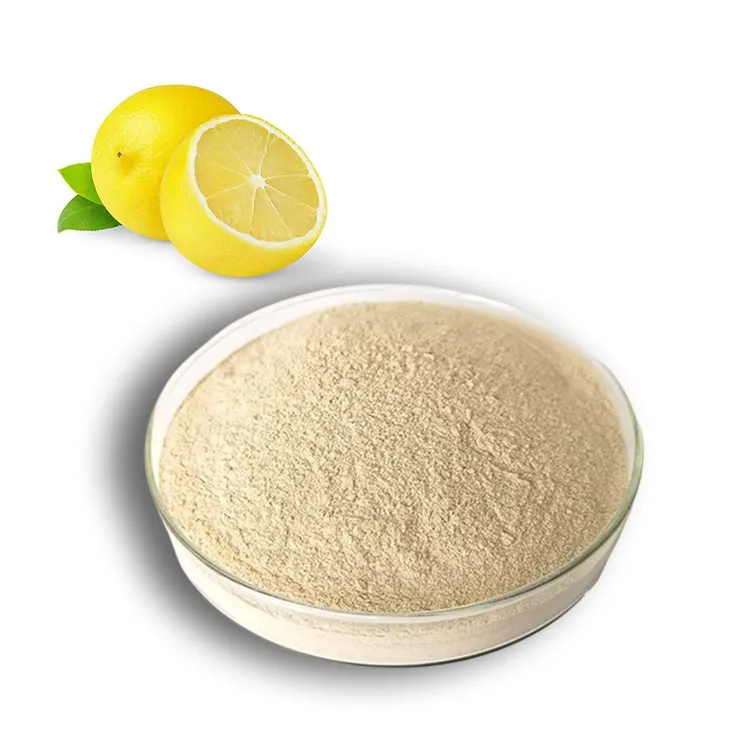
Lemon Extract is rich in various chemical components that contribute to its unique properties in food manufacturing.
2.1 Citric Acid
Citric acid is a predominant component in Lemon Extract. It is a weak organic acid with the molecular formula C₆H₈O₇. Citric acid plays a crucial role in food preservation. It lowers the pH of the food environment, creating an acidic condition that is unfavorable for the growth of many microorganisms such as bacteria, yeasts, and molds. This inhibitory effect on microbial growth helps to extend the shelf - life of organic foods.
2.2 Flavonoids
Lemon Extract contains flavonoids, which are polyphenolic compounds. These flavonoids, such as Hesperidin and naringin, have antioxidant properties. They are capable of scavenging free radicals in the food system. Free radicals can cause oxidative damage to food components, leading to changes in color, flavor, and nutritional value. By neutralizing free radicals, the flavonoids in Lemon Extract help to maintain the freshness and quality of organic foods.

2.3 Volatile Compounds
The volatile compounds in Lemon Extract are responsible for its characteristic aroma. These compounds, including limonene, contribute to the sensory appeal of organic food products. They can also have an impact on the texture and flavor development during food processing. For example, limonene can interact with other food components, affecting the rheological properties of food matrices.
3. Impact on Color
Lemon Extract has a significant influence on the color of organic food products.

3.1 Inhibition of Browning Reactions
One of the main ways Lemon Extract affects color is by inhibiting browning reactions. In fruits and vegetables, enzymatic browning can occur due to the action of polyphenol oxidase (PPO) enzymes. When the cells of fruits or vegetables are damaged, PPO enzymes are exposed to phenolic compounds, leading to the formation of brown pigments. The citric acid in Lemon Extract can act as an inhibitor of PPO enzymes. By reducing the activity of PPO, Lemon Extract helps to prevent the browning of cut fruits and vegetables, thus maintaining their natural color.

3.2 Color Enhancement
The flavonoids and other compounds in Lemon Extract can also enhance the color of organic foods. For example, in some baked goods or dairy products, the addition of Lemon Extract can give a slightly yellowish tint, which can be aesthetically pleasing. This color enhancement is a result of the interaction between the components of Lemon Extract and the food matrix, which may involve processes such as absorption and reflection of light at specific wavelengths.
4. Influence on Texture
Lemon Extract can bring about changes in the texture of organic food products.
4.1 In Gel - based Foods
In gel - based organic foods such as jellies or pectin - based desserts, Lemon Extract can affect the gel formation process. The citric acid in Lemon Extract can interact with pectin molecules. Pectin is a polysaccharide that forms gels in the presence of acid and sugar. The presence of citric acid can adjust the pH and ionic strength, which in turn influences the cross - linking of pectin molecules. This can result in a firmer or more elastic gel texture, depending on the concentration of Lemon Extract used.
4.2 In Baked Goods
In baked goods like cakes and muffins, Lemon Extract can impact the texture in multiple ways. The acid in Lemon Extract can react with baking soda or baking powder, producing carbon dioxide gas. This gas formation helps to leaven the dough, resulting in a lighter and fluffier texture. Additionally, the flavonoids and other components in Lemon Extract may interact with the gluten proteins in the flour, affecting the dough's rheology and the final texture of the baked product.
5. Role in Preservation
The preservation properties of Lemon Extract are of great importance in organic food manufacturing.
5.1 Antimicrobial Activity
As mentioned earlier, the citric acid in Lemon Extract creates an acidic environment that inhibits the growth of microorganisms. This antimicrobial activity is particularly useful in organic foods where the use of synthetic preservatives is often restricted. Lemon Extract can be used to preserve a wide range of organic products, from fruits and vegetables to sauces and dressings. For example, in organic fruit juices, a small amount of Lemon Extract can prevent spoilage caused by bacteria and yeasts, keeping the juice fresh for a longer period.
5.2 Antioxidant Protection
The flavonoids in Lemon Extract act as antioxidants, protecting organic foods from oxidative damage. Oxidation can lead to rancidity in fats and oils, off - flavors in foods, and a decrease in nutritional value. By scavenging free radicals, Lemon Extract helps to slow down the oxidation process. This is especially important in organic products that contain high - levels of unsaturated fats or are rich in vitamins and other nutrients that are sensitive to oxidation, such as nuts, seeds, and certain oils.
6. Applications in Different Organic Food Products
Lemon Extract finds a wide range of applications in various organic food products.
6.1 Fruits and Vegetables
- For cut fruits such as apples and bananas, Lemon Extract can be sprayed or dipped to prevent browning. This helps to maintain their visual appeal in fruit salads or for individual consumption.
- In the preservation of fresh vegetables like cucumbers and tomatoes, Lemon Extract can be added to the packaging solution or used as a rinse to inhibit microbial growth and extend their shelf - life.
6.2 Dairy Products
- In yogurt production, Lemon Extract can be added to enhance the flavor and provide a natural preservative effect. The acidity of Lemon Extract can also help to control the pH of the yogurt, which is important for the growth of beneficial bacteria such as Lactobacillus.
- In cheese making, Lemon Extract can be used in the brine or coating to prevent the growth of spoilage microorganisms and add a unique flavor note.
6.3 Baked Goods
- Cakes, muffins, and cookies can benefit from the addition of Lemon Extract. It not only adds a pleasant lemony flavor but also helps in achieving the desired texture, as discussed earlier.
- In bread making, Lemon Extract can be used to improve the dough's handling properties and enhance the flavor of the final product.
6.4 Beverages
- Organic fruit juices can be fortified with Lemon Extract to improve their preservation and add a refreshing flavor. Lemon - flavored iced teas and herbal infusions are also popular products where Lemon Extract is used.
- In the production of organic alcoholic beverages such as lemon - flavored vodkas or wines, Lemon Extract is used to impart the characteristic lemon flavor.
7. Conclusion
Lemon Extract has proven to be a versatile and valuable ingredient in organic food manufacturing. Its chemical properties, including the presence of citric acid, flavonoids, and volatile compounds, enable it to have a significant impact on the color, texture, and preservation of organic food products. Through its various applications in fruits, vegetables, dairy products, baked goods, and beverages, Lemon Extract offers a natural and effective solution for enhancing and protecting organic foods. As the demand for organic foods continues to grow, the role of Lemon Extract is likely to become even more prominent in the future of food manufacturing.
FAQ:
1. How does Lemon Extract affect the color of organic food?
Lemon Extract contains various compounds such as citric acid and flavonoids. Citric acid can act as a mild antioxidant, preventing enzymatic browning in some organic foods. Flavonoids may also contribute to maintaining the natural color by interacting with pigments in the food. For example, in fruits like apples, Lemon Extract can slow down the oxidation process that turns the flesh brown, thus helping to preserve the original color for a longer time.
2. What role does Lemon Extract play in improving the texture of organic food?
Lemon Extract can influence the texture of organic food in multiple ways. Its acidic nature can break down certain proteins and fibers, which can tenderize meat or soften the texture of some tough vegetables. In baking, it can react with baking soda or powder, creating carbon dioxide gas that helps in leavening. This gives baked goods a lighter and fluffier texture. Additionally, in dairy - based organic products, it can help in preventing curdling and maintain a smooth consistency.
3. How does Lemon Extract contribute to the preservation of organic food?
The antimicrobial properties of Lemon Extract are key to its preservation role. Compounds in Lemon Extract, like limonene and citral, can inhibit the growth of bacteria, yeasts, and molds. By creating an environment less favorable for microbial growth, it extends the shelf life of organic foods. In jams and preserves, for instance, Lemon Extract can prevent spoilage and fermentation, allowing the product to be stored for longer periods without the need for artificial preservatives.
4. Are there any specific organic food products where Lemon Extract is most effective?
Lemon Extract is highly effective in a variety of organic food products. In fruit - based products such as fruit salads and dried fruits, it helps maintain color and freshness. In salad dressings, it not only adds a tangy flavor but also acts as a preservative. In organic meat products, it can enhance the flavor while also helping with preservation and tenderizing. In bakery items like cakes and muffins, it improves the texture and contributes to a longer shelf - life.
5. How should Lemon Extract be used in organic food manufacturing to optimize its benefits?
The amount of Lemon Extract used depends on the type of organic food product. In general, for preservation purposes, a small amount (usually a few drops per cup or per pound of product) can be effective. For texture improvement, especially in baking, it should be used in proportion to the other leavening agents. In meat products, it can be marinated with the meat for a certain period, usually a few hours, to achieve the best tenderizing and flavor - enhancing results. It is important to note that over - use may lead to an overly acidic taste or other unwanted effects.
Related literature
- The Role of Natural Extracts in Organic Food Preservation"
- "Lemon Extract: Chemical Composition and Its Impact on Food Properties"
- "Applications of Lemon Extract in the Organic Food Industry"


-

Echinacea Extract
2024-12-15
-

Tongkat Ali Extract
2024-12-15
-

Astaxanthin
2024-12-15
-

Pomegranate Extract
2024-12-15
-

Cordyceps Extract
2024-12-15
-

Dandelion Root Extract
2024-12-15
-

Olive leaf extract
2024-12-15
-
Lemon Extract
2024-12-15
-

Maitake Mushroom Extract
2024-12-15
-

Kupilu Extract
2024-12-15