


1. Introduction to Mulberry leaf Extract
Mulberry leaf Extract has been gaining remarkable attention in recent times. This is due to its numerous potential health benefits and diverse applications in various industries. Mulberry leaves are rich in a variety of bioactive compounds such as flavonoids, alkaloids, and polysaccharides. These substances are believed to possess antioxidant, anti - diabetic, anti - inflammatory, and other beneficial properties.
2. Manufacturers of Mulberry leaf Extract
2.1. Production Facilities
Manufacturers of Mulberry leaf Extract usually have specialized facilities dedicated to the extraction process. These facilities are designed to ensure the efficient and high - quality extraction of the desired compounds from the mulberry leaves. They are equipped with modern equipment which plays a crucial role in the extraction process. For example, extraction machines are carefully calibrated to control factors like temperature, pressure, and solvent conditions during the extraction. Maintaining the right temperature is vital as it can affect the stability and activity of the bioactive compounds. The appropriate pressure helps in ensuring the proper flow of solvents and the efficient transfer of the target substances from the leaves to the extract. Similarly, the choice of solvent and its condition (such as concentration) is critical for selectively extracting the beneficial components while minimizing the extraction of unwanted substances.

2.2. Quality Control
Quality control is a significant aspect of the manufacturing process. Manufacturers implement strict quality control measures at every stage of production. They start with the selection of high - quality mulberry leaves. Only fresh, healthy leaves from reliable sources are used. During the extraction process, regular monitoring is carried out to ensure that the extraction parameters are within the specified ranges. After extraction, the final product is tested for its purity, potency, and safety. This includes tests for the presence of contaminants such as heavy metals, pesticides, and microbial contaminants. Only products that meet the strict quality standards are released for further distribution.
3. Suppliers of Mulberry leaf Extract
3.1. Marketing and Distribution
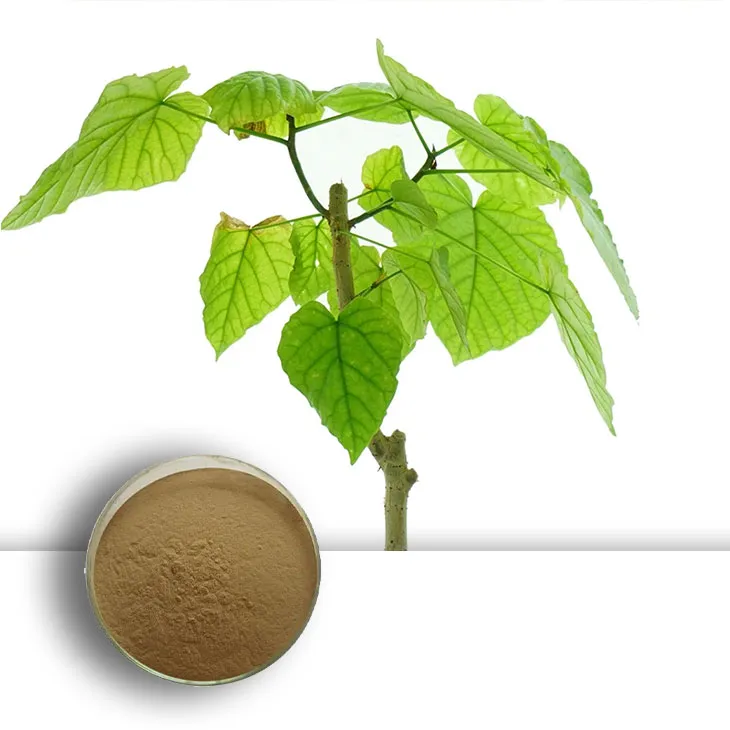
Suppliers play a crucial role in the Mulberry leaf Extract supply chain. Their primary responsibility is marketing and distribution of the extract. They need to have a deep understanding of the product features and quality specifications, which they obtain through close collaboration with manufacturers. Suppliers use various marketing strategies to promote the use of Mulberry leaf Extract. They target different industries based on the potential applications of the extract. For example, in the nutraceutical industry, they focus on highlighting the health - promoting properties of the extract to consumers. In the cosmetic industry, they emphasize its potential benefits for skin health. Suppliers also ensure the proper distribution of the product to reach its intended markets. This involves establishing distribution networks that can efficiently deliver the product to different regions, whether it is local or international.
3.2. Customer Service
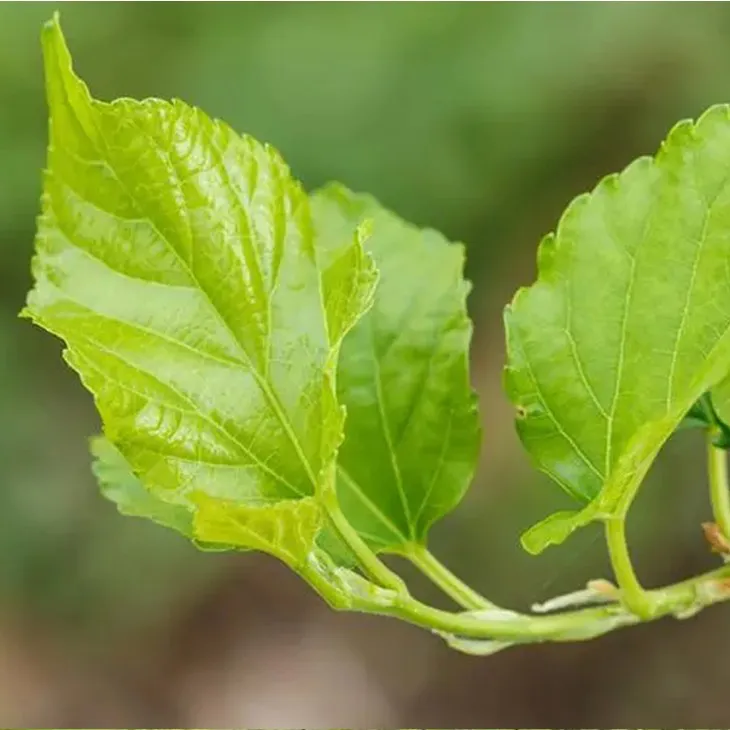
Good customer service is another important aspect of the suppliers' role. They need to be able to answer customer inquiries regarding the product. This includes providing information about the source of the mulberry leaves, the extraction process, and the recommended applications of the extract. Suppliers also handle customer complaints and feedback. By addressing customer concerns promptly and effectively, they can build a good reputation for the product and enhance customer loyalty. Additionally, they may offer after - sales support such as providing technical assistance to customers who are using the extract in their product formulations.
4. New Trends in the Mulberry leaf Extract Market
4.1. The Rising Use in the Nutraceutical Industry
One of the significant new trends in the Mulberry leaf Extract market is its increasing use in the nutraceutical industry. Nutraceuticals are products that combine the benefits of nutrition and pharmaceuticals. Mulberry leaf Extract, with its potential health - promoting properties, is becoming a popular ingredient in nutraceutical products. It is being incorporated into dietary supplements, functional foods, and beverages. For example, some companies are producing dietary supplements containing Mulberry leaf Extract to help with blood sugar control. In functional foods, it can be added to products like breakfast cereals or energy bars to provide additional health benefits. The growing consumer interest in natural and plant - based health products has contributed to this trend.
4.2. Sustainable Sourcing and Environment - Friendly Extraction
As environmental awareness grows, manufacturers and suppliers of Mulberry leaf Extract are also focusing on sustainable sourcing of mulberry leaves and environment - friendly extraction processes. Sustainable sourcing involves ensuring that the mulberry leaves are obtained in a way that does not harm the environment or deplete natural resources. This may include practices such as promoting organic farming of mulberry trees, which reduces the use of pesticides and fertilizers. Environment - friendly extraction processes aim to minimize the environmental impact of the extraction. For example, some manufacturers are exploring the use of green solvents or alternative extraction methods that are less polluting. These efforts not only help to protect the environment but also meet the increasing consumer demand for sustainable products.
5. Challenges and Opportunities for Manufacturers and Suppliers
5.1. Regulatory Challenges
Manufacturers and suppliers of Mulberry leaf Extract face several regulatory challenges. Different countries have different regulations regarding the use, marketing, and safety of food supplements and natural products. For example, some countries may require specific labeling requirements for products containing Mulberry leaf Extract. Manufacturers need to ensure that their products comply with these regulations in all the markets they target. This can be a complex and time - consuming process, especially when entering new international markets. Suppliers also need to be aware of the regulatory requirements to ensure that they are marketing and distributing compliant products.
5.2. Competition
The growing popularity of Mulberry leaf Extract has led to increased competition in the market. There are more and more manufacturers and suppliers entering the industry. To stay competitive, manufacturers need to continuously improve their production processes to reduce costs and increase product quality. They may also need to invest in research and development to discover new applications or improve the extraction methods. Suppliers, on the other hand, need to find ways to differentiate themselves from their competitors. This can be achieved through better customer service, more extensive marketing strategies, or offering unique product features such as customized formulations for specific customers.
5.3. Opportunities for Growth
Despite the challenges, there are also significant opportunities for growth in the Mulberry leaf Extract market. The expanding applications in the nutraceutical, cosmetic, and other industries provide a broad market potential. As more research is conducted on the health benefits of Mulberry leaf Extract, new product opportunities may emerge. For example, there may be potential for the development of new drugs based on the bioactive compounds in the extract. Additionally, the increasing consumer demand for natural and sustainable products offers an opportunity for manufacturers and suppliers to position their products as environmentally friendly and healthy alternatives.
6. Conclusion
In conclusion, the Mulberry leaf Extract market is experiencing growth and transformation. Manufacturers with their specialized production facilities and strict quality control, and suppliers with their marketing and distribution capabilities play important roles in this market. The emerging trends such as the use in the nutraceutical industry and the focus on sustainable sourcing and environment - friendly extraction processes present both challenges and opportunities. As the market continues to evolve, manufacturers and suppliers will need to adapt to the changing demands, regulatory requirements, and competitive landscape to ensure their long - term success in the Mulberry leaf Extract business.
FAQ:
What are the main beneficial substances in Mulberry leaf Extract?
There are several beneficial substances in Mulberry leaf Extract. It often contains flavonoids, which have antioxidant properties. Also, it may include alkaloids that can potentially have various health - related effects on the body, such as helping with blood sugar regulation.
How do manufacturers ensure the quality of Mulberry leaf Extract?
Manufacturers ensure the quality of Mulberry leaf Extract in multiple ways. They start with carefully sourcing high - quality mulberry leaves. During the extraction process, they use precise control of parameters like temperature, pressure, and solvent conditions. After extraction, they conduct various tests, such as purity tests and tests for the presence of specific active ingredients, to ensure that the final product meets the required quality standards.
What are the challenges faced by suppliers of Mulberry leaf Extract?
Suppliers of Mulberry leaf Extract face several challenges. One major challenge is competition in the market, as the number of suppliers is growing. They also need to deal with regulatory requirements in different regions. Additionally, ensuring the stability and shelf - life of the extract during storage and transportation can be difficult, especially considering the natural properties of the product.
How is the Mulberry leaf Extract used in the nutraceutical industry?
In the nutraceutical industry, Mulberry leaf Extract can be used in various forms. It can be incorporated into dietary supplements, such as capsules or tablets. It may also be used as an ingredient in functional foods and beverages. Its potential health - promoting properties, like blood sugar management and antioxidant effects, make it a valuable addition to nutraceutical products.
What are the environmental considerations in the manufacturing process of Mulberry leaf Extract?
Manufacturers need to consider several environmental aspects. The sourcing of mulberry leaves should be sustainable to avoid over - harvesting. In the extraction process, the choice of solvents should be environmentally - friendly to reduce pollution. Also, waste management during the manufacturing process should be properly handled to minimize the environmental impact.
Related literature
- The Production and Application of Mulberry leaf Extract: A Comprehensive Review"
- "Mulberry leaf Extract: Manufacturing Techniques and Quality Control"
- "The Role of Mulberry leaf Extract in the Nutraceutical and Pharmaceutical Industries"


-

Horse Chestnut Extract
2024-12-06
-

Konjac Powder
2024-12-06
-

Green Tea Extract
2024-12-06
-

Phyllanthus Emblica Extract
2024-12-06
-

Sophora Flavescens Root Extract
2024-12-06
-

Bromelain
2024-12-06
-

Lemon Balm Extract
2024-12-06
-

Shikone Extract
2024-12-06
-

Aged Garlic Extract
2024-12-06
-

Cranberry Extract
2024-12-06