


1. Introduction
The Bulk White mustard seed extract industry is a complex and multi - faceted one. At the heart of this industry are two key entities: the manufacturers and the dealers. These two groups play distinct yet interconnected roles in the supply chain, and understanding their differences, challenges, and interactions is crucial for a comprehensive understanding of the market.
2. Manufacturers of Bulk White mustard seed extract
2.1 Sourcing of Raw Materials
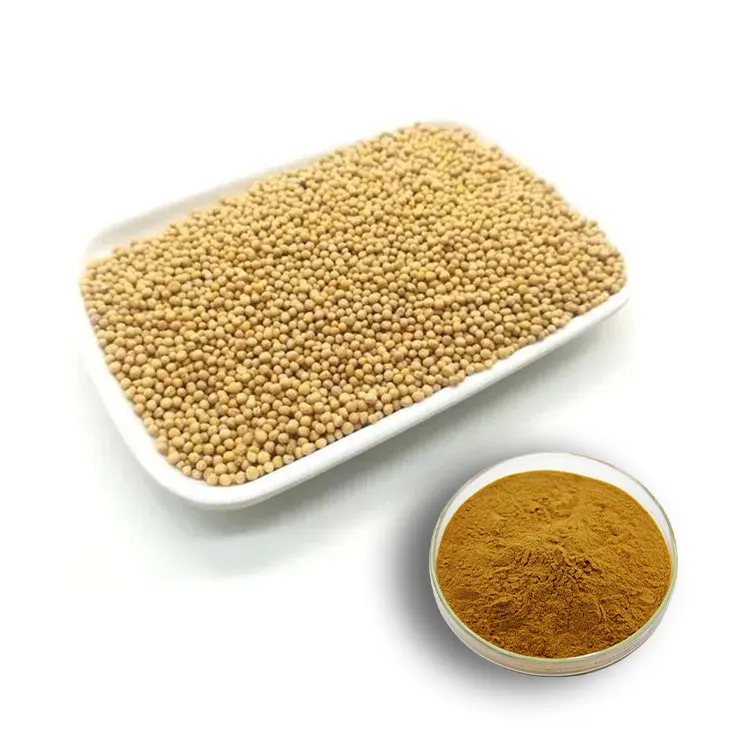
Manufacturers are responsible for sourcing high - quality white mustard seeds. This is a critical first step in the production process. They must ensure that the seeds are obtained from reliable suppliers. These suppliers may be local farmers or international agricultural exporters. The quality of the seeds can vary depending on factors such as the region of growth, climate conditions, and farming practices. For example, white mustard seeds grown in certain regions may have a higher oil content or a more distinct flavor profile. Manufacturers need to carefully select their sources to ensure consistency in the final product.
2.2 Production Processes
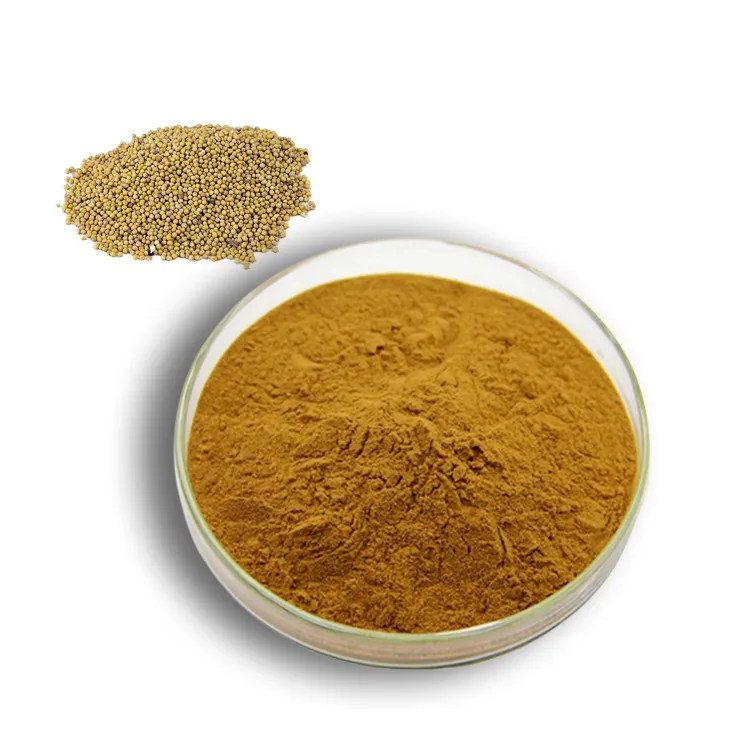
Once the seeds are sourced, manufacturers engage in a series of complex production processes. One of the main processes is extraction. This involves using advanced extraction techniques to obtain the active compounds from the white mustard seeds. There are different methods of extraction, such as solvent extraction or cold - press extraction. Solvent extraction may be more efficient in terms of yield but requires careful handling of solvents to ensure product safety. Cold - press extraction, on the other hand, is considered a more natural method but may result in a lower yield.
Manufacturers also need to purify the extract. This involves removing impurities such as plant fibers, proteins, and other unwanted substances. Purification processes can include filtration, centrifugation, and chromatography. These processes help to ensure the product purity and quality. For example, chromatography can be used to separate different compounds in the extract based on their chemical properties, allowing manufacturers to isolate the desired active ingredients.
2.3 Quality Control
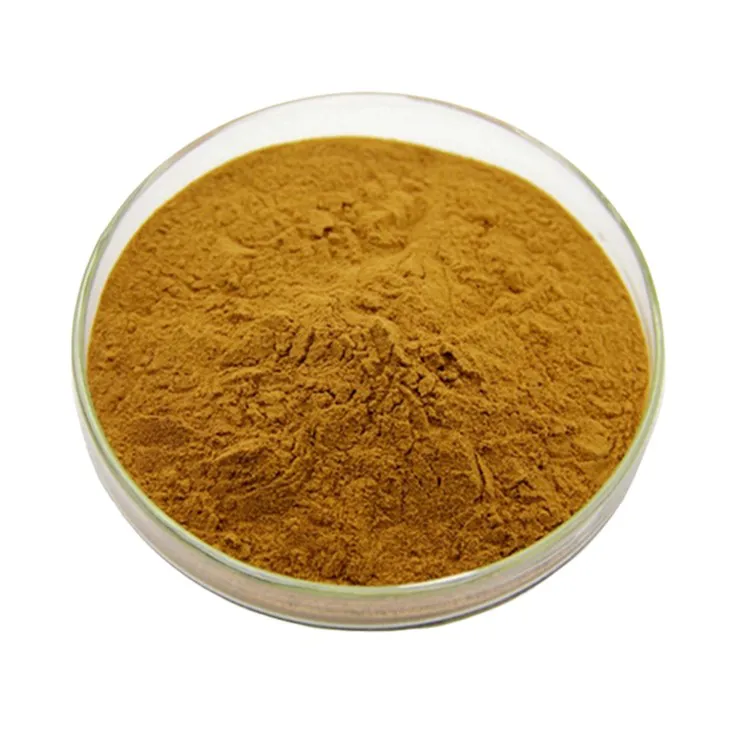
Quality control is of utmost importance for manufacturers. They need to set up strict quality control measures at every stage of the production process. This includes testing the raw materials for contaminants, such as pesticides and heavy metals. During the production process, they monitor parameters such as temperature, pressure, and extraction time to ensure consistency. For example, if the extraction temperature is too high, it may degrade the active compounds in the extract.
Finished products are also subjected to comprehensive quality testing. This includes testing for the concentration of active ingredients, microbiological contamination, and stability. Manufacturers must ensure that their products meet regulatory standards. In different countries, there may be different regulations regarding the safety and quality of food extracts. For example, in the European Union, there are strict regulations on the maximum allowable levels of certain contaminants in food extracts.
2.4 Research and Development
Manufacturers often invest in research and development (R&D). R&D efforts can focus on improving the extraction process to increase yield and purity. For example, they may be researching new solvents or extraction methods that are more efficient and environmentally friendly. Another area of R&D is exploring new applications for White mustard seed extract. This could include its use in the pharmaceutical industry for its potential health benefits, or in the cosmetic industry for its skin - enhancing properties.
3. Dealers of Bulk White mustard seed extract

3.1 Logistics Management
Dealers play a crucial role in logistics management. They are responsible for transporting the White mustard seed extract from the manufacturers to the end - users. This involves coordinating with shipping companies, warehousing facilities, and transportation providers. They need to ensure that the product is stored and transported under appropriate conditions to maintain its quality. For example, White mustard seed extract may be sensitive to temperature and humidity, so dealers need to ensure that it is stored in a climate - controlled environment during transportation and storage.
Dealers also need to manage inventory levels. They need to balance the supply and demand to avoid overstocking or understocking. Overstocking can lead to increased storage costs and the risk of product expiration, while understocking can result in lost sales opportunities. They use inventory management systems to track the quantity of products in stock, the rate of sales, and the lead time for replenishment.
3.2 Market Connections
Building market connections is another important aspect of a dealer's role. They need to identify potential customers, which can include food manufacturers, pharmaceutical companies, and cosmetic brands. Dealers need to understand the needs and requirements of these different customers. For example, a food manufacturer may be interested in using White mustard seed extract as a flavoring agent, while a pharmaceutical company may be looking for its potential anti - inflammatory properties.
Dealers also participate in trade shows, industry conferences, and networking events to promote the White mustard seed extract and build relationships with potential customers. They need to be able to communicate the benefits and features of the product effectively. For example, they may highlight the high - quality and purity of the extract, as well as its unique properties compared to other similar products in the market.
3.3 Customer Service
Providing excellent customer service is essential for dealers. They need to be responsive to customer inquiries and complaints. When customers have questions about the product, such as its usage, dosage, or storage requirements, dealers need to be able to provide accurate and timely information. In case of complaints, dealers need to take appropriate action to resolve the issue, such as replacing the product or providing a refund.
Dealers also need to build long - term relationships with their customers. This can be achieved by offering competitive prices, reliable delivery, and personalized service. For example, they may offer volume discounts to large - scale customers or provide customized packaging solutions to meet the specific needs of their customers.
4. Differences between Manufacturers and Dealers
4.1 Core Competencies
Manufacturers' core competencies lie in production - related activities such as raw material sourcing, extraction, purification, and quality control. They are focused on creating a high - quality product. For example, their expertise may be in optimizing the extraction process to obtain the maximum amount of active ingredients while maintaining product purity.
Dealers, on the other hand, are more focused on market - related activities. Their core competencies include logistics management, market connections, and customer service. For example, they are skilled at identifying potential customers and promoting the product in the market.
4.2 Risk Exposure
Manufacturers are exposed to risks related to production, such as raw material price fluctuations, production process failures, and regulatory compliance issues. For example, if the price of white mustard seeds increases significantly, it can impact the cost of production. Production process failures, such as equipment breakdowns or extraction inefficiencies, can also lead to reduced product quality and increased costs.
Dealers are more exposed to market - related risks. These include changes in customer demand, competition from other dealers, and market price fluctuations. For example, if a new competitor enters the market with a similar product at a lower price, it can impact the dealer's sales volume and profit margins.
4.3 Capital Investment
Manufacturers typically require a significant amount of capital investment in production facilities, equipment, and R&D. For example, setting up a modern extraction facility with state - of - the - art equipment can be very costly. They also need to invest in R&D to improve their production processes and develop new products.
Dealers may require less capital investment in production - related areas but need to invest in logistics infrastructure, marketing, and customer service. For example, they may need to invest in warehousing facilities, transportation vehicles, and marketing campaigns to promote the product.
5. Challenges Faced by Manufacturers and Dealers
5.1 For Manufacturers
- Raw Material Quality: Ensuring a consistent supply of high - quality white mustard seeds can be challenging. Seeds may be affected by factors such as weather conditions, pests, and diseases. For example, a drought can reduce the yield and quality of the seeds.
- Production Costs: Keeping production costs in check is a constant challenge. Costs can be influenced by factors such as energy prices, raw material prices, and labor costs. For example, an increase in the price of solvents used in extraction can significantly increase production costs.
- Regulatory Compliance: Meeting regulatory standards can be complex and time - consuming. Different countries may have different regulations regarding food extracts, and these regulations can change over time. For example, new regulations may be introduced regarding the labeling of ingredients in food extracts.
5.2 For Dealers
- Market Volatility: The market for White mustard seed extract can be volatile. Changes in customer demand, competition, and market trends can impact sales. For example, if a new health trend emerges that favors alternative products, it can reduce the demand for White mustard seed extract.
- Logistics Issues: Managing logistics can be a headache. Delays in transportation, damage to goods during shipping, and issues with warehousing can all affect the product's availability and quality. For example, a delay in shipping due to bad weather can cause the product to arrive late at the customer's location.
- Customer Expectations: Meeting customer expectations can be difficult. Customers may have high expectations regarding product quality, delivery time, and customer service. For example, if a customer expects a product to be delivered within a certain time frame and it is late, it can lead to dissatisfaction.
6. Interaction between Manufacturers and Dealers in the Supply Chain
Manufacturers and dealers are interdependent in the supply chain. Manufacturers rely on dealers to distribute their products to a wider market. Dealers, in turn, depend on manufacturers to provide a high - quality product at a competitive price. For example, manufacturers may work with dealers to develop marketing strategies for the White mustard seed extract. They may provide product samples and technical information to dealers to help them promote the product.
Communication between manufacturers and dealers is crucial. They need to exchange information about product availability, quality, and market trends. For example, manufacturers may inform dealers in advance about any changes in production capacity or product formulation. Dealers, on the other hand, can provide feedback to manufacturers about customer needs and market demands. This feedback can be used by manufacturers to improve their products and production processes.
7. Conclusion
In conclusion, the manufacturers and dealers of Bulk White mustard seed extract play distinct and important roles in the supply chain. While manufacturers are focused on production - related activities and ensuring product quality, dealers are more concerned with logistics, market connections, and customer service. Understanding their differences, challenges, and interactions is essential for the success of the White mustard seed extract industry as a whole.
FAQ:
What are the key differences between manufacturers and dealers of Bulk White mustard seed extract?
Manufacturers are mainly involved in the production process. They start with sourcing white mustard seeds and then use extraction techniques to produce the extract. Their focus is on product quality, purity, and regulatory compliance. Dealers, on the other hand, are more concerned with logistics, market connections, and understanding customer needs to get the product to end - users.
How do manufacturers ensure the quality of Bulk White mustard seed extract?
Manufacturers ensure quality by sourcing high - quality white mustard seeds. They also use advanced extraction techniques. Rigorous quality control measures are implemented throughout the production process. This includes testing for purity, potency, and ensuring that the product meets regulatory standards.
What challenges do dealers of Bulk White mustard seed extract face?
Dealers face challenges such as managing complex logistics to transport the product without spoilage. They need to build and maintain good market connections. Understanding diverse customer needs and ensuring timely delivery are also significant challenges for them.
How do manufacturers and dealers interact in the supply chain of Bulk White mustard seed extract?
Manufacturers produce the Bulk White mustard seed extract and supply it to dealers. Dealers then promote and distribute the product to end - users. There is communication between them regarding product specifications, quantity, and delivery schedules. Manufacturers may also rely on dealers for market feedback to improve their products.
What role does quality control play for manufacturers of Bulk White mustard seed extract?
Quality control is crucial for manufacturers. It helps in ensuring that the final product is pure and of high quality. Through quality control, manufacturers can identify and rectify any issues during the production process. This also helps in meeting regulatory requirements and maintaining a good reputation in the market.
Related literature
- The Production and Distribution of Botanical Extracts: A Case Study of White mustard seed extract"
- "Quality Assurance in Bulk White mustard seed extract Manufacturing"
- "Supply Chain Dynamics: Manufacturers and Dealers in the Extract Industry"


-

Angelica sinensis extract
2024-12-19
-

Andrographis Paniculata Extract Powder
2024-12-19
-

Sugarcane Extract
2024-12-19
-

Lavender Extract
2024-12-19
-

Oat Straw Extract Powder
2024-12-19
-

Natural grape seed extract
2024-12-19
-

Senna Leaf Extract
2024-12-19
-

Selenium yeast
2024-12-19
-

Cassia Seed Extract
2024-12-19
-

Peppermint Extract Powder
2024-12-19