


1. Introduction
In the realm of natural products, mulberry leaves and their extracts have emerged as highly significant components. Mulberry leaves have a long - standing history in various traditional medicine systems and are now finding new applications in modern industries. The manufacturers in this sector are at the heart of the process, ensuring that the mulberry leaves are transformed into high - quality extracts for diverse uses.
2. Sourcing of Mulberry Leaves
2.1 Geographic Considerations
Manufacturers need to consider the origin of mulberry leaves carefully. Mulberry trees are native to many regions around the world, such as Asia, Europe, and North America. However, different regions may produce mulberry leaves with varying qualities. For example, in Asia, especially in countries like China and Japan, mulberry cultivation has a long tradition. The climate in these areas, with distinct seasons and suitable temperature and humidity levels, often results in mulberry leaves with rich nutritional content. Manufacturers in these regions may have an advantage in sourcing high - quality leaves directly from local farmers.

2.2 Quality Criteria
When sourcing mulberry leaves, manufacturers adhere to strict quality criteria. Purity is of utmost importance. Leaves should be free from contaminants such as pesticides, heavy metals, and other harmful substances. This requires regular testing of the leaves at the source. Additionally, the age and maturity of the leaves are considered. Younger leaves may have different chemical compositions compared to more mature ones, and manufacturers may select leaves based on the specific requirements of the final product. For example, for certain cosmetic applications, younger leaves with higher levels of antioxidants may be preferred.3. Cultivation and Farming Practices
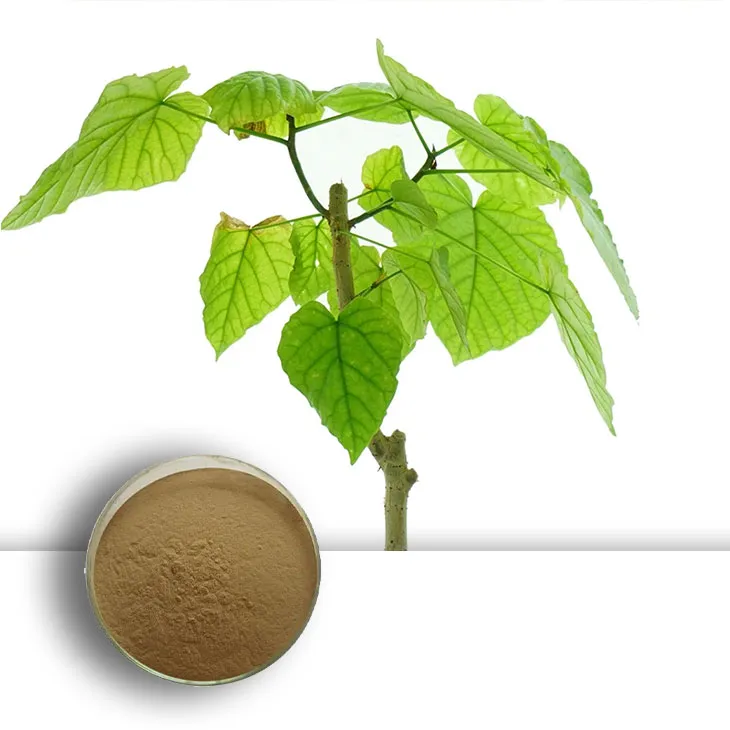
3.1 Organic Cultivation
Many manufacturers encourage or require organic cultivation of mulberry trees. Organic farming methods ensure that the leaves are free from synthetic pesticides and fertilizers. This not only benefits the quality of the leaves but also has a positive impact on the environment. Organic mulberry leaves are often more sought - after in the market, especially for applications in the food and health - care industries.
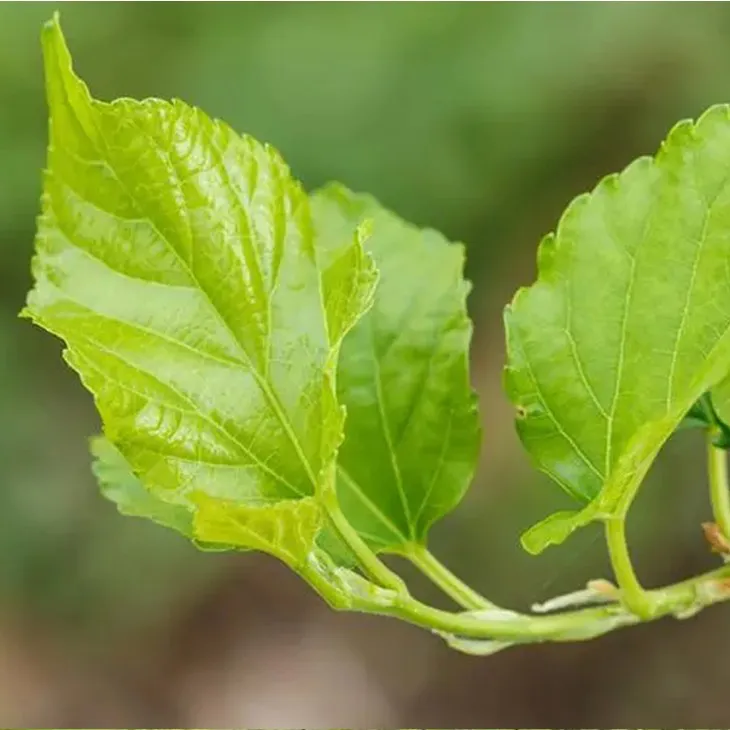
3.2 Sustainable Farming
Sustainability is a key factor in mulberry leaf cultivation. Manufacturers are increasingly involved in promoting sustainable farming practices. This includes proper water management, soil conservation, and biodiversity protection. For instance, by using drip irrigation systems, farmers can reduce water wastage. Also, intercropping with other plants can enhance soil fertility and promote biodiversity on the farm.4. Extraction Techniques
4.1 Solvent Extraction
Solvent extraction is one of the commonly used methods in the manufacturing of Mulberry leaf Extracts. Different solvents such as ethanol, water, or a combination of both can be used. Ethanol - based extraction is often preferred for its ability to extract a wide range of active compounds from the mulberry leaves. However, the choice of solvent also depends on the intended application of the extract. For example, if the extract is meant for use in food products, water - based extraction may be more suitable to ensure safety and regulatory compliance.
4.2 Supercritical Fluid Extraction
Supercritical fluid extraction, particularly using carbon dioxide (CO₂), is an advanced technique. This method offers several advantages over traditional solvent extraction. It can operate at relatively low temperatures, which helps to preserve the thermally - labile compounds in the mulberry leaves. Also, it results in a cleaner extract with fewer impurities, as the CO₂ can be easily removed after the extraction process. However, the equipment for supercritical fluid extraction is more expensive, which may limit its widespread use among smaller manufacturers.5. Quality Control and Assurance
5.1 In - process Testing
Manufacturers implement in - process testing to monitor the quality of the extraction process. This includes regular checks on parameters such as temperature, pressure (in the case of supercritical fluid extraction), and solvent - to - leaf ratio. Any deviation from the optimal conditions can affect the quality and potency of the final extract. For example, if the temperature during solvent extraction is too high, it may lead to the degradation of some active compounds.
5.2 Final Product Testing
Once the Mulberry leaf Extract is obtained, comprehensive final product testing is carried out. This involves analyzing the chemical composition of the extract, including the levels of important compounds such as flavonoids, alkaloids, and polysaccharides. The purity of the extract is also determined, ensuring that it is free from contaminants. Additionally, tests for microbial contamination are essential, especially for extracts intended for use in food and cosmetic applications.6. Applications of Mulberry leaf Extracts
6.1 Medical Applications
Mulberry leaf Extracts have shown potential in the medical field. They are being studied for their anti - diabetic properties. Some studies suggest that certain compounds in the extract can help regulate blood sugar levels. Additionally, they may have anti - inflammatory and antioxidant effects, which could be beneficial in treating various inflammatory diseases and protecting cells from oxidative damage.
6.2 Cosmetic Applications
In the cosmetic industry, Mulberry leaf Extracts are used for their skin - brightening and anti - aging properties. The antioxidants present in the extract can help protect the skin from free - radical damage, reducing the appearance of wrinkles and improving skin elasticity. Mulberry leaf Extract is also used in hair - care products, as it may promote hair growth and improve hair quality.
6.3 Food Applications
In the food industry, Mulberry leaf Extract can be used as a natural food additive. It can act as a colorant, providing a natural green color to food products. Moreover, its antioxidant and antimicrobial properties can help extend the shelf - life of food items. Some manufacturers are also exploring the use of mulberry leaf powder or extract in functional foods, such as health bars and beverages.7. Environmental and Sustainability Considerations
7.1 Waste Management
During the manufacturing process, waste management is an important aspect. The leftover parts of the mulberry leaves after extraction, such as the fibrous residue, can be recycled or repurposed. For example, it can be used as compost or animal feed, reducing waste and promoting a circular economy.
7.2 Energy Consumption
Manufacturers are increasingly focused on reducing energy consumption in their operations. This can be achieved through the use of energy - efficient equipment in extraction processes and in - house power generation from renewable sources such as solar panels. By reducing energy consumption, manufacturers not only lower their production costs but also contribute to environmental protection.8. Market Trends and Future Outlook
8.1 Growing Demand
The demand for mulberry leaf products, especially extracts, is on the rise. This is driven by the increasing consumer awareness of natural and healthy products. As more people are turning towards natural remedies and ingredients in their food, cosmetics, and health - care products, the market for Mulberry leaf Extracts is expected to expand further.
8.2 Innovation and Product Development
Manufacturers are constantly innovating to develop new products based on Mulberry leaf Extracts. This includes the development of more targeted and effective extracts for specific medical conditions, as well as new cosmetic and food products with enhanced functionality. Collaboration between manufacturers and research institutions is also increasing, which will likely lead to more breakthroughs in the field.FAQ:
What are the main steps in the production process of silk leaf extract by manufacturers?
Manufacturers first need to source high - quality silk leaves. Then, they often use advanced extraction techniques. After extraction, strict quality control procedures are carried out to ensure the purity, potency, and safety of the extract. This may include purification steps, testing for contaminants, and ensuring proper concentration levels.
How do silk leaf extract manufacturers ensure the safety of their products?
They adhere to strict quality control measures. This involves testing the raw silk leaves for any potential toxins or contaminants before extraction. During the extraction process, they follow good manufacturing practices to prevent cross - contamination. After extraction, the final product is thoroughly tested for safety, including microbiological testing, chemical composition analysis, and stability testing.
What are the applications of silk leaf extract in the cosmetics industry?
Silk leaf extract can be used in cosmetics for its potential benefits to the skin. It may have antioxidant properties, which can help protect the skin from environmental damage. It could also have moisturizing properties, helping to keep the skin hydrated. Additionally, it may contribute to improving the texture and appearance of the skin, for example, by making it look smoother and more radiant.
How do silk leaf manufacturers contribute to environmental protection?
Silk leaf manufacturers contribute to environmental protection in several ways. They may practice sustainable sourcing of silk leaves, ensuring that the harvesting does not damage the natural environment. Some manufacturers may also implement eco - friendly extraction processes that minimize waste and energy consumption. Additionally, they may take steps to reduce their overall carbon footprint in their production facilities.
What factors do manufacturers consider when sourcing silk leaves?
Manufacturers consider factors such as the quality of the silk leaves. High - quality leaves are more likely to yield a better - quality extract. They also look at the origin of the leaves, preferring areas where the silk leaves are known to be of good quality and free from contaminants. Additionally, they may consider factors like the sustainability of the source, ensuring that the harvesting is done in an environmentally friendly and sustainable manner.
Related literature
- Silk Leaf Production and Quality Assurance"
- "The Role of Manufacturers in the Silk Leaf Extract Industry"
- "Sustainable Practices in Silk Leaf Manufacturing"


-

Red Yeast Rice
2024-12-06
-

Longan Extract
2024-12-06
-

Withania Somnifera Extract
2024-12-06
-

Quercetin
2024-12-06
-

Ginkgo Biloba Extract
2024-12-06
-

Boswellia Serrata Extract
2024-12-06
-

Mango flavored powder
2024-12-06
-

Resveratrol Extract
2024-12-06
-

Pine bark Extract Powder
2024-12-06
-

Acerola Extract
2024-12-06