


1. Introduction
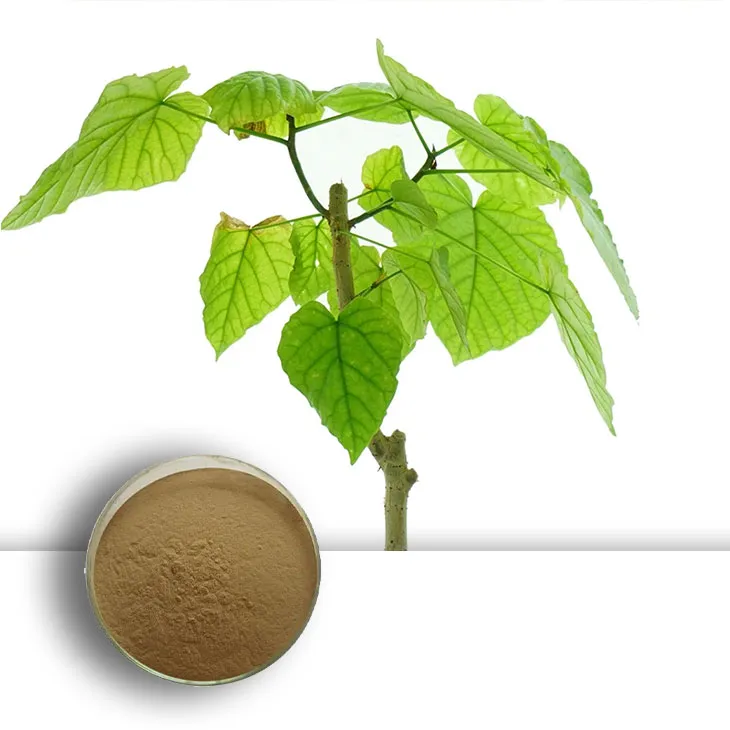
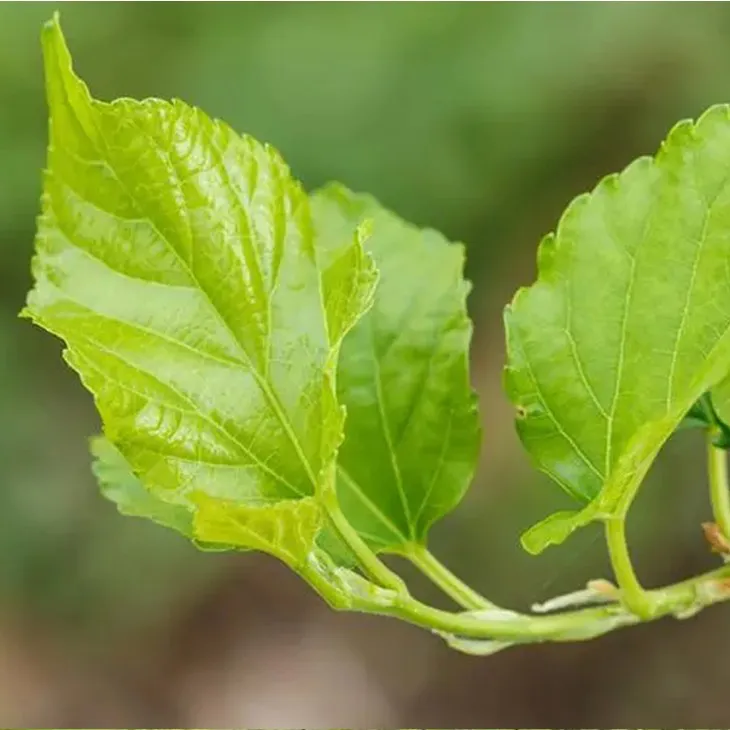
Mulberry leaves have been an important part of traditional Asian cultures for centuries, mainly due to their role in silkworm rearing. However, in recent years, the Mulberry leaf Extract has emerged as a multi - functional natural resource with a wide range of applications. This extract is rich in nutrients and bioactive compounds, which make it highly valuable in various industries such as medicine, cosmetics, and food.
2. Nutrients and Bioactive Compounds in Mulberry leaf Extract
Mulberry leaf Extract contains a variety of important components. One of the key nutrients is vitamins, including Vitamin C, vitamin E, and some of the B - group vitamins. Vitamin C, for example, is well - known for its antioxidant properties, which help in protecting cells from damage caused by free radicals.
It also contains minerals such as potassium, calcium, and magnesium. Potassium is essential for maintaining proper heart function and fluid balance in the body.
The bioactive compounds in Mulberry leaf Extract are of particular interest. Flavonoids, for instance, are a large group of polyphenolic compounds. One of the main flavonoids in mulberry leaves is Rutin. Rutin has been shown to have anti - inflammatory properties, which can be beneficial in treating various inflammatory conditions.
Another important bioactive compound is alkaloids. 1 - deoxynojirimycin (DNJ) is an alkaloid found in mulberry leaves. DNJ has been studied for its potential role in managing blood sugar levels as it can inhibit the activity of certain enzymes involved in carbohydrate digestion.
3. Applications in the Medical Industry
3.1. Diabetes Management
As mentioned earlier, the alkaloid DNJ in Mulberry leaf Extract can play a significant role in diabetes management. By inhibiting alpha - glucosidase, an enzyme that breaks down carbohydrates into glucose, DNJ helps to slow down the absorption of glucose in the intestine. This, in turn, can prevent rapid spikes in blood sugar levels after meals. Several studies have shown that regular consumption of Mulberry leaf Extract can contribute to better glycemic control in diabetic patients.

3.2. Cardiovascular Health
The flavonoids in Mulberry leaf Extract, such as Rutin, can have a positive impact on cardiovascular health. They help in reducing inflammation in the blood vessels, which is a key factor in the development of atherosclerosis. Moreover, the potassium content in the extract can also contribute to maintaining a healthy blood pressure level.
3.3. Anti - Inflammatory and Antioxidant Effects
The anti - inflammatory and antioxidant properties of Mulberry leaf Extract make it potentially useful in treating various inflammatory diseases. The flavonoids and other bioactive compounds can scavenge free radicals, reducing oxidative stress in the body. This can be beneficial in conditions such as arthritis, where inflammation and oxidative damage play a role in the progression of the disease.
4. Applications in the Cosmetics Industry
4.1. Skin Health
Mulberry leaf Extract is increasingly being used in skin care products. The antioxidant properties of the extract help in protecting the skin from damage caused by environmental factors such as UV radiation and pollution. It can also help in reducing the signs of aging, such as wrinkles and fine lines. The flavonoids in the extract can stimulate collagen production in the skin, which is essential for maintaining skin elasticity.
In addition, the anti - inflammatory properties of the extract can be beneficial for treating skin conditions such as acne and eczema. It can reduce redness and inflammation associated with these conditions.
4.2. Hair Care
In the hair care industry, Mulberry leaf Extract can also be used. It can improve the health of the scalp by reducing inflammation and dandruff. The nutrients in the extract, such as vitamins and minerals, can nourish the hair follicles, promoting stronger and healthier hair growth.
5. Applications in the Food Industry
5.1. Functional Foods
With its potential health benefits, Mulberry leaf Extract is being incorporated into functional foods. For example, it can be added to beverages such as teas and juices. These products can then offer the health - promoting properties of the extract, such as blood sugar regulation and antioxidant protection.
In addition, it can be used in the development of dietary supplements. People who are interested in natural ways to manage their health, such as those with pre - diabetes or those looking to improve their antioxidant status, can benefit from these supplements.
5.2. Food Preservation
The antioxidant properties of Mulberry leaf Extract can also be utilized in food preservation. It can help in preventing the oxidation of fats in food products, thereby extending their shelf life. This can be particularly useful in the preservation of fatty foods such as nuts and oils.
6. Challenges and Future Prospects
Despite the many potential applications of Mulberry leaf Extract, there are also some challenges. One of the main challenges is the standardization of the extract. Different extraction methods can result in variations in the composition and quality of the extract. This can make it difficult to ensure consistent efficacy in different applications.
Another challenge is the limited research in some areas. For example, while there is evidence of its potential benefits in diabetes management, more long - term and large - scale clinical studies are needed to fully understand its effectiveness and safety.
However, the future prospects for Mulberry leaf Extract are promising. As consumers become more interested in natural and plant - based products, the demand for Mulberry leaf Extract in various industries is likely to increase. There is also potential for further research to discover new bioactive compounds and applications in the extract.
FAQ:
Question 1: What are the main bioactive compounds in Mulberry leaf Extract?
Mulberry leaf Extract contains several bioactive compounds. Flavonoids are among the main ones, such as Rutin and Quercetin. These flavonoids have antioxidant properties. Additionally, alkaloids like 1 - deoxynojirimycin (DNJ) are present. DNJ has been studied for its potential role in regulating blood sugar levels.
Question 2: How is Mulberry leaf Extract used in the medicine industry?
In the medicine industry, Mulberry leaf Extract has multiple uses. Due to its antioxidant and anti - inflammatory properties, it may be used in the development of drugs for treating certain chronic diseases. For example, its potential in blood sugar regulation may be beneficial for diabetic patients. Also, some studies suggest that its bioactive compounds could have a role in cardiovascular health improvement, potentially being used in drugs or supplements for heart - related conditions.
Question 3: What are the applications of Mulberry leaf Extract in the cosmetics industry?
The Mulberry leaf Extract is widely used in the cosmetics industry. Its antioxidant properties help to protect the skin from free radical damage, which can slow down the aging process. It can be added to creams, lotions, and serums. It may also have a role in improving skin complexion and reducing skin inflammation, making it suitable for products targeted at various skin problems like acne and eczema.
Question 4: How is Mulberry leaf Extract incorporated into the food industry?
In the food industry, Mulberry leaf Extract can be used as a natural food additive. It can be added to beverages like tea and functional drinks for its potential health benefits. Some food products may also use it as a natural preservative due to its antioxidant properties. Moreover, it can be used in the production of health - promoting foods, such as dietary supplements and fortified snacks.
Question 5: Are there any potential side effects of using Mulberry leaf Extract?
While Mulberry leaf Extract is generally considered safe for most people when used in appropriate amounts, there can be some potential side effects. High doses may cause digestive issues such as nausea, vomiting, or diarrhea in some individuals. Also, people with certain medical conditions, like those on blood - thinning medications, should consult a doctor before using Mulberry leaf Extract - containing products, as it may interact with their medications.
Related literature
- The Bioactive Compounds and Health - Promoting Effects of Mulberry leaf Extract"
- "Mulberry leaf Extract: Applications in Modern Medicine"
- "Cosmetic Benefits of Mulberry leaf Extract: A Review"
- "Mulberry leaf Extract as a Natural Additive in the Food Industry"


-

Saw Palmetto Extract
2025-01-09
-

Lycopene
2025-01-09
-

Dan Shen Root Extract/Salvia Root Extract
2025-01-09
-

Aged Garlic Extract
2025-01-09
-

Purple Sweet Potato Extract
2025-01-09
-

Green Tea Extract
2025-01-09
-

Hesperidin
2025-01-09
-

Acerola Extract
2025-01-09
-

Bayberry Extract
2025-01-09
-

Apricot Powder
2025-01-09