


Introduction
Food packaging plays a crucial role in protecting food from various environmental factors such as physical damage, microbial contamination, and oxidation. In recent years, there has been a growing interest in developing innovative packaging materials that are not only effective in preserving food quality but also environmentally friendly and consumer - friendly. Mulberry leaf Extract has emerged as a promising candidate for food packaging applications due to its unique properties.
Composition of Mulberry leaf Extract
Mulberry leaves are rich in a variety of phytochemicals. These include flavonoids, alkaloids, polysaccharides, and phenolic acids. Flavonoids, such as Rutin and Quercetin, are known for their antioxidant properties. Antioxidants are important in food packaging as they can prevent the oxidation of lipids and other food components, thereby extending the shelf life of food. Alkaloids in Mulberry leaf Extract may also contribute to its antimicrobial activity. Polysaccharides can potentially improve the mechanical strength of packaging materials, while phenolic acids may play a role in interacting with other substances in the packaging system.
Enhancing Mechanical Properties
Strength and Durability
The addition of Mulberry leaf Extract to packaging materials can enhance their mechanical properties. Packaging needs to be strong enough to withstand the rigors of handling, transportation, and storage. When Mulberry leaf Extract is incorporated, it can interact with the polymer matrix of the packaging material. For example, the polysaccharides in the extract may form hydrogen bonds with the polymer chains, which can increase the intermolecular forces. This results in a more rigid and durable packaging material. It is less likely to tear or break during normal handling, which is especially important for fragile food items such as biscuits or wafers.

Flexibility and Elasticity
In addition to strength, flexibility and elasticity are also important mechanical properties for food packaging. Mulberry leaf Extract can also contribute to these aspects. The phytochemicals in the extract can act as plasticizers, which can improve the flexibility of the packaging material. This allows the packaging to conform better to the shape of the food product, reducing the risk of damage due to improper fit. For example, in the case of irregularly shaped fruits or vegetables, a more flexible packaging can provide better protection. Moreover, the elasticity of the packaging can be maintained over a longer period, ensuring that it does not become brittle or lose its shape easily.
Controlling the Release of Active Substances
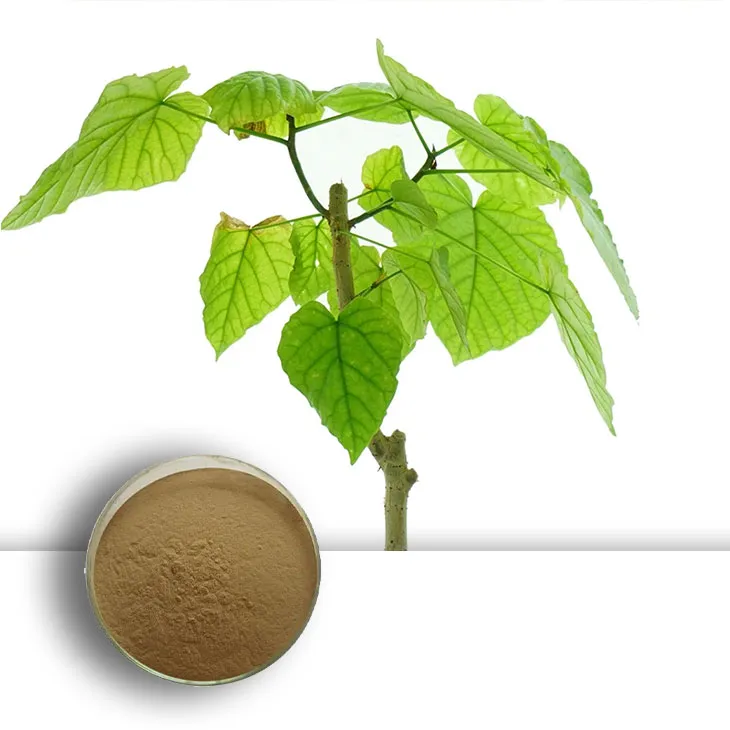
Release of Nutrients
Some food packaging may be designed to release nutrients gradually over time. For example, in fortified foods, the addition of vitamins or minerals in the packaging can be a novel way to enhance the nutritional value of the food. Mulberry leaf Extract can be used to control the release rate of these nutrients. The extract can form complexes with the nutrients, which can then be released in a controlled manner depending on environmental factors such as temperature and humidity. This ensures that the food receives a continuous supply of nutrients throughout its shelf life, rather than a sudden burst of nutrients at the beginning.
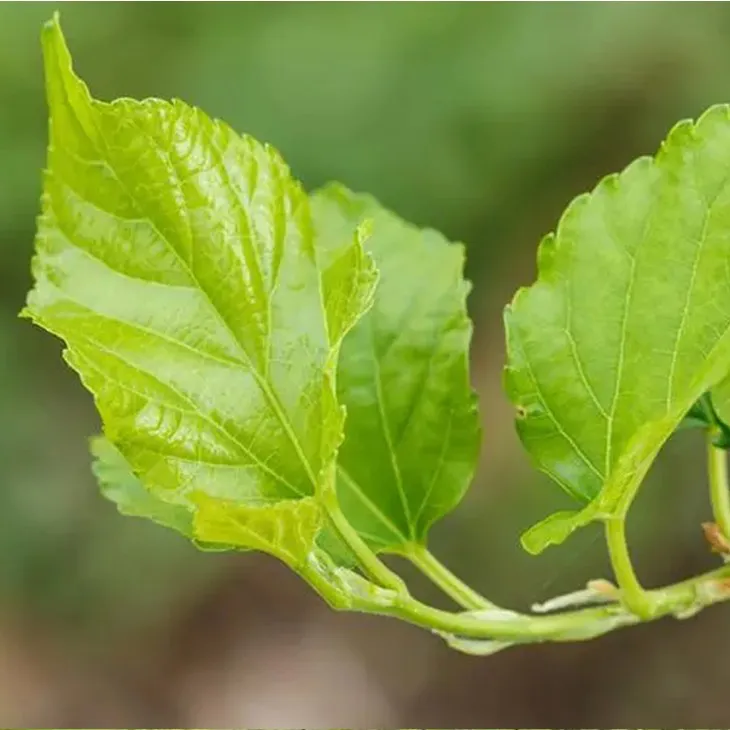
Release of Preservatives
Preservatives are often added to food packaging to prevent the growth of microorganisms. However, the uncontrolled release of preservatives can be a problem, as it may lead to excessive use in the early stages and insufficient protection later. Mulberry leaf Extract can help in regulating the release of preservatives. The extract can act as a carrier or a regulator for the preservatives. It can slow down the release rate, ensuring that the preservatives are evenly distributed over the shelf life of the food. This not only improves the antimicrobial effectiveness but also reduces the potential negative impacts of high - dose preservative exposure at the beginning.
Marketing and Consumer Appeal
Natural and Health - Promoting Image
In today's market, consumers are increasingly interested in natural and health - promoting products. The use of Mulberry leaf Extract in food packaging can convey a positive image to consumers. Mulberry leaves have a long history of use in traditional medicine in some cultures, and are associated with health - promoting properties. When consumers see that a food product is packaged using a material containing Mulberry leaf Extract, they may perceive the product as being more natural and healthier. This can be a significant advantage in a highly competitive food market, where product differentiation is crucial.
Meeting Consumer Expectations
Consumers also expect food packaging to be sustainable and environmentally friendly. Mulberry leaf Extract - based packaging can meet these expectations to some extent. Since mulberry leaves are a natural resource, using their extract in packaging can be seen as a more sustainable option compared to some synthetic packaging materials. Additionally, if the packaging is biodegradable or compostable, it can further enhance its appeal to environmentally conscious consumers.
Challenges and Future Directions
Stability and Compatibility
One of the challenges in using Mulberry leaf Extract in food packaging is ensuring its stability and compatibility with other packaging components. The phytochemicals in the extract may be sensitive to environmental factors such as light, heat, and moisture. They may also interact with other substances in the packaging, which could affect the overall performance of the packaging. For example, if the extract is not compatible with a certain type of polymer, it may cause phase separation or reduced mechanical properties. Future research needs to focus on improving the stability of the extract and optimizing its compatibility with different packaging materials.
Scaling - up Production
Another challenge is scaling - up the production of Mulberry leaf Extract for commercial food packaging applications. Currently, the extraction process may be relatively complex and costly, which limits its large - scale application. There is a need to develop more efficient and cost - effective extraction methods. This may involve exploring new extraction solvents, optimizing extraction conditions, or using biotechnology - based approaches to increase the yield of the extract. Additionally, standardization of the extract is also important to ensure consistent quality in different batches for industrial applications.
Regulatory Considerations
As with any new food - related material, regulatory considerations are crucial. The use of Mulberry leaf Extract in food packaging needs to comply with relevant food safety regulations. There may be requirements for testing the safety of the extract, its migration into food, and its potential impact on food quality. Regulatory agencies need to be involved in the evaluation and approval process to ensure that the use of Mulberry leaf Extract in food packaging is safe for consumers. Future research should also focus on providing the necessary data to support regulatory compliance.
Conclusion
The application of Mulberry leaf Extract in food packaging holds great potential. It can enhance mechanical properties, control the release of active substances, and appeal to consumers. However, there are also challenges that need to be addressed, such as stability, production scale - up, and regulatory compliance. With further research and development, it is expected that Mulberry leaf Extract - based food packaging will become more widely used in the future, contributing to the development of more sustainable and effective food packaging solutions.
FAQ:
What are the main phytochemicals in Mulberry leaf Extract?
There are several main phytochemicals in Mulberry leaf Extract. These include flavonoids, alkaloids, polysaccharides and phenolic acids. Flavonoids, for example, are known for their antioxidant properties. Alkaloids may have certain biological activities. Polysaccharides can contribute to the physical properties of the extract, and phenolic acids also play a role in antioxidant and other functions.
How does Mulberry leaf Extract enhance the mechanical properties of packaging materials?
The phytochemicals in Mulberry leaf Extract can interact with the molecules of the packaging materials. For example, they may form cross - links or bonds within the material structure. This can increase the strength and flexibility of the packaging. The extract can also fill in small gaps or pores in the material, making it more compact and less prone to breakage or deformation.
Can Mulberry leaf Extract completely replace traditional preservatives in food packaging?
At present, it is unlikely that Mulberry leaf Extract can completely replace traditional preservatives. While it has the potential to contribute to food preservation through regulating the release of substances and having some antimicrobial properties, traditional preservatives are often highly effective in preventing spoilage caused by a wide range of microorganisms. However, Mulberry leaf Extract can be used in combination with traditional preservatives to provide an additional layer of protection and a more natural alternative.
How does the use of Mulberry leaf Extract in food packaging meet consumer demands?
Many consumers today are more interested in natural and healthy products. The use of Mulberry leaf Extract in food packaging gives the impression of a more natural and potentially health - promoting packaging option. It can attract consumers who are looking for products that are not only safe to consume but also have packaging that aligns with their values regarding natural ingredients and environmental friendliness.
What are the challenges in using Mulberry leaf Extract for food packaging?
One challenge is the standardization of the extract. Ensuring a consistent composition and quality of the Mulberry leaf Extract is crucial for its reliable use in packaging. Another challenge is cost - effectiveness. The extraction process and incorporation into packaging materials need to be economically viable. There may also be regulatory issues, as the use of new materials in food packaging needs to meet certain safety and quality standards.
Related literature
- Mulberry Leaf Phytochemicals and Their Potential Applications"
- "The Role of Natural Extracts in Food Packaging Innovation"
- "Advances in Mulberry - Based Materials for Packaging"


-

Acai Berry Extract
2024-12-20
-

Grape Seed Extract Powder
2024-12-20
-

Vitamin C
2024-12-20
-

Vitamin B9
2024-12-20
-

L-Tyrosine
2024-12-20
-

Alisma Extract
2024-12-20
-

Black Rice Extract
2024-12-20
-

Pomegranate Extract
2024-12-20
-

Melatonin
2024-12-20
-

Bladder horn extract powder
2024-12-20