


1. Introduction
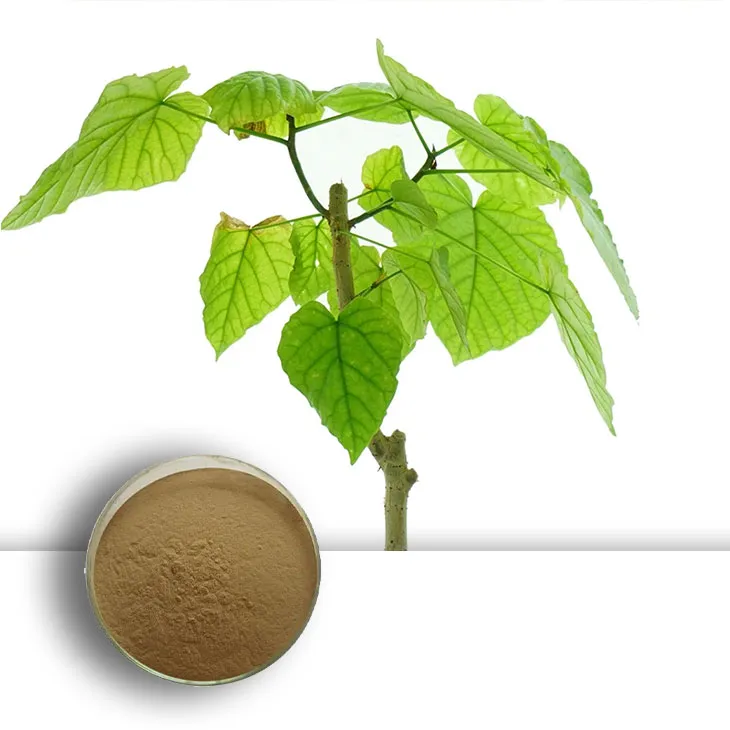
Mulberry leaf Extract is a remarkable natural product obtained from mulberry leaves. Mulberry trees, which are widely distributed in many parts of the world, have been used in traditional medicine for centuries. The extract is becoming increasingly popular due to its rich composition of bioactive compounds. These compounds endow the extract with a diverse range of potential applications, spanning from the pharmaceutical industry to the cosmetic and food and beverage sectors.
2. Bioactive Compounds in Mulberry leaf Extract
2.1 Flavonoids
Flavonoids are one of the major groups of bioactive compounds in Mulberry leaf Extract. Flavonoids are known for their antioxidant, anti - inflammatory, and anti - microbial properties. In mulberry leaves, different types of flavonoids are present, such as Rutin, Quercetin, and kaempferol. These flavonoids play a crucial role in protecting the body against oxidative stress. Oxidative stress is associated with various diseases, including cardiovascular diseases, cancer, and neurodegenerative disorders. By scavenging free radicals, the flavonoids in Mulberry leaf Extract can help to maintain the health of cells and tissues.

2.2 Alkaloids
Another important group of compounds in Mulberry leaf Extract is alkaloids. The most well - known alkaloid in mulberry leaves is 1 - deoxynojirimycin (DNJ). DNJ has been the focus of much research due to its potential role in regulating blood sugar levels. It inhibits the activity of certain enzymes involved in carbohydrate digestion, such as alpha - glucosidase. This inhibition slows down the breakdown of complex carbohydrates into simple sugars, thereby preventing a rapid increase in blood glucose levels after a meal. As a result, Mulberry leaf Extract containing DNJ may be beneficial for individuals with diabetes or those at risk of developing diabetes.
2.3 Polysaccharides
Polysaccharides in Mulberry leaf Extract also contribute to its health - promoting properties. These complex carbohydrates have immunomodulatory effects, meaning they can influence the immune system. They can enhance the activity of immune cells, such as macrophages and lymphocytes, which play important roles in defending the body against pathogens. Additionally, polysaccharides may have prebiotic properties, promoting the growth of beneficial gut bacteria. A healthy gut microbiota is associated with improved digestion, enhanced nutrient absorption, and overall well - being.
3. Applications in the Pharmaceutical Industry
3.1 Blood Sugar Regulation
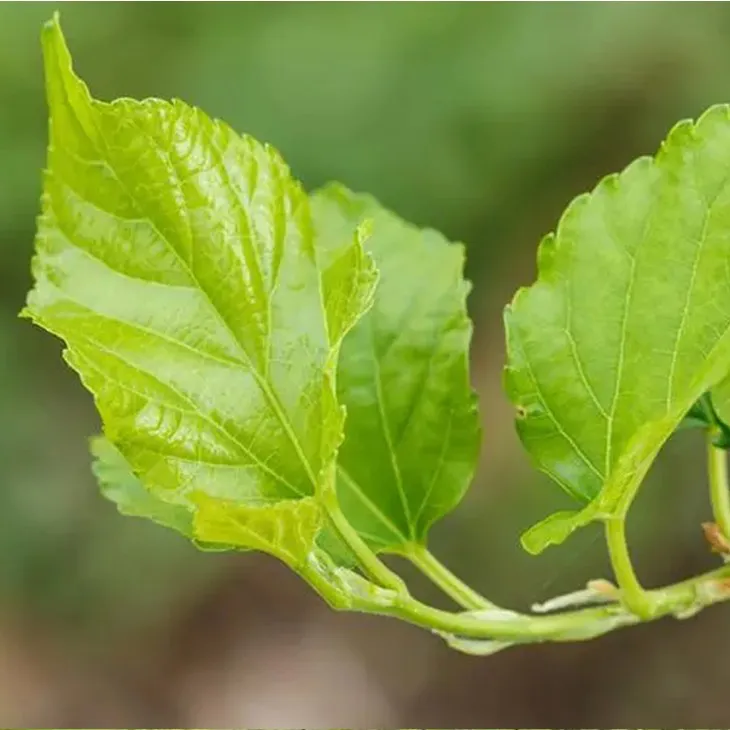
As mentioned earlier, the alkaloid DNJ in Mulberry leaf Extract has the potential to regulate blood sugar levels. Diabetes is a global health problem, and there is a growing need for natural and effective ways to manage blood glucose. Mulberry leaf Extract offers a promising alternative or complementary approach. In addition to DNJ, other components in the extract may also contribute to its hypoglycemic effects. For example, some flavonoids have been shown to improve insulin sensitivity, allowing cells to respond better to insulin and take up glucose more efficiently.
3.2 Anti - Inflammatory Effects
The flavonoids and other bioactive compounds in Mulberry leaf Extract possess anti - inflammatory properties. Chronic inflammation is implicated in many diseases, such as arthritis, inflammatory bowel disease, and atherosclerosis. By reducing inflammation, Mulberry leaf Extract may help to alleviate symptoms and slow down the progression of these diseases. In vitro and in vivo studies have demonstrated the anti - inflammatory activity of the extract, which may be due to its ability to inhibit the production of inflammatory mediators such as cytokines and prostaglandins.
3.3 Cardiovascular Health
The antioxidant properties of Mulberry leaf Extract can also benefit cardiovascular health. Oxidative damage to blood vessels and the heart is a key factor in the development of cardiovascular diseases. By scavenging free radicals, the extract can protect blood vessels from damage, reduce lipid peroxidation, and improve endothelial function. Moreover, some of the bioactive compounds in the extract may have anti - hypertensive and anti - platelet aggregation effects, further reducing the risk of heart attacks and strokes.
4. Applications in the Cosmetic Field
4.1 Skin Anti - Aging
The antioxidant properties of Mulberry leaf Extract are highly beneficial for skin anti - aging. Free radicals in the environment, such as UV radiation and pollution, can cause damage to skin cells, leading to premature aging. The flavonoids and other antioxidants in the extract can neutralize these free radicals, protecting the skin from oxidative damage. This can result in reduced wrinkles, improved skin elasticity, and a more youthful appearance. Additionally, the extract may stimulate collagen synthesis in the skin, which is essential for maintaining skin firmness.
4.2 Skin Protection
Mulberry leaf Extract can also provide protection for the skin. It has anti - microbial properties, which can help to prevent skin infections caused by bacteria, fungi, and viruses. This is particularly useful for individuals with sensitive skin or those prone to skin problems. Moreover, the extract can act as a natural sunscreen, absorbing and scattering UV radiation to some extent, although it may not provide as much protection as commercial sunscreens. However, it can be used in combination with other sun - protection measures to enhance the overall protection of the skin.
5. Applications in the Food and Beverage Industry
5.1 Natural Additive
Mulberry leaf Extract can be used as a natural additive in the food and beverage industry. Due to its rich nutritional value, it can enhance the nutritional profile of products. For example, it can be added to beverages such as tea or juice to provide additional antioxidants, vitamins, and minerals. In addition, the extract can be used in food products such as baked goods, cereals, and dairy products to improve their health - promoting properties. The use of natural additives like Mulberry leaf Extract is in line with the growing consumer demand for healthier and more natural food products.
5.2 Flavor and Color
The extract also has the potential to contribute to the flavor and color of food and beverage products. It has a mild, pleasant taste that can enhance the flavor of certain products without overpowering other flavors. Regarding color, Mulberry leaf Extract can impart a natural greenish - brown hue, which can be appealing in some products. However, it is important to note that the use of the extract for flavor and color should be carefully controlled to ensure that it does not affect the overall quality and acceptability of the product.
6. Safety and Toxicity
Mulberry leaf Extract is generally considered safe for consumption and topical use. However, as with any natural product, there may be some potential side effects or interactions. For example, in high doses, the alkaloid DNJ may cause some gastrointestinal discomfort. Also, individuals with certain medical conditions or those taking medications should consult their healthcare provider before using Mulberry leaf Extract, as it may interact with some drugs. Overall, more research is needed to fully understand the safety profile of Mulberry leaf Extract, especially in long - term use and in different populations.
7. Conclusion
Mulberry leaf Extract is a natural product with a wealth of potential applications. Its rich composition of bioactive compounds, including flavonoids, alkaloids, and polysaccharides, endows it with a wide range of health - promoting properties. In the pharmaceutical industry, it shows promise for blood sugar regulation, anti - inflammatory effects, and cardiovascular health. In the cosmetic field, it can be used for skin anti - aging and protection. And in the food and beverage industry, it can serve as a natural additive with nutritional and sensory benefits. However, further research is required to fully explore its potential and ensure its safety in various applications.
FAQ:
What are the main bioactive compounds in Mulberry leaf Extract?
The main bioactive compounds in Mulberry leaf Extract are flavonoids, alkaloids, and polysaccharides.
How can Mulberry leaf Extract regulate blood sugar levels?
The exact mechanism of how Mulberry leaf Extract regulates blood sugar levels is still under research. However, it is believed that certain components in it may interact with the body's metabolic processes related to glucose uptake, insulin secretion or sensitivity, thus potentially helping in blood sugar regulation for diabetes management.
What are the antioxidant benefits of Mulberry leaf Extract in the cosmetic field?
In the cosmetic field, the antioxidant properties of Mulberry leaf Extract can help neutralize free radicals. Free radicals can cause damage to skin cells, leading to signs of aging such as wrinkles and dull skin. By scavenging these free radicals, Mulberry leaf Extract can contribute to skin anti - aging and protection.
What is the nutritional value of Mulberry leaf Extract for use as a natural additive in the food and beverage industry?
The Mulberry leaf Extract contains various bioactive compounds like flavonoids, alkaloids and polysaccharides which can provide certain nutritional benefits. For example, flavonoids are known for their antioxidant properties, which can be beneficial for overall health when consumed in food or beverages. Also, it may contribute to other potential health - promoting effects, although more research is needed to fully understand all of its nutritional contributions.
Are there any potential side effects of using Mulberry leaf Extract?
Currently, while Mulberry leaf Extract is generally considered safe, in some cases, it may cause mild side effects such as digestive discomfort in a small number of people. However, more comprehensive studies are needed to fully assess its long - term safety, especially when used in large amounts or in combination with other substances.
Related literature
- Mulberry leaf Extract: A Review of its Phytochemistry, Pharmacology and Potential Applications in Health"
- "The Bioactive Compounds in Mulberry Leaves and Their Functional Properties"
- "Mulberry leaf Extract: From Traditional Use to Modern Health - promoting Applications"


-

Moringa powder
2024-12-19
-

Aguaje Extract
2024-12-19
-

Hericium erinaceus extract powder
2024-12-19
-

Rosemary extract
2024-12-19
-

Resveratrol Extract
2024-12-19
-

Kidney Bean Extract
2024-12-19
-

Mulberry Extract
2024-12-19
-

Citrus Aurantii Extract
2024-12-19
-

Vitamin B9 powder
2024-12-19
-

Kelp Extract Powder
2024-12-19