


1. Introduction to Mulberry leaf Extract
Mulberry leaf Extract has emerged as a highly sought - after ingredient in numerous industries across the globe. Its popularity can be attributed to its diverse range of properties and potential applications.
In the pharmaceutical industry, Mulberry leaf Extract has been studied for its various health - promoting properties. One of the most notable is its potential role in blood sugar regulation. This has led to its use in the development of dietary supplements and natural remedies for diabetes - related conditions.
The cosmetic industry has also recognized the value of Mulberry leaf Extract. Thanks to its antioxidant properties, it is incorporated into a variety of skin - care products. Antioxidants play a crucial role in protecting the skin from damage caused by free radicals, which are associated with premature aging, wrinkles, and other skin problems.
In the food industry, Mulberry leaf Extract can be used as a natural additive. It can enhance the nutritional profile of food products and may also contribute to flavor and preservation.
2. Role of Suppliers
2.1 Sourcing of Raw Materials
Suppliers of Mulberry leaf Extract are fundamental in maintaining a stable supply chain. A key aspect of their role is the sourcing of raw materials. They must identify and collaborate with reliable mulberry farms. These farms are responsible for the cultivation and harvesting of mulberry leaves.
Cultivation of mulberry trees requires specific environmental conditions. The farms need to ensure that the soil is fertile, the climate is suitable, and proper irrigation and pest control measures are in place. For example, mulberry trees generally thrive in well - drained soil and a warm, temperate climate.

2.2 Quality Assurance
Once the leaves are harvested, suppliers play a vital role in quality assurance. They must ensure that the leaves are of high quality. This involves several steps:
- Inspection for any signs of disease or pest damage. Leaves that are affected may have altered chemical compositions and may not be suitable for extraction.
- Assessment of the maturity of the leaves. The optimal time for harvesting leaves can impact the quality and potency of the extract.
- Proper handling and storage of the leaves to prevent spoilage. This may include techniques such as drying the leaves at the appropriate temperature and humidity levels.
Suppliers also need to ensure that the extraction process is carried out in a proper and hygienic manner. This includes using appropriate extraction solvents and equipment that meet industry standards.
3. Role of Exporters
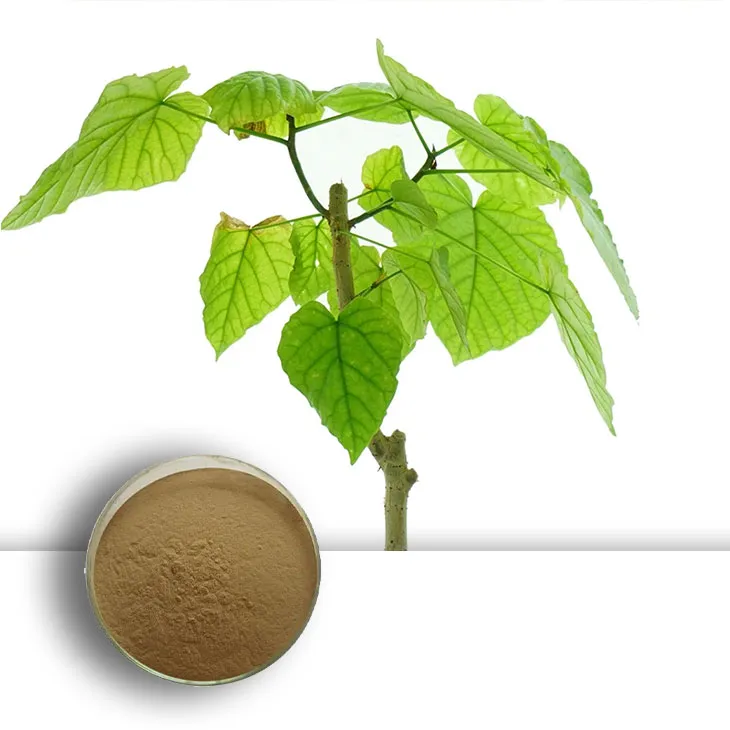
3.1 Compliance with International Regulations
Exporters of Mulberry leaf Extract face a complex set of challenges, primarily centered around compliance with international regulations.
In terms of quality control, exporters must adhere to strict standards. This may involve testing the extract for purity, potency, and the absence of contaminants. For example, in the pharmaceutical industry, the extract must meet specific pharmacopoeial standards.
Regarding packaging, exporters need to consider factors such as protection from light, moisture, and air. The packaging must also be labeled correctly, providing information about the product, including its ingredients, origin, and usage instructions.
When it comes to shipping, exporters must comply with international shipping regulations. This includes proper documentation, such as certificates of origin and quality, and ensuring that the product is transported under appropriate conditions. For example, some extracts may require refrigerated shipping to maintain their stability.
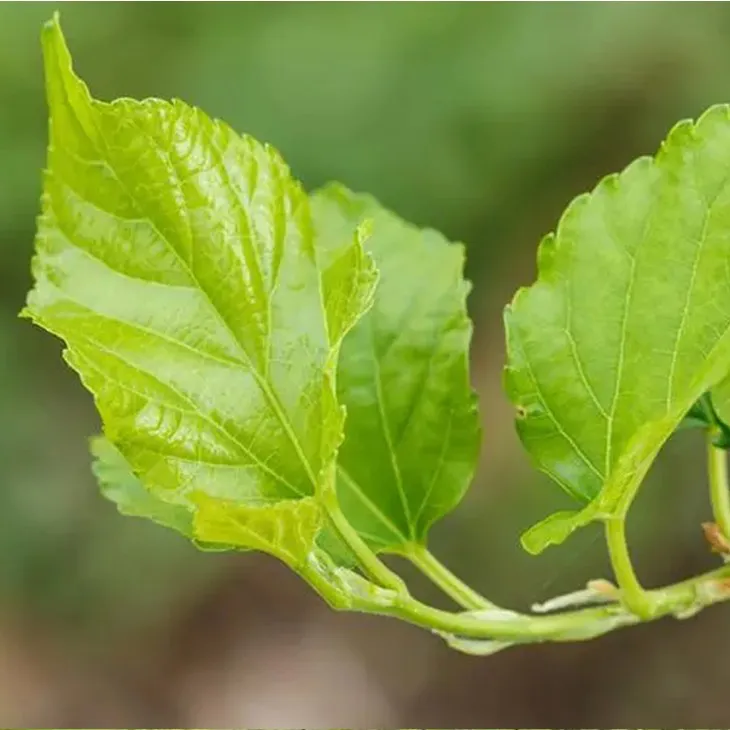
3.2 Market Access and Promotion
Exporters are also responsible for gaining access to international markets. This requires a deep understanding of the target markets, including their regulatory requirements, consumer preferences, and market trends.
They need to promote the product in the international arena. This can be achieved through various means, such as participation in international trade fairs, online marketing, and establishing relationships with international distributors and retailers.
4. Factors to Consider When Choosing a Supplier or Exporter
4.1 Product Quality
When selecting a supplier or exporter of Mulberry leaf Extract, product quality is of utmost importance. High - quality extract will ensure that the end - product, whether it is a pharmaceutical, cosmetic, or food product, performs as expected.
Buyers should look for suppliers and exporters who have a reputation for providing consistent quality. This can be determined by factors such as the use of Good Manufacturing Practice (GMP) in the extraction process, and the availability of quality certificates such as ISO certifications.
4.2 Price
Price is another crucial factor. However, it should not be the sole determining factor. While a lower price may seem attractive, it may be associated with lower quality or unethical sourcing practices.
Buyers should compare prices among different suppliers and exporters, but also take into account the overall value proposition. This includes factors such as the quality of the extract, the level of service provided, and the reliability of the supply chain.
4.3 Reputation
The reputation of the supplier or exporter can provide valuable insights into their reliability and trustworthiness.
Buyers can research the reputation of a company through various means. This may include checking online reviews, asking for references from other industry players, and investigating the company's history and track record.
5. Conclusion
Mulberry leaf Extract has a wide range of applications in different industries. Suppliers and exporters play distinct but equally important roles in making this valuable extract available in the global market.
When choosing a supplier or exporter, it is essential to consider factors such as product quality, price, and reputation to ensure a successful and sustainable business relationship.
FAQ:
What are the main quality control measures for Mulberry leaf Extract suppliers?
Suppliers of Mulberry leaf Extract typically have several quality control measures. They start with sourcing leaves from well - managed mulberry farms. The leaves are checked for purity, free from pesticides and contaminants. During the extraction process, they use standardized methods to ensure consistent potency. They also conduct regular laboratory tests for active ingredients, such as flavonoids and alkaloids, to meet the required quality standards for different industries like pharmaceuticals, cosmetics, and food.
How do exporters ensure compliance with international regulations?
Exporters of Mulberry leaf Extract ensure compliance with international regulations in multiple ways. First, they are well - versed in the quality control requirements of different countries. They invest in proper packaging materials that are safe and meet international standards for transporting food - grade or pharmaceutical - grade products. For quality control, they may obtain certifications like ISO or GMP, which are recognized globally. They also work closely with regulatory agencies to stay updated on any changes in shipping and product - quality regulations.
What are the price ranges for Mulberry leaf Extract from different suppliers?
The price of Mulberry leaf Extract can vary significantly depending on several factors. Suppliers may charge differently based on the quality of the raw materials (e.g., organically grown mulberry leaves may cost more), the extraction method used (more advanced or pure extraction methods can increase the cost), and the quantity ordered. Generally, prices can range from a relatively low amount per kilogram for basic - quality extract in large quantities to a much higher price for high - purity, specialized extracts used in the pharmaceutical industry.
Can Mulberry leaf Extract from different suppliers be used interchangeably in the food industry?
Not necessarily. While Mulberry leaf Extract is generally recognized as safe for use in the food industry, there can be differences between extracts from different suppliers. These differences can be in terms of purity, concentration of active ingredients, and the presence of any additional substances. Food manufacturers need to ensure that the extract they use meets their specific product requirements, such as flavor profile, nutritional content, and compliance with food safety regulations. So, it's important to evaluate each supplier's product carefully before using it interchangeably.
How do suppliers ensure a sustainable supply of mulberry leaves?
Suppliers ensure a sustainable supply of mulberry leaves through various means. They often work with mulberry farmers who practice sustainable agriculture. This includes proper irrigation management, soil conservation, and crop rotation. Some suppliers may also encourage or support the use of organic farming methods. Additionally, they may have long - term contracts with farmers to secure a stable supply. They may also invest in research to improve the yield and quality of mulberry leaves without harming the environment.
Related literature
- The Pharmacological Properties of Mulberry leaf Extract"
- "Mulberry leaf Extract in Cosmetic Applications: A Review"
- "Sourcing and Quality Control of Mulberry leaf Extract for the Food Industry"


-

Artichoke Leaf Extract
2024-12-08
-

Clove Powder
2024-12-08
-

Lemon Juice Powder
2024-12-08
-

Curcuma Longa Extract/Turmeric extract
2024-12-08
-

Panax Ginseng Leaf Extract
2024-12-08
-

Boswellia Serrata Extract
2024-12-08
-

Epimedium extract powder
2024-12-08
-

White Willow Bark Extract
2024-12-08
-

Troxerutin
2024-12-08
-

Astaxanthin
2024-12-08