


1. Introduction
In the world of skincare, the search for effective and natural ingredients is an ongoing pursuit. Organic Astaxanthin has emerged as a powerful and highly sought - after component in skincare formulas. This vibrant pigment, which is naturally derived, holds great potential for enhancing skin health in multiple ways. As consumers become more conscious of what they put on their skin, the allure of natural ingredients like organic Astaxanthin continues to grow.
2. The Natural Origin of Organic Astaxanthin
2.1 Microalgae: The Primary Source
Organic Astaxanthin is primarily sourced from microalgae, specifically Haematococcus pluvialis. These microscopic organisms are known for their ability to produce high levels of Astaxanthin as a form of protection against environmental stressors. In their natural habitats, such as freshwater ponds and lakes, Haematococcus pluvialis is exposed to intense sunlight, temperature variations, and nutrient fluctuations. The production of Astaxanthin within the microalgae serves as a shield, safeguarding them from these harsh conditions.
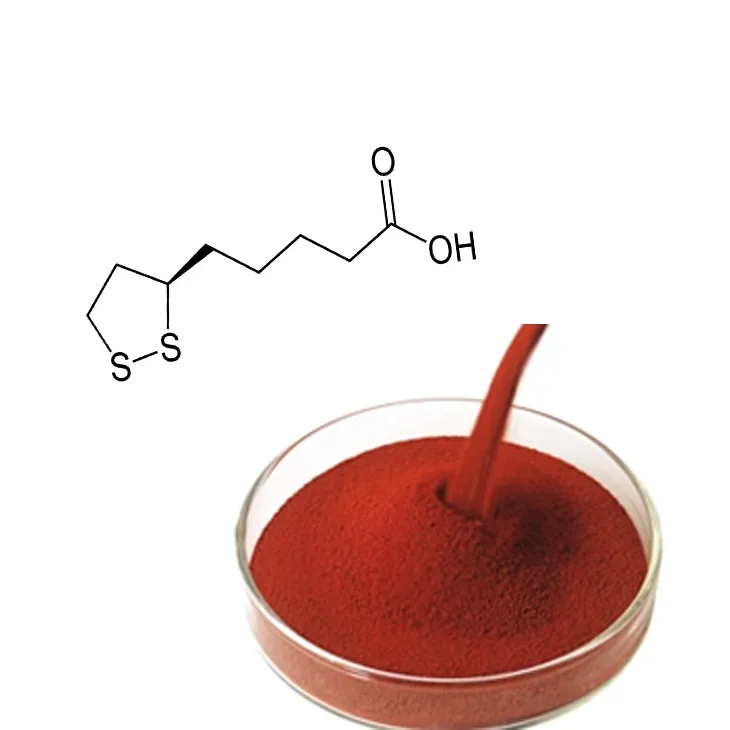
2.2 The Cultivation Process
The cultivation of microalgae for Astaxanthin production is a carefully managed process. It involves creating optimal growing conditions to ensure maximum Astaxanthin synthesis. This includes providing the right balance of light, temperature, and nutrients. For example, microalgae are often grown in large - scale photobioreactors where light intensity can be precisely controlled. Additionally, nutrient - rich media are supplied to support the growth and Astaxanthin production of the microalgae. Once the microalgae have reached their peak Astaxanthin content, they are harvested and processed to extract the pure organic Astaxanthin.3. The Powerful Impact on Skin Cells

3.1 Antioxidant Activity
One of the most significant benefits of organic Astaxanthin in skincare is its potent antioxidant activity. It is a carotenoid with a unique molecular structure that allows it to neutralize free radicals more effectively than many other antioxidants. Free radicals are unstable molecules that can cause damage to skin cells, leading to premature aging, wrinkles, and a dull complexion. By scavenging these free radicals, organic Astaxanthin helps to protect the skin from oxidative stress and maintain its youthful appearance.

3.2 Cellular Rejuvenation
Organic Astaxanthin also plays a crucial role in cellular rejuvenation. It has been shown to stimulate the production of collagen and elastin, two key proteins that are essential for maintaining the skin's elasticity and firmness. Collagen provides the structural framework for the skin, while elastin allows it to stretch and recoil. As we age, the production of these proteins naturally declines, leading to sagging skin and the formation of wrinkles. By promoting the synthesis of collagen and elastin, organic Astaxanthin can help to reverse these signs of aging and give the skin a more youthful and plump appearance.4. A Natural Shield Against Harmful Elements
4.1 UV Protection
Organic Astaxanthin offers a natural form of protection against the harmful effects of ultraviolet (UV) radiation. While it is not a substitute for sunscreen, it can enhance the skin's natural defense mechanisms against UV - induced damage. Studies have shown that Astaxanthin can reduce the formation of sunburn cells and suppress the production of inflammatory mediators in response to UV exposure. This helps to prevent sunburn, skin redness, and long - term damage such as photoaging and skin cancer.
4.2 Environmental Pollution Defense
In today's polluted environment, the skin is constantly exposed to various pollutants such as particulate matter, heavy metals, and chemical toxins. These pollutants can penetrate the skin and cause oxidative damage, inflammation, and skin disorders. Organic Astaxanthin acts as a barrier against these environmental pollutants, preventing them from entering the skin cells and reducing their harmful effects. It does this by strengthening the skin's lipid barrier and enhancing its antioxidant defenses.5. Why Organic Astaxanthin is a Must - Have in High - Quality Skincare Products
5.1 Efficacy and Safety
The efficacy of organic Astaxanthin in improving skin health has been well - documented in numerous scientific studies. Its multi - faceted benefits, including antioxidant activity, cellular rejuvenation, UV protection, and pollution defense, make it a valuable ingredient in skincare. Moreover, as a natural ingredient, it is generally well - tolerated by most skin types and has a low risk of causing adverse reactions. This makes it a safe and effective choice for those seeking to enhance their skin's appearance and health.
5.2 Consumer Demand
Consumers are increasingly demanding skincare products that are formulated with natural and effective ingredients. The popularity of clean beauty and the growing awareness of the potential risks associated with synthetic chemicals in skincare have led to a surge in the demand for products containing organic Astaxanthin. Brands that incorporate this ingredient into their formulas are able to meet the needs of these discerning consumers and gain a competitive edge in the market.
5.3 Compatibility with Other Ingredients
Organic Astaxanthin is also highly compatible with other common skincare ingredients. It can be easily incorporated into a wide range of formulations, including creams, serums, lotions, and masks. Whether combined with vitamins, peptides, or botanical extracts, it can enhance the overall performance of the skincare product. For example, when paired with Vitamin C, it can amplify the antioxidant effect, providing even greater protection against free radicals.6. Conclusion
In conclusion, organic Astaxanthin is a natural dynamo in the world of skincare. Its origin from microalgae, powerful impact on skin cells, and ability to act as a natural shield against harmful elements make it an invaluable ingredient in high - quality skincare formulas. As the demand for natural and effective skincare continues to rise, organic Astaxanthin is poised to play an increasingly important role in helping people achieve healthy, beautiful skin.
FAQ:
1. What is organic Astaxanthin?
Organic Astaxanthin is a natural compound. It is a type of carotenoid pigment, which is produced by certain microalgae, yeast, and some marine organisms. It has strong antioxidant properties and is increasingly being used in skincare due to its potential benefits for skin health.
2. How does organic Astaxanthin rejuvenate skin cells?
Organic Astaxanthin can rejuvenate skin cells in several ways. Firstly, its antioxidant capabilities help to neutralize free radicals that can damage skin cells. This reduces oxidative stress on the cells, allowing them to function better. It also has anti - inflammatory properties which can soothe irritated skin and promote the regeneration of healthy skin cells.
3. What harmful elements can organic Astaxanthin protect the skin from?
Organic Astaxanthin can protect the skin from various harmful elements. It shields the skin from ultraviolet (UV) radiation from the sun. UV rays can cause damage to the skin such as sunburn, premature aging, and an increased risk of skin cancer. Additionally, it can protect against environmental pollutants like smoke and chemicals, which can also damage the skin and lead to premature aging.
4. Why is organic Astaxanthin becoming a must - have in high - quality skincare products?
Organic Astaxanthin is becoming a must - have in high - quality skincare products because of its multiple benefits for skin health. It offers antioxidant, anti - inflammatory, and cell - rejuvenating properties. It can improve the overall appearance of the skin by reducing wrinkles, increasing skin elasticity, and giving the skin a healthy glow. Also, as consumers are becoming more interested in natural and effective skincare ingredients, the natural origin of Astaxanthin makes it an attractive choice.
5. How is organic Astaxanthin sourced for skincare products?
For skincare products, organic Astaxanthin is typically sourced from microalgae. These microalgae are cultivated in a controlled environment to ensure purity and quality. Some producers also use yeast - based sources of Astaxanthin. The extraction process is carefully carried out to obtain a high - quality, pure form of Astaxanthin that can be used in skincare formulas.
6. Can everyone use skincare products containing organic Astaxanthin?
In general, most people can use skincare products containing organic Astaxanthin. However, those with extremely sensitive skin or specific skin allergies may need to test the product on a small area of skin first. It is always advisable to consult a dermatologist if there are any concerns about using a new skincare product, especially for those with pre - existing skin conditions.
Related literature
- The Role of Astaxanthin in Skin Health: A Review"
- "Organic Astaxanthin: A Promising Ingredient for Skincare"
- "Astaxanthin - Based Skincare: Benefits and Applications"


-

Alfalfa Meal
2025-01-08
-

Pomegranate Extract
2025-01-08
-

Kupilu Extract
2025-01-08
-

Vitamin B6
2025-01-08
-

Selenium yeast
2025-01-08
-

Hesperidin
2025-01-08
-

Saponin Extract
2025-01-08
-

Curcumin
2025-01-08
-

Konjac Powder
2025-01-08
-

Sophora Flavescens Root Extract
2025-01-08