


1. Introduction to Chinese Yam Extract
Chinese Yam Extract has been gaining significant popularity in recent years due to its diverse range of potential health benefits. It is rich in various bioactive compounds such as polysaccharides, diosgenin, and other nutrients. These components are believed to contribute to its antioxidant, anti - inflammatory, and immunomodulatory properties. As a result, the demand for high - quality Chinese Yam Extract has been increasing steadily in the fields of pharmaceuticals, nutraceuticals, and cosmetics.
2. The Initial Steps: Yam Collection and Preparation
2.1 Yam Collection
The first step in the extraction process of Chinese Yam Extract is the collection of yams. Quality control begins at this stage. Yams should be sourced from reliable growers or regions known for their high - quality yam production. The time of harvest is also crucial. Yams are typically harvested when they reach maturity, which is usually determined by factors such as the size, color, and texture of the yam. For example, mature Chinese yams are often firm to the touch and have a characteristic color depending on the variety.

2.2 Washing and Slicing
Once the yams are collected, they need to be prepared for extraction. The first step in this preparation is washing. This is to remove any dirt, debris, or surface contaminants that may be present on the yams. Thorough washing is essential to ensure the purity of the final extract. After washing, the yams are sliced. Slicing the yams increases the surface area, which is beneficial for the subsequent extraction process. The thickness of the slices can vary depending on the extraction method used, but generally, a thickness of around 2 - 5 millimeters is common. This allows for efficient extraction of the active ingredients while also ensuring that the yam material is not too finely divided, which could cause problems such as clogging in the extraction equipment.
3. Modern Extraction Technologies

3.1 Enzymatic Extraction
One of the most important modern extraction technologies used for Chinese Yam Extract is enzymatic extraction. Enzymes play a crucial role in this process. Specific enzymes are selected based on their ability to break down the complex structure of the yam tissue. For example, cellulase and pectinase are commonly used enzymes in enzymatic extraction of Chinese yam. Cellulase helps to break down the cellulose present in the cell walls of the yam tissue, while pectinase acts on the pectin component. This enzymatic breakdown of the yam tissue allows for the release of the active ingredients more effectively. The process of enzymatic extraction typically involves mixing the sliced yams with the appropriate enzyme solution under controlled conditions of temperature, pH, and time. The temperature is usually maintained in a range that is optimal for the activity of the enzymes, which is often around 30 - 50 degrees Celsius. The pH is also adjusted to a value that favors enzyme activity, usually in the slightly acidic to neutral range. The reaction time can vary from a few hours to several days depending on the enzyme concentration, the amount of yam material, and the desired degree of extraction.
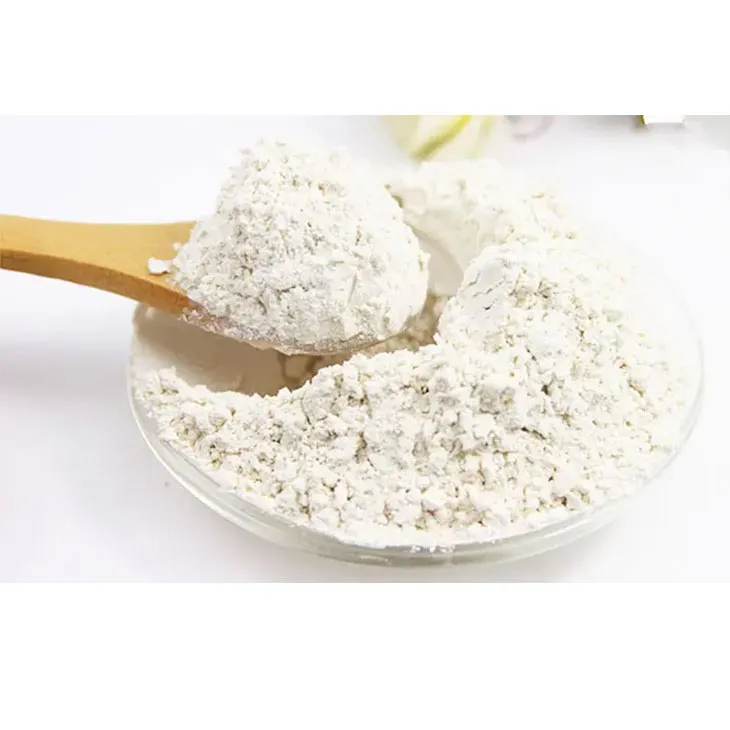
3.2 Heat - Reflux Extraction
Another commonly used method for extracting Chinese Yam Extract is heat - reflux extraction. In this method, a solvent is first selected. The choice of solvent is crucial as it should be able to dissolve the active ingredients present in the yams effectively. Ethanol is often a popular choice as a solvent for heat - reflux extraction of Chinese yam due to its ability to dissolve a wide range of bioactive compounds. Once the solvent is selected, the sliced yams are placed in a flask or extraction vessel along with the solvent. The mixture is then heated under reflux conditions. Reflux involves continuously boiling the solvent - yam mixture and condensing the vapor back into the reaction vessel. This allows for a more efficient extraction as the solvent is constantly in contact with the yam material and is able to extract the active ingredients more thoroughly. The temperature for heat - reflux extraction is typically set at the boiling point of the solvent or slightly above. For ethanol, the boiling point is around 78 degrees Celsius. The extraction time for heat - reflux extraction can range from several hours to a day or more depending on the nature of the yam material and the desired concentration of the extract.
4. Comparison of the Two Extraction Methods
Enzymatic extraction has several advantages. Firstly, it is a relatively mild extraction method that can preserve the integrity of the bioactive compounds to a large extent. Since the enzymes are specific in their action, they can target the breakdown of the yam tissue without causing excessive damage to the active ingredients. Secondly, enzymatic extraction can often result in a higher yield of certain bioactive compounds, especially those that are more difficult to extract using traditional methods. However, enzymatic extraction also has some limitations. It requires strict control of the reaction conditions such as temperature, pH, and enzyme concentration. Any deviation from the optimal conditions can lead to a decrease in the extraction efficiency. Additionally, the cost of the enzymes can be relatively high, which can increase the overall cost of the extraction process.
On the other hand, heat - reflux extraction is a more traditional and straightforward method. It is relatively easy to set up and operate. The main advantage of heat - reflux extraction is its ability to extract a wide range of bioactive compounds in a relatively short time. The high temperature and continuous reflux of the solvent ensure that the active ingredients are effectively dissolved out of the yam material. However, heat - reflux extraction may also have some drawbacks. The high temperature used in this method may cause some degradation of the more heat - sensitive bioactive compounds. Also, the choice of solvent is crucial, and if not properly selected, it may not be able to extract all the desired components effectively.
5. Post - Extraction Processing
After the extraction process, whether it is enzymatic extraction or heat - reflux extraction, the resulting extract needs to be further processed. The first step in post - extraction processing is usually filtration. Filtration is carried out to remove any solid residues such as yam particles or enzyme remnants (in the case of enzymatic extraction). This helps to obtain a clear and pure extract. There are various types of filtration methods that can be used, such as vacuum filtration or membrane filtration. Vacuum filtration is a commonly used method where a vacuum is applied to speed up the filtration process. Membrane filtration, on the other hand, can be more precise in separating different - sized particles and molecules.
Once the extract is filtered, it may need to be concentrated. Concentration is often necessary to increase the concentration of the active ingredients in the extract. This can be achieved through methods such as evaporation under reduced pressure. By reducing the pressure, the solvent can be evaporated at a lower temperature, which helps to preserve the integrity of the bioactive compounds. After concentration, the extract may be further purified if required. Purification methods can include chromatography techniques such as high - performance liquid chromatography (HPLC) or column chromatography. These techniques can be used to separate and purify specific bioactive compounds from the extract, depending on their chemical properties.
6. Quality Control and Standardization
Quality control is of utmost importance in the production of Chinese Yam Extract. Throughout the extraction process, from yam collection to post - extraction processing, various quality control measures are implemented. For example, during yam collection, the quality of the yams is inspected to ensure that they meet the required standards. In the extraction process, the parameters such as temperature, pH, and extraction time are closely monitored to ensure consistent and high - quality extraction. After extraction, the quality of the final extract is analyzed using various analytical techniques.
Standardization is also an important aspect of Chinese Yam Extract production. Standardization involves ensuring that the extract contains a consistent amount of the key bioactive compounds. This is important for both the effectiveness and safety of the extract. For example, if the extract is to be used in pharmaceuticals, it is crucial that the concentration of the active ingredients is accurately known and standardized. Analytical methods such as HPLC are often used to determine the content of the bioactive compounds in the extract and to ensure standardization.
7. Conclusion
The extraction process of Chinese Yam Extract is a complex but well - studied process. The use of modern extraction technologies such as enzymatic extraction and heat - reflux extraction has enabled the production of high - quality Chinese Yam Extract with a wide range of potential applications. However, continuous research is still needed to further optimize these extraction methods, improve the quality control and standardization procedures, and explore new applications of Chinese Yam Extract in various industries. With the increasing demand for natural products with health - promoting properties, Chinese Yam Extract is likely to play an even more important role in the future.
FAQ:
What are the initial steps in the extraction of Yam Extract?
The initial steps in the extraction of Yam Extract involve yam collection, followed by preparing the yams through washing and slicing.
What is enzymatic extraction in the context of Yam Extract?
Enzymatic extraction in the context of Yam Extract is a method that uses specific enzymes to break down the yam tissue, which helps in releasing the active ingredients.
How does heat - reflux extraction work for Yam Extract?
Heat - reflux extraction for Yam Extract involves heating the yam - solvent mixture under reflux conditions. This process is carried out to obtain a high - quality Yam Extract suitable for various industries.
What are the advantages of using modern technologies in Yam Extract extraction?
The use of modern technologies in Yam Extract extraction, such as enzymatic extraction and heat - reflux extraction, allows for a more efficient and effective way to break down the yam tissue and release the active ingredients, resulting in a high - quality extract.
Are there any other extraction methods for Yam Extract?
While enzymatic extraction and heat - reflux extraction are common methods, there may be other extraction methods as well. However, these two are among the widely used ones currently in the production of Yam Extract for various industries.
Related literature
- Yam Extract: Production and Applications
- Modern Extraction Techniques for Yam - Derived Compounds
- The Science Behind Yam Extract Extraction Processes


-

Stevia Extract
2024-12-08
-

Diosmin
2024-12-08
-

L-Citrullin-DL-malate
2024-12-08
-

Black Rice Extract
2024-12-08
-

Red Clover Extract
2024-12-08
-

Hawthorn powder
2024-12-08
-

Olive leaf extract
2024-12-08
-

Mulberry leaf Extract
2024-12-08
-

Alisma Extract
2024-12-08
-

Scutellaria Extract
2024-12-08