


1. Introduction to Phellodendron Extract
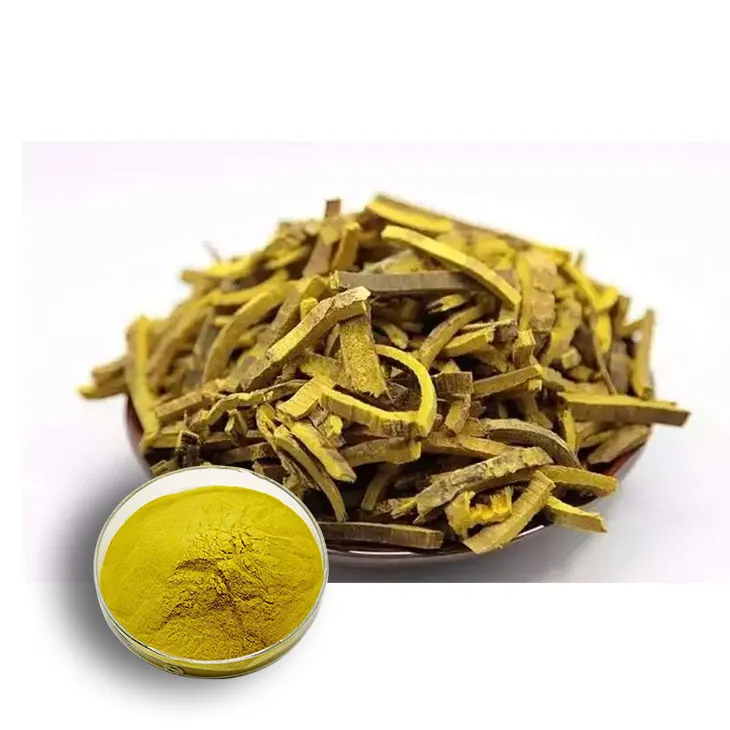
Phellodendron Extract has been an area of increasing interest in recent years. Derived from the Phellodendron plant, this extract is rich in various bioactive compounds. The Phellodendron genus includes several species, and different parts of the plant, such as the bark, are used for extraction. These extracts have a long history of use, especially in traditional Chinese medicine (TCM).
2. Popular Varieties of Phellodendron
2.1 Phellodendron amurense
Phellodendron amurense is one of the most well - known varieties. It is native to regions in Asia, including parts of China and Russia. The bark of this plant is thick and has a characteristic yellow color. In traditional medicine, the extract from Phellodendron amurense has been used for various purposes.

2.2 Phellodendron chinense
Another popular variety is Phellodendron chinense. It is mainly distributed in China. This variety also has a long history of use in TCM. The chemical composition of its extract may vary slightly from other varieties, which leads to some differences in its medicinal properties.
3. Unique Uses in Traditional Chinese Medicine
3.1 Liver Protection
One of the key uses of Phellodendron Extracts in TCM is for liver protection. The bioactive compounds present in the extract are believed to have a hepatoprotective effect. For example, they may help in reducing inflammation in the liver. In TCM theory, the liver is considered an important organ related to the body's qi (vital energy) flow and detoxification processes. Phellodendron Extracts are thought to regulate the liver's function and maintain its health.
3.2 Anti - inflammatory Properties
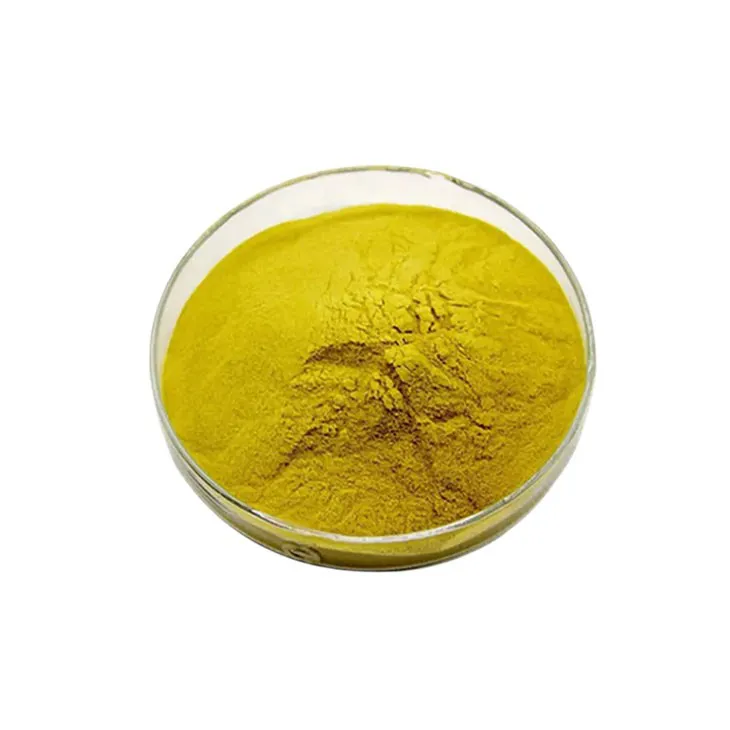
Phellodendron Extracts also possess anti - inflammatory properties. They can be used to treat various inflammatory conditions in the body. In TCM, this is related to the concept of "damp - heat" elimination. The extracts are used to clear away the "damp - heat" in the body, which is often associated with inflammation. For instance, it can be used in the treatment of skin inflammations or joint inflammations.
4. Applications in the Nutraceutical Field

4.1 Overall Health Promotion
In the nutraceutical field, Phellodendron Extracts are increasingly being recognized for their role in overall health promotion. They are rich in antioxidants, which can help in scavenging free radicals in the body. Free radicals are known to cause oxidative stress, which is associated with various diseases such as cancer, heart disease, and aging. By consuming Phellodendron - based nutraceuticals, individuals may potentially reduce the risk of these diseases.
4.2 Digestive Health
Phellodendron Extracts can also contribute to digestive health. They may help in improving digestion by increasing the secretion of digestive enzymes. Additionally, they have a prebiotic - like effect, promoting the growth of beneficial gut bacteria. A healthy gut microbiome is essential for proper digestion, absorption of nutrients, and overall immune function.
5. Emerging Uses in Research for New Drug Development
5.1 Antimicrobial Activity
Recent research has focused on the antimicrobial activity of Phellodendron Extracts. Studies have shown that they have the potential to inhibit the growth of various microorganisms, including bacteria, fungi, and viruses. This makes them a promising candidate for the development of new antimicrobial drugs. For example, some components of the extract may target specific bacterial cell wall synthesis or viral replication mechanisms.
5.2 Anti - cancer Potential
There is also growing evidence suggesting that Phellodendron Extracts may have anti - cancer potential. Some of the bioactive compounds in the extract have been shown to induce apoptosis (programmed cell death) in cancer cells in vitro. However, more in - vivo studies and clinical trials are needed to fully understand their potential in cancer treatment.
6. Conclusion
In conclusion, Phellodendron Extracts, with their popular varieties such as Phellodendron amurense and Phellodendron chinense, have a wide range of unique uses. From their traditional applications in TCM for liver protection and anti - inflammatory purposes to their modern uses in the nutraceutical field for overall health promotion and emerging roles in new drug development, these extracts hold great promise. Continued research is needed to further explore their potential and fully harness their benefits for human health.
FAQ:
What are the popular varieties of Phellodendron Extract?
Some of the popular varieties include Phellodendron amurense extract. Each variety may have slightly different chemical compositions which contribute to their unique properties.
How is Phellodendron Extract used in traditional Chinese medicine for liver protection?
In traditional Chinese medicine, Phellodendron Extract is believed to have properties that can help regulate liver functions. It may work by reducing inflammation in the liver, balancing the body's internal environment, and potentially protecting liver cells from damage.
What are the applications of Phellodendron Extract in the nutraceutical field?
In the nutraceutical field, Phellodendron Extract is used for overall health promotion. It may be included in supplements to support the immune system, improve digestion, and enhance general well - being due to its various bioactive compounds.
Can you explain the emerging uses of Phellodendron Extract in new drug development?
Researchers are exploring Phellodendron Extract for new drug development. Its unique chemical constituents may hold potential for treating various diseases. For example, some components might have antibacterial or antiviral properties that could be developed into new drugs.
Are there any side effects associated with Phellodendron Extract?
While Phellodendron Extract has many potential benefits, it may also have side effects in some cases. High doses or improper use might lead to digestive issues such as stomach upset or diarrhea. However, more research is needed to fully understand all possible side effects.
Related literature
- Phellodendron Extract: Chemical Constituents and Pharmacological Activities"
- "The Role of Phellodendron in Traditional Chinese Medicine and Modern Research"
- "Phellodendron Extract in Nutraceutical and Pharmaceutical Perspectives"


-

Yohimbine Bark Extract
2025-02-12
-

L-carnitine
2025-02-12
-

Bladder horn extract powder
2025-02-12
-

Mulberry leaf Extract
2025-02-12
-

Oyster Peptide
2025-02-12
-

Quercetin
2025-02-12
-

Phyllanthus Emblica Extract
2025-02-12
-

Ginseng Root Extract
2025-02-12
-

Ginkgo Biloba Extract
2025-02-12
-

D-Mannose
2025-02-12