


1. Introduction
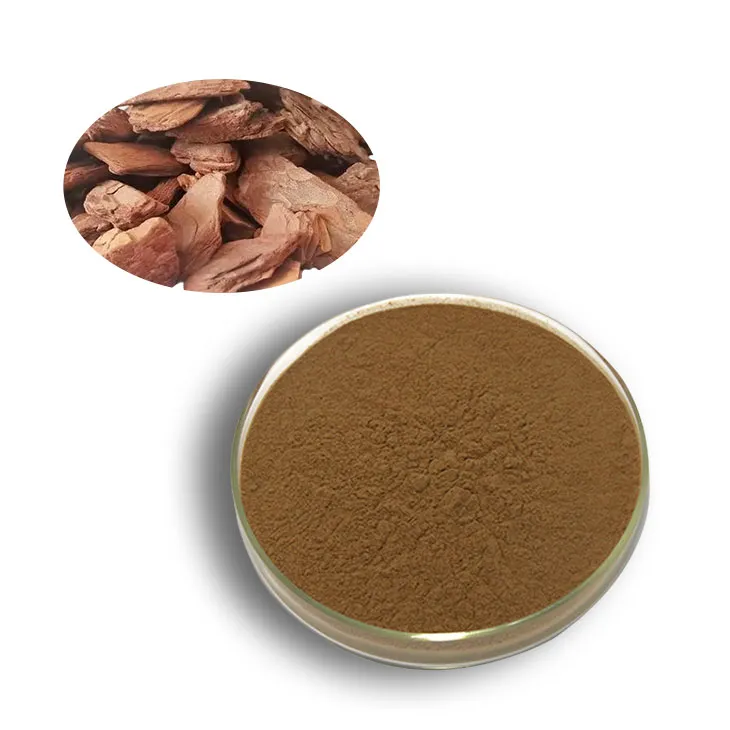
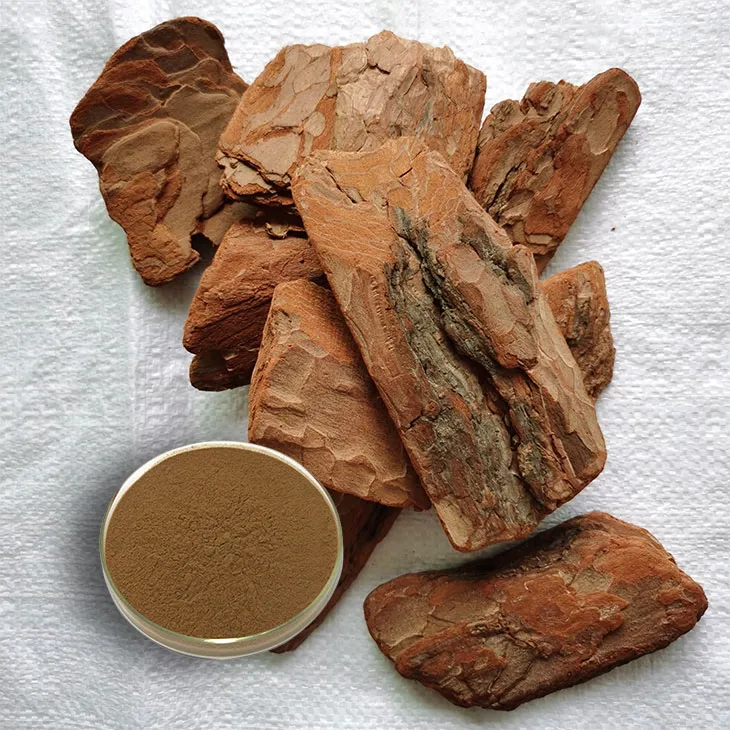
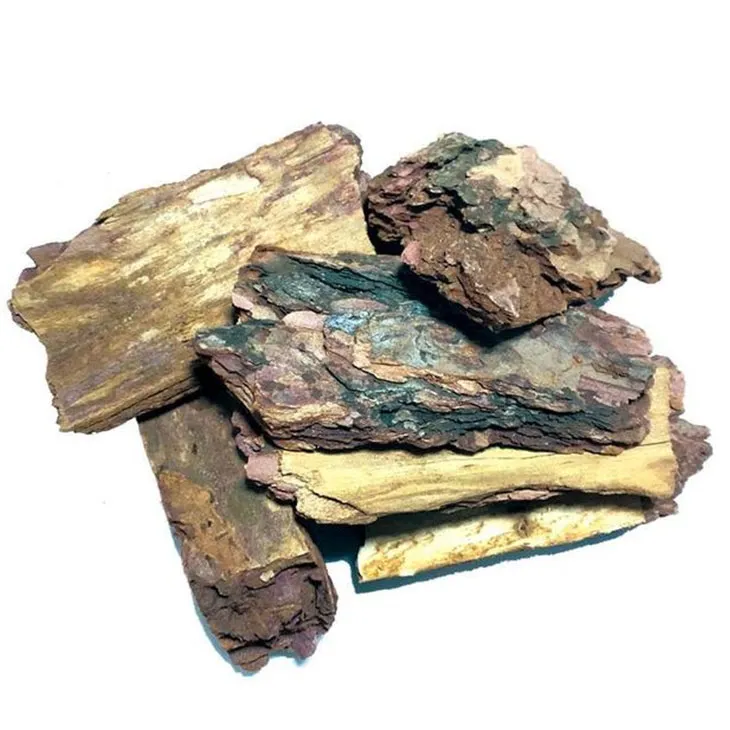
Pine bark Extract Powder has attracted significant attention in recent years due to its numerous potential health benefits. This natural substance, derived from the bark of pine trees, has a complex composition that endows it with a wide range of biological activities. Understanding its composition and the way it interacts with cellular nuclei is crucial for exploring its full potential in therapeutic and preventive applications.
2. Composition of Pine bark Extract Powder
2.1 Flavonoids
Flavonoids are key components in Pine bark Extract Powder. These are a large class of polyphenolic compounds that are well - known for their antioxidant properties. In pine bark extract, flavonoids play a major role in scavenging free radicals, which are highly reactive molecules that can cause damage to cells. For example, proanthocyanidins, a type of flavonoid found in pine bark, are among the most powerful antioxidants known. They can neutralize free radicals before they can react with important cellular components such as lipids, proteins, and DNA.
2.2 Other Compounds
Besides flavonoids, Pine bark Extract Powder also contains other substances. These include phenolic acids, which also contribute to the antioxidant activity of the extract. Additionally, there are terpenoids present in the extract. Terpenoids are known for their anti - inflammatory effects. They can modulate the immune response in the body, reducing inflammation at the site of injury or in diseased tissues.
Another important group of compounds in Pine bark Extract Powder is the stilbenes. These compounds have been associated with various health - promoting activities, such as anti - cancer properties. Some stilbenes may be involved in regulating cell growth and apoptosis, which is the programmed cell death. This can help prevent the uncontrolled growth of cancer cells.
3. Nuclear Characteristics Affected by Pine bark Extract Powder
3.1 Impact on Nuclear Membranes
The nuclear membrane is a crucial structure that encloses the nucleus and separates it from the cytoplasm. It is responsible for maintaining the integrity of the nucleus and controlling the passage of molecules in and out of the nucleus. Pine bark Extract Powder has been found to have an effect on the nuclear membrane. It may enhance the stability of the nuclear membrane through various mechanisms.
One possible mechanism is related to the antioxidant activity of the extract. Free radicals can cause damage to the lipids in the nuclear membrane, leading to its destabilization. The flavonoids and other antioxidants in Pine bark Extract Powder can prevent this damage by neutralizing free radicals. As a result, the integrity of the nuclear membrane is maintained, and its normal functions, such as regulating the transport of proteins and nucleic acids, can be carried out effectively.
3.2 Role in Chromatin Remodeling
Chromatin is the complex of DNA and proteins that make up the chromosomes within the nucleus. Chromatin remodeling is a process that changes the structure of chromatin, which in turn affects DNA packaging and gene accessibility. Pine bark Extract Powder may be involved in chromatin remodeling within the nucleus.
Some of the substances in the extract powder may interact with histone proteins, which are the main proteins associated with DNA in chromatin. For example, certain flavonoids may modify the acetylation or methylation status of histones. These modifications can either loosen or tighten the chromatin structure. If the chromatin is loosened, genes that were previously inaccessible may become accessible for transcription, leading to changes in gene expression. This can have far - reaching effects on cellular functions, such as cell differentiation, proliferation, and response to environmental stimuli.
4. Significance of Research on Pine bark Extract Powder
4.1 Therapeutic Potential
The understanding of Pine bark Extract Powder's composition and its effects on nuclear characteristics has significant implications for developing new therapies. For example, in the treatment of neurodegenerative diseases, such as Alzheimer's and Parkinson's, the ability of the extract to protect nuclear membranes and modulate chromatin remodeling may be beneficial.
Alzheimer's disease is associated with oxidative stress and abnormal gene expression in neurons. The antioxidants in Pine bark Extract Powder can reduce oxidative stress, protecting the nuclear membranes of neurons from damage. At the same time, its potential role in chromatin remodeling may help regulate genes involved in neuronal function and survival, potentially slowing down the progression of the disease.
4.2 Preventive Applications
In terms of prevention, Pine bark Extract Powder may also play an important role. Due to its antioxidant and anti - inflammatory properties, it can help prevent the development of chronic diseases. For instance, in cardiovascular diseases, which are often related to inflammation and oxidative damage in blood vessels, the extract may reduce the risk of disease development.
By maintaining the stability of nuclear membranes in vascular endothelial cells and modulating chromatin remodeling in these cells, Pine bark Extract Powder can influence gene expression related to inflammation and lipid metabolism. This can lead to a reduction in the formation of atherosclerotic plaques and improve the overall health of blood vessels.
5. Future Research Directions
Despite the current understanding of Pine bark Extract Powder, there are still many areas that require further research. One important area is to elucidate the exact mechanisms by which the extract affects chromatin remodeling at the molecular level. This will involve detailed studies of the interactions between the components of the extract and histone proteins, as well as other chromatin - associated factors.
Another area for future research is to explore the potential synergistic effects of different components in Pine bark Extract Powder. The extract is a complex mixture of compounds, and it is likely that these compounds work together to produce its biological effects. Understanding these synergistic effects could lead to the development of more effective formulations of the extract for therapeutic and preventive purposes.
Furthermore, more in - vivo studies are needed to evaluate the long - term safety and efficacy of Pine bark Extract Powder. While some short - term studies have shown promising results, it is essential to determine whether the extract can be safely used over extended periods and at different dosages in humans.
6. Conclusion
Pine bark Extract Powder is a complex natural substance with a rich composition and diverse biological activities related to nuclear characteristics. Flavonoids are important components that contribute to its antioxidant and anti - inflammatory properties. The extract has been shown to affect nuclear membranes and chromatin remodeling, which has significant implications for therapeutic and preventive applications. However, further research is still needed to fully understand its mechanisms of action and to explore its potential in various health - related areas.
FAQ:
What are the main flavonoids in Pine bark Extract Powder?
Some of the main flavonoids in Pine bark Extract Powder include proanthocyanidins. Proanthocyanidins are known for their high antioxidant capacity and play a significant role in the overall beneficial properties of the extract.
How does Pine bark Extract Powder enhance the stability of nuclear membranes?
The exact mechanism by which Pine bark Extract Powder enhances the stability of nuclear membranes is not fully understood. However, it is hypothesized that the flavonoids and other bioactive compounds in the extract may interact with the lipid components of the nuclear membranes, reducing oxidative stress and maintaining the proper structure and function of the membranes.
Can Pine bark Extract Powder directly affect gene expression?
Yes, it can. Since certain substances in the extract powder are involved in chromatin remodeling within the nucleus, this can lead to changes in DNA packaging and gene accessibility, which in turn can directly affect gene expression.
What are the other components in Pine bark Extract Powder besides flavonoids?
Pine bark Extract Powder also contains phenolic acids. These phenolic acids, along with flavonoids, contribute to the antioxidant and other beneficial activities of the extract. Additionally, there may be small amounts of minerals and other organic compounds present.
How is the research on Pine bark Extract Powder's impact on the nucleus currently?
The research on Pine bark Extract Powder's impact on the nucleus is still in progress. While some initial findings suggest its effects on nuclear membranes and chromatin remodeling, more in - depth studies are needed to fully understand the mechanisms and potential applications. Scientists are using various techniques such as cell culture studies, molecular biology assays, and microscopy to further investigate these aspects.
Related literature
- The Composition and Biological Activities of Pine Bark Extract"
- "Nuclear - targeted Effects of Natural Extracts: Insights from Pine Bark"
- "Flavonoids in Pine Bark Extract: Implications for Cellular and Nuclear Health"


-

Black Garlic Extract
2024-12-21
-

Sophora Japonica Flower Extract
2024-12-21
-

Pomegranate Extract
2024-12-21
-

Baicalin
2024-12-21
-

Coconut Water Powder
2024-12-21
-

Oyster Peptide
2024-12-21
-

Garcinia Cambogia Extract
2024-12-21
-

Rutin
2024-12-21
-

Citrus Aurantii Extract
2024-12-21
-

Resveratrol Extract
2024-12-21