


1. Introduction
Jujube Extract has been gaining increasing popularity in various industries, including the food, pharmaceutical, and cosmetic sectors. This is due to its numerous health benefits and unique properties. However, procuring the best Jujube Extract as a raw material can be a complex task. There are several factors to consider, such as the origin of the jujubes, quality control measures, and market availability. This guide aims to provide comprehensive information to help readers make informed decisions in the procurement process.
2. Understanding Jujube Extract
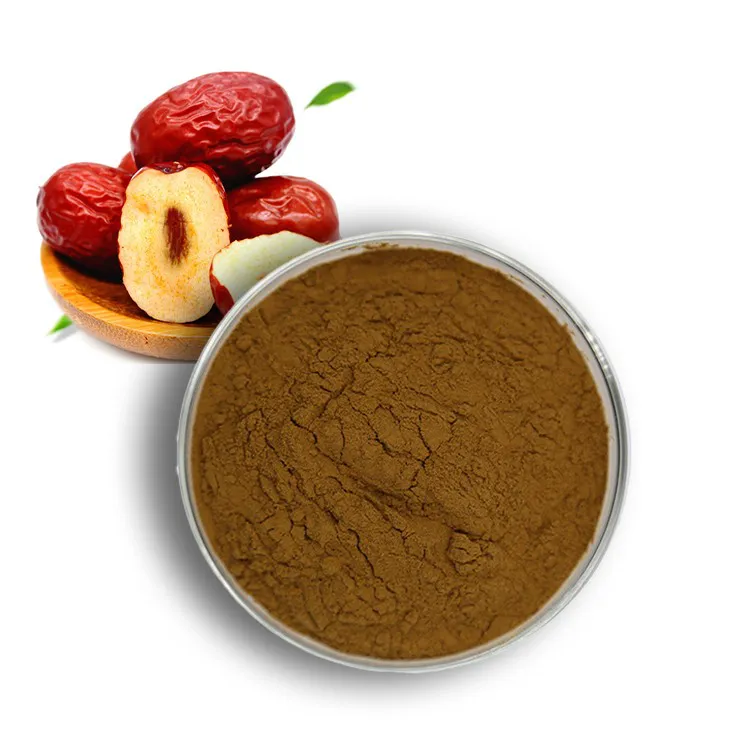
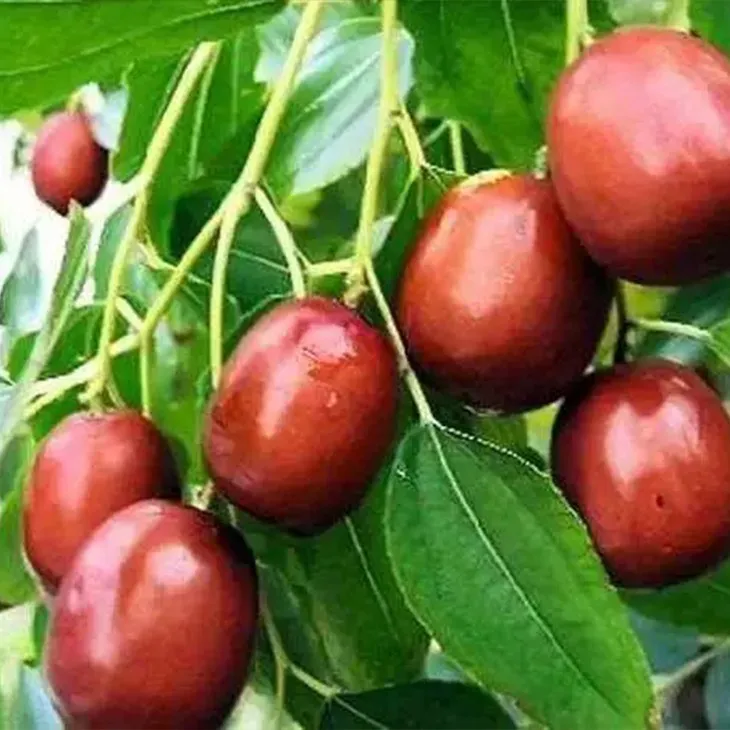
Jujube Extract is derived from the fruits of the jujube tree (Ziziphus jujuba). The fruits are rich in vitamins, minerals, and bioactive compounds. These include Vitamin C, potassium, and flavonoids.
The extraction process typically involves crushing the jujube fruits and then using solvents to isolate the desired compounds. Different extraction methods can result in extracts with varying compositions and qualities.
3. Origin of Jujubes
3.1 Geographical Regions
Jujube trees are native to China and have been cultivated there for thousands of years. However, they are also grown in other parts of Asia, such as India, Korea, and Japan. In recent years, jujube cultivation has expanded to some Mediterranean countries and the United States.
- China: China is the largest producer of jujubes. The fruits from different regions in China can have distinct characteristics. For example, the jujubes from Xinjiang are known for their large size and high sugar content, while those from Shaanxi are famous for their rich flavor.
- India: Indian jujubes are often used in traditional Ayurvedic medicine. They have a unique taste and are rich in certain medicinal properties.
- Korea: Korean jujubes are sometimes used in local cuisine and traditional health remedies. They are typically smaller in size but have a concentrated flavor.
3.2 Impact of Origin on Quality
The origin of jujubes can significantly impact the quality of the extract. Factors such as soil type, climate, and farming practices play important roles.
- Soil Type: Jujube trees thrive in well - drained soils. Sandy loam soils are often ideal as they provide good aeration and water - holding capacity. Different soil types can affect the nutrient uptake of the jujube trees, which in turn can influence the composition of the fruits and the resulting extract.
- Climate: Jujube trees are relatively hardy and can tolerate a wide range of climates. However, regions with long, warm growing seasons and ample sunlight tend to produce jujubes with higher sugar content and better flavor. Extreme weather conditions, such as drought or excessive rainfall, can have a negative impact on the quality of the fruits.
- Farming Practices: Organic farming practices can lead to jujubes with fewer pesticide residues and a more natural composition. Sustainable farming methods, such as proper irrigation and fertilization, can also enhance the overall quality of the jujubes.
4. Quality Control

4.1 Chemical Composition Analysis
One of the key aspects of quality control in Jujube Extract procurement is analyzing its chemical composition. This involves determining the levels of important compounds such as flavonoids, polysaccharides, and phenolic acids.
- Flavonoids: Flavonoids are responsible for many of the antioxidant properties of Jujube Extract. High - performance liquid chromatography (HPLC) is often used to accurately measure the levels of different flavonoids in the extract.
- Polysaccharides: These compounds play a role in immune - boosting and other health - promoting functions. Methods such as gel permeation chromatography can be used to analyze the polysaccharide content.
- Phenolic Acids: Phenolic acids contribute to the antioxidant and anti - inflammatory properties of the extract. Spectrophotometric methods are commonly employed to determine their levels.

4.2 Purity and Contaminant Testing
Ensuring the purity of Jujube Extract and testing for contaminants is crucial. Contaminants can include heavy metals, pesticides, and microbial organisms.
- Heavy Metals: Lead, mercury, and cadmium are some of the heavy metals that can potentially contaminate Jujube Extract. Atomic absorption spectrometry is a reliable method for detecting and quantifying heavy metal levels.
- Pesticides: If the jujubes are not grown organically, there is a risk of pesticide residues in the extract. Gas chromatography - mass spectrometry (GC - MS) can be used to screen for various pesticides.
- Microbial Organisms: Bacteria, fungi, and yeast can contaminate the extract during processing or storage. Microbiological testing, such as plate count methods, can identify the presence and quantity of microbial contaminants.
4.3 Standardization
Standardizing Jujube Extract is important to ensure consistent quality. This involves setting specifications for the extract's composition, purity, and potency.
Industry standards and regulations play a significant role in this regard. For example, in the pharmaceutical industry, Jujube Extract used in medications must meet strict quality standards set by regulatory bodies such as the Food and Drug Administration (FDA) in the United States or the European Medicines Agency (EMA) in Europe.
5. Market Availability
5.1 Suppliers
There are numerous suppliers of Jujube Extract in the market. These can range from small, local producers to large, multinational companies.
- Small - scale Producers: Small - scale producers often focus on niche markets or local customers. They may offer unique products with a more personalized touch. However, they may have limited production capacity and less sophisticated quality control systems.
- Large - scale Producers: Large - scale producers typically have greater production capacity and more advanced quality control facilities. They can supply larger quantities of Jujube Extract, but their products may be more standardized and less customizable.
5.2 Pricing
The price of Jujube Extract can vary widely depending on factors such as quality, origin, and production volume.
- Quality - based Pricing: Higher - quality Jujube Extract, which has been through rigorous quality control and contains a high concentration of beneficial compounds, generally commands a higher price.
- Origin - based Pricing: Jujube Extract from certain regions, such as those known for producing high - quality jujubes, may be priced higher. For example, Jujube Extract from Xinjiang in China may be more expensive due to the reputation of its source jujubes.
- Volume - based Pricing: Buying in larger quantities often results in lower unit prices. Suppliers may offer discounts for bulk purchases.
5.3 Market Trends
The market for Jujube Extract is constantly evolving. Current trends include an increasing demand for organic and natural products, as well as a growing interest in the use of Jujube Extract in the beauty and personal care industry.
- Organic and Natural Products: Consumers are becoming more conscious of the products they use and are increasingly seeking organic and natural alternatives. This has led to a rise in the demand for Jujube Extract produced from organically grown jujubes.
- Beauty and Personal Care Industry: Jujube Extract is being incorporated into various beauty and personal care products, such as skin creams, shampoos, and lip balms, due to its antioxidant and skin - nourishing properties.
6. Procurement Strategies
6.1 Research and Supplier Evaluation
Before procuring Jujube Extract, it is essential to conduct thorough research on suppliers. This includes evaluating their reputation, quality control procedures, and production capabilities.
- Reputation: Look for suppliers with a good track record in the industry. Check online reviews, testimonials, and industry rankings to gauge their reputation.
- Quality Control Procedures: Inquire about the supplier's quality control measures, such as the testing methods they use for chemical composition, purity, and contaminants.
- Production Capabilities: Assess the supplier's production capacity, lead times, and ability to meet your specific requirements in terms of quantity and quality.
6.2 Sample Testing
Requesting samples from potential suppliers is a crucial step in the procurement process. Once you receive the samples, conduct your own quality tests using the methods described earlier, such as chemical composition analysis and purity testing.
This will help you determine whether the supplier's Jujube Extract meets your quality standards and requirements.
6.3 Contract Negotiation
When negotiating a contract with a supplier, consider important aspects such as price, delivery terms, and quality guarantees.
- Price: Try to negotiate a favorable price based on your volume requirements and market research. Consider factors such as long - term contracts and price - adjustment clauses.
- Delivery Terms: Define clear delivery terms, including delivery dates, shipping methods, and packaging requirements.
- Quality Guarantees: Ensure that the contract includes provisions for quality guarantees. This may include the right to reject shipments that do not meet the agreed - upon quality standards.
7. Conclusion
Procuring the best Jujube Extract as a raw material requires careful consideration of multiple factors. Understanding the origin of the jujubes, implementing strict quality control measures, and being aware of market availability are all essential steps in the process. By following the guidelines and strategies outlined in this guide, readers can make more informed decisions in their Jujube Extract procurement, ensuring that they obtain a high - quality product that meets their specific needs.
FAQ:
What are the key factors to consider when procuring Jujube Extract?
When procuring Jujube Extract, several key factors should be considered. Firstly, the origin of the jujubes is important. Jujubes from certain regions may have better quality due to the local climate and soil conditions. Secondly, quality control measures play a crucial role. This includes ensuring that the extraction process is carried out under proper conditions to preserve the active ingredients. Thirdly, market availability and the reputation of the supplier are also factors to take into account. A reliable supplier is more likely to provide high - quality Jujube Extract.
How does the origin of jujubes affect the quality of Jujube Extract?
The origin of jujubes can significantly affect the quality of Jujube Extract. Different regions have different climates, soil types, and cultivation practices. For example, jujubes grown in areas with optimal sunlight, temperature, and soil fertility may have a higher content of beneficial compounds such as vitamins, minerals, and antioxidants. These factors can translate into a more potent and higher - quality Jujube Extract.
What quality control measures should be in place for Jujube Extract?
Quality control measures for Jujube Extract should start from the raw material sourcing. The jujubes should be inspected for freshness, ripeness, and freedom from contaminants. During the extraction process, strict parameters such as temperature, pressure, and solvent usage should be monitored to ensure that the active ingredients are not degraded. After extraction, the final product should be tested for purity, potency, and safety. This may involve chemical analysis to determine the concentration of key components and microbiological testing to check for the presence of harmful microorganisms.
How can one ensure the market availability of high - quality Jujube Extract?
To ensure the market availability of high - quality Jujube Extract, it is essential to establish relationships with reliable suppliers. Researching the market and identifying suppliers with a good reputation for quality and consistency is crucial. Additionally, staying informed about industry trends and regulations can help. This way, one can anticipate any potential shortages or changes in the availability of high - quality Jujube Extract. Attending trade shows and networking with industry professionals can also provide valuable insights into the market availability of high - quality products.
What are the benefits of using high - quality Jujube Extract?
High - quality Jujube Extract offers several benefits. It is rich in nutrients such as vitamins C and B - complex, which are essential for maintaining good health. It also contains antioxidants that can help protect the body against oxidative stress and reduce the risk of chronic diseases. Jujube Extract has been traditionally used for its calming and sleep - promoting properties. It may also have potential benefits for digestive health, immune function, and skin health.
Related literature
- Title: Jujube Extract: Properties and Potential Applications"
- Title: "Quality Assessment of Jujube Extract in the Global Market"
- Title: "The Role of Origin in Determining the Quality of Jujube - Derived Products"


-

Avocado Extract Powder
2024-12-12
-

Mulberry Extract
2024-12-12
-

Pueraria Lobata Extract
2024-12-12
-

Lemon Balm Extract
2024-12-12
-

Licorice Root Extract Powder
2024-12-12
-

Maitake Mushroom Extract
2024-12-12
-

Genistein
2024-12-12
-

Sugarcane Extract
2024-12-12
-

Europen Bilberry Extract
2024-12-12
-

Vitamin B9 powder
2024-12-12