


1. Introduction
Yam Extract has gained significant popularity in various industries, including the food, pharmaceutical, and cosmetic sectors. This is due to its numerous beneficial properties, such as its potential health - promoting effects and its use as a natural ingredient. However, to ensure the quality and effectiveness of Yam Extract - based products, it is crucial to procure the best raw materials. This guide aims to provide comprehensive insights into the procurement of high - quality Yam Extracts.
2. Quality Assessment of Yam for Extract
2.1 Origin
The origin of the yam plays a vital role in determining its quality. Yams from different regions may vary in their chemical composition, taste, and texture. For example, yams grown in certain tropical regions may have a higher content of active compounds compared to those grown in temperate areas. It is essential to research and identify regions known for producing high - quality yams. Some well - known regions for yam cultivation include parts of Africa, Asia, and the Caribbean. When procuring yams for extract, it is advisable to source from these regions with a good reputation for yam production.

2.2 Growth Conditions
- The growth conditions of yams significantly impact their quality. Soil type is a crucial factor. Yams thrive in well - drained, fertile soils. Sandy - loam soils are often preferred as they provide good aeration and water - holding capacity. If the soil is too compact or lacks proper drainage, it can lead to stunted growth and affect the nutrient uptake of the yams.
- Climate also plays a key role. Yams generally require a warm and humid climate. Adequate sunlight exposure is necessary for photosynthesis and the development of healthy tubers. However, excessive heat or drought can stress the plants and reduce the quality of the yams. On the other hand, too much rainfall can cause waterlogging, which is detrimental to yam growth.
- Fertilization is another aspect to consider. Appropriate fertilization with a balanced mix of nutrients, such as nitrogen, phosphorus, and potassium, can enhance the growth and quality of yams. Organic fertilizers are often preferred as they not only provide essential nutrients but also improve soil structure and fertility over time.

2.3 Harvesting Time
Harvesting time is critical for obtaining high - quality yams for extract. Yams need to be harvested at the right maturity stage. If harvested too early, the tubers may not have fully developed their active compounds and may be small in size. On the other hand, if harvested too late, the yams may start to deteriorate, lose their nutritional value, or become more susceptible to diseases and pests. The exact harvesting time can vary depending on the yam variety, but generally, it is determined by factors such as the appearance of the foliage (e.g., yellowing of the leaves), the firmness of the tubers, and the length of the growing season.
3. Extraction Methods
There are several extraction methods available for obtaining Yam Extract, and each method has its own advantages and limitations.
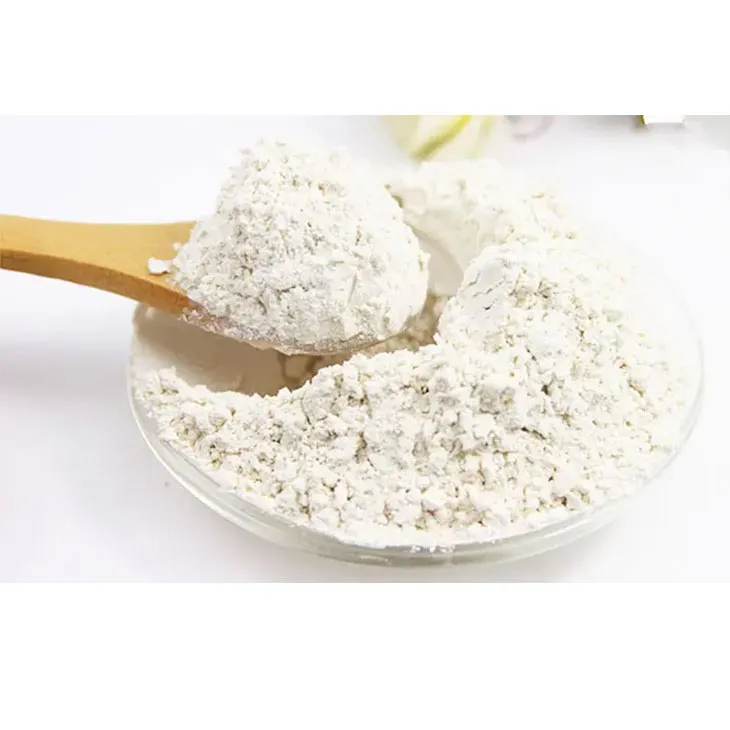
3.1 Solvent Extraction
- Solvent extraction is one of the most commonly used methods. In this process, a suitable solvent is used to dissolve the active compounds from the yam. Ethanol is often a preferred solvent as it is relatively safe, effective, and can be easily removed from the extract. The yam is typically ground or mashed into a fine powder or pulp before the solvent is added.
- The extraction process involves mixing the yam material with the solvent in a controlled environment, usually at a specific temperature and for a certain period of time. After extraction, the solvent - containing the dissolved compounds is separated from the solid residue through filtration or centrifugation. The solvent is then evaporated to obtain the concentrated Yam Extract.
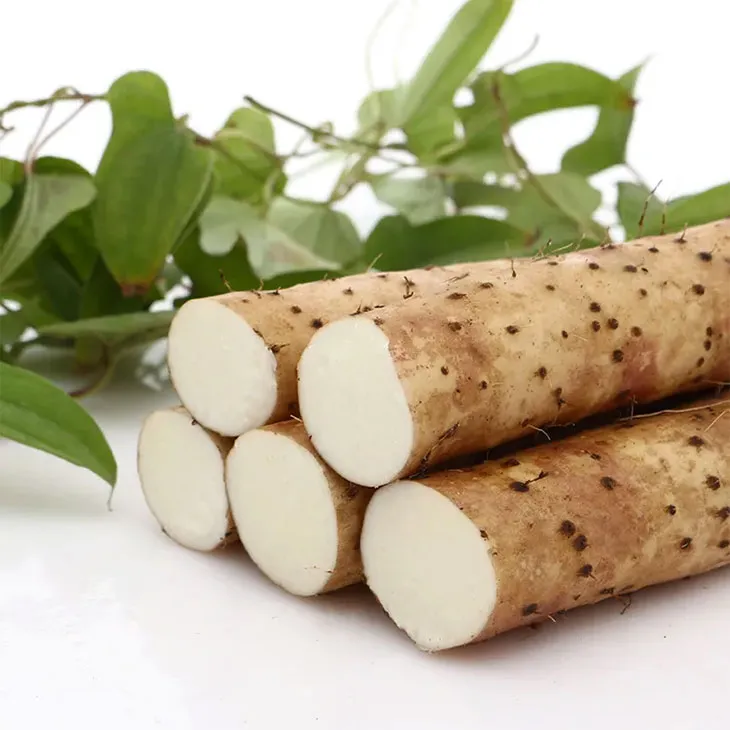
3.2 Supercritical Fluid Extraction
- Supercritical fluid extraction (SFE) is a more advanced extraction method. It uses a supercritical fluid, such as carbon dioxide (CO₂), as the extracting agent. Supercritical CO₂ has unique properties that make it an excellent solvent for extracting natural products. It has a low critical temperature and pressure, which means it can be easily manipulated in a laboratory or industrial setting.
- The SFE process involves pressurizing CO₂ to its supercritical state and passing it through the yam material. The supercritical CO₂ selectively extracts the desired compounds from the yam. After extraction, the pressure is released, and the CO₂ returns to its gaseous state, leaving behind the pure Yam Extract. This method has the advantage of being a clean and environmentally - friendly extraction process, as CO₂ is a non - toxic and non - flammable gas.
3.3 Maceration
- Maceration is a simple and traditional extraction method. In this method, the yam is cut into small pieces and soaked in a solvent (usually a liquid such as water or alcohol) for an extended period. During the maceration process, the active compounds in the yam gradually dissolve into the solvent. This method is relatively inexpensive and easy to perform, but it may require a longer extraction time compared to other methods.
- After the maceration period, the solvent is filtered to remove the solid yam pieces, and the resulting liquid is the Yam Extract. However, the extract obtained through maceration may contain a higher proportion of impurities compared to extracts obtained by more advanced extraction methods.
4. Safety Considerations
When procuring Yam Extract, safety is of utmost importance.
4.1 Pesticide Residues
Yams may be treated with pesticides during cultivation to protect them from pests and diseases. However, excessive pesticide use can lead to pesticide residues in the yams, which can be harmful if present in the extract. It is essential to ensure that the yams are sourced from growers who follow good agricultural practices and use pesticides in a regulated and responsible manner. Regular testing for pesticide residues should be carried out on the raw yams before extraction.
4.2 Allergens
Some people may be allergic to yams or components present in Yam Extract. It is necessary to clearly label the Yam Extract products to indicate the presence of yam as an ingredient. In addition, proper manufacturing processes should be in place to prevent cross - contamination with other allergens in the production facility.
4.3 Toxic Compounds
Although yams are generally considered safe, some varieties may contain small amounts of toxic compounds. For example, certain wild yams may contain steroid - like substances that can have adverse effects if consumed in large quantities. It is crucial to accurately identify the yam species being used for extraction and ensure that any potentially toxic compounds are removed or reduced to safe levels during the extraction process.
5. Regulatory Compliance
- Compliance with regulatory requirements is essential when procuring Yam Extract. Different countries and regions have their own regulations regarding the production, processing, and marketing of food, pharmaceutical, and cosmetic products containing Yam Extract.
- For the food industry, regulations may govern aspects such as the purity of the extract, the use of additives, and the labeling requirements. In the pharmaceutical industry, strict regulations are in place to ensure the safety, efficacy, and quality of drugs containing Yam Extract. The cosmetic industry also has regulations related to the safety of ingredients and the proper labeling of products.
- Producers and procurers of Yam Extract must be aware of these regulations and ensure that all necessary approvals and certifications are obtained. This may involve working with regulatory agencies, conducting product testing, and maintaining proper documentation throughout the supply chain.
6. Conclusion
Procuring the best raw materials for Yam Extract is a complex but crucial process. By considering factors such as the quality assessment of yams (including origin, growth conditions, and harvesting time), choosing the appropriate extraction methods, ensuring safety, and complying with regulatory requirements, it is possible to obtain high - quality Yam Extract. This, in turn, can lead to the production of excellent products in the food, pharmaceutical, and cosmetic industries, providing consumers with safe and effective products containing Yam Extract.
FAQ:
What are the key factors in assessing the quality of yams for extraction?
The key factors include the yam's origin, as different regions may have different soil and climate conditions that can affect the yam's composition. Growth conditions such as sunlight exposure, water availability, and soil quality also play a crucial role. Additionally, the harvesting time is important. Yams harvested at the right time are more likely to have the desired chemical constituents for extraction.
How do growth conditions impact the quality of yams for extraction?
Good sunlight exposure helps in photosynthesis, which can influence the production of various nutrients and bioactive compounds in the yam. Adequate water availability ensures proper growth and development. Soil quality, including its nutrient content and texture, can affect the yam's ability to absorb essential elements. For example, a nutrient - rich soil may lead to yams with higher levels of beneficial compounds, which is beneficial for extraction.
What are the common extraction methods for Yam Extract?
Common extraction methods include solvent extraction, where solvents like ethanol or water are used to dissolve the desired compounds from the yam. Another method is supercritical fluid extraction, which uses a supercritical fluid (such as carbon dioxide) under specific temperature and pressure conditions to extract the active ingredients. Maceration, where the yam is soaked in a solvent for a period, is also a traditional extraction method.
How is the safety of Yam Extract ensured?
To ensure the safety of Yam Extract, proper sourcing of yams is crucial. This means ensuring that they are free from contaminants such as pesticides, heavy metals, and harmful microorganisms. During the extraction process, strict quality control measures should be followed, including proper sterilization and purification steps. Additionally, finished Yam Extract products should be tested for safety, including toxicity and allergenicity testing.
What are the regulatory requirements for procuring high - quality Yam Extract?
Regulatory requirements may vary by region. In general, they include compliance with good manufacturing practices (GMP). This involves proper documentation of the extraction process, quality control procedures, and personnel training. There may also be specific regulations regarding the purity and identity of the Yam Extract, as well as limits on contaminants. For example, in the food and supplement industry, there are often regulations regarding the use of additives and labeling requirements.
Related literature
- Quality Assessment of Yam (Dioscorea spp.) for Industrial Processing"
- "Yam Extracts: Extraction Techniques and Their Impact on Bioactive Compound Yield"
- "Safety Considerations in Yam Extract Production and Consumption"
- "Regulatory Frameworks for Herbal Extracts: The Case of Yam Extract"


-

Lavender Extract
2025-01-04
-

Agaricus Blazei Extract
2025-01-04
-

Dan Shen Root Extract/Salvia Root Extract
2025-01-04
-

Tongkat Ali Extract Powder
2025-01-04
-

Saffron Extract Powder
2025-01-04
-

Nettle leaf extract
2025-01-04
-

Cassia Seed Extract
2025-01-04
-

Licorice Root Extract Powder
2025-01-04
-

Red Clover Extract
2025-01-04
-

Wheat Germ Extract
2025-01-04