


1. Introduction
In the world of product development and manufacturing, the quality of raw materials is of utmost importance. Yellow Pine Extract has gained significant attention in various industries due to its unique properties. This guide aims to provide a comprehensive understanding of how to procure the best Yellow Pine Extract, covering aspects from its characteristics to sourcing and quality assessment.
2. Understanding Yellow Pine Extract
2.1 Botanical Origin
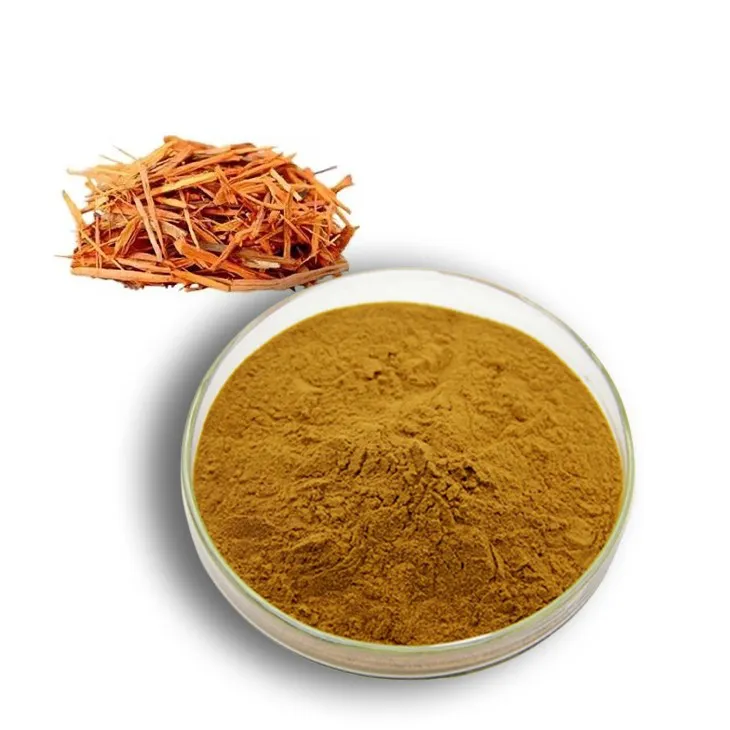
Yellow Pine Extract is derived from yellow pine trees, which are mainly distributed in certain regions. These trees have adapted to specific environmental conditions, which in turn influence the composition of the extract. The botanical source provides the first clue to understanding the potential properties and applications of the extract.
2.2 Chemical Composition
The chemical composition of Yellow Pine Extract is complex and diverse. It contains a variety of compounds such as flavonoids, terpenes, and phenolic acids. Flavonoids, for example, are known for their antioxidant properties, which can play a role in protecting against oxidative stress. Terpenes contribute to the characteristic aroma of the extract and may also have antimicrobial properties. Phenolic acids are involved in various biological activities, including anti - inflammatory effects.
2.3 Potential Benefits and Applications
Due to its chemical composition, Yellow Pine Extract has a wide range of potential benefits. In the cosmetic industry, it can be used in skin care products for its antioxidant and anti - inflammatory properties. It may help to improve skin elasticity and reduce signs of aging. In the pharmaceutical field, research is being conducted on its potential use in treating certain diseases. For example, its antimicrobial properties could be explored for the development of new antibiotics. In the food industry, it can be used as a natural preservative or flavor enhancer.
3. Sourcing Yellow Pine Extract

3.1 Natural Habitats and Harvesting
Yellow pine trees are typically found in forests. When sourcing Yellow Pine Extract, it is important to consider the natural habitats of these trees. Sustainable harvesting practices should be followed to ensure the long - term availability of the raw material. This may involve working with forestry management organizations or suppliers who adhere to ethical and environmental standards. For example, some areas may have regulations on the amount of trees that can be harvested each year to maintain the ecological balance.
3.2 Suppliers and Manufacturers
Finding reliable suppliers and manufacturers is crucial in procuring high - quality Yellow Pine Extract. Look for companies with a good reputation in the industry. Check their certifications, such as ISO certifications, which indicate that they follow international quality management standards. Additionally, consider suppliers who have experience in handling Yellow Pine Extract specifically. They are more likely to have the necessary knowledge and technology to ensure the quality of the extract.
3.3 Global Sourcing Considerations
Yellow Pine Extract can be sourced from different parts of the world. However, when considering global sourcing, there are several factors to take into account.
- Quality Variations: Different regions may produce Yellow Pine Extract with slightly different chemical compositions due to variations in soil, climate, and tree species. It is important to understand these differences and select the source that best meets your requirements.
- Regulations: Each country may have its own regulations regarding the harvesting, processing, and export of Yellow Pine Extract. Ensure that the supplier complies with all relevant regulations to avoid any legal issues.
- Logistics: Global sourcing may involve longer shipping times and more complex logistics. Consider the cost and reliability of transportation methods to ensure that the extract arrives in good condition.
4. Quality Assessment of Yellow Pine Extract
4.1 Physical Characteristics
The physical characteristics of Yellow Pine Extract can provide initial indications of its quality. This includes aspects such as color, odor, and consistency.
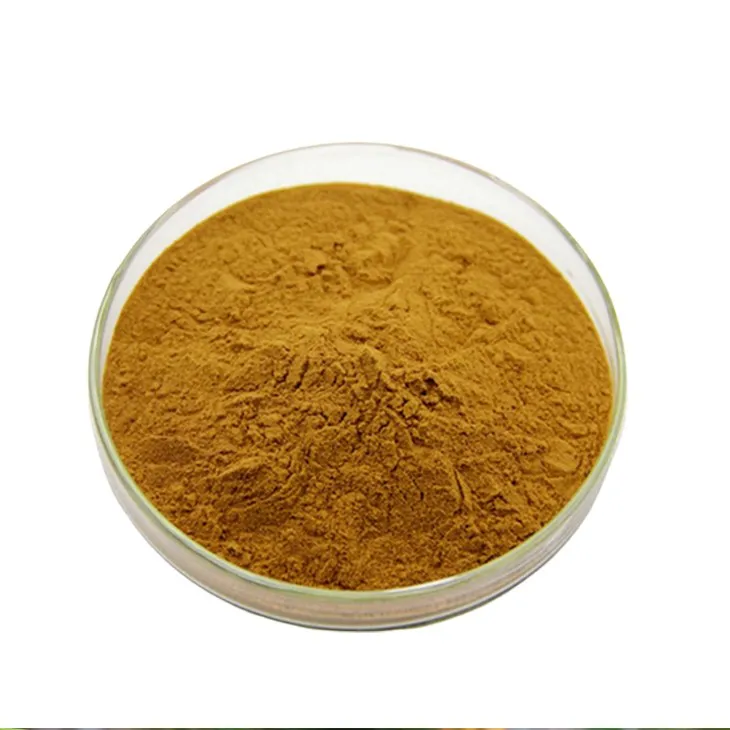
- Color: A consistent and characteristic color is expected. For example, if the extract is significantly darker or lighter than normal, it could be a sign of improper processing or contamination.
- Odor: The odor should be typical of Yellow Pine Extract, with a natural, resinous smell. Any off - odors may indicate spoilage or the presence of impurities.
- Consistency: The extract should have a uniform consistency. If it is too thick or too thin, it may affect its usability in different applications.
4.2 Chemical Analysis
Chemical analysis is essential for a more in - depth assessment of Yellow Pine Extract quality. This may involve techniques such as chromatography and spectroscopy.
- Chromatography: High - performance liquid chromatography (HPLC) can be used to separate and identify the different compounds in the extract. This helps to ensure that the expected compounds are present in the correct proportions.
- Spectroscopy: Infrared spectroscopy (IR) or ultraviolet - visible spectroscopy (UV - Vis) can provide information about the functional groups in the extract, which can be used to verify its authenticity and quality.
4.3 Microbiological Testing
Microbiological testing is necessary to ensure that the Yellow Pine Extract is free from harmful microorganisms. This includes testing for bacteria, fungi, and yeasts. The presence of these microorganisms can not only affect the quality of the extract but also pose a risk to the end - product and its consumers.
4.4 Purity and Contaminant Screening
Screening for purity and contaminants is crucial. This involves checking for the presence of heavy metals, pesticides, and other harmful substances. The use of contaminated Yellow Pine Extract can lead to serious health and safety issues in the final products.
5. Cost Considerations
When procuring Yellow Pine Extract, cost is an important factor. However, it should not be the sole determining factor. A lower - cost extract may seem attractive, but it could be of inferior quality. It is important to balance cost with quality. Consider the long - term implications of using a lower - quality extract, such as potential product recalls or loss of reputation. Compare prices from different suppliers, but also take into account the quality assessment criteria mentioned earlier.
6. Conclusion
Procuring the best Yellow Pine Extract requires a comprehensive approach. Understanding its properties, sourcing from reliable suppliers, and conducting thorough quality assessments are all essential steps. By following this effective guide, businesses and enthusiasts can ensure that they obtain high - quality Yellow Pine Extract that meets their specific needs, whether it is for cosmetic, pharmaceutical, or food applications.
FAQ:
What are the unique properties of Yellow Pine Extract?
Yellow Pine Extract is known for several unique properties. It often contains various bioactive compounds. For example, it may have antioxidant properties which can help in preventing oxidative damage. It may also possess anti - inflammatory components that can be beneficial for various applications. Additionally, Yellow Pine Extract might have certain antimicrobial effects, making it useful in the development of products with preservative qualities.
How can one find reliable sources for Yellow Pine Extract?
To find reliable sources of Yellow Pine Extract, start by researching well - established suppliers in the industry. Look for companies with a good reputation for quality control and ethical sourcing. Check for certifications such as GMP (Good Manufacturing Practice). You can also ask for referrals from other businesses or individuals who have experience with Yellow Pine Extract. Another option is to attend industry trade shows and events where you can meet suppliers in person and assess their credibility.
What are the key quality assessment criteria for Yellow Pine Extract?
The key quality assessment criteria for Yellow Pine Extract include purity. High - quality extract should be free from contaminants such as heavy metals, pesticides, and other impurities. The concentration of active ingredients is also important. This can be determined through laboratory analysis. Consistency in composition is another factor, ensuring that each batch of the extract has similar properties. Additionally, the extraction method used can affect the quality, so it's crucial to ensure that the supplier uses a reliable and proper extraction process.
Can Yellow Pine Extract be used in the food industry?
Yes, Yellow Pine Extract can potentially be used in the food industry. However, it must meet strict regulatory requirements. If it is to be used as a food additive or ingredient, it needs to be proven safe for consumption. This requires extensive testing for toxicity and any potential adverse effects. Also, it should not alter the taste, smell, or texture of the food in an unacceptable way while providing the desired functional properties such as antioxidant or preservative effects.
What are the potential applications of Yellow Pine Extract in the cosmetic industry?
In the cosmetic industry, Yellow Pine Extract can have several applications. Due to its antioxidant properties, it can be used in anti - aging products to protect the skin from free radical damage. Its anti - inflammatory components may be beneficial for treating skin conditions such as acne or irritation. It can also be added to hair care products as it may help in strengthening the hair shaft and promoting healthy hair growth.
Related literature
- The Properties and Applications of Yellow Pine Extracts in Modern Industries"
- "Yellow Pine Extract: Sourcing and Quality Assurance"
- "Utilizing Yellow Pine Extract in the Pharmaceutical and Cosmetic Sectors"


-

L-Arginine
2024-12-18
-

Withania Somnifera Extract
2024-12-18
-

Acerola Extract
2024-12-18
-

Bayberry Extract
2024-12-18
-

Shikone Extract
2024-12-18
-

Hawthorn powder
2024-12-18
-

Wheat Germ Extract
2024-12-18
-

Citrus bioflavonoids
2024-12-18
-

Genistein
2024-12-18
-

Hedyotis Diffusa Extract
2024-12-18