


1. Introduction
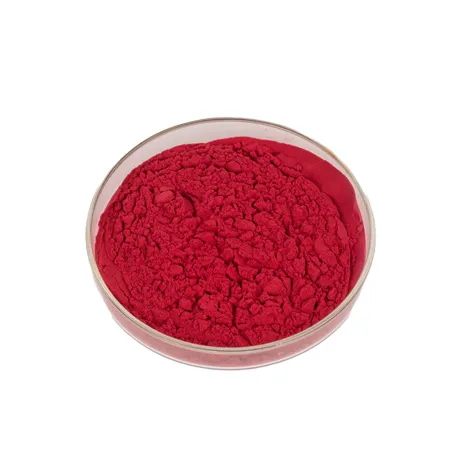
Cranberry Extract has gained significant popularity in recent years due to its numerous health benefits. It is rich in bioactive compounds such as proanthocyanidins, flavonoids, and organic acids. These compounds are responsible for its antioxidant, anti - inflammatory, and urinary tract health - promoting properties. The production of Cranberry Extract is a multi - step process that involves careful handling of the raw materials and the application of appropriate extraction techniques. This article will explore the various aspects of Cranberry Extract production in detail.
2. Raw Material Selection - Cranberries
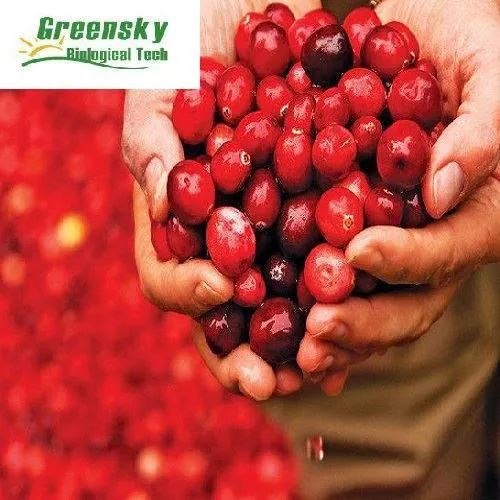
Quality cranberries are crucial for high - quality extract. The process of producing Cranberry Extract starts with the selection of the right raw materials.
2.1 Harvesting
The harvesting of cranberries is a critical step in ensuring the quality of the extract. Only ripe and healthy cranberries should be picked. Cranberries are typically harvested in the fall when they have reached their optimal ripeness. The harvesting methods can vary, including wet harvesting and dry harvesting. Wet harvesting involves flooding the cranberry bogs and using machinery to collect the floating berries. This method is often used for large - scale commercial production. Dry harvesting, on the other hand, involves using mechanical pickers to directly remove the berries from the vines. This method is more suitable for smaller - scale operations or when the berries are intended for fresh consumption as well as for extract production.

2.2 Sorting
Once the cranberries are harvested, they need to be sorted. Sorting helps to remove any unripe, damaged, or diseased berries. This is usually done using mechanical sorting equipment that can distinguish between berries based on size, color, and density. By removing the sub - standard berries, the overall quality of the raw material for extract production is improved.
3. Pre - processing of Cranberries
After sorting, the cranberries undergo pre - processing steps that prepare them for extraction.
3.1 Washing
The cranberries are washed thoroughly to remove any dirt, debris, or pesticides that may be present on their surfaces. This is an important step in ensuring the purity of the extract. The washing process should be gentle enough not to damage the berries but effective enough to remove contaminants.

3.2 Maceration
Maceration is a key pre - processing step. It involves breaking down the cell walls of the cranberries to release the bioactive compounds within. This can be achieved through mechanical means such as grinding or crushing the berries. Maceration helps to increase the surface area of the cranberries, making it easier for the extraction solvents to access the desired compounds during the subsequent extraction process.
4. Extraction Methods
There are several extraction methods available for obtaining Cranberry Extract, each with its own advantages and disadvantages.
4.1 Enzymatic extraction
Enzymatic extraction is a popular method. In this process, specific enzymes are used to break down the complex polysaccharides and other substances in cranberries. These enzymes target the cell wall components and help to release the bioactive compounds more efficiently. For example, cellulase and pectinase enzymes are often used in enzymatic extraction of Cranberry Extract.
- The use of enzymes can increase the yield of the extract by making more of the bioactive compounds accessible.
- It also allows for a more targeted extraction, as the enzymes can be selected based on the specific compounds to be released.
- However, enzymatic extraction requires careful control of the enzyme concentration, temperature, and pH to ensure optimal activity.
4.2 Microwave - assisted extraction
Microwave - assisted extraction is another effective method. This method uses microwave energy to speed up the extraction process.
- The microwave energy causes the molecules in the cranberries to vibrate, which in turn generates heat. This heat helps to break down the cell walls and release the bioactive compounds more quickly compared to traditional extraction methods.
- Microwave - assisted extraction can significantly reduce the extraction time, which is beneficial for large - scale production.
- However, it requires specialized equipment and careful control of the microwave power and exposure time to avoid over - heating and degradation of the bioactive compounds.
4.3 Solvent extraction
Solvent extraction is a traditional method that has been used for a long time in the extraction of Cranberry Extract.
- In this method, a suitable solvent such as ethanol, water, or a mixture of both is used to dissolve the bioactive compounds from the cranberries.
- Ethanol - based solvents are often preferred as they can dissolve a wide range of compounds and are relatively safe for use in food - and supplement - related products.
- However, solvent extraction requires careful removal of the solvent after the extraction process to ensure that no residual solvent remains in the final extract, which could be harmful if consumed.
5. Post - extraction Processing
After the extraction process, the Cranberry Extract undergoes further processing to refine it and make it suitable for various applications.
5.1 Filtration
Filtration is an essential post - extraction step. The resulting extract from the extraction process contains solid residues such as cell debris and undissolved particles. Filtration is used to remove these solid residues, resulting in a clear and pure extract. Different types of filters can be used, such as filter papers, membrane filters, or filter cartridges, depending on the scale of production and the desired level of purity.
5.2 Evaporation
After filtration, the Cranberry Extract usually has a relatively high water content. Evaporation is carried out to reduce the water content and increase the concentration of the active ingredients. This can be done using techniques such as vacuum evaporation or rotary evaporation.
- Vacuum evaporation is often preferred as it allows for lower - temperature evaporation, which helps to preserve the bioactive compounds that may be sensitive to high temperatures.
- By reducing the water content, the extract becomes more concentrated, which is beneficial for its use in dietary supplements and functional foods where a higher concentration of active ingredients is desired.
5.3 Drying
Drying is the final step in post - extraction processing. The Cranberry Extract is dried to obtain a stable and easy - to - store product. There are two main drying methods commonly used: freeze - drying and spray - drying.
- Freeze - drying: In freeze - drying, the extract is frozen first and then the water is removed under vacuum. This method helps to preserve the structure and bioactivity of the bioactive compounds as it minimizes the exposure to high temperatures. Freeze - dried Cranberry Extract has a long shelf - life and can be easily reconstituted when needed.
- Spray - drying: Spray - drying involves spraying the extract into a hot air stream. The water in the extract evaporates quickly, leaving behind a dry powder. Spray - drying is a more rapid and cost - effective method compared to freeze - drying, but it may cause some loss of bioactivity due to the exposure to higher temperatures for a short period.
6. Quality Control in Cranberry Extract Production
Quality control is an integral part of Cranberry Extract production to ensure that the final product meets the required standards for safety and efficacy.
6.1 Raw Material Testing
Before the production process begins, the cranberries are tested for various parameters such as their chemical composition, pesticide residues, and microbial contamination. Only cranberries that pass these tests are used for extract production.
6.2 In - process Monitoring
During the production process, various parameters are monitored continuously. For example, in enzymatic extraction, the enzyme activity, temperature, and pH are monitored to ensure that the extraction is proceeding optimally. In microwave - assisted extraction, the microwave power and exposure time are monitored to prevent over - heating.
6.3 Final Product Testing
Once the Cranberry Extract has been produced, it undergoes comprehensive testing. This includes testing for the presence and concentration of bioactive compounds, such as proanthocyanidins and flavonoids. The extract is also tested for safety parameters such as heavy metal content, microbial limits, and residual solvent levels. Only products that pass all these tests are released for use in dietary supplements, functional foods, and skincare products.
7. Applications of Cranberry Extract
Cranberry Extract has a wide range of applications due to its beneficial properties.
7.1 Dietary Supplements
In dietary supplements, Cranberry Extract is used for its antioxidant and urinary tract health - promoting properties. It is often formulated in capsules, tablets, or liquid forms and is consumed by individuals looking to support their overall health and well - being.
7.2 Functional Foods
Cranberry Extract is also added to functional foods such as juices, yogurts, and cereals. It can enhance the nutritional value of these foods and provide additional health benefits to consumers. For example, cranberry - flavored yogurts with added Cranberry Extract can offer both the taste of cranberries and the health benefits associated with the extract.
7.3 Skincare Products
The antioxidant and anti - inflammatory properties of Cranberry Extract make it suitable for use in skincare products. It can be found in creams, lotions, and serums, where it helps to protect the skin from oxidative stress, reduce inflammation, and improve skin complexion.
8. Conclusion
The production of Cranberry Extract is a complex process that involves multiple steps from raw material selection to final product drying and quality control. Each step is crucial in ensuring the production of a high - quality extract that can be used in various applications. With the increasing demand for natural products with health benefits, Cranberry Extract is likely to continue to gain popularity in the future.
FAQ:
What are the main steps in the production of Cranberry Extract?
The main steps include harvesting ripe and healthy cranberries, pre - processing with sorting, macerating the cranberries, using extraction methods such as enzymatic extraction or microwave - assisted extraction, filtering the extract to remove solid residues, evaporating to reduce water content and increase active ingredient concentration, and finally drying (either by freeze - drying or spray - drying) to obtain a stable product.
Why is sorting important in the pre - processing of cranberries for extract production?
Sorting is important because it ensures that only ripe and healthy cranberries are used for extraction. This helps to maintain the quality of the final Cranberry Extract as unripe or damaged cranberries may contain lower levels of bioactive compounds or may introduce contaminants.
How does enzymatic extraction work in Cranberry Extract production?
In enzymatic extraction, specific enzymes are used. These enzymes break down the complex polysaccharides and other substances in cranberries. By doing so, they facilitate the release of the desired extract which contains bioactive compounds.
What is the advantage of microwave - assisted extraction in Cranberry Extract production?
The advantage of microwave - assisted extraction is that it uses microwave energy to speed up the extraction process. This can be more time - efficient compared to other extraction methods, while still being able to extract the bioactive compounds effectively.
Why is drying necessary in the production of Cranberry Extract?
Drying, such as freeze - drying or spray - drying, is necessary to obtain a stable and easy - to - store product. It reduces the water content, which helps in preventing spoilage and allows for better preservation of the active ingredients in the Cranberry Extract.
Related literature
- Cranberry Extract: Production, Properties and Applications"
- "Advanced Techniques in Cranberry Extract Manufacturing"
- "The Science behind Cranberry Extract Production"


-

Black Garlic Extract
2024-12-11
-

Dandelion Leaf Extract
2024-12-11
-

Agaricus Blazei Extract
2024-12-11
-

Acerola Extract
2024-12-11
-

Jujube Extract
2024-12-11
-

D-Mannose
2024-12-11
-

Green coffee bean Extract
2024-12-11
-

Fig Extract
2024-12-11
-

Dan Shen Root Extract/Salvia Root Extract
2024-12-11
-

Sea buckthorn Juice Powder
2024-12-11