


1. Introduction to Curcumin
Curcumin is a highly valuable compound that has found wide applications in various fields. It is known for its antioxidant, anti - inflammatory, and potential medicinal properties. Due to these beneficial characteristics, there is a growing demand for Curcumin production.
2. Extraction from Turmeric
2.1 Preparation of Turmeric
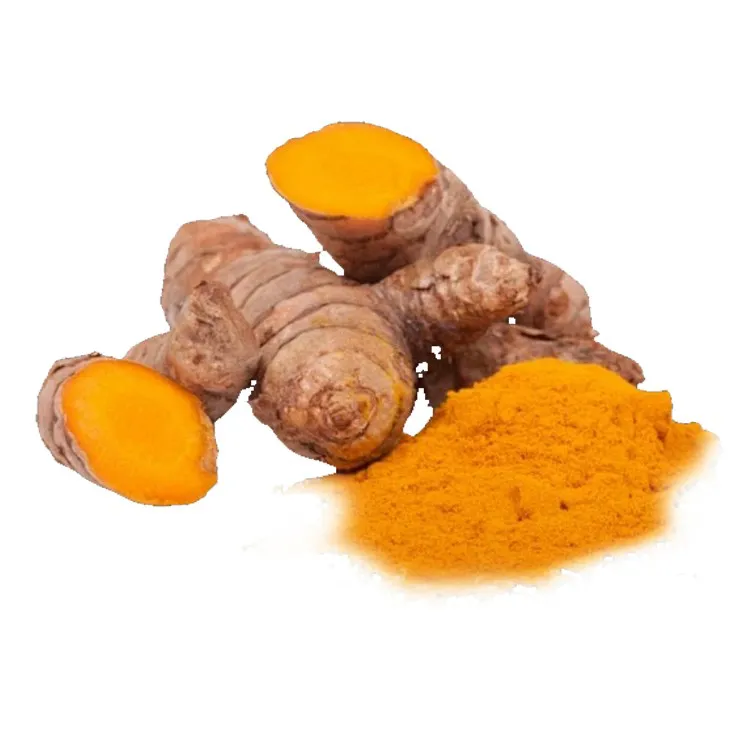
The extraction of Curcumin from turmeric is a traditional and commonly used method. Turmeric, which contains about 2 - 8% Curcumin, serves as the primary source. The process typically starts with cleaning and drying the turmeric. This initial step is crucial as it helps to remove impurities and moisture, which can affect the extraction efficiency.

2.2 Solvent - based Extraction
After the preparation of turmeric, solvents are used for extraction. Methanol - based extraction is one of the popular options. This method can extract Curcumin along with other Curcuminoids. However, the extract obtained through this process is a mixture and requires further purification.

2.3 Purification
To obtain pure Curcumin, chromatography techniques are employed for purification. Chromatography allows for the separation of Curcumin from other components present in the extract. This step is essential to ensure the high quality and purity of the final Curcumin product.3. Enzymatic Extraction

3.1 Role of Enzymes
Enzymatic extraction is another approach in Curcumin production. Enzymes can play a significant role in this process. They are used to break down the cell walls of turmeric more effectively compared to traditional extraction methods. By doing so, they can improve the extraction yield of Curcumin.
3.2 Specific Enzymes
For example, cellulase and pectinase can be applied. Cellulase helps in breaking down the cellulose present in the cell walls, while pectinase acts on pectin. The combined action of these enzymes can enhance the release of Curcumin from turmeric, resulting in a higher yield.4. Metabolic Engineering for Curcumin Production

4.1 Concept of Metabolic Engineering
Metabolic engineering for Curcumin production is an emerging and promising area. This method involves modifying the metabolic pathways in microorganisms or plants. By making specific genetic modifications, the production of Curcumin can be increased.
4.2 Microorganisms and Plants as Hosts
Both microorganisms and plants can serve as hosts for metabolic engineering. In microorganisms, genetic engineering techniques can be used to introduce genes responsible for Curcumin biosynthesis. In plants, similar genetic modifications can be made to enhance the production of Curcumin within the plant cells.
4.3 Potential for Future Production
This method holds great promise for future large - scale and sustainable production of Curcumin. It can potentially overcome some of the limitations associated with traditional extraction methods, such as limited availability of turmeric and relatively low extraction yields.5. Comparison of Different Production Methods
5.1 Yield and Purity
- Extraction from Turmeric: The yield of Curcumin extraction from turmeric can be relatively low, especially when compared to metabolic engineering methods in the long run. However, with proper purification techniques, high - purity Curcumin can be obtained. - Enzymatic Extraction: Enzymatic extraction can improve the yield compared to simple solvent extraction from turmeric. The purity of the final product is also comparable to that of traditional extraction followed by purification. - Metabolic Engineering: Metabolic engineering has the potential to achieve high yields of Curcumin, especially when optimized. The purity of the product can also be controlled through proper downstream processing.
5.2 Cost and Scalability
- Extraction from Turmeric: The cost of extraction from turmeric mainly depends on the cost of raw materials (turmeric), solvents, and purification processes. Scaling up this method can be challenging due to the limited availability of high - quality turmeric. - Enzymatic Extraction: Enzymatic extraction may have an additional cost associated with the enzymes used. However, it can be more scalable compared to traditional extraction as it can potentially increase the yield from a given amount of turmeric. - Metabolic Engineering: Initial investment in metabolic engineering can be high due to the need for genetic modification technologies and research. But in the long run, it has the potential for large - scale and cost - effective production.
5.3 Sustainability
- Extraction from Turmeric: The sustainability of this method depends on the sustainable cultivation of turmeric. Over - exploitation of turmeric resources can lead to environmental and supply - chain issues. - Enzymatic Extraction: Enzymatic extraction can be considered more sustainable as it can make better use of the available turmeric resources by increasing the yield. - Metabolic Engineering: Metabolic engineering offers a potentially sustainable solution as it can be designed to use renewable resources and reduce the dependence on large - scale turmeric cultivation.6. Conclusion
In conclusion, Curcumin production encompasses a variety of techniques, each with its own advantages and challenges. The traditional extraction from turmeric remains an important method, but enzymatic extraction and metabolic engineering are emerging as promising alternatives. As the demand for Curcumin continues to grow, further research and development in these production methods will be crucial to meet the market requirements in terms of quantity, quality, and sustainability.
FAQ:
What are the main solvents used in the traditional Curcumin extraction from turmeric?
One of the main solvents used in the traditional Curcumin extraction from turmeric is methanol. Methanol - based extraction can extract Curcumin along with other Curcuminoids.
How does enzymatic extraction improve the yield of Curcumin?
Enzymes such as cellulase and pectinase can be used in enzymatic extraction. These enzymes can break down the cell walls of turmeric more effectively, which helps in improving the extraction yield of Curcumin.
What is the potential of metabolic engineering in Curcumin production?
Metabolic engineering has great potential in Curcumin production. By modifying the metabolic pathways in microorganisms or plants, the production of Curcumin can be increased. This method is promising for future large - scale and sustainable production of Curcumin.
What is the typical percentage of Curcumin in turmeric?
Turmeric typically contains about 2 - 8% Curcumin.
Why is purification required after the extraction of Curcumin?
When Curcumin is extracted using methods like methanol - based extraction, it is extracted along with other Curcuminoids. So, purification through chromatography techniques is required to obtain pure Curcumin.
Related literature
TAGS:


-

Ginseng Root Extract
2024-12-18
-

Bitter Melon Extract
2024-12-18
-

Rosemary extract
2024-12-18
-

Diosmin
2024-12-18
-

Green coffee bean Extract
2024-12-18
-

Feverfew Extract
2024-12-18
-

Vitamin D3
2024-12-18
-

Wheat Germ Extract
2024-12-18
-

L-carnitine
2024-12-18
-

Dandelion Root Extract
2024-12-18