


1. Introduction
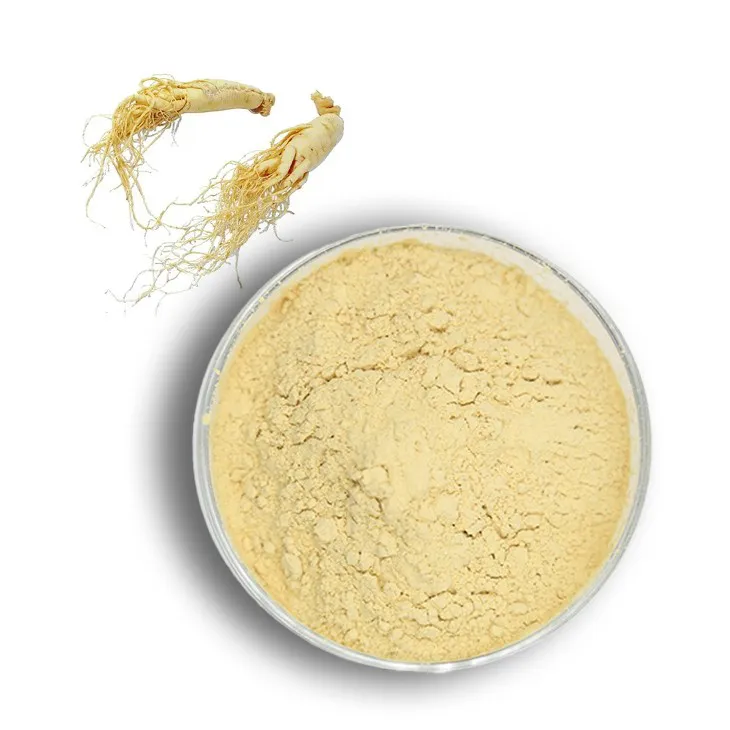
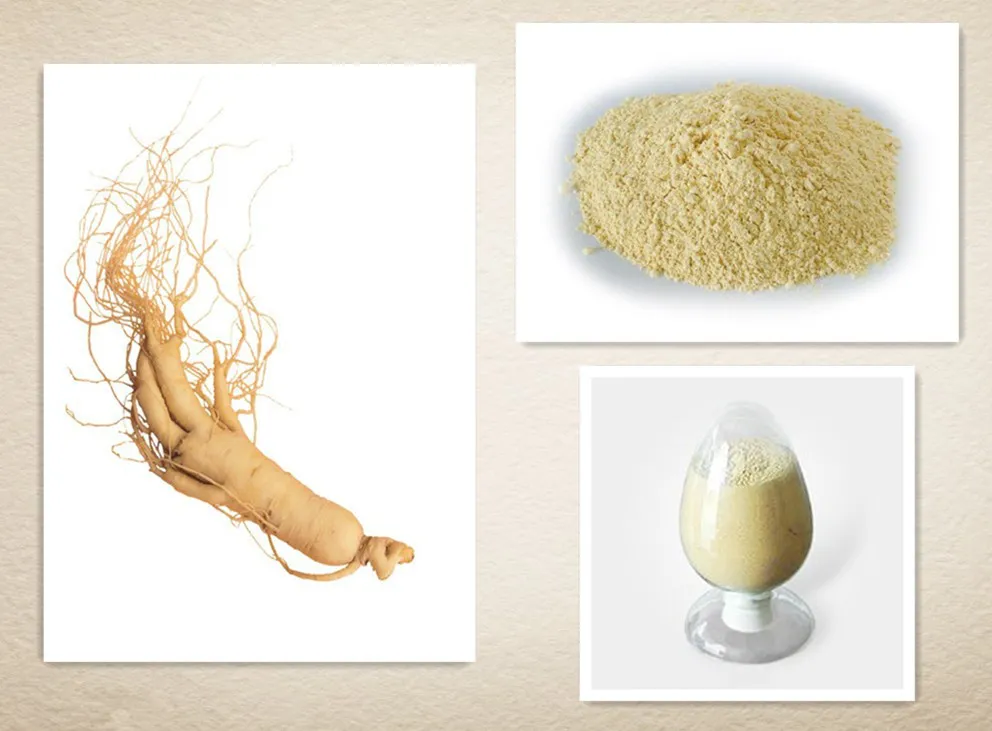
Ginseng has been highly regarded in traditional medicine for centuries, known for its numerous health - promoting properties. Ginseng Root Extract is a concentrated form of the beneficial components present in the ginseng root. In modern nutraceutical and pharmaceutical industries, the processing of Ginseng Root Extract, especially the reduction of particle size, has become a crucial aspect.
2. The Importance of Reducing Particle Size
2.1 Better Dispersion
When the particle size of Ginseng Root Extract is reduced, it can be more evenly distributed in various formulations. For example, in a powdered nutraceutical product, smaller particles will not clump together as easily as larger ones. This ensures that each dose contains a consistent amount of the active ingredients. In liquid formulations, reduced - size particles can stay suspended for a longer time, preventing sedimentation. A well - dispersed extract is essential for accurate dosing and product quality control.
2.2 Improved Solubility
Smaller particles have a larger surface - to - volume ratio. This characteristic significantly enhances the solubility of Ginseng Root Extract. Increased solubility means that more of the active compounds can be dissolved in a given solvent, such as water or an appropriate organic solvent. For pharmaceutical applications, better solubility can lead to improved bioavailability. When a drug or nutraceutical is more soluble, it can be more easily absorbed by the body, thus maximizing its therapeutic or health - promoting effects.

2.3 Enhanced Utilization of Active Ingredients
The active ingredients in ginseng root, such as ginsenosides, are the key components responsible for its health benefits. By reducing the particle size, these active ingredients can be more effectively released and utilized. In traditional processing, larger particles may encapsulate the active ingredients, limiting their exposure to the body's absorption mechanisms. However, with smaller particles, the active ingredients are more accessible, which is especially important for products aimed at delivering specific health benefits, such as improving cognitive function or enhancing immune system.
3. Methods for Reducing Particle Size

3.1 Mechanical Milling
- Ball Milling: This is a common mechanical milling method. In ball milling, small balls (usually made of steel, ceramic, or other materials) are placed in a container along with the Ginseng Root Extract. As the container rotates, the balls collide with the extract particles, gradually reducing their size. Ball milling can be adjusted by controlling factors such as the rotation speed, the number and size of the balls, and the milling time. However, it should be noted that excessive milling may introduce impurities or cause over - heating, which could potentially damage the active ingredients.
- Jet Milling: Jet milling uses high - velocity jets of gas (usually compressed air or nitrogen) to impact and break down the particles of Ginseng Root Extract. The high - speed gas streams create intense shearing forces that reduce the particle size. Jet milling is often favored for its ability to produce very fine particles with a narrow size distribution. It is also a relatively clean process, minimizing the risk of contamination compared to some other milling methods.

3.2 Micronization
Micronization is a process specifically designed to produce particles in the micron - size range. It often involves specialized equipment that uses various physical forces to break down the particles. For Ginseng Root Extract, micronization can significantly improve its physical and chemical properties. For example, it can enhance the appearance of the extract in cosmetic products by making it smoother and more uniform. In addition, micronized Ginseng Root Extract may have different rheological properties, which can be beneficial for formulating products with specific textures.
3.3 Ultrasonic Processing
Ultrasonic waves can be applied to Ginseng Root Extract to reduce particle size. The ultrasonic energy creates cavitation bubbles in the liquid medium containing the extract. When these bubbles collapse, they generate intense local pressure and temperature changes. These changes can break down the particles of the extract. Ultrasonic processing is a non - invasive and relatively gentle method. It can be used in combination with other particle - size - reduction methods to achieve more precise control over the final particle size. Moreover, ultrasonic processing can also enhance the mixing and dispersion of the extract during the particle - size - reduction process.
4. Challenges in Reducing Particle Size
4.1 Maintaining Active Ingredient Integrity
During the process of reducing particle size, there is a risk of damaging the active ingredients in Ginseng Root Extract. For example, some milling methods may generate heat, which could cause the degradation of heat - sensitive ginsenosides. Therefore, it is crucial to optimize the processing conditions to ensure that the active ingredients retain their biological activity and chemical structure. This may involve careful control of temperature, milling time, and the use of appropriate protective agents if necessary.
4.2 Controlling Particle Size Distribution
Obtaining a uniform particle size distribution is a challenge. Different processing methods may produce particles with a wide range of sizes. Inconsistent particle size can affect the performance of the Ginseng Root Extract in products. For example, in a pharmaceutical tablet, if the particle size distribution is too broad, it may lead to problems such as poor compaction or variable dissolution rates. To address this issue, advanced monitoring and control techniques are required, such as laser diffraction for particle - size analysis and feedback control systems to adjust the processing parameters in real - time.
4.3 Cost - effectiveness
Some of the more advanced particle - size - reduction methods, such as micronization and ultrasonic processing, may be relatively expensive in terms of equipment and operation costs. For the commercial production of Ginseng Root Extract, cost - effectiveness is an important consideration. Manufacturers need to balance the quality improvements achieved by reducing particle size with the associated costs. This may involve exploring alternative processing methods, optimizing production scale, or finding ways to reuse or recycle processing materials to reduce overall costs.
5. Applications in Nutraceutical and Pharmaceutical Products
5.1 Nutraceuticals
- In dietary supplements, reduced - particle - size Ginseng Root Extract can be more easily incorporated into capsules or tablets. It can also improve the taste and texture of the final product. For example, a finer extract may dissolve more quickly in the mouth, reducing the unpleasant "gritty" feeling often associated with larger - particle supplements.
- For functional foods, Ginseng Root Extract with smaller particles can be more evenly distributed in food matrices. This ensures that consumers receive a consistent dose of the active ingredients with each serving. For instance, in energy bars or drinks, the extract can be added in a more soluble form, enhancing its bioavailability and the overall health - promoting effect of the product.
5.2 Pharmaceuticals
- In drug formulations, the improved solubility and dispersion of Ginseng Root Extract achieved by reducing particle size can enhance drug delivery. For example, in a transdermal patch, a more soluble extract can be more effectively absorbed through the skin. In oral medications, smaller particles can lead to faster dissolution and absorption in the gastrointestinal tract, which is crucial for drugs with a short half - life or those requiring rapid onset of action.
- For injectable formulations, reducing the particle size of Ginseng Root Extract can also be beneficial. Finer particles may reduce the risk of clogging needles and improve the injectability of the product. Moreover, in some cases, smaller particles can enhance the stability of the formulation in the injection solution.
6. Future Perspectives
As the demand for high - quality Ginseng Root Extract products continues to grow, the development of more efficient and precise particle - size - reduction techniques will be essential. Research efforts are likely to focus on combining different processing methods to achieve optimal results while minimizing the negative impacts on active ingredients. In addition, the development of in - line monitoring and control systems will become more important to ensure consistent particle size distribution and product quality. With the advancement of nanotechnology, there may also be opportunities to further reduce the particle size of Ginseng Root Extract to the nanoscale, which could open up new possibilities for drug delivery and nutraceutical applications.
FAQ:
1. What are the main benefits of reducing the particle size of Ginseng Root Extract?
Reducing the particle size of Ginseng Root Extract offers several benefits. Firstly, it improves dispersion, allowing the extract to spread more evenly in a solution or mixture. Secondly, it enhances solubility, which is crucial for better absorption of the active ingredients. This, in turn, leads to more effective utilization of the beneficial components present in ginseng root for the development of nutraceutical and pharmaceutical products.
2. What methods are commonly used to reduce the particle size of Ginseng Root Extract?
Common methods for reducing the particle size of Ginseng Root Extract include milling techniques such as ball milling, jet milling, and high - pressure homogenization. Ball milling involves the use of balls within a container to crush the particles. Jet milling uses high - velocity jets of gas to break down the particles. High - pressure homogenization forces the extract through a small orifice at high pressure, reducing the particle size.
3. How does reduced particle size affect the bioavailability of Ginseng Root Extract?
The reduced particle size of Ginseng Root Extract can significantly enhance its bioavailability. Smaller particles have a larger surface area to volume ratio. This increased surface area allows for more rapid dissolution and absorption in the body. As a result, the active ingredients in the extract can be more readily available for biological processes, improving their effectiveness in nutraceutical and pharmaceutical applications.
4. Are there any challenges associated with reducing the particle size of Ginseng Root Extract?
Yes, there are challenges. One challenge is the potential for over - processing, which may damage the active ingredients. Maintaining the integrity of the bioactive compounds during particle size reduction is crucial. Another challenge is the cost associated with the equipment and processes used for reducing the particle size. Additionally, ensuring the reproducibility of the particle size reduction process can also be difficult.
5. How can the quality of Ginseng Root Extract be maintained during particle size reduction?
To maintain the quality of Ginseng Root Extract during particle size reduction, careful control of the processing parameters is essential. This includes factors such as temperature, pressure, and processing time. Using gentle processing methods and appropriate protective agents can also help prevent damage to the active ingredients. Quality control tests, such as assays for the main active components, should be carried out regularly during and after the particle size reduction process.
Related literature
- Advanced Processing Techniques for Ginseng Extract Optimization"
- "Particle Size Reduction in Herbal Extracts: A Case Study of Ginseng"
- "The Impact of Particle Size on the Efficacy of Ginseng Root Extract in Pharmaceutical Applications"


-

Sophora Japonica Flower Extract
2024-12-06
-

Feverfew Extract
2024-12-06
-

Acerola Extract
2024-12-06
-

Genistein
2024-12-06
-

Polygonum Cuspidatum Extract
2024-12-06
-

Alfalfa Meal
2024-12-06
-

Calendula Extract
2024-12-06
-

Nutmeg Extract
2024-12-06
-

Hawthorn powder
2024-12-06
-

Bayberry Extract
2024-12-06