


1. Introduction
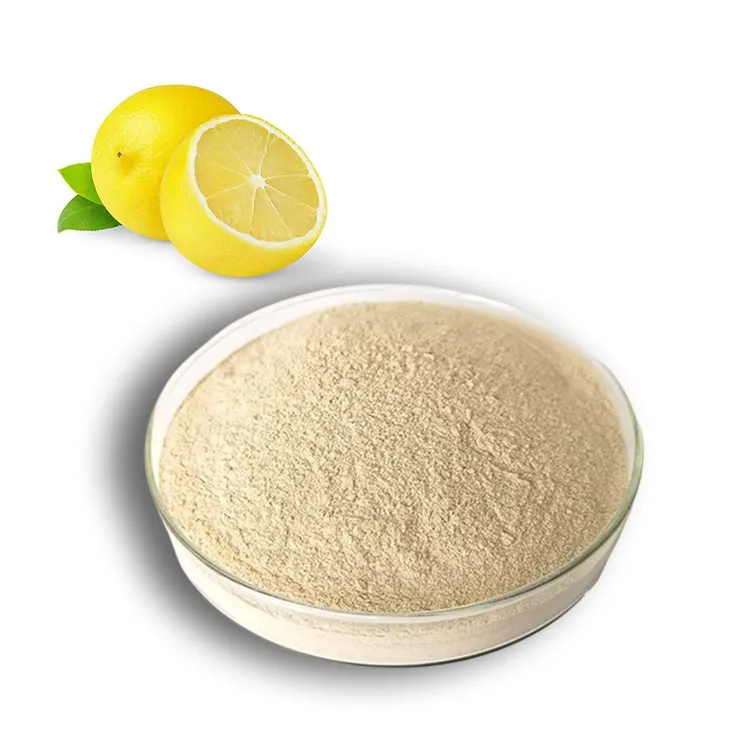
Lemon Extract has been garnering significant attention in recent years due to its diverse range of potential applications. Lemons, known scientifically as Citrus limon, are rich in various bioactive compounds that can be extracted and utilized in different industries. This article aims to comprehensively explore the prospects of Lemon Extract in food, cosmetics, and pharmaceuticals, as well as its processing status, including traditional and modern techniques, along with the associated challenges and opportunities.
2. Prospects of Lemon Extract
2.1 In the Food Industry
Lemon Extract has a wide array of applications in the food industry. Firstly, it is a natural flavor enhancer. The characteristic tangy and citrusy flavor of Lemon Extract can add a refreshing note to a variety of food products. For example, it is commonly used in the production of desserts such as lemon tarts, cakes, and ice creams. The extract imparts a bright and zesty flavor that is highly appealing to consumers.
Secondly, Lemon Extract can act as a preservative. The acidic nature of lemons, which is carried over to the extract, helps in inhibiting the growth of certain spoilage microorganisms. This property makes it a valuable ingredient in products like jams, jellies, and pickles. It not only contributes to the flavor but also extends the shelf - life of these food items.
Moreover, with the increasing consumer demand for natural and healthy food ingredients, Lemon Extract fits the bill perfectly. It is a source of vitamins, particularly Vitamin C, and antioxidants. Incorporating Lemon Extract into beverages like lemonades, herbal teas, and fruit juices not only enhances the taste but also provides some nutritional benefits.
2.2 In the Cosmetics Industry
The use of Lemon Extract in the cosmetics industry is also on the rise. Lemon Extract has natural bleaching and exfoliating properties. In skin - care products, it can be used to lighten dark spots, hyperpigmentation, and acne scars. For example, many facial creams and serums contain Lemon Extract as an active ingredient for skin brightening.
As an exfoliant, Lemon Extract helps in removing dead skin cells, leaving the skin smoother and more radiant. It is often found in scrubs and peels. Additionally, the antibacterial properties of Lemon Extract make it suitable for use in acne - fighting products. It can help in reducing the bacteria on the skin's surface that contribute to acne formation.
In hair - care products, Lemon Extract can add shine and manageability to the hair. It can also help in treating dandruff due to its antifungal properties. Lemon - scented shampoos and conditioners are popular among consumers who prefer natural - smelling hair products.

2.3 In the Pharmaceuticals Industry
Lemon Extract has shown potential in the pharmaceutical field as well. Its antioxidant properties may play a role in preventing oxidative stress - related diseases. Some studies suggest that the compounds in Lemon Extract could have anti - inflammatory effects, which could be beneficial in treating conditions such as arthritis.
The antimicrobial properties of Lemon Extract can also be harnessed in the development of topical medications for treating skin infections. Additionally, Lemon Extract may have potential in digestive health. It could stimulate the production of digestive juices and help in relieving indigestion and bloating.
3. Processing Status of Lemon Extract

3.1 Traditional Processing Techniques
Traditional processing of Lemon Extract often involves simple extraction methods. One common traditional method is the use of cold - pressing. In this process, lemons are cut and the juice is extracted using mechanical pressure. The resulting juice contains a significant amount of the bioactive compounds present in lemons and can be considered a form of Lemon Extract.
Another traditional technique is maceration. Lemons are chopped and soaked in a solvent, usually ethanol or water, for a period of time. The solvent extracts the desired compounds from the lemon pulp and peel. After maceration, the liquid is filtered to obtain the Lemon Extract. However, traditional methods may have limitations in terms of efficiency and the purity of the extract obtained.

3.2 Modern Processing Techniques
Modern processing techniques for Lemon Extract have advanced significantly. Supercritical fluid extraction (SFE) is one such technique. In SFE, supercritical carbon dioxide is used as a solvent. This method offers several advantages. It can operate at relatively low temperatures, which helps in preserving the heat - sensitive compounds in Lemon Extract. It also allows for a high degree of selectivity, enabling the extraction of specific compounds with high purity.
Another modern technique is microwave - assisted extraction (MAE). Microwave energy is used to heat the lemon material and the solvent, which accelerates the extraction process. MAE is known for its rapid extraction time and can also result in a relatively high - quality extract. Additionally, enzymatic extraction is being explored. Enzymes are used to break down the cell walls of lemons, facilitating the release of bioactive compounds, and then the extract is obtained through a subsequent separation process.
4. Challenges in Processing Lemon Extract
Despite the advancements in processing techniques, there are still several challenges in processing Lemon Extract. One of the main challenges is the variability in the quality of raw lemons. Factors such as the variety of lemon, the growing conditions, and the time of harvest can significantly affect the composition of the extract. For example, lemons grown in different regions may have different levels of bioactive compounds.
Another challenge is the extraction of specific compounds. While modern techniques offer selectivity to some extent, it can still be difficult to isolate and purify certain valuable compounds from Lemon Extract. This is particularly important in the pharmaceutical industry where high - purity compounds are often required for drug development.
Cost is also a factor. Some of the modern processing techniques, such as supercritical fluid extraction, can be relatively expensive due to the equipment and operating costs involved. This may limit the widespread adoption of these techniques, especially for small - scale producers.
5. Opportunities in Processing Lemon Extract
There are numerous opportunities in the processing of Lemon Extract. With the growing demand for natural products, there is a market opportunity for producers to develop high - quality Lemon Extract products. The increasing interest in research on lemon bioactive compounds also presents an opportunity for innovation in processing techniques.
Collaboration between different industries, such as food, cosmetics, and pharmaceuticals, can lead to the development of multi - functional Lemon Extract products. For example, a product that can be used both as a food ingredient and a cosmetic ingredient could be developed. Additionally, the expansion of the global market for natural products provides an opportunity for Lemon Extract producers to reach a wider customer base.
6. Conclusion
In conclusion, Lemon Extract has a bright future with broad prospects in food, cosmetics, and pharmaceuticals. The processing of Lemon Extract has evolved from traditional to modern techniques, each with its own advantages and limitations. While there are challenges in processing, such as variability in raw materials and cost, there are also significant opportunities for growth and innovation. As research on Lemon Extract continues and consumer demand for natural products persists, it is expected that the Lemon Extract industry will continue to develop and expand in the coming years.
FAQ:
1. What are the main applications of Lemon Extract in the food industry?
Lemon Extract is widely used in the food industry. It can be used as a natural flavoring agent, adding a fresh and tangy lemon flavor to various products such as beverages, desserts, and candies. It also has preservative properties, which can help extend the shelf life of some food items.
2. How is Lemon Extract used in cosmetics?
In cosmetics, Lemon Extract is valued for its various properties. It can be used for its antioxidant properties, which help protect the skin from free radical damage. It is also often used for its astringent qualities, which can help tighten pores and improve the overall appearance of the skin. Additionally, its refreshing scent makes it a popular ingredient in many skincare and haircare products.
3. What are the important compounds in Lemon Extract for pharmaceutical applications?
Lemon Extract contains several important compounds for pharmaceutical applications. Citric acid is one of the main components, which has antioxidant and chelating properties. Flavonoids present in Lemon Extract, such as Hesperidin and Diosmin, have anti - inflammatory and antioxidant effects. These compounds can potentially be used in the development of drugs for various health conditions.
4. What are the traditional processing techniques for Lemon Extract?
Traditional processing techniques for Lemon Extract often involve simple extraction methods. One common method is cold - pressing, where the juice is extracted from lemons without the use of heat. Another traditional approach is maceration, where lemon peels or whole lemons are soaked in a solvent (such as alcohol or oil) for a period of time to extract the desired compounds.
5. What are the modern processing techniques for Lemon Extract?
Modern processing techniques for Lemon Extract include more advanced extraction methods. Supercritical fluid extraction is one such technique, which uses supercritical carbon dioxide to extract compounds from lemons. This method is often more efficient and can produce a higher - quality extract. Another modern approach is microwave - assisted extraction, which uses microwave energy to speed up the extraction process while maintaining the integrity of the compounds.
6. What are the challenges in the processing of Lemon Extract?
There are several challenges in the processing of Lemon Extract. One challenge is the variability in the quality and composition of lemons, which can affect the consistency of the extract. Another challenge is the extraction efficiency, especially when trying to obtain high - value compounds. Additionally, ensuring the safety and stability of the extract during processing and storage is also a concern.
7. What are the opportunities in the processing of Lemon Extract?
The opportunities in the processing of Lemon Extract are significant. With the increasing demand for natural products, there is a growing market for high - quality Lemon Extract. New processing techniques offer the possibility of producing more pure and potent extracts. There is also potential for the development of value - added products, such as standardized extracts for specific applications in different industries.
Related literature
- Lemon Extract: Composition, Properties and Applications"
- "Advances in Lemon Extract Processing: A Review"
- "The Role of Lemon Extract in the Food, Cosmetic and Pharmaceutical Industries"
TAGS:
3. What are the important compounds in Lemon Extract for pharmaceutical applications?
Lemon Extract contains several important compounds for pharmaceutical applications. Citric acid is one of the main components, which has antioxidant and chelating properties. Flavonoids present in Lemon Extract, such as Hesperidin and Diosmin, have anti - inflammatory and antioxidant effects. These compounds can potentially be used in the development of drugs for various health conditions.
4. What are the traditional processing techniques for Lemon Extract?
Traditional processing techniques for Lemon Extract often involve simple extraction methods. One common method is cold - pressing, where the juice is extracted from lemons without the use of heat. Another traditional approach is maceration, where lemon peels or whole lemons are soaked in a solvent (such as alcohol or oil) for a period of time to extract the desired compounds.
5. What are the modern processing techniques for Lemon Extract?
Modern processing techniques for Lemon Extract include more advanced extraction methods. Supercritical fluid extraction is one such technique, which uses supercritical carbon dioxide to extract compounds from lemons. This method is often more efficient and can produce a higher - quality extract. Another modern approach is microwave - assisted extraction, which uses microwave energy to speed up the extraction process while maintaining the integrity of the compounds.
6. What are the challenges in the processing of Lemon Extract?
There are several challenges in the processing of Lemon Extract. One challenge is the variability in the quality and composition of lemons, which can affect the consistency of the extract. Another challenge is the extraction efficiency, especially when trying to obtain high - value compounds. Additionally, ensuring the safety and stability of the extract during processing and storage is also a concern.
7. What are the opportunities in the processing of Lemon Extract?
The opportunities in the processing of Lemon Extract are significant. With the increasing demand for natural products, there is a growing market for high - quality Lemon Extract. New processing techniques offer the possibility of producing more pure and potent extracts. There is also potential for the development of value - added products, such as standardized extracts for specific applications in different industries.
Related literature
- Lemon Extract: Composition, Properties and Applications"
- "Advances in Lemon Extract Processing: A Review"
- "The Role of Lemon Extract in the Food, Cosmetic and Pharmaceutical Industries"
TAGS:
5. What are the modern processing techniques for Lemon Extract?
Modern processing techniques for Lemon Extract include more advanced extraction methods. Supercritical fluid extraction is one such technique, which uses supercritical carbon dioxide to extract compounds from lemons. This method is often more efficient and can produce a higher - quality extract. Another modern approach is microwave - assisted extraction, which uses microwave energy to speed up the extraction process while maintaining the integrity of the compounds.
6. What are the challenges in the processing of Lemon Extract?
There are several challenges in the processing of Lemon Extract. One challenge is the variability in the quality and composition of lemons, which can affect the consistency of the extract. Another challenge is the extraction efficiency, especially when trying to obtain high - value compounds. Additionally, ensuring the safety and stability of the extract during processing and storage is also a concern.
7. What are the opportunities in the processing of Lemon Extract?
The opportunities in the processing of Lemon Extract are significant. With the increasing demand for natural products, there is a growing market for high - quality Lemon Extract. New processing techniques offer the possibility of producing more pure and potent extracts. There is also potential for the development of value - added products, such as standardized extracts for specific applications in different industries.
Related literature
- Lemon Extract: Composition, Properties and Applications"
- "Advances in Lemon Extract Processing: A Review"
- "The Role of Lemon Extract in the Food, Cosmetic and Pharmaceutical Industries"
TAGS:
7. What are the opportunities in the processing of Lemon Extract?
The opportunities in the processing of Lemon Extract are significant. With the increasing demand for natural products, there is a growing market for high - quality Lemon Extract. New processing techniques offer the possibility of producing more pure and potent extracts. There is also potential for the development of value - added products, such as standardized extracts for specific applications in different industries.
Related literature
- Lemon Extract: Composition, Properties and Applications"
- "Advances in Lemon Extract Processing: A Review"
- "The Role of Lemon Extract in the Food, Cosmetic and Pharmaceutical Industries"
TAGS:


-

Propolis Extract Powder
2024-12-12
-

Eucommia Ulmoides Extract
2024-12-12
-

Sea buckthorn oil
2024-12-12
-

Stevia Extract
2024-12-12
-

Coconut Water Powder
2024-12-12
-

Genistein
2024-12-12
-

Milk Thistle Extract
2024-12-12
-

White mustard seed extract
2024-12-12
-

Yellow Pine Extract
2024-12-12
-

Grape Leaf Extract
2024-12-12