


1. Introduction
Rosehip extract has emerged as a highly regarded natural substance in recent years. It is sourced from the fruit of the rose plant, which has been known for centuries for its various properties. With the growing interest in natural products for health and beauty, rosehip extract has found its way into multiple industries, including cosmetics, healthcare, and dietary supplements. This is due to its diverse composition, which endows it with a wide range of potential applications.
2. Composition of Rose Hip Extract
2.1 Vitamins
One of the most notable components of rosehip extract is Vitamin C. Vitamin C is a powerful antioxidant that plays a crucial role in the body. It helps in the synthesis of collagen, a protein that is essential for maintaining the integrity of the skin, blood vessels, and other connective tissues. In rosehip extract, the presence of Vitamin C contributes to its ability to promote skin health. It can help protect the skin from damage caused by free radicals, which are unstable molecules that can lead to premature aging of the skin. Moreover, Vitamin C is well - known for its role in strengthening the immune system, enabling the body to fight off infections and diseases more effectively.
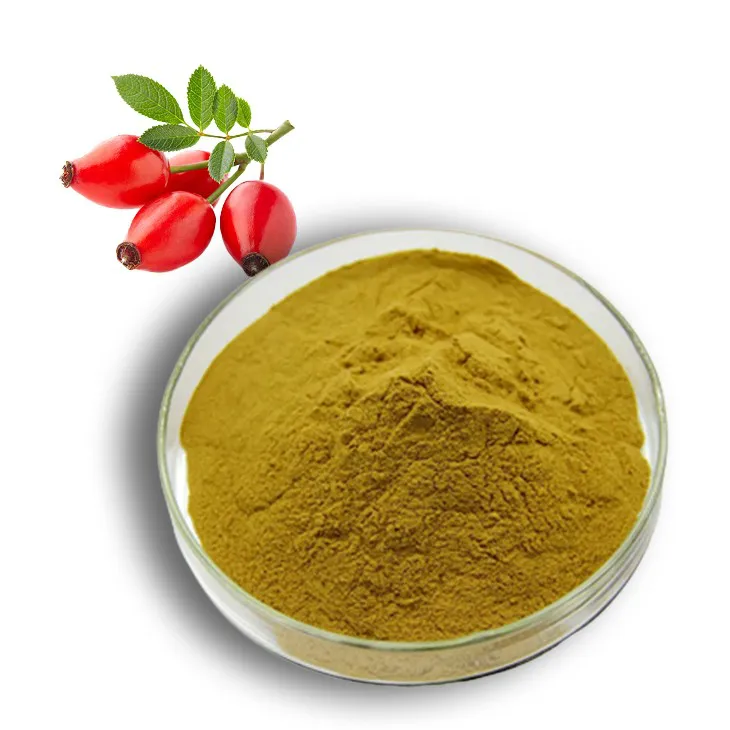
2.2 Flavonoids
Rosehip extract also contains flavonoids. These are a class of plant - based compounds that have numerous health - promoting properties. Flavonoids in rosehip extract are responsible for its anti - inflammatory effects. Inflammation is a natural response of the body to injury or infection, but chronic inflammation can lead to various health problems. The anti - inflammatory properties of flavonoids in rosehip extract may help in reducing inflammation in the body, which can be beneficial for conditions such as arthritis, where joint inflammation is a major symptom.

2.3 Other Components
In addition to vitamins and flavonoids, rosehip extract contains other bioactive compounds. These include essential fatty acids, such as omega - 3 and omega - 6 fatty acids. These fatty acids are important for maintaining healthy cell membranes and are involved in various physiological processes in the body. Rosehip extract also contains carotenoids, which are pigments that have antioxidant properties similar to Vitamin C. The combination of these various components in rosehip extract makes it a complex and potentially powerful natural product.
3. Uses in the Cosmetic Industry

3.1 Skin Rejuvenation
Rosehip extract has become a popular ingredient in many cosmetic products due to its ability to rejuvenate the skin. The high content of Vitamin C and other antioxidants helps to repair damaged skin cells and stimulate the production of new cells. This can lead to a more youthful and radiant complexion. Regular use of products containing rosehip extract can help reduce the signs of aging, such as fine lines and wrinkles.
3.2 Reducing Wrinkles
The antioxidant and collagen - promoting properties of rosehip extract make it effective in reducing wrinkles. As we age, the production of collagen in the skin decreases, leading to the formation of wrinkles. By stimulating collagen synthesis and protecting the skin from oxidative damage, rosehip extract can help fill in existing wrinkles and prevent new ones from forming. Many anti - wrinkle creams and serums now include rosehip extract as a key ingredient.
3.3 Improving Skin Texture
Rosehip extract can also improve the texture of the skin. It helps to exfoliate the skin gently, removing dead skin cells and revealing smoother, softer skin underneath. The anti - inflammatory properties of the extract can also soothe irritated skin, making it suitable for those with sensitive skin. Whether used in face masks, lotions, or other skin - care products, rosehip extract can enhance the overall texture and appearance of the skin.
4. Uses in the Health Sector
4.1 Joint Pain Relief
For those suffering from joint pain, rosehip extract may offer some relief. The anti - inflammatory properties of the flavonoids in the extract can help reduce inflammation in the joints, which is often the cause of pain. Studies have shown that rosehip extract can be as effective as some non - steroidal anti - inflammatory drugs (NSAIDs) in reducing joint pain, but with fewer side effects. It can be taken in supplement form or used topically in creams for joint pain management.
4.2 Potential in Treating Chronic Diseases
There is also growing research into the potential of rosehip extract in treating certain chronic diseases. For example, its antioxidant and anti - inflammatory properties may make it useful in managing conditions such as diabetes, heart disease, and certain types of cancer. In diabetes, the antioxidant effect may help protect against oxidative stress, which is associated with diabetic complications. In heart disease, reducing inflammation and oxidative damage can help improve cardiovascular health. While more research is needed, the initial findings are promising and suggest that rosehip extract could play a role in future treatment strategies for these chronic diseases.
5. Use in Dietary Supplements
Rosehip extract is often included in dietary supplements to enhance overall well - being. It can provide a concentrated source of the nutrients and bioactive compounds found in rosehips. When taken as a supplement, it can help boost the immune system, improve skin health, and potentially support joint health. However, it is important to note that dietary supplements should be used in accordance with recommended guidelines, and individuals should consult a healthcare provider before starting any new supplement regimen.
6. Conclusion
In conclusion, rosehip extract is a natural product with a rich composition of vitamins, flavonoids, and other bioactive compounds. Its diverse range of uses in the cosmetic industry for skin health, in the health sector for joint pain relief and potential treatment of chronic diseases, and in dietary supplements for overall well - being make it a valuable addition to the natural products landscape. As research continues to uncover more about its properties and potential applications, rosehip extract is likely to gain even more prominence in the future.
FAQ:
What are the main components of Rose Hip Extract?
The main components of Rose Hip Extract include vitamins (such as Vitamin C which has antioxidant properties) and flavonoids which contribute to anti - inflammatory effects.
How is Rose Hip Extract used in the cosmetic industry?
In the cosmetic industry, Rose Hip Extract is used for skin rejuvenation, reducing wrinkles, and improving skin texture.
Can Rose Hip Extract help with joint pain?
Yes, in the health sector, Rose Hip Extract may assist in joint pain relief.
What role does Rose Hip Extract play in the immune system?
Rose Hip Extract contains Vitamin C which is renowned for its antioxidant properties and can strengthen the immune system.
Is Rose Hip Extract used in dietary supplements?
Yes, it can be used in dietary supplements to enhance overall well - being.
Related literature
- The Composition and Health Benefits of Rose Hip Extract"
- "Rose Hip Extract: A Comprehensive Review of Its Uses in Cosmetics"
- "Exploring the Potential of Rose Hip Extract in Chronic Disease Treatment"


-

Aged Garlic Extract
2024-12-16
-

Chasteberry Extract
2024-12-16
-

Polygonum Cuspidatum Extract
2024-12-16
-

Sophora Flavescens Root Extract
2024-12-16
-

Dandelion Leaf Extract
2024-12-16
-

Eucommia Ulmoides Extract
2024-12-16
-

Withania Somnifera Extract
2024-12-16
-

Saponin Extract
2024-12-16
-

Sea buckthorn oil
2024-12-16
-

Nettle leaf extract
2024-12-16